Left Eye Twitching: Causes and Treatment

Key Takeaways
- Most left eye twitching is a benign eyelid muscle spasm that improves without treatment.
- Common triggers include stress, sleep loss, caffeine, dry eyes, and prolonged screen use.
- Persistent twitching, facial weakness, vision changes, or pain should be assessed by a doctor.
- Simple measures such as rest, hydration, limiting stimulants, and lubricating drops may help.
- An eye specialist can check for surface irritation, refractive problems, or less common neurological causes.
Left eye twitching is usually a brief, harmless eyelid spasm that often settles on its own. It can be linked to stress, tiredness, caffeine, dry eyes, or screen-related eye strain, but persistent or severe twitching deserves medical review.
Overview
Left eye twitching is usually the small, involuntary tightening of the eyelid muscle on one side. People often notice it as a flutter, pulse, or repeated little movement that comes and goes without warning. In most cases, it is a form of eyelid myokymia, which is common and not dangerous.
The sensation can be annoying because it tends to appear during busy days, travel, or times of poor sleep. For many people, it fades after the body gets more rest or after a trigger is removed. A left-sided twitch does not automatically point to a problem with the eye itself; it often reflects a temporary irritant affecting the nervous system, muscles, or tear film.
For international patients who are deciding whether to seek care at home or abroad, it helps to know that the first step is usually a focused eye examination rather than extensive testing. That evaluation can quickly separate a routine twitch from a symptom that needs closer attention.
Symptoms

Left eye twitching most often affects the upper eyelid, although the lower lid can also be involved. The movement may last only seconds, or it may recur over several minutes or hours before settling. Some people notice a single episode; others have repeated twitches over several days.
Typical eyelid twitching is usually not painful and does not affect vision. It may feel more noticeable when a person is trying to read, concentrate, or fall asleep because quiet moments make small movements easier to detect. Stress can also make the twitch feel stronger even when the muscle activity itself is mild.
- Brief fluttering or pulsing of one eyelid
- Intermittent episodes that stop and start
- Increased awareness during tiredness or stress
- Occasional eye dryness, grittiness, or irritation
If twitching spreads to other parts of the face, keeps the eye forcefully closed, or is accompanied by double vision or drooping, it is no longer a simple nuisance symptom and should be evaluated.
Causes & Risk Factors

Several everyday factors can set off left eye twitching. Sleep deprivation is one of the most common. So are emotional stress, long stretches of reading or computer use, and caffeine or other stimulants. Dry eye, especially after flights, air-conditioned environments, or extended screen time, can also irritate the eyelid and trigger spasms.
Less often, twitching may follow eye strain from uncorrected vision problems, contact lens irritation, or allergies. In these situations, the eyelid is often reacting to discomfort at the eye surface rather than the muscle being the main problem.
Risk increases when several triggers overlap. A person who is sleep-deprived, dehydrated, working on screens for long periods, and drinking more coffee than usual may notice the twitch more clearly. Family history is not usually a major factor for simple eyelid twitching, but certain neurological conditions can cause more persistent facial movements and need specialist assessment.
- Stress or anxiety
- Poor sleep or fatigue
- Caffeine, energy drinks, or stimulant medicines
- Dry eyes or eye irritation
- Screen overuse and eye strain
- Allergies or contact lens discomfort
Diagnosis
Most people with left eye twitching do not need elaborate testing. A clinician usually begins by asking how long the twitch has been present, whether it is getting worse, and whether there are other symptoms such as redness, pain, vision change, or twitching elsewhere in the face. The pattern of the twitch often gives strong clues.
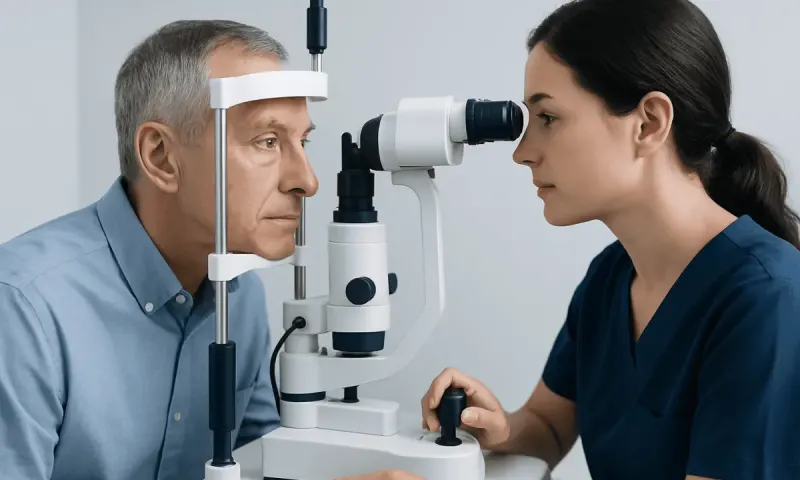
An eye examination may be used to look for dryness, irritation, corneal surface problems, or inflammation of the eyelid. The doctor may also review medications, caffeine use, sleep habits, and recent stressors. If the twitch is persistent or occurs with neurological signs, further assessment may be recommended to rule out less common causes.
For someone travelling from another country, this stage is often straightforward and efficient. Bringing a list of medicines, contact lens details, and any prior eye reports can help the appointment move smoothly and reduce the chance of repeating tests that have already been done.
Treatment Options
Treatment depends on what is driving the twitch. When the cause is simple eyelid myokymia, reassurance and trigger reduction are often enough. If dry eye is contributing, lubricating eye drops and more frequent blinking may help. If allergies are involved, treating the allergy can calm the eyelid irritation.
Doctors may suggest practical changes such as reducing caffeine, improving sleep, taking screen breaks, and using warm compresses if the eyelid feels tense or irritated. These steps are gentle, low-risk, and often effective when used consistently for a few days or weeks.
When twitching is linked to a more specific eye condition, treatment focuses on that condition. For example, a blocked tear film, inflamed eyelid edges, or uncorrected vision may need targeted care. In unusual cases where facial spasms are persistent or severe, a specialist may discuss additional treatments after evaluation.
- Rest and improved sleep
- Limiting caffeine or stimulant intake
- Lubricating drops for dryness
- Reducing screen strain with regular breaks
- Treating allergies or eyelid inflammation
Prevention & Self-care
Self-care is often the most useful part of managing left eye twitching. Many people notice improvement when they sleep more regularly, stay hydrated, and step away from screens at intervals. Small changes can make a meaningful difference because the eyelid muscle is sensitive to fatigue and irritation.
It can also help to pay attention to patterns. If twitching tends to appear after several cups of coffee, a difficult workday, or a long flight, the trigger may be easier to identify and reduce next time. People who wear contact lenses should make sure their lenses are used and cleaned as directed, since surface irritation can contribute to twitching.
For patients recovering after treatment abroad, follow-up instructions matter. Carrying prescribed drops on the return journey, keeping the eyes lubricated during travel, and arranging local follow-up if symptoms continue can help protect comfort and continuity of care.
- Sleep on a consistent schedule
- Drink enough fluids during the day
- Cut back on excess caffeine if it seems linked
- Use the 20-20-20 rule during screen work
- Protect eyes from wind, smoke, and dryness
- Follow contact lens hygiene carefully
When to See a Doctor
Medical review is sensible if the twitch lasts longer than a couple of weeks, keeps returning, or becomes more frequent. It is also important to seek care if the eyelid begins to close forcefully, if the twitch spreads to other facial muscles, or if one eye looks droopy or uneven.
Prompt assessment is especially important when twitching occurs with pain, redness, swelling, light sensitivity, blurred vision, double vision, weakness, numbness, or headache. These features suggest that the symptom may be part of a broader eye or neurological issue rather than an isolated eyelid spasm.
If the person is unsure whether the cause is minor or needs specialist attention, an eye doctor can usually clarify that quickly. In the setting of international travel, a coordinated review can also help determine whether treatment should begin before departure or continue after returning home. Acibadem Health Point’s multidisciplinary specialists and JCI-accredited hospitals diagnose and treat eye conditions for international patients, with careful attention to follow-up needs and continuity of care.
Frequently asked questions
01Is left eye twitching usually serious?
Most of the time, it is not serious and settles on its own. Simple eyelid twitching is commonly linked to fatigue, stress, caffeine, or dry eyes. If it persists or comes with other symptoms, it should be checked by a doctor.
02How long can eye twitching last?
A mild twitch may last only seconds or recur on and off for a few days. If it continues for more than a couple of weeks, or keeps returning, an eye examination is a good idea. The duration often depends on whether a trigger is still present.
03Can stress really cause an eye twitch?
Yes, stress is a common trigger. It can make muscles more reactive and also worsen sleep, caffeine intake, and screen habits, which may add to the problem. Managing stress often helps reduce the twitching.
04Does caffeine make left eye twitching worse?
It can in some people, especially when intake is high or combined with poor sleep. Not everyone is sensitive to caffeine in the same way. If twitching appears after coffee or energy drinks, reducing intake may help.
05What can be done at home for eye twitching?
Rest, better hydration, regular sleep, and fewer stimulant drinks are sensible first steps. Lubricating drops may help if dryness is part of the problem, and screen breaks can reduce eye strain. If symptoms do not improve, medical advice is appropriate.
06When should twitching be evaluated urgently?
Urgent assessment is appropriate if twitching comes with vision changes, eye pain, facial weakness, numbness, drooping, or twitching that spreads beyond the eyelid. These signs suggest a need for prompt medical review. A clinician can determine whether the cause is in the eye or elsewhere.
This article is for general information only and is not a substitute for professional medical advice. Please consult a qualified doctor about your individual situation.
Explore treatments in Turkey — costs, top hospitals & a free quote
JCI-accredited · board-certified surgeons · reply within 24h
Add us as a Preferred Source to see more of our trusted health content across Google Search, AI Overviews and Discover.