Head Tumor Symptoms and Signs: Diagnosis and Care
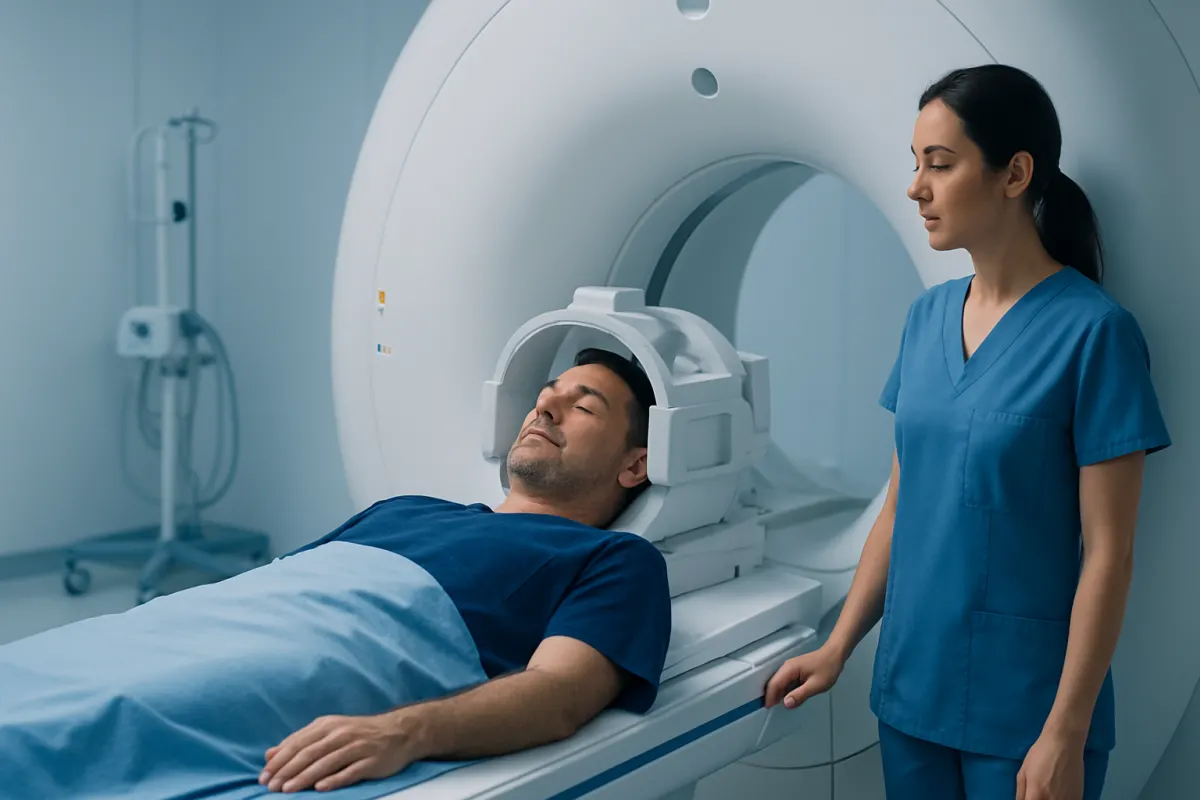
Head tumor symptoms and signs vary according to where a tumor develops and how it affects nearby brain tissue, nerves, blood vessels, or structures of the head. Persistent or progressive neurological symptoms deserve medical assessment, although most headaches and similar symptoms are not caused by a tumor.
Overview: understanding head tumors
The term “head tumor” is broad. It may refer to a tumor within the brain, in the membranes surrounding the brain, at the base of the skull, in the pituitary area, along cranial nerves, or in other structures of the head. Tumors can be noncancerous (benign) or cancerous (malignant). Some begin in the head, while others represent cancer that has spread from another part of the body.
Head tumor symptoms and signs are not the same for every person. They are influenced by the exact location, size, rate of growth, swelling around the tumor, and whether normal fluid circulation or pressure inside the skull is affected. Many symptoms associated with tumors, such as headache, fatigue, or dizziness, are far more commonly caused by non-tumor conditions. A careful medical evaluation helps clarify the cause.
Early assessment is useful when symptoms are new, persistent, progressive, or accompanied by changes in neurological function. Modern imaging and specialist review can usually identify the next appropriate step without assuming that a tumor is present.
What are the signs and symptoms of a head tumor?
Possible signs and symptoms of a head tumor may include a headache that changes in pattern or steadily worsens, a first seizure, nausea or vomiting without another clear explanation, or increasing sleepiness. Symptoms can also reflect disruption of a particular part of the brain, such as weakness on one side, loss of coordination, altered speech, changes in vision, or changes in hearing.
Cognitive and behavioral changes can occur, including difficulty concentrating, memory problems, confusion, unusual irritability, or changes in personality. These symptoms are not specific to a tumor and may arise from stress, sleep problems, medication effects, migraine, infection, stroke, or other health conditions. Their persistence and progression are important reasons to seek assessment.
Symptoms involving the cranial nerves may include facial numbness or weakness, double vision, hearing loss, swallowing difficulty, or altered smell. Tumors near the pituitary gland can affect hormone production and may cause menstrual changes, changes in sexual function, excessive thirst, unexpected weight changes, or visual field loss. The particular symptom pattern can help clinicians decide which tests are most appropriate.
- Symptoms that are new and worsening over days or weeks should be discussed with a doctor.
- A sudden severe neurological symptom should be treated as urgent, even though it may have causes other than a tumor.
- A normal examination does not always exclude every cause, but it helps guide whether imaging is needed.
What are 10 warning signs of a brain tumor?

There is no single checklist that can diagnose a brain tumor. However, the following 10 symptoms may warrant medical review when they are new, unexplained, persistent, or getting worse: a progressively changing headache; a first seizure; persistent nausea or vomiting; weakness or numbness affecting one side of the body; difficulty with balance or walking; speech or language problems; new visual changes; hearing changes or ringing in one ear; marked changes in memory, thinking, behavior, or personality; and unusual drowsiness or reduced alertness.
Headaches alone are rarely a sign of a brain tumor. More concerning features include a clear change from a person’s usual headache pattern, headaches that become more frequent or severe, headaches with vomiting, or headaches occurring with seizures, weakness, confusion, or vision changes. Even then, a clinician must consider common causes first and assess the full clinical picture.
Symptoms may appear slowly, especially with slow-growing tumors, or more rapidly if bleeding, swelling, or obstruction of cerebrospinal fluid occurs. Anyone who develops sudden weakness, facial drooping, inability to speak clearly, loss of consciousness, a severe abrupt headache, or a prolonged seizure should seek emergency care, as these can also be signs of stroke or another urgent condition.
How is a head tumor diagnosed?
Diagnosis begins with a medical history and neurological examination. A clinician may ask about the timing and pattern of headaches, seizures, vision or hearing symptoms, changes in strength or coordination, cognitive changes, medicines, past cancers, and family history. The examination may assess reflexes, muscle strength, sensation, eye movements, vision, balance, language, and memory.
MRI is commonly the preferred imaging test for evaluating many suspected tumors in and around the brain because it provides detailed images of soft tissues. CT may be used urgently, when MRI is not suitable, or to assess bone and certain acute findings. Additional imaging, blood tests, hormone testing, eye examination, or body scans may be needed depending on the suspected tumor type and location.
Imaging can strongly suggest a diagnosis, but a biopsy or surgical tissue sample is often needed to identify the tumor type and grade accurately. Laboratory analysis may include molecular testing, which can help guide treatment planning. Care is typically coordinated by specialists such as neurologists, neurosurgeons, neuroradiologists, oncologists, radiation oncologists, endocrinologists, and rehabilitation clinicians.
What are the treatment options for a head tumor?
Treatment options for a head tumor depend on whether it is benign or malignant, its location and size, how quickly it is growing, its molecular features, symptoms, and the person’s general health and preferences. Some small, slow-growing tumors that are not causing significant symptoms can be monitored with scheduled examinations and repeat MRI scans. This approach is often called active surveillance or watchful waiting.
Surgery may be recommended to remove as much of a tumor as safely possible, obtain tissue for diagnosis, relieve pressure, or improve symptoms. In some locations, complete removal may not be safe because the tumor is close to areas controlling movement, language, vision, or other vital functions. Surgical planning therefore focuses on balancing tumor control with preservation of neurological function.
Radiotherapy may be used after surgery, as the main treatment when surgery is not suitable, or to control residual or recurrent disease. Approaches may include precisely focused radiation for selected small tumors. Drug treatments can include medicines to control seizures, corticosteroids to reduce swelling when clinically appropriate, chemotherapy, targeted treatments, immunotherapy, or hormone-related treatment for certain tumor types. Rehabilitation for speech, mobility, cognition, or daily activities can be an important part of recovery.
For international patients, Acıbadem Health Point’s multidisciplinary specialists at JCI-accredited hospitals assess head tumors and coordinate individualized diagnostic and treatment planning. The most appropriate approach should always be discussed with the treating medical team after imaging and, where needed, tissue diagnosis.
Causes, risk factors, and outlook
For most people, the cause of a primary brain or head tumor is not known. A small proportion are associated with inherited genetic conditions. Previous radiation exposure to the head, especially therapeutic radiation received earlier in life, may increase risk for certain tumors. Metastatic tumors occur when cancer from another organ spreads to the brain or other head structures, but having a risk factor does not mean a person will develop a tumor.
Most head tumors cannot be prevented through lifestyle measures alone. Avoiding unnecessary radiation exposure, following workplace safety guidance, not smoking, maintaining general health, and keeping recommended Bladder Cancer Screening: How It Works, Results and What to Expect" class="ahp-ilk">cancer screening appointments may support overall health. However, healthy habits cannot reliably prevent all tumors, and symptoms should not be dismissed because a person has no known risk factors.
Outlook varies widely. Some benign tumors can be cured or controlled for many years, while some malignant tumors require ongoing treatment and follow-up. Prognosis depends on the specific diagnosis, grade, tumor location, molecular characteristics, extent of safe removal, response to treatment, age, and functional status. A treating specialist can provide the most meaningful outlook after the diagnostic work-up is complete.
When to seek medical care
Medical advice should be sought soon for persistent or worsening headaches, a new seizure, ongoing vomiting, new problems with balance, speech, vision, hearing, memory, or personality, or weakness and numbness that do not have a clear explanation. A clinician can determine whether symptoms may be related to a common condition, whether monitoring is reasonable, or whether urgent imaging or referral is needed.
Emergency care is appropriate for sudden severe headache, loss of consciousness, a seizure lasting more than a few minutes or repeated seizures without recovery, sudden weakness or numbness, difficulty speaking, new severe confusion, or abrupt major vision loss. These symptoms can be caused by several urgent conditions, including stroke, and should not be managed by waiting for a routine appointment.
People who have already been diagnosed with a head tumor should follow their care plan and contact their medical team about new or worsening symptoms. Keeping a brief record of symptom timing, severity, triggers, associated symptoms, and medicines can be helpful during appointments.
Frequently asked questions
01Can a head tumor cause headaches every day?
A head tumor can cause headaches, but daily headaches are much more often related to migraine, tension-type headache, medication overuse, sleep issues, sinus conditions, or other causes. A new headache pattern that is worsening or occurs with neurological symptoms should be medically assessed.
02Are all head tumors cancerous?
No. Head tumors may be benign or malignant, and some benign tumors can still require treatment if they press on important structures or cause symptoms. A scan and, in many cases, tissue analysis are needed to identify the tumor type accurately.
03Can blood tests diagnose a brain or head tumor?
Routine blood tests generally cannot diagnose most brain tumors. They may help assess overall health, look for other causes of symptoms, or evaluate hormone changes when a pituitary-area tumor is suspected. Imaging and sometimes biopsy are the key diagnostic tools.
04Does a normal CT scan rule out a head tumor?
A CT scan can identify many important abnormalities, particularly in urgent settings, but MRI often provides more detail for brain and soft-tissue tumors. Whether further testing is needed depends on symptoms, examination findings, and the CT result.
05Can a benign head tumor become dangerous?
Even a benign tumor may cause problems if it grows, causes swelling, blocks fluid flow, or affects areas responsible for movement, vision, speech, or hormone control. Benign describes cell behavior, not necessarily the impact of the tumor’s location.
06What doctor treats a suspected head tumor?
A primary care doctor or emergency clinician may begin the evaluation and arrange imaging or referral. Depending on the findings, care may involve a neurologist, neurosurgeon, oncologist, radiation oncologist, ear, nose and throat specialist, endocrinologist, or other specialists.
This article is for general information only and is not a substitute for professional medical advice. Please consult a qualified doctor about your individual situation.
Persistent digestive symptoms? Get evaluated in Turkey
JCI-accredited · board-certified surgeons · reply within 24h
Add us as a Preferred Source to see more of our trusted health content across Google Search, AI Overviews and Discover.