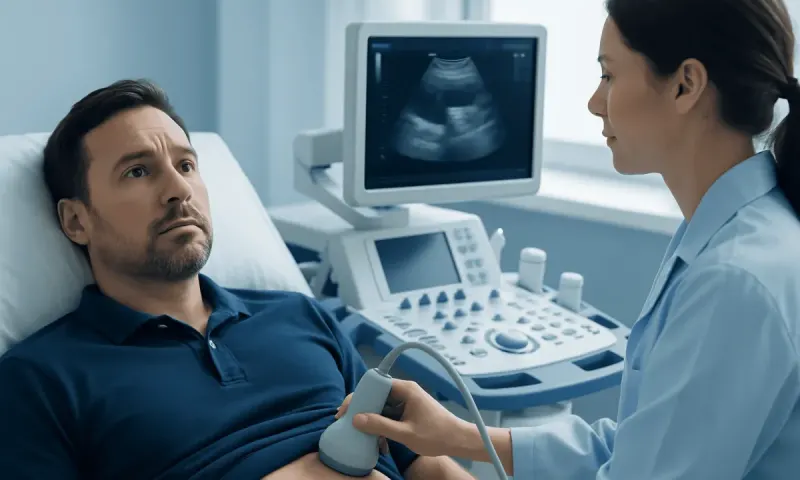
Dying of Bladder Cancer: What to Expect and Care

Dying of bladder cancer is not the expected outcome for everyone with the disease. Outlook depends greatly on the cancer stage, tumor biology, response to treatment, overall health, and access to supportive care; modern treatment can control many cancers and help relieve symptoms when cure is not possible.
Dying of bladder cancer: what to expect
Dying of bladder cancer is a concern many people and families have after hearing that a cancer is advanced, recurrent, or no longer responding to treatment. It is important to know that bladder cancer has a wide range of outcomes. Some cancers are confined to the bladder lining and can be managed for years, while others invade the bladder muscle or spread to lymph nodes, bones, lungs, liver, or other areas and require systemic treatment.
When bladder cancer becomes life-limiting, care usually focuses on both controlling the cancer where possible and managing symptoms such as pain, bleeding, urinary problems, fatigue, nausea, loss of appetite, or breathlessness. The pace of change differs from person to person. A urologist, medical oncologist, palliative care clinician, nurse, and supportive-care team can help patients and families understand what is likely to happen and make care decisions that reflect the person’s priorities.
Conversations about prognosis are not a prediction of an exact timeline. They are an opportunity to discuss realistic goals, available treatments, symptom relief, practical support, and advance care planning. Many people benefit from asking their team what changes to expect, which symptoms need urgent attention, and whom to contact outside regular clinic hours.
How bladder cancer stage affects outlook
Bladder cancer usually begins in cells lining the inside of the bladder. Non-muscle-invasive bladder cancer remains within the inner lining or connective tissue beneath it. Muscle-invasive bladder cancer has grown into the bladder muscle and has a higher risk of spreading. Metastatic bladder cancer has spread beyond the bladder to distant organs or lymph nodes.
The stage is only one part of the outlook. Doctors also consider the cancer grade, tumor type, molecular features, whether cancer remains after surgery, kidney function, other medical conditions, and how well a person tolerates and responds to treatment. Some people with advanced disease have meaningful periods of stability with modern systemic therapies.
For a fuller explanation of staging, diagnostic testing, and treatment planning, patients may find the overview of bladder cancer helpful. A specialist can explain how the findings from imaging, biopsy, and pathology apply to an individual situation rather than relying on broad survival estimates.
Symptoms in advanced bladder cancer and comfort care

Advanced bladder cancer may cause symptoms because of a tumor in the bladder, blockage of urine flow, anemia from bleeding, treatment effects, or spread to another part of the body. Possible concerns include visible blood in the urine, pelvic or lower-back pain, frequent or painful urination, difficulty passing urine, swelling of the legs, increasing tiredness, reduced appetite, unintended weight loss, or pain in the bones. Not every symptom means the cancer is progressing, but new or worsening symptoms should be reported promptly.
Near the end of life, some people become increasingly weak, sleep more, eat and drink less, and spend less time interacting. Confusion, restlessness, pain, breathing changes, and reduced urine output can also occur. These changes should be assessed by the care team, as medication, infection, dehydration, constipation, urinary obstruction, or another treatable problem may contribute.
Palliative care is specialist medical care for symptoms, quality of life, and decision-making. It can be introduced at any stage of serious illness and alongside active anticancer treatment. Hospice care may be considered when treatment is no longer helping or when a person chooses to focus entirely on comfort. Families should not feel that asking for palliative care means giving up; it means ensuring that physical, emotional, and practical needs are addressed.
Modern treatment approaches for bladder cancer
Treatment is tailored to the type and stage of bladder cancer. For non-muscle-invasive disease, doctors may remove tumors through the urethra and recommend medicine placed directly into the bladder. This approach aims to lower the risk of recurrence or progression while preserving the bladder when appropriate.
For muscle-invasive disease, treatment may involve removal of the bladder, known as radical cystectomy, often with urinary reconstruction or diversion. Some patients may instead be candidates for a bladder-preserving approach using radiation therapy combined with chemotherapy. Decisions depend on tumor characteristics, general health, kidney function, personal preferences, and the ability to attend close follow-up.
For cancer that has spread or returned after previous treatment, options can include chemotherapy, immunotherapy, targeted medicines, antibody-drug conjugates, radiation for symptom control, and clinical trials where available. Bladder cancer treatment is often planned by a multidisciplinary team, since surgery, systemic therapy, radiation, and supportive care may each have an important role.
Even when a cure is unlikely, treatment may reduce tumor burden, ease pain or bleeding, relieve blockage, and prolong meaningful time for some people. The benefits and possible side effects should be reviewed regularly, particularly if a person’s health or goals change.
What is the life expectancy after bladder removal for cancer?
Life expectancy after bladder removal for cancer cannot be estimated from surgery alone. Radical cystectomy is commonly performed with curative intent for selected muscle-invasive or high-risk bladder cancers, and many people live for years after the procedure. The outlook depends mainly on the final pathology, including how deeply the cancer invaded, whether lymph nodes contained cancer, whether surgical margins were clear, and whether cancer had already spread.
Recovery and long-term health also depend on age, other medical conditions, kidney function, the type of urinary diversion, and whether chemotherapy or other treatment is recommended before or after surgery. Follow-up appointments, imaging, laboratory testing, and attention to urinary, kidney, nutritional, and sexual health are important after cystectomy.
A surgeon or oncologist can provide the most meaningful estimate after reviewing the pathology report and overall clinical picture. It is reasonable for patients to ask about the goal of surgery, the chance of recurrence, the follow-up plan, and what support is available during recovery.
What to drink if you have bladder cancer?
Most people with bladder cancer can drink water regularly throughout the day unless their clinician has advised a fluid restriction because of kidney, heart, or another medical condition. Adequate hydration may help maintain urine flow and can be especially useful when there is minor irritation from treatment, although it does not treat the cancer itself.
There is no proven drink that cures bladder cancer. Patients may wish to limit alcohol, particularly if it worsens dehydration, sleep, medication side effects, or bladder symptoms. Caffeinated, carbonated, acidic, or very spicy beverages can irritate the bladder in some people and may be reduced if they trigger urgency, burning, or frequency.
During chemotherapy, immunotherapy, radiation, or recovery from surgery, hydration needs may change. A dietitian or clinical team can offer individualized advice for nausea, poor appetite, diarrhea, kidney impairment, diabetes, or an ileal conduit or other urinary diversion. Patients should avoid high-dose supplements or herbal preparations unless their oncology team confirms they are safe.
What is the success rate of immunotherapy for bladder cancer?
Immunotherapy does not have one single success rate for bladder cancer because results depend on the medicine used, cancer stage, previous treatment, tumor characteristics, and how “success” is defined. In advanced urothelial cancer, immune checkpoint inhibitors can shrink tumors in some patients and can produce durable responses for a smaller group. Others may have stable disease, while some cancers do not respond.
Immunotherapy is also used in certain high-risk non-muscle-invasive bladder cancers when other standard bladder-based treatments have not worked or are unsuitable. In earlier-stage settings, immunotherapy may be used before or after surgery for selected patients. Doctors consider potential benefits alongside immune-related side effects, which can affect organs such as the skin, bowel, lungs, liver, or hormone glands.
Response is monitored with symptoms, scans, cystoscopy when relevant, and laboratory tests. Patients should report new diarrhea, cough, rash, severe fatigue, jaundice, or unusual symptoms promptly during immunotherapy, because early treatment of immune-related side effects is important.
How often should you have a cystoscopy after bladder cancer?
The frequency of cystoscopy after bladder cancer depends on the risk of recurrence and progression. People treated for non-muscle-invasive bladder cancer commonly have an early cystoscopy about three months after treatment, followed by surveillance at intervals based on whether their cancer is low, intermediate, or high risk. High-risk disease generally requires more frequent and longer-term monitoring than low-risk disease.
After radical cystectomy, routine cystoscopy is not usually performed in the same way because the bladder has been removed. However, follow-up remains essential and may include clinical reviews, imaging, blood tests, urine-related testing when appropriate, and checks of the urinary diversion. People who have a bladder-preserving treatment plan usually need regular cystoscopy and imaging.
The surveillance schedule should be individualized by the urology team. Keeping appointments is important because recurrence can sometimes be found before it causes symptoms, allowing earlier treatment or closer observation.
When to seek medical care
Anyone with visible blood in the urine should arrange medical assessment, even if it happens only once or is painless. Blood in urine may have causes other than cancer, including infection or stones, but it should not be ignored. Urgent assessment is needed for an inability to pass urine, heavy bleeding or clots, severe pain, fever with urinary symptoms, new confusion, severe weakness, or symptoms of dehydration.
People already diagnosed with bladder cancer should contact their care team about new or worsening bleeding, increasing pelvic or bone pain, uncontrolled nausea or vomiting, worsening breathlessness, swelling, reduced urine output, fever, or treatment side effects. These symptoms can often be managed and may sometimes indicate a condition that needs prompt treatment.
Acıbadem Health Point’s multidisciplinary specialists and JCI-accredited hospitals provide diagnostic evaluation and treatment planning for international patients with bladder cancer. Patients and families may also benefit from early referral to palliative care, counseling, nutrition support, and social work services as needs change.
Frequently asked questions
01Can bladder cancer be cured if it has spread?
Metastatic bladder cancer is usually more difficult to cure, but treatment can often slow its growth, reduce symptoms, and sometimes produce a long-lasting response. The available options depend on prior treatments, general health, cancer characteristics, and personal goals. An oncology team can explain whether treatment is intended to cure, control the disease, or improve comfort.
02Does blood in urine always mean bladder cancer is getting worse?
No. Blood in the urine can result from bladder cancer, but it can also occur with infection, stones, urinary procedures, medications, or other conditions. Any new, persistent, or heavy bleeding should be assessed promptly, especially in someone with a history of bladder cancer.
03Can palliative care be given while receiving cancer treatment?
Yes. Palliative care can be provided alongside chemotherapy, immunotherapy, surgery, radiation therapy, or other cancer treatment. It focuses on relief of symptoms, emotional support, communication about goals, and help for families and caregivers.
04What happens if bladder cancer blocks the flow of urine?
A tumor can sometimes obstruct urine leaving the bladder or draining from the kidneys. Doctors may use procedures such as a catheter, stent, nephrostomy tube, surgery, radiation, or systemic treatment depending on the cause and the person’s overall condition. Inability to pass urine needs urgent medical attention.
05Can a person live without a bladder?
Yes. After bladder removal, surgeons create a new way for urine to leave the body, called a urinary diversion. This may involve an external collection pouch, a continent internal reservoir, or a reconstructed bladder in selected patients. The best option depends on health, anatomy, cancer treatment needs, and personal preferences.
06How can families prepare for advanced bladder cancer?
Families can ask the care team about expected symptoms, medication plans, emergency contacts, caregiving needs, and available home support. Discussing advance directives and the patient’s priorities early can help guide care if health changes. Counseling, social work, and caregiver support services can also be valuable.
This article is for general information only and is not a substitute for professional medical advice. Please consult a qualified doctor about your individual situation.
Persistent digestive symptoms? Get evaluated in Turkey
JCI-accredited · board-certified surgeons · reply within 24h
Add us as a Preferred Source to see more of our trusted health content across Google Search, AI Overviews and Discover.