Gastrointestinal Stromal Tumor (GIST) Cancer Care

Gastrointestinal stromal tumor (GIST) cancer is an uncommon tumor that develops in the digestive tract, most often the stomach or small intestine. Its outlook and treatment depend on tumor size, location, spread, and molecular test results, with surgery and targeted medicines playing central roles in care.
Overview: What Is Gastrointestinal Stromal Tumor (GIST) Cancer?
Gastrointestinal stromal tumor (GIST) cancer is a rare cancer that starts in specialized support cells within the wall of the gastrointestinal tract. It can occur anywhere along the digestive system, but it most commonly begins in the stomach or small intestine. Less often, it develops in the esophagus, colon, rectum, or outside the digestive tract in nearby abdominal tissues.
GIST is different from more common digestive cancers such as stomach adenocarcinoma or colon cancer. It is classified as a soft-tissue sarcoma and is assessed using its size, location, cell activity under the microscope, whether it has ruptured, and whether it has spread. Molecular testing is especially important because many GISTs are driven by changes in genes such as KIT or PDGFRA.
Some GISTs are found incidentally during scans or procedures performed for another reason. Others cause symptoms related to bleeding, blockage, or pressure on nearby organs. Care is usually planned by a multidisciplinary team that may include gastroenterologists, surgeons, pathologists, radiologists, medical oncologists, and dietitians.
Symptoms and Signs of GIST
Small GISTs may not cause noticeable symptoms. When symptoms occur, they vary according to the tumor’s size and location. A tumor in the stomach or intestine can bleed slowly, irritate the digestive tract, or affect how food moves through the bowel.
Possible symptoms include persistent abdominal discomfort or fullness, early satiety after small meals, nausea, vomiting, reduced appetite, unexplained tiredness, and unintentional weight loss. Bleeding may lead to black, tar-like stools, visible blood in stool, vomiting blood, or anemia, which can cause weakness, dizziness, or shortness of breath.
What are the symptoms of an advanced GIST? Advanced GIST may have spread within the abdomen or to the liver, and symptoms can include worsening abdominal pain or swelling, a palpable abdominal mass, ongoing fatigue, reduced appetite, weight loss, anemia, or jaundice if the liver or bile ducts are affected. Some people still have few symptoms, which is why imaging and regular follow-up are important for those being monitored or treated.
Causes, Mutations, and Risk Factors
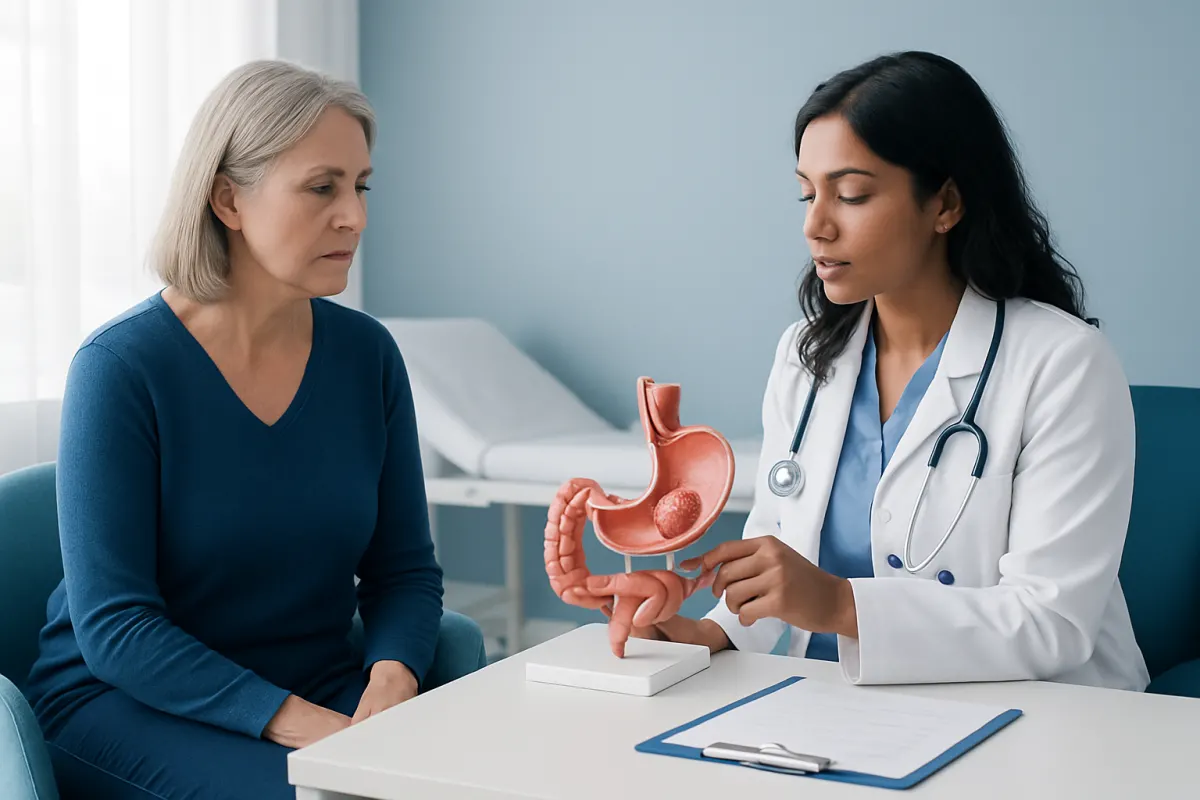
Most GISTs develop because of acquired genetic changes in tumor cells rather than anything a person did or did not do. The most frequent changes affect the KIT or PDGFRA genes. These changes can keep growth-signaling pathways active, allowing abnormal cells to multiply. Identifying the mutation can help the medical team select the most appropriate targeted medicine.
GIST is more often diagnosed in adults, particularly later in adulthood, but it can occur at younger ages. There are no established lifestyle causes, and there is no known routine screening test for people at average risk. Having common digestive symptoms does not mean someone has GIST; these symptoms are much more often caused by non-cancerous conditions.
Is a GIST hereditary? Most GISTs are not hereditary and occur as isolated, non-inherited tumors. Rarely, GIST may be associated with inherited conditions, including familial GIST syndromes, neurofibromatosis type 1, Carney triad, or Carney-Stratakis syndrome. Genetic counseling may be considered when GIST occurs at a young age, when there are multiple tumors, or when there is a relevant personal or family history.
How GIST Is Diagnosed and Assessed
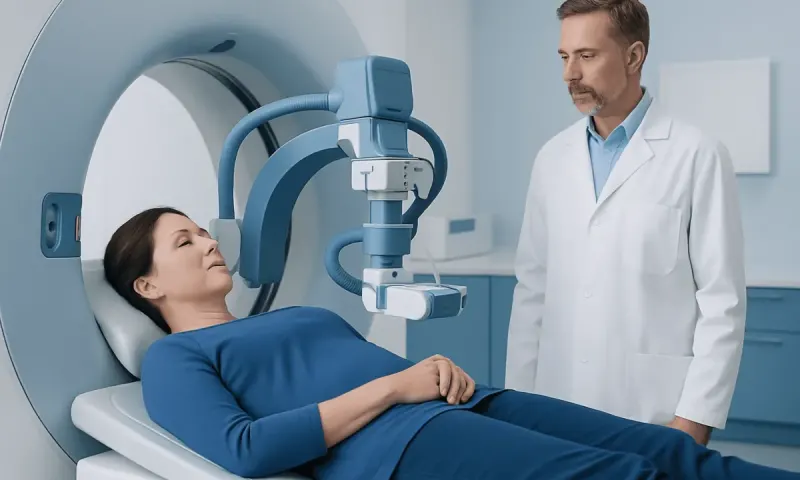
Doctors may begin with a physical examination, blood tests, and imaging when symptoms suggest a digestive tract problem. A CT scan of the abdomen and pelvis is commonly used to evaluate the tumor, look for spread, and support treatment planning. MRI may be useful in certain locations, particularly for rectal or liver lesions, while endoscopy or endoscopic ultrasound can help assess tumors near the inner surface of the stomach or upper intestine.
A tissue sample is often needed to confirm the diagnosis, especially when treatment before surgery is being considered or when the tumor may have spread. A pathologist examines the sample and performs immunohistochemical tests, commonly including KIT (CD117) and DOG1. Molecular testing then looks for gene changes that may influence treatment response.
Risk assessment after surgery considers more than whether a tumor is called cancer. Tumor size, location, mitotic rate, rupture, margins, and mutation results help estimate the likelihood of recurrence. This information guides decisions about surveillance and whether targeted therapy should be used after surgery.
- CT or MRI helps define the tumor’s extent and monitor response.
- Biopsy and pathology confirm GIST and distinguish it from other tumors.
- Molecular testing helps personalize targeted treatment choices.
- Repeat scans are commonly used during treatment and follow-up.
Modern Treatment Approaches for GIST
Treatment is individualized according to whether the tumor can be fully removed, its risk of recurrence, its molecular profile, and a person’s overall health. For a localized GIST that can be removed safely, surgery is usually the main treatment. The goal is complete removal without rupturing the tumor, because rupture can increase the chance of recurrence. Lymph node removal is not routinely needed because GIST rarely spreads to lymph nodes.
Targeted therapies are a major advance in GIST care. These medicines block signaling pathways involved in tumor growth and are selected based on the tumor’s gene changes and prior treatment. They may be used before surgery to shrink a tumor and make an operation safer, after surgery for selected higher-risk tumors, or for unresectable, recurrent, or metastatic disease. The medicine and monitoring plan should be reviewed with an experienced oncology team because responses differ by mutation type.
Some tumors require a combination of approaches, including surgery after a good response to targeted medicine, procedures for selected liver lesions, or symptom-focused care. Traditional chemotherapy generally has a limited role in GIST compared with targeted therapy. Medical oncology care helps coordinate systemic treatment, scan review, side-effect management, and long-term follow-up.
Acıbadem Health Point’s multidisciplinary specialists at JCI-accredited hospitals assess and treat GIST for international patients, with pathology review, molecular testing, surgery, and oncology care coordinated where appropriate.
Diet, Daily Living, and Follow-Up
What is the recommended diet for GIST patients? There is no single diet proven to treat GIST or prevent it from returning. Most people benefit from an eating pattern that provides enough calories, protein, fluids, fruits, vegetables, and whole grains as tolerated. Dietary needs can change with symptoms, surgery, tumor location, and treatment side effects.
People with early fullness, nausea, diarrhea, constipation, or reduced appetite may find that smaller, more frequent meals are easier to manage. After stomach or bowel surgery, the care team may temporarily recommend specific texture changes, smaller portions, or other adjustments. A registered dietitian can help create an individualized plan, particularly if there is weight loss, anemia, or difficulty meeting nutritional needs.
It is sensible to avoid restrictive diets, unproven supplements, or herbal products without discussing them with the oncology team. Some supplements and foods may interact with targeted medicines. Gentle physical activity, adequate sleep, emotional support, and keeping follow-up appointments can support general wellbeing during and after treatment.
Follow-up commonly includes regular CT scans, with timing based on the original tumor’s risk and the treatment plan. It is important to report new symptoms rather than waiting for the next planned scan, especially bleeding, persistent pain, vomiting, or significant changes in appetite or weight.
Outlook and When to Seek Medical Care
Is GIST a terminal cancer? No. GIST is not automatically terminal. A localized tumor that is completely removed may be cured, although some tumors can recur and require long-term monitoring. Even when GIST is advanced, targeted therapies can often control the disease for meaningful periods, and treatment options may change as new molecular information, medicines, and clinical trials become available.
Outlook is individual and cannot be determined from the diagnosis alone. Important factors include whether the tumor has spread, whether it was fully removed, its size and cell activity, whether rupture occurred, and its molecular profile. A treating specialist can explain what these findings mean in the context of a person’s own scans and pathology results.
When to seek medical care A person should arrange medical assessment for persistent abdominal pain, unexplained anemia or fatigue, black stools, blood in vomit or stool, ongoing vomiting, difficulty eating, or unexplained weight loss. Urgent medical care is appropriate for heavy bleeding, fainting, severe or rapidly worsening abdominal pain, repeated vomiting with inability to keep fluids down, or signs of bowel obstruction.
People already diagnosed with GIST should contact their care team promptly if symptoms worsen, treatment side effects become difficult to manage, or new symptoms develop between visits. Timely assessment can help identify bleeding, obstruction, treatment effects, or disease changes early.
Frequently asked questions
01Where does a GIST usually start?
A GIST most often starts in the stomach or small intestine. It can also arise in other parts of the digestive tract, including the esophagus, colon, rectum, or nearby abdominal tissues. The site of origin is one factor used to assess recurrence risk and plan treatment.
02Can a GIST be cured with surgery?
Surgery may cure a localized GIST when the tumor can be completely removed without rupture. However, the possibility of recurrence depends on features such as tumor size, location, cell activity, and mutation profile. Some people are advised to have targeted therapy after surgery to lower recurrence risk.
03Why is mutation testing important in GIST?
Mutation testing identifies genetic changes within the tumor, commonly involving KIT or PDGFRA. These results can predict whether a targeted medicine is likely to work and may influence which treatment is chosen. Testing is particularly important before systemic treatment is started.
04Does GIST spread to lymph nodes?
GIST can spread, most often to the liver or the lining of the abdomen called the peritoneum. Spread to lymph nodes is uncommon compared with many other cancers. For this reason, routine removal of lymph nodes is usually not part of GIST surgery.
05How often are scans needed after GIST treatment?
The schedule varies according to recurrence risk, treatment status, and the doctor’s recommendations. People at higher risk generally need imaging more often than those at lower risk. CT scans are commonly used, and MRI may be used in selected situations.
06Can targeted therapy have side effects?
Yes. Targeted medicines can cause side effects, which vary by drug and person, and may include tiredness, swelling, nausea, diarrhea, skin changes, or changes in blood test results. Regular monitoring helps the care team identify and manage side effects safely. Patients should not stop treatment without speaking to their oncology team unless they have been told to do so in an emergency.
This article is for general information only and is not a substitute for professional medical advice. Please consult a qualified doctor about your individual situation.
Medical weight-loss options in Turkey — costs & eligibility
JCI-accredited · board-certified surgeons · reply within 24h
Add us as a Preferred Source to see more of our trusted health content across Google Search, AI Overviews and Discover.