Hair Transplant Surgeon in Turkey: Choosing Care
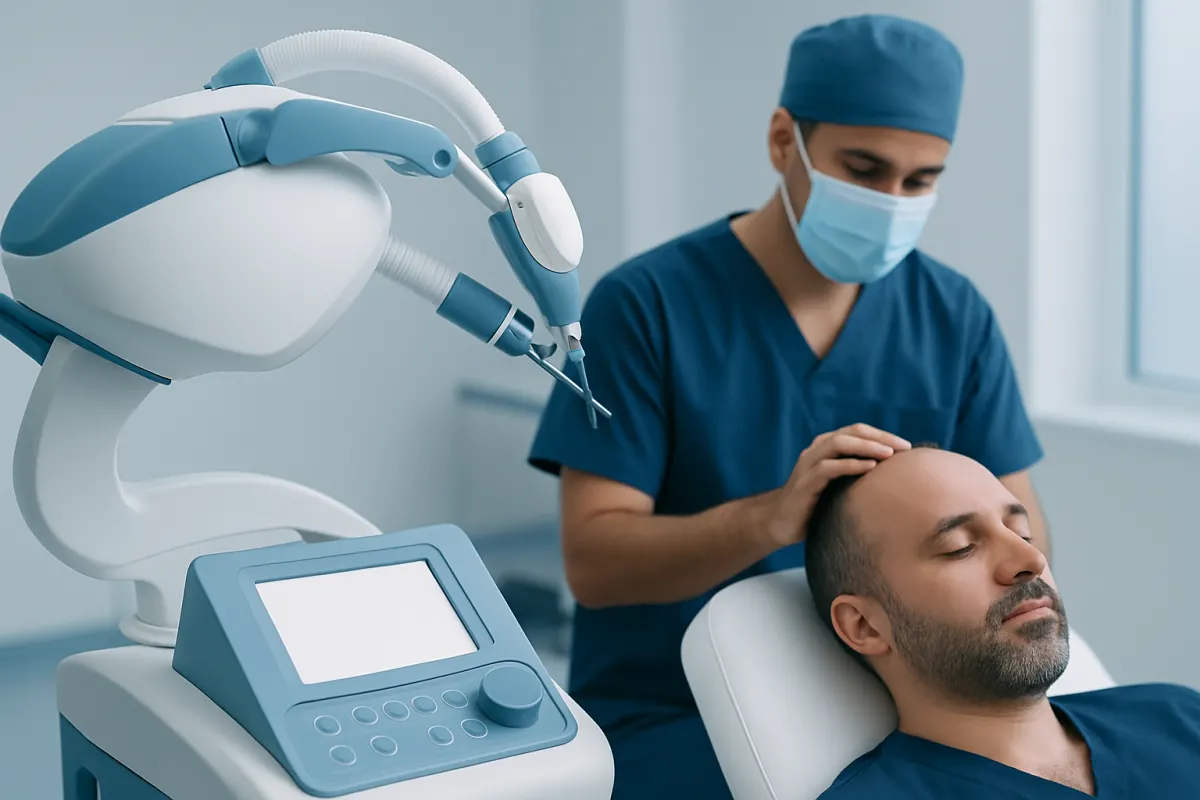
A hair transplant surgeon in Turkey can evaluate whether surgical hair restoration is suitable, design a natural hairline and transplant healthy follicles to thinning areas. The best outcome depends on an accurate diagnosis, realistic planning, a qualified surgical team and careful aftercare rather than location alone.
Overview: choosing a hair transplant surgeon in Turkey
A hair transplant surgeon in Turkey should first determine the cause and pattern of hair loss, assess the donor area and explain whether transplantation is likely to provide a balanced, durable improvement. Hair transplantation is a surgical procedure that moves follicular units—naturally occurring groups of one to several hairs—from a donor area, usually the back or sides of the scalp, to areas with reduced density.
Turkey is a common destination for hair restoration, but a person’s safety and outcome should be guided by the surgeon’s qualifications, the standards of the hospital or clinic, transparent planning and appropriate follow-up. A consultation should include a discussion of expected coverage, future hair loss, possible non-surgical options and the limits of the available donor hair.
Hair transplantation may help people with stable androgenetic alopecia, also called pattern hair loss. It does not stop ongoing hair loss in untreated areas, so some people may benefit from medical treatment or long-term monitoring alongside surgery. Further information about the procedure is available through hair transplant treatment.
Who may be a candidate for hair transplantation?
Suitable candidates generally have a pattern of hair loss that has been assessed by a doctor, sufficient healthy donor hair and realistic expectations about density and hairline design. Men and women can both be candidates. However, the approach differs according to the pattern of thinning, the quality of donor hair, scalp characteristics, age and family history of progressive hair loss.
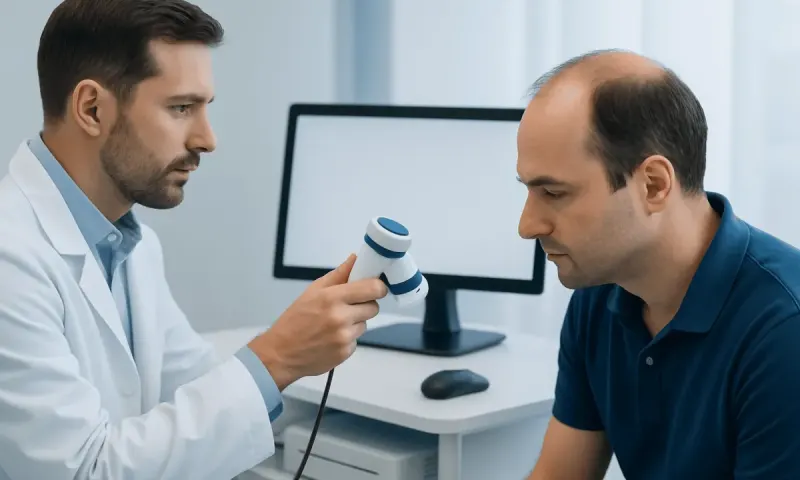
A surgeon may advise waiting or treating the underlying problem first when hair loss is sudden, patchy, associated with scalp inflammation or likely to be temporary. Nutritional deficiencies, thyroid disorders, medication effects, traction, infection and autoimmune conditions can contribute to hair loss. A medical history, scalp examination and, where appropriate, blood tests or dermatology input help clarify the diagnosis.
People who smoke, have uncontrolled diabetes, bleeding disorders, active scalp disease or certain medical conditions may need additional assessment before surgery. It is also important to tell the care team about all medicines, supplements, allergies and previous scalp procedures. The clinician can advise which medications should or should not be adjusted before surgery.
- Good candidates understand that transplanted hair can improve coverage but cannot recreate unlimited density.
- The donor area must be protected; overharvesting can leave visible thinning or scarring.
- A conservative, age-appropriate hairline may better accommodate future hair loss.
How the procedure works, step by step
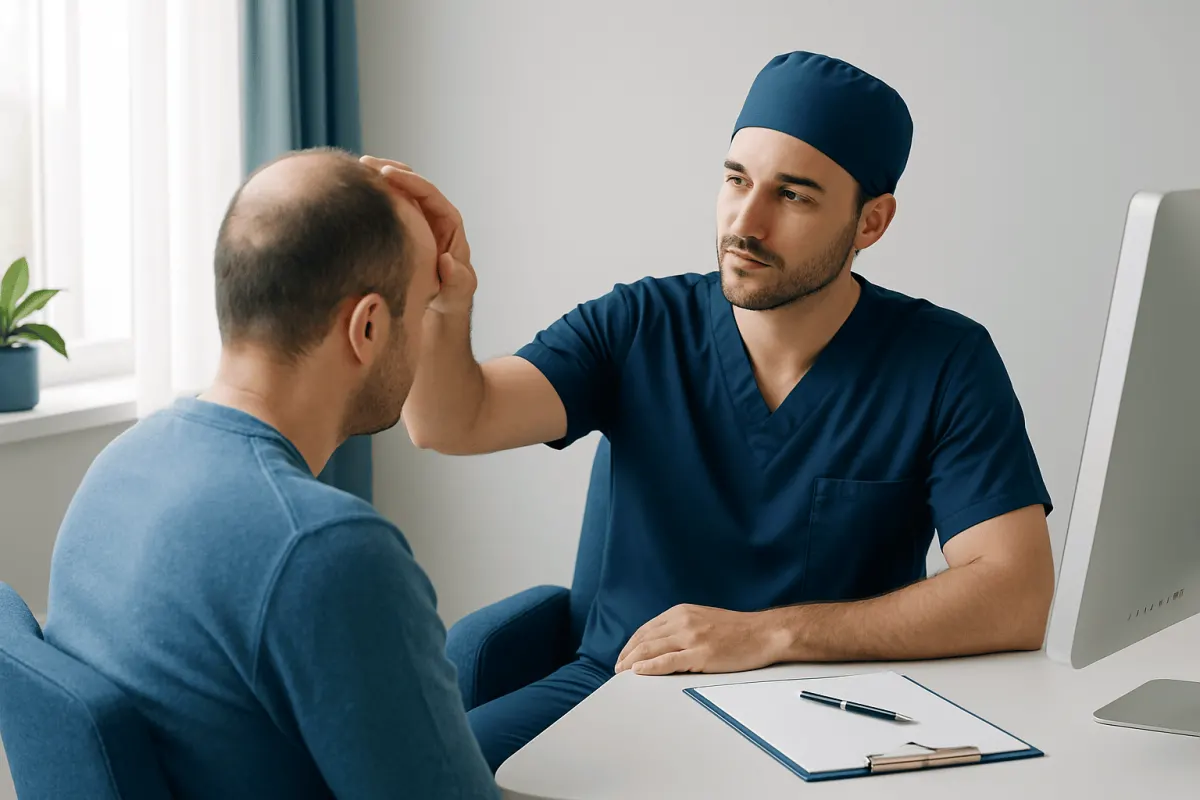
Most modern procedures use follicular unit extraction (FUE) or follicular unit transplantation (FUT). In FUE, individual follicular units are removed from the donor area using a small punch instrument. In FUT, a narrow strip of donor scalp is removed and divided into follicular units under magnification; this method leaves a linear scar. The best technique depends on the individual rather than a universal preference.
Before the procedure, the surgeon confirms the plan, photographs the scalp and marks the proposed hairline and recipient area. Hair may be trimmed or shaved, depending on the technique and planned session. Local anaesthetic is then used to numb the donor and recipient areas. Follicular units are carefully harvested, sorted and kept protected while the surgeon creates tiny recipient sites that determine the angle, direction and distribution of the new hair.
The grafts are placed into these sites with attention to natural growth patterns. Single-hair grafts are often used at the frontal hairline, while grafts containing more hairs may add density behind it. Procedure length varies with the technique, the number of grafts and the complexity of the plan; some larger sessions take most of a day or may be staged.
After surgery, the team provides written aftercare instructions. These commonly cover washing, sleeping position, physical activity, sun exposure, smoking, medication use and when to contact the clinic. A responsible surgical service also explains follow-up arrangements, particularly for international patients who will travel home after treatment.
How long does it take to recover from a Turkey hair transplant?
Recovery after a hair transplant in Turkey is broadly similar to recovery anywhere else because it depends on the surgical method, number of grafts, individual healing and adherence to aftercare. Most people can return to light daily activities within a few days, although visible redness, swelling and crusting can make social downtime closer to one or two weeks.
During the first several days, the grafts need protection from rubbing, pressure and accidental dislodgement. Gentle washing usually begins according to the surgeon’s instructions. Small scabs commonly form and then shed over roughly 7 to 14 days. Donor-area tenderness, numbness or tightness may persist longer, particularly after FUT.
Transplanted hairs commonly shed two to eight weeks after the procedure. This is a normal part of the growth cycle and does not usually mean the follicles have failed. New growth often becomes noticeable around three to four months, with clearer change by six months. Cosmetic maturation commonly takes 9 to 12 months, and crown areas may take 12 to 18 months to reach their fullest visible result.
- Follow the surgeon’s washing and activity guidance precisely during the early healing period.
- Avoid strenuous exercise, swimming and direct sun exposure until the care team confirms it is safe.
- Arrange travel and work plans around early follow-up needs and visible healing.
How painful is a hair transplant in Turkey?
A hair transplant is usually performed under local anaesthetic, so the scalp should be numb during graft harvesting and placement. Many people describe brief discomfort or stinging when the anaesthetic is administered, followed by pressure, pulling or awareness of activity rather than sharp pain during the procedure.
After the anaesthetic wears off, mild to moderate soreness, scalp tightness, swelling or itching can occur for several days. These symptoms are often manageable with the pain relief recommended by the treating clinician. The donor area can be more tender than the recipient area, and FUT may involve more tightness because it includes a linear incision.
Pain experiences vary, and a person should not feel obliged to tolerate significant discomfort. They should tell the surgical team if pain is severe, worsening or associated with increasing redness, heat, discharge or fever. These symptoms require clinical review because they may indicate a complication rather than routine healing.
What is the success rate of hair transplants in Turkey?
There is no single reliable success rate for hair transplants in Turkey or any other country. Published outcomes and clinic claims can differ because “success” may refer to graft survival, visible growth, patient satisfaction, density or the need for further treatment. These measures are not interchangeable, and individual results depend heavily on diagnosis, surgical technique, graft handling, donor quality and post-operative care.
A well-performed transplant can provide long-lasting growth because follicles from the donor zone are often more resistant to pattern hair loss. However, not every graft grows, and transplanted hair may not match the density of natural hair. Native, non-transplanted hair can continue to thin over time, which may change the overall appearance and sometimes lead to consideration of future treatment.
Rather than relying on a promised percentage, patients can ask how the surgeon assesses donor capacity, how many grafts are safely appropriate, who performs each step of the operation and how complications are managed. They can also ask to see appropriately consented, comparable before-and-after results taken in consistent lighting and at a meaningful interval after surgery.
Benefits, risks and realistic results
Potential benefits of hair transplantation include improved coverage in selected thinning areas, a more defined hairline and the ability to cut, style and wash transplanted hair as it grows. Since the patient’s own follicles are used, there is no risk of rejection in the way that can occur with organ transplantation. The result should be designed to look natural both now and if hair loss progresses later.
Like all surgery, hair transplantation has risks. These include bleeding, infection, swelling, temporary numbness, itching, scarring, inflammation of follicles and an unnatural-looking hairline or growth direction. “Shock loss,” or temporary shedding of nearby existing hair, can also occur. Poor graft survival, patchy density and overharvesting of the donor area are additional concerns, particularly if planning or graft handling is inadequate.
A detailed consent discussion should cover alternatives, including observation, hair styling approaches, camouflage products and clinician-prescribed medical therapies when suitable. A person should be cautious about pressure to commit quickly, unrealistically dense hairline designs or statements that a particular graft count will guarantee a result.
Acıbadem Health Point’s multidisciplinary specialists and JCI-accredited hospitals assess and treat hair loss concerns for international patients, with care plans based on individual clinical needs.
How much is 5000 grafts in Turkey?
The cost of 5,000 grafts in Turkey cannot be stated reliably without an individual assessment, and a quoted graft number alone does not indicate whether that number is safe or appropriate. Pricing can vary according to the surgical technique, the professional roles involved, hospital or clinic facilities, anaesthesia, required tests, medications, accommodation, follow-up and whether additional procedures are included.
More importantly, 5,000 grafts is a large session for many people and may not be suitable for every donor area. Graft availability is limited, and removing too many follicles can permanently reduce donor density. The surgeon should explain how graft estimates are calculated and whether the proposed plan protects future options.
Patients benefit from receiving a written, itemised treatment plan that identifies what is included and who is responsible for medical care at each stage. Decisions should be based on safety, surgeon oversight and a conservative long-term plan rather than the lowest price or the highest advertised graft count.
When to seek medical care
A person should seek medical advice before arranging a transplant if hair loss is sudden, patchy, rapidly worsening or accompanied by scaling, pain, itching, pus, redness or scarring. These signs may point to a condition that needs diagnosis and treatment before any cosmetic procedure is considered.
After a transplant, prompt medical review is important for severe or increasing pain, spreading redness, significant swelling that does not improve, fever, persistent bleeding, foul-smelling discharge or concerns that grafts have been traumatised. A patient travelling internationally should know in advance how to contact the operating team and where to obtain urgent care after returning home.
Regular follow-up can help monitor growth, manage ongoing pattern hair loss and discuss whether medical treatment is appropriate to preserve existing hair. A qualified doctor or dermatologist can provide individual guidance based on scalp health, medical history and goals.
Frequently asked questions
01How do I choose a hair transplant surgeon in Turkey?
A person should look for a doctor with appropriate medical registration, relevant experience in hair restoration and clear involvement in consultation, planning and the surgical procedure. It is helpful to ask who will harvest grafts and create recipient sites, what aftercare is provided and how complications are handled. A detailed assessment and realistic discussion are more meaningful than promises of a guaranteed result.
02Is FUE better than FUT for a hair transplant?
Neither method is automatically better for every person. FUE avoids a linear donor scar but may require a larger shaved area and can risk donor thinning if poorly planned. FUT can provide many grafts efficiently in selected candidates but leaves a linear scar, so a surgeon should recommend the method based on the individual’s hair and scalp characteristics.
03Will transplanted hair fall out after surgery?
The visible transplanted hair shafts often shed within the first few weeks after surgery, which is usually expected. The follicles generally remain beneath the skin and enter a resting phase before producing new hair. Noticeable regrowth often begins after several months, while final maturation takes longer.
04Can women have a hair transplant in Turkey?
Women can be candidates for hair transplantation when they have an appropriate diagnosis and a stable donor area. Diffuse thinning can make surgery less suitable, so assessment by a doctor is particularly important. The treatment plan should also consider possible hormonal, nutritional or inflammatory causes of hair loss.
05How many grafts will I need?
The required number of grafts depends on the size of the thinning area, hair thickness, curl, colour contrast, donor supply and desired coverage. A larger number is not always better because donor follicles are limited and must be used strategically. A surgeon should provide an estimate after examining the scalp rather than relying on a standard package.
06Can a hair transplant stop future hair loss?
A transplant redistributes follicles but does not stop pattern hair loss in the non-transplanted hair. Ongoing thinning may affect the appearance around the transplanted area over time. A doctor may discuss medical or non-surgical options that could help preserve existing hair when they are appropriate for the individual.
This article is for general information only and is not a substitute for professional medical advice. Please consult a qualified doctor about your individual situation.
Hair transplant in Turkey — costs, graft counts & a free assessment
JCI-accredited · board-certified surgeons · reply within 24h
Add us as a Preferred Source to see more of our trusted health content across Google Search, AI Overviews and Discover.