Hair Thinning Clinics: Choosing the Right Care
Hair thinning clinics provide medical assessment and tailored treatment for people noticing reduced hair density, widening part lines or increased shedding. Care may include treating an underlying cause, using evidence-based medicines, improving scalp health, or considering hair transplantation when appropriate.
Overview: What Hair Thinning Clinics Do
Hair thinning clinics evaluate hair loss and reduced hair density, identify possible causes, and create a treatment plan based on a person’s scalp health, medical history, pattern of hair loss and goals. A clinic may be led by a dermatologist, hair-restoration physician, plastic surgeon, or a multidisciplinary team. The most appropriate care depends on whether thinning is temporary, medically related, inflammatory, inherited, or due to damage to the hair shaft.
A responsible thinning hair clinic treatment begins with diagnosis rather than a promise of rapid regrowth. Some people need reassurance and monitoring because shedding is temporary. Others may benefit from medication, treatment for scalp disease, nutritional support when a deficiency is confirmed, or a surgical hair-thinning procedure such as transplantation. Clinics should explain likely benefits, limitations, risks, follow-up needs and realistic timelines before treatment begins.
Hair thinning restoration is often a long-term process. The aim may be to reduce shedding, preserve existing follicles, improve coverage, restore a natural-looking hairline, or address the emotional impact of visible hair changes. Results vary because hair growth cycles are slow and because the cause of thinning differs from one person to another.
Assessment and Diagnosis at a Hair Thinning Clinic
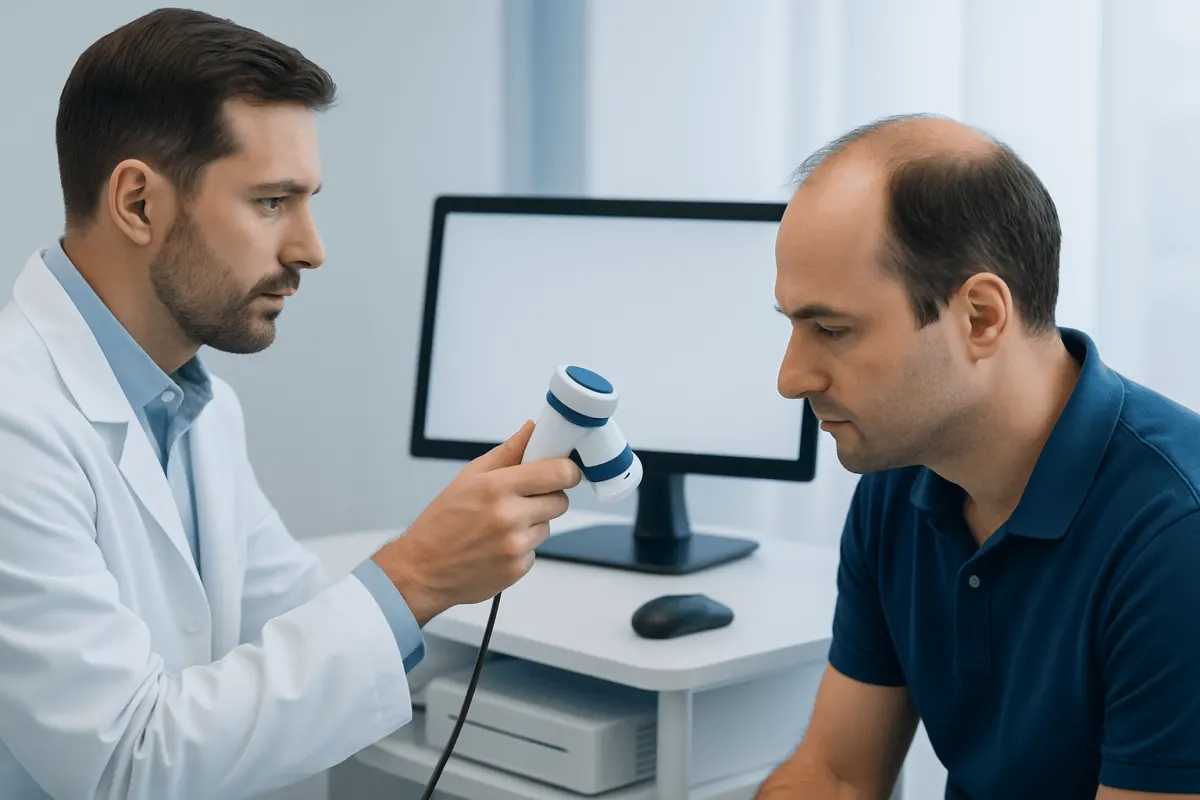
The first appointment commonly includes questions about when thinning began, how quickly it progressed, family history, recent illness, pregnancy, weight change, stress, diet, medicines and hair-care practices. The clinician examines the scalp and hair distribution, looking for patterns such as a widening central part, receding hairline, diffuse shedding or defined patches of loss. Magnified scalp examination, called trichoscopy, can help assess follicles and signs of inflammation.
Blood tests may be considered when symptoms or history suggest a contributing medical issue. Depending on the individual, this can include evaluation for iron deficiency, thyroid disease, nutritional deficiencies or hormonal factors. A scalp biopsy is occasionally recommended when scarring alopecia or another inflammatory condition is suspected. Early diagnosis is particularly important if follicles may be permanently damaged by inflammation.
Pattern hair loss, also called androgenetic alopecia, is among the most common reasons people seek care. It can affect people of all genders and often develops gradually. However, diffuse shedding after illness, surgery, major stress or childbirth may represent telogen effluvium, which is commonly temporary. A clinical evaluation helps distinguish these situations and may identify related conditions such as alopecia areata, an autoimmune form of patchy hair loss.
A clinic may provide photographs and density measurements to document the starting point. This makes it easier to judge change over time. Patients should be cautious about a so-called hair reconstruction program pdf or online package that recommends treatment without an in-person or appropriately supervised medical assessment, particularly when it promotes prescription medicines or procedures without discussing suitability and safety.
Hair Thinning Procedure and Treatment Options

Treatment is guided by the diagnosis. For inherited pattern thinning, topical minoxidil may be recommended for suitable patients to support the growth phase of the hair cycle. Some adults may also be offered prescription medicines that influence hormonal pathways, depending on their sex, medical history, pregnancy potential and risk profile. These medicines require individual clinical guidance because they can have side effects and are not suitable for everyone.
When an underlying problem is found, treating it is central to recovery. This may include correcting a documented nutritional deficiency, managing thyroid disease, adjusting a contributing medication in consultation with the prescriber, or treating dandruff, psoriasis, fungal infection or inflammatory scalp disease. Gentle hair-care practices can also protect fragile hair: avoiding tight styles, frequent bleaching, high heat and harsh chemical processing may reduce breakage, although they do not reverse genetic follicle miniaturization.
Some clinics offer platelet-rich plasma, low-level light devices, microneedling or other adjunctive approaches. Evidence and regulatory status vary by treatment, and results can be variable. Patients should ask what evidence supports an option, whether it is intended as an add-on or primary treatment, how many sessions may be needed, and what side effects or costs are possible. A clinician should not present any therapy as a guaranteed cure.
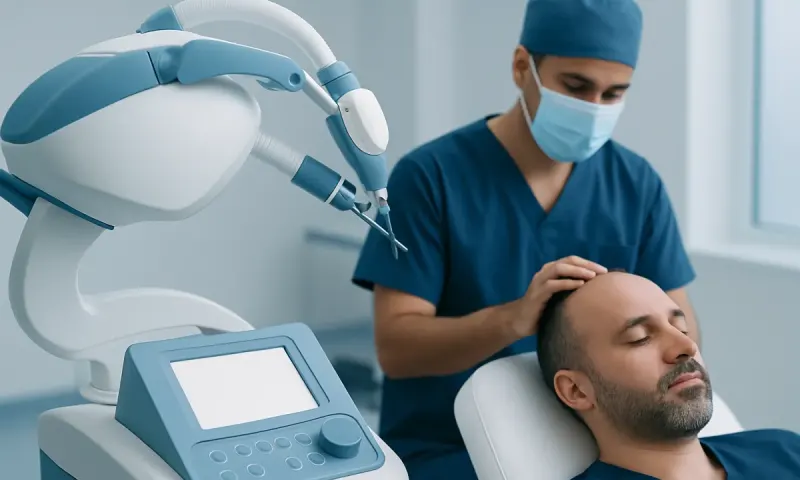
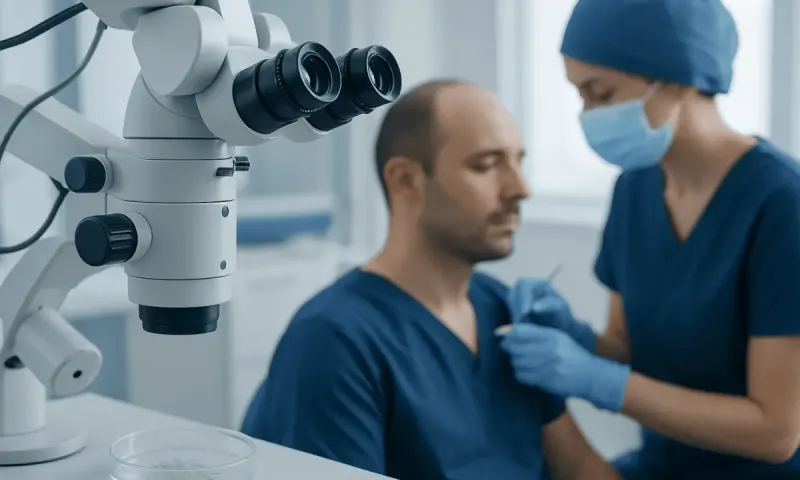
Hair transplantation is a surgical option for selected people with stable donor hair and an appropriate diagnosis. In follicular unit extraction or follicular unit transplantation, follicles are moved from a donor area, usually the back or sides of the scalp, to thinning areas. It is best viewed as redistribution of existing hair, not creation of new follicles. People considering surgery can learn more about hair transplant treatment as part of an informed discussion with a qualified specialist.
How Long Does It Take to Recover From Hair Thinning?
Recovery from hair thinning depends on its cause and the treatment used. With temporary shedding after illness, childbirth, medication changes or significant stress, shedding may settle over several months once the trigger has resolved. Hair density can take longer to appear restored because new hairs grow gradually. When hair follicles remain healthy, meaningful improvement may become noticeable over six to twelve months.
Medical treatment for pattern hair loss also requires patience. A person may notice reduced shedding before visible thickening, and it is common for clinicians to reassess progress after several months using standardized photographs. Continued treatment is often necessary to maintain benefit, because inherited hair thinning can continue if treatment is stopped.
Recovery after hair transplantation has a different timeline. Mild tenderness, swelling, redness or scabbing can occur during the first days to weeks, and transplanted hairs commonly shed before new growth begins. Early new growth may appear around three to four months, while fuller results commonly develop over approximately nine to twelve months. The transplanted follicles may continue to grow, but surrounding non-transplanted hair can still thin over time.
Recovery is not only physical. Hair loss can affect confidence and emotional wellbeing, and people may benefit from supportive counselling, practical styling advice or discussion of camouflage options while treatment takes effect. A clinician can help set realistic goals based on the type of hair loss, available donor hair and expected pace of change.
What Are the Big 3 for Thinning Hair?
The phrase “the big 3” is used online, especially in discussions of male-pattern hair loss, to refer to minoxidil, finasteride and ketoconazole shampoo. It is not an official medical guideline or a universal treatment plan. The usefulness and appropriateness of each option depend on the diagnosis, sex, age, medical history, current medicines and personal preferences.
Minoxidil is commonly used topically for certain forms of pattern hair loss. Finasteride is a prescription medicine used in some adults, most often men, and requires discussion of potential adverse effects and reproductive safety considerations. Ketoconazole shampoo may help people with dandruff or seborrheic dermatitis and can improve scalp comfort; however, it should not be assumed to replace medical treatments for pattern hair loss.
People should avoid starting a combination simply because it is popular on social media. For example, finasteride is not appropriate during pregnancy and may not be appropriate for everyone else either. A hair thinning clinic can explain which treatments have evidence for a person’s specific condition, how to use them safely, and when to review response or side effects.
Healthy daily habits support hair and scalp health but cannot independently reverse all hair loss. Eating a varied diet with adequate protein and essential nutrients, sleeping well, avoiding smoking and treating scalp irritation are sensible measures. Supplements should be used only when there is a clear dietary need or confirmed deficiency, since excess intake of some nutrients can be harmful.
What Did Elon Musk Use to Regrow Hair?
Public discussions often speculate that Elon Musk had hair transplantation because his hairline and density appeared different in photographs over time. However, he has not publicly provided a verified, detailed medical account of any diagnosis or treatment. It is therefore not possible to state with confidence what he used or whether he had a specific procedure.
Celebrity photographs cannot diagnose hair loss or prove the effectiveness of a treatment. Lighting, hairstyle, hair fibers, medication, cosmetic procedures and natural changes in appearance can all affect how hair looks. A person considering treatment should base decisions on a medical assessment and evidence, not on claims tied to a public figure.
For people with suitable inherited hair loss, transplantation can improve visible density in selected areas, while medical therapy may help protect existing hair. The best approach varies greatly. A clinician can discuss whether non-surgical treatment, a future transplant, or both may be appropriate after evaluating scalp and donor-area characteristics.
What Did Matthew McConaughey Do to Regrow Hair?
Matthew McConaughey has publicly spoken about using a topical product for his hair and has not presented a standard medical protocol that can be verified or applied to others. Claims about celebrity hair regrowth should be interpreted carefully. Personal reports are not the same as controlled clinical evidence, and the original cause of a person’s thinning is often unknown.
Hair can appear thicker for many reasons, including a change in styling, reduced inflammation, recovery from temporary shedding, use of medical treatment or surgical restoration. An individual’s response to a product does not predict another person’s outcome. Products marketed as natural, hormone-free or celebrity-endorsed may still lack strong evidence for restoring hair in pattern loss.
Clinicians can help patients distinguish cosmetic products from treatments supported by medical evidence. If a product is being considered, it is reasonable to ask whether it has been studied for the relevant type of hair loss, whether it can irritate the scalp, and whether it could delay treatment for a reversible medical cause.
When to Seek Medical Care
Medical assessment is advisable when hair loss is sudden, rapidly worsening, patchy, painful, itchy, associated with scaling or redness, or accompanied by eyebrow or body-hair loss. These features can suggest an inflammatory, autoimmune, infectious or other condition that benefits from early evaluation. A person should also seek advice if thinning starts after a new medicine, a significant illness, a major dietary change or unexplained weight loss.
People with gradual thinning can also benefit from seeking care early, especially if there is a strong family history or the change is causing distress. Earlier treatment may help preserve follicles in some forms of pattern hair loss. A qualified clinician can explain expected outcomes without overpromising and can advise whether referral to a dermatologist, endocrinologist or hair-restoration surgeon is needed.
Before an appointment, patients may find it useful to note when symptoms began, any triggers, current medicines and supplements, hair-care practices, and family history. Bringing previous laboratory results or taking consistent photographs can also help track change. Acıbadem Health Point’s multidisciplinary specialists and JCI-accredited hospitals can assess and treat hair and scalp concerns for international patients when specialist care is needed.
Frequently asked questions
01What happens at a hair thinning clinic appointment?
The clinician reviews the pattern and timing of hair loss, health history, medicines, family history and hair-care practices. They examine the scalp and may recommend blood tests, scalp imaging or, less commonly, a biopsy. The treatment plan should be based on the identified cause and should include realistic expectations.
02Can thinning hair grow back?
It can grow back when the cause is temporary and the follicles are still healthy, such as after some illnesses, stressors or nutritional deficiencies. In inherited pattern hair loss, treatment may slow progression and improve density, but long-term management is often needed. Scarring forms of hair loss may cause permanent loss if follicles are destroyed, so early assessment is important.
03Is hair transplantation suitable for everyone with thinning hair?
No. Suitability depends on the diagnosis, stability of hair loss, quality and amount of donor hair, scalp condition and expectations. Transplantation does not stop ongoing thinning in the surrounding native hair. A specialist should assess whether medical treatment should be used before or alongside surgery.
04Are hair supplements effective for hair thinning?
Supplements may help if testing or dietary assessment identifies a deficiency, but they are not a proven universal treatment for hair loss. Taking high doses without a medical reason can be unnecessary or harmful. A balanced diet and treatment of the underlying cause are generally more important than routine supplementation.
05How soon will minoxidil show results for thinning hair?
Visible improvement usually takes several months because hair growth is slow. Some people notice temporary increased shedding early in treatment, which should be discussed with a clinician if it is concerning or persistent. Continued use is generally needed to maintain benefit when it is used for pattern hair loss.
06Should a person stop using hair products before a clinic visit?
It is helpful to arrive with the scalp reasonably clean and to tell the clinician about dyes, extensions, relaxers, heat styling products and any scalp treatments used. There is usually no need to stop prescribed treatment unless the clinician advises it. If a scalp biopsy or procedure is planned, the clinic will provide specific preparation instructions.
This article is for general information only and is not a substitute for professional medical advice. Please consult a qualified doctor about your individual situation.
Hair transplant in Turkey — costs, graft counts & a free assessment
JCI-accredited · board-certified surgeons · reply within 24h
Add us as a Preferred Source to see more of our trusted health content across Google Search, AI Overviews and Discover.