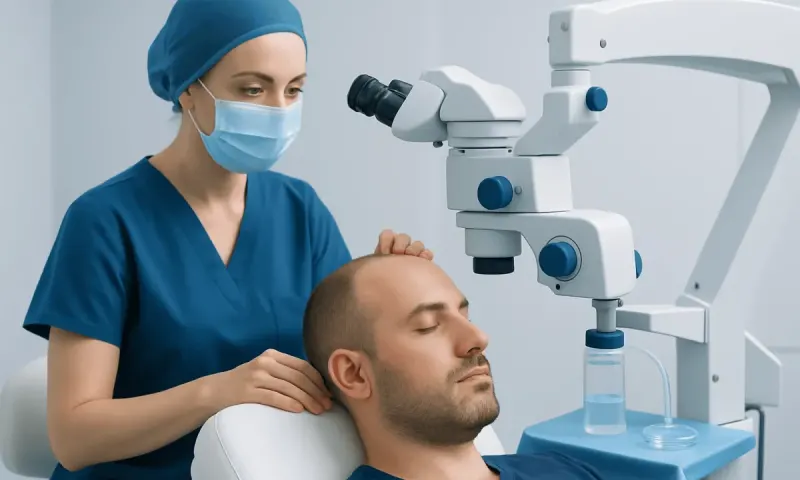
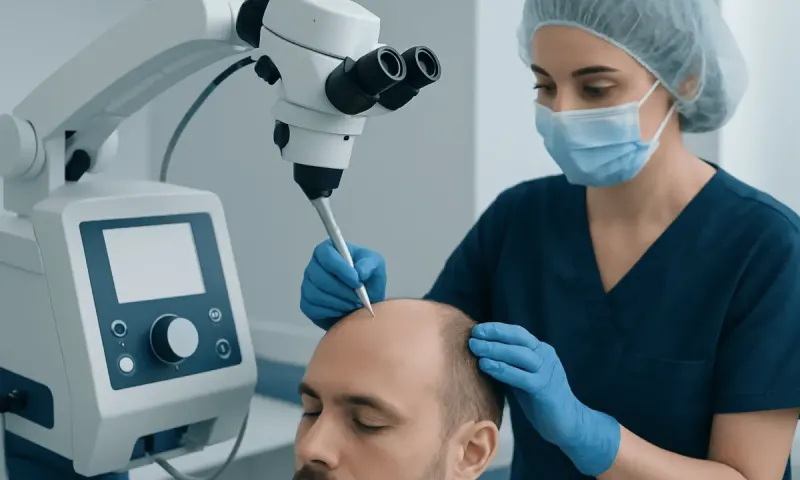
Hair Transplant Repair: Correcting Unsatisfactory Results

Hair transplant repair is a customized approach used to improve or correct results that look unnatural, heal poorly, or do not provide the expected growth. Treatment depends on the original procedure, scalp health, donor hair supply, and the person’s long-term hair loss pattern.
Overview of Hair Transplant Repair
Hair transplant repair refers to a group of treatments designed to improve unsatisfactory results from a previous hair restoration procedure. The goal is not simply to add more hair. In many cases, repair focuses on creating a more natural appearance, improving density placement, softening an artificial hairline, reducing visible scars, or correcting patchy growth.
Unsatisfactory results can happen for different reasons. The original plan may not have matched the person’s hair characteristics, age, facial proportions, or likely future hair loss. In other situations, grafts may not survive well, placement angles may look unnatural, or donor hair may have been overharvested. Because every case is different, repair requires a careful, individualized strategy.
Hair transplant repair is often more complex than a first-time transplant. The scalp may contain scar tissue, the donor area may be limited, and the surgeon must work around existing grafts. For this reason, a realistic discussion about what can be improved, what may need more than one stage, and what results are achievable is an important part of planning.
What Problems Can Hair Transplant Repair Correct?
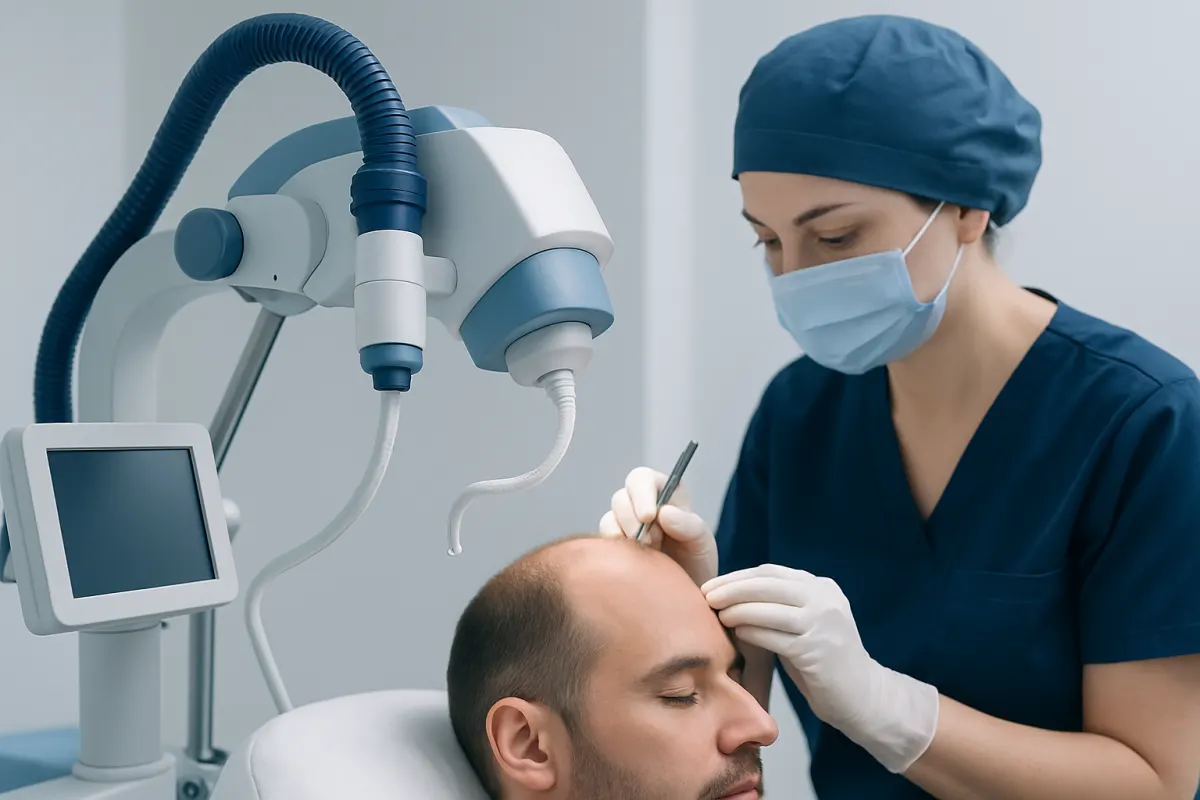
Repair procedures can help with a wide range of concerns. Some people are unhappy because the hairline is too low, too straight, too dense in the wrong places, or made with thick grafts that look obvious. Others have a transplanted area that appears patchy, sparse, or uneven, especially under bright light or when the hair is worn short.
Another common issue is visible scarring. This may involve a linear scar after strip harvesting or dot-like changes after excessive follicle extraction. In some cases, the donor area looks thinned because too many grafts were taken from a small region. Repair may also be needed if the scalp developed healing problems or if ongoing hair loss made the original transplant look disconnected from surrounding hair.
Examples of concerns that may be addressed include:
- Unnatural or poorly designed hairline
- Incorrect graft angle or direction
- Poor graft survival or low density
- Visible donor or recipient area scars
- Cobblestoning, pitting, or uneven surface texture
- Overharvested donor area
- Transplanted hair that no longer matches surrounding loss patterns
Sometimes the problem is not the transplant itself but an underlying scalp or hair condition. Conditions such as alopecia areata or inflammatory skin disorders may affect hair growth and should be identified before any repair is planned.
Why Unsatisfactory Results Happen
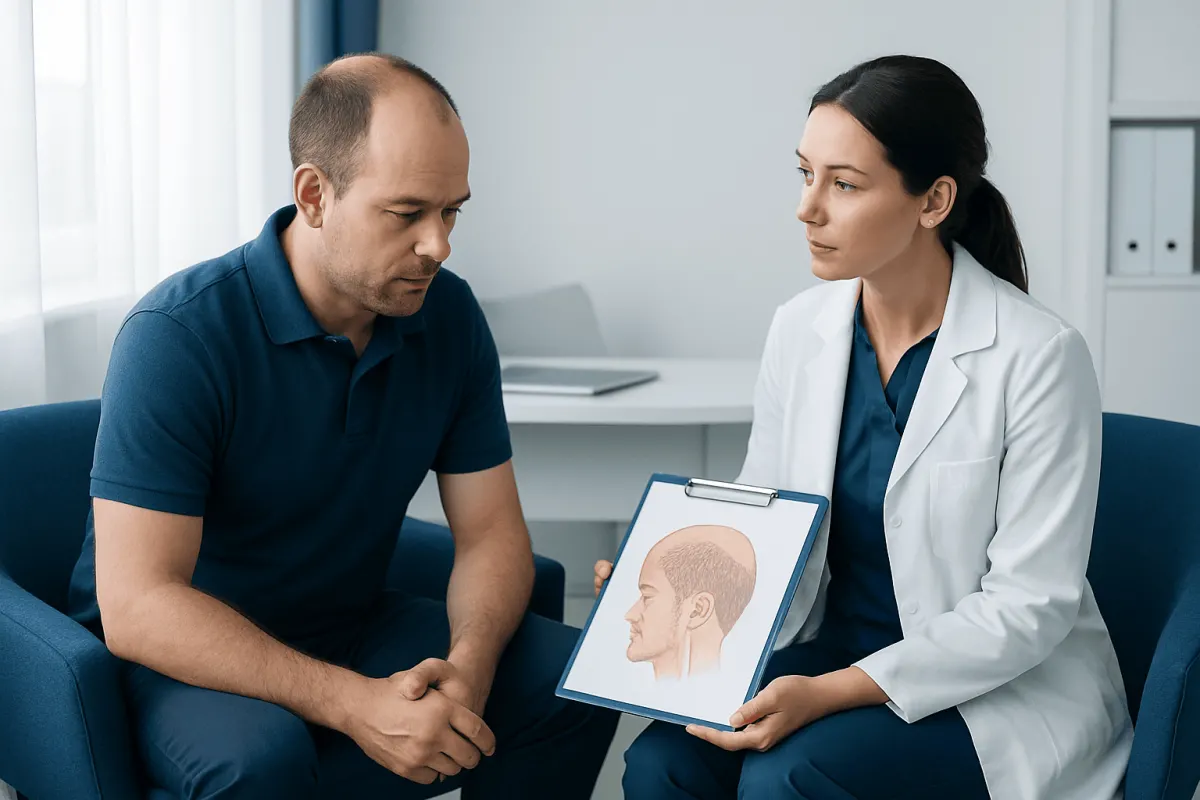
Hair transplant outcomes depend on many factors, including surgical technique, graft handling, hairline design, donor management, healing, and the patient’s natural pattern of hair loss. A result may look unsatisfactory if too many large grafts were placed at the front, if the angles do not follow the natural direction of hair, or if density was concentrated in a way that looks artificial.
Poor growth can occur when grafts are damaged during extraction or placement, when blood supply is limited, or when aftercare and scalp health interfere with healing. Previous procedures done without a long-term plan may also become less natural over time as native hair continues to thin. This is particularly important in younger patients, whose future hair loss pattern may not yet be fully clear.
Scalp health matters as well. Active dandruff-like inflammation, infection, or skin disease can affect healing and hair quality. People with a tendency to prominent scars or with conditions such as keloid may need special assessment before additional procedures. A thorough review of past surgeries, medications, and any dermatologic conditions helps guide safer correction.
How Doctors Assess a Repair Case
The first step is a detailed consultation with examination of both the recipient and donor areas. The specialist typically reviews the original procedure, number of grafts used, the technique performed, healing history, and whether medical treatment for ongoing hair loss has been used. Photographs and close scalp examination help identify design issues, scarring, and donor limitations.
Doctors also assess hair shaft thickness, curl, color contrast between hair and scalp, and overall scalp laxity or elasticity. These details matter because they affect how much visual coverage is possible. In repair work, donor hair is a valuable resource, so planning must be especially careful. If donor supply is limited, the strategy may focus on camouflage and natural framing rather than maximum density everywhere.
In some cases, the doctor may recommend waiting before corrective surgery. It can take many months for a transplant to fully mature, redness to settle, and scar tissue to soften. If there is active scalp disease, treatment comes first. For example, inflammatory scalp conditions or irritation need to be controlled before considering further surgery, and disorders such as seborrheic dermatitis may need management to support healthier healing.
Treatment Options for Hair Transplant Repair
Repair treatment depends on the exact problem. If the main issue is low density or patchy growth, additional transplantation may be used to improve coverage, often with refined graft placement and a more natural distribution. Modern methods such as FUE hair transplant or DHI hair transplant may be considered when suitable, especially if the aim is precise placement in scarred or previously transplanted areas.
If the hairline looks unnatural, correction may involve softening it with carefully selected single-hair grafts, changing the transition zone, or in some cases removing poorly placed grafts. Graft removal can be done selectively when thick or misdirected hairs create an obvious appearance. Scar revision may involve re-excision in selected linear scars, transplanting grafts into scars, or combining surgery with camouflage methods.
Not all solutions are surgical. Scalp micropigmentation can reduce the contrast between scalp and hair, helping donor scars or areas of low density look less noticeable. Some patients also benefit from non-surgical hair restoration approaches to support remaining hair and improve the overall result. A full plan may be staged over time, especially when donor supply is limited or multiple concerns need to be addressed carefully.
For people seeking specialized correction, hair transplant repair is typically planned by a team familiar with complex revision cases. The best approach balances aesthetics, scalp safety, and preservation of donor hair for the future.
Recovery, Expectations, and Self-Care
Recovery after repair depends on the method used. Minor graft refinement or camouflage treatments may involve relatively short downtime, while scar revision or larger corrective sessions may require a longer healing period. Temporary redness, swelling, small crusts, and mild tenderness are common after many hair restoration procedures, but exact recovery varies by person and technique.
Patience is important. Transplanted hairs often shed before new growth begins, and final cosmetic improvement usually develops gradually over months. Scar remodeling also takes time. Because repair cases are more complex, improvements may be meaningful but not always perfect. A natural-looking result and better visual balance are often the main goals.
Self-care usually includes gentle scalp handling, following washing instructions, avoiding trauma to grafts, protecting the scalp from strong sun exposure, and using any prescribed medications as directed. People should also continue discussing long-term hair loss management with their doctor. Stabilizing ongoing thinning can be just as important as correcting the earlier procedure.
When to See a Doctor and Choosing the Right Specialist
A person should consider a professional evaluation if a previous hair transplant looks unnatural, remains very sparse after an adequate healing period, leaves obvious scarring, or causes ongoing concern about appearance. Medical review is also important if there is persistent pain, inflammation, recurrent infection, or sudden shedding outside the expected post-procedure pattern.
Choosing the right specialist matters greatly in revision work. Hair transplant repair requires not only technical skill but also judgment about restraint, donor preservation, and long-term planning. An experienced team can explain which issues are fixable, which may need staged correction, and whether surgery or camouflage is the better choice. Clear communication and realistic expectations help patients make informed decisions.
Near the end of the decision process, some people seek care at centers with dermatology, plastic surgery, and hair restoration expertise in one place. Acıbadem Health Point’s multidisciplinary specialists and JCI-accredited hospitals evaluate and treat hair transplant repair cases for international patients when further assessment or treatment is needed.
Frequently asked questions
01Can a bad hair transplant be fixed?
Many unsatisfactory hair transplant results can be improved, although the exact approach depends on the problem. Repair may involve adding grafts, revising the hairline, reducing visible scars, removing misplaced grafts, or using camouflage techniques. A specialist can explain what level of improvement is realistic.
02How long should someone wait before hair transplant repair?
In many cases, doctors recommend waiting until the original transplant has fully matured, which can take several months. This allows hair growth, redness, and scar changes to settle so the true result can be judged more accurately. However, signs of infection, persistent inflammation, or significant healing problems should be assessed sooner.
03What causes an unnatural hairline after a transplant?
An unnatural hairline may result from poor design, placing the hairline too low or too straight, using thick grafts at the front, or incorrect angles and directions. Future hair loss can also make an older design look less balanced over time. Repair usually focuses on creating a softer, more natural transition.
04Is hair transplant repair more difficult than a first transplant?
Yes, repair is often more complex because there may be scar tissue, existing grafts, and limited donor hair remaining. The doctor must improve appearance while preserving as much donor supply as possible. This is why revision procedures usually require especially careful planning.
05Can scars from a previous hair transplant be improved?
Yes, many scars can be improved, though not always completely erased. Options may include transplanting hair into a scar, surgical scar revision in selected cases, or camouflage methods such as scalp micropigmentation. The best option depends on scar type, size, location, and scalp condition.
06Will a repair procedure guarantee full density?
No responsible specialist can guarantee full density, especially in revision cases. The result depends on donor hair quality, scalp condition, the extent of previous surgery, and the person’s ongoing hair loss pattern. The usual goal is a more natural and balanced appearance rather than perfection.
This article is for general information only and is not a substitute for professional medical advice. Please consult a qualified doctor about your individual situation.
Hair transplant in Turkey — costs, graft counts & a free assessment
JCI-accredited · board-certified surgeons · reply within 24h
Add us as a Preferred Source to see more of our trusted health content across Google Search, AI Overviews and Discover.