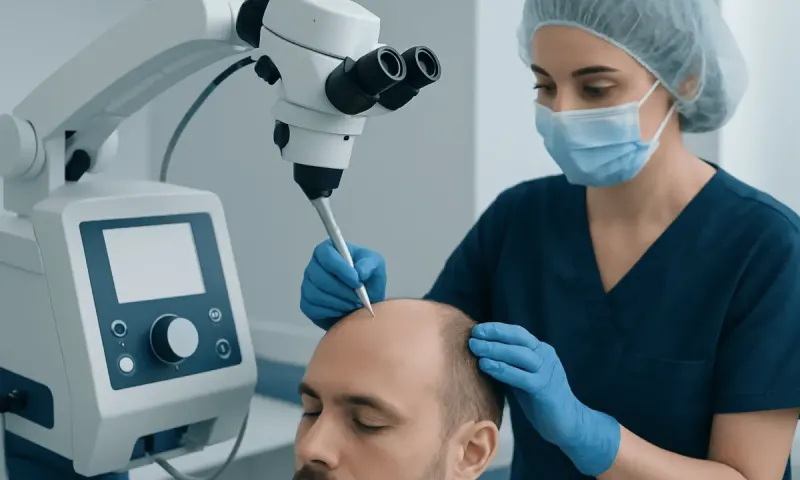
Hair Graft Turkey: From Transplant to New Growth
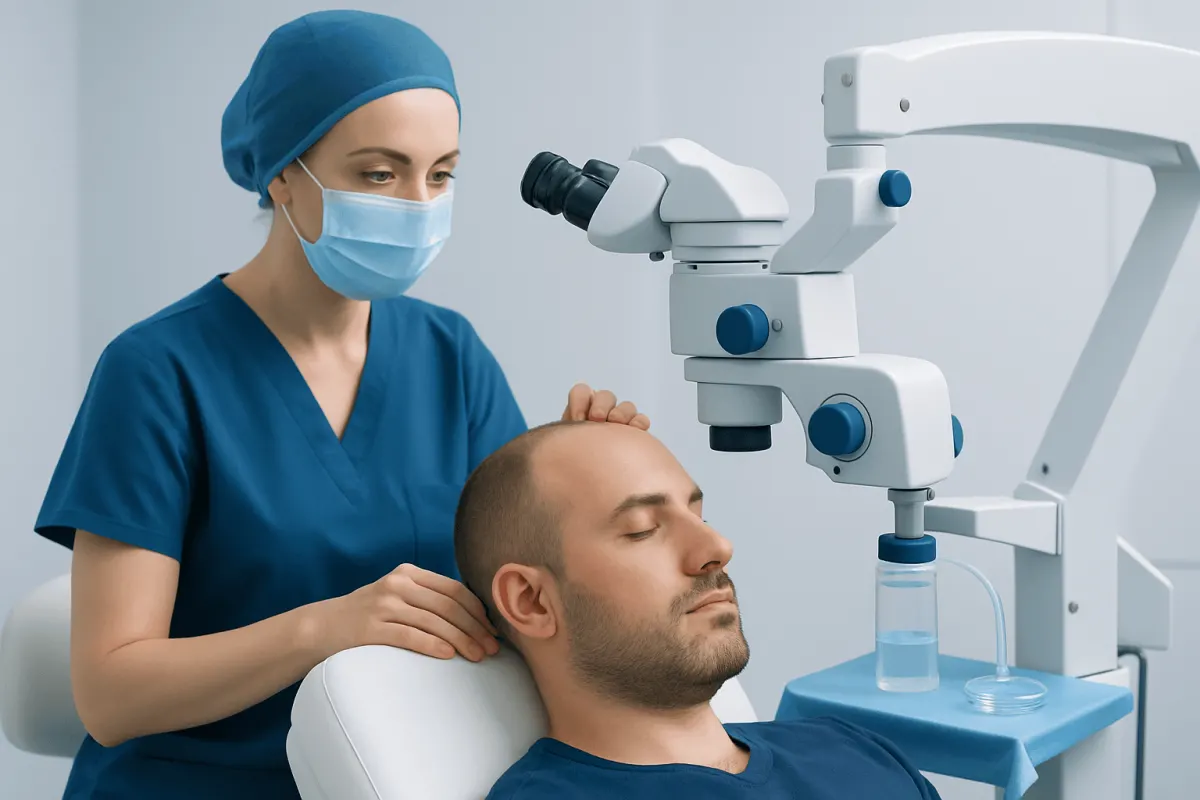
Hair graft Turkey refers to hair transplantation performed in Türkiye, usually by moving healthy hair follicles from a donor area to thinning or bald areas. Results develop gradually, and safe outcomes depend on appropriate candidacy, careful surgical planning, qualified clinical care and realistic expectations.
Hair Graft Turkey: What It Means
A hair graft Turkey procedure is a hair transplant performed in Türkiye, in which a surgeon transfers a person’s own hair follicles from a fuller donor area—usually the back or sides of the scalp—to areas affected by thinning or baldness. The transplanted follicles can continue producing hair in their new location, but the visible result develops slowly over several months rather than immediately.
A graft is not always a single hair. It is a small, naturally occurring unit of skin containing one to several hair follicles. Planning the number, placement and direction of grafts is central to creating a natural-looking hairline and improving coverage while protecting the limited donor supply.
Hair transplantation is most often considered for pattern hair loss, which may affect men and women. It may also be considered in selected cases of stable hair loss from injury, burns or certain scalp conditions. A specialist assessment is essential because active inflammatory scalp disease or a temporary cause of shedding may need medical treatment rather than surgery.
How Hair Grafting Works and Who May Be Suitable
Hair transplantation redistributes existing hair; it does not create new follicles or cure the process causing hair loss. The donor hairs are genetically more resistant to the effects of androgen-related thinning in many people, which is why scalp hair from the back and sides is commonly used. However, the degree of long-term retention varies between individuals.
A suitable candidate generally has a stable or reasonably predictable pattern of hair loss, enough donor hair, a healthy scalp and realistic expectations. Age alone does not determine eligibility. In younger adults, clinicians take particular care with hairline design because hair loss may continue over time and donor hair must be used conservatively.
The consultation should include a review of medical history, medications, family history and previous procedures. The clinician examines the scalp and donor area and may discuss medical options for hair loss before or alongside transplantation. Conditions such as iron deficiency, thyroid disease, autoimmune hair loss, traction alopecia or scalp infection may require investigation and treatment first.
- Follicular unit extraction (FUE): individual follicular units are removed through tiny circular incisions.
- Follicular unit transplantation (FUT): a narrow strip of donor scalp is removed, then divided into grafts; this leaves a linear donor scar.
- Implantation planning: grafts are placed into carefully made recipient sites at angles intended to match natural hair growth.
Step by Step: The Hair Graft Procedure

Before the procedure, the team confirms the treatment plan, photographs the scalp and marks the proposed hairline or areas for coverage. Hair may be trimmed or shaved depending on the technique and the extent of treatment. The clinician reviews consent, expected recovery and instructions for medicines, smoking and scalp care.
The procedure is commonly carried out under local anaesthesia, sometimes with additional medication to help the patient relax when clinically appropriate. During FUE, the surgical team removes follicular units one by one from the donor area. During FUT, a donor strip is removed and the wound is closed, while trained staff prepare the grafts under magnification.
The surgeon then creates recipient sites in the thinning area. Their distribution, depth, angle and direction influence density and the way the hair sits. Grafts are placed into these sites with delicate instruments. Larger sessions can take several hours, and some people need more than one session depending on the available donor hair and the area being treated.
For people considering travel, it is important to allow time for an in-person clinical evaluation, the procedure and early aftercare. Hair transplant treatment should be provided within a medically supervised plan, with clear instructions for follow-up after the patient returns home.
Recovery Timeline and Aftercare
In the first few days, mild soreness, tightness, swelling and small scabs around the implanted grafts are common. The donor area may also feel tender. The treating team provides individual instructions on gentle washing, sleeping position, activity and when to restart usual hair care. It is important not to scratch, rub or pick at the grafted area.
Many people return to light daily activities within several days, although appearance-related recovery may take longer because redness and crusting can be visible. Strenuous exercise, swimming, direct sun exposure and activities that could cause rubbing or trauma to the scalp are usually avoided for a period advised by the clinician.
Transplanted hairs often shed within the first few weeks. This is a normal phase sometimes called shock shedding; the follicles remain beneath the skin and can begin a new growth cycle later. Early new growth may be noticed after several months, with progressive thickening thereafter. A more mature result is often assessed at around 12 months, and crown areas can take longer.
Existing, non-transplanted hair may continue to thin. Depending on the cause of hair loss and the person’s health, a clinician may discuss medicines or other evidence-based measures to help preserve native hair. Follow-up appointments are useful for monitoring healing and reviewing longer-term hair-loss management.
Benefits, Limitations and Possible Risks
The main potential benefit of hair grafting is improved coverage using a person’s own growing hair. When planned carefully, it can produce a natural-looking change in hairline shape or density. The result is influenced by hair texture, colour contrast between hair and skin, curl pattern, donor density, the extent of hair loss and continued hair thinning over time.
There are limitations. Donor hair is finite, and transplanting too many grafts too early can leave insufficient hair for future needs. A transplant may improve the appearance of thinning but cannot necessarily restore the density present before hair loss. Some people may need additional treatment sessions, while others may be better served by medical therapy, cosmetic camouflage or accepting their natural hair pattern.
As with any surgical procedure, risks include bleeding, infection, prolonged redness, swelling, temporary numbness, folliculitis, scarring and uneven growth. Poor graft survival, an unnatural hairline, visible donor scarring or temporary shedding of surrounding native hair can also occur. Risks may be greater when procedures are performed without appropriate assessment, sterile standards or experienced medical oversight.
People should seek a clinic that gives balanced information about benefits and limitations, identifies who will perform each stage of care and provides a route for follow-up. Acıbadem Health Point’s multidisciplinary specialists and JCI-accredited hospitals diagnose and treat hair-loss concerns for international patients, including assessment for appropriate hair-restoration options.
Preparing for Treatment and Supporting Scalp Health
Preparation begins with an honest discussion of goals. Bringing photographs showing the progression of hair loss and a list of medications, supplements and previous treatments can help the clinician plan safely. People should disclose allergies, bleeding problems, smoking or nicotine use, diabetes, skin conditions and any previous scalp surgery.
The medical team may advise changes to certain medicines or supplements before surgery, but no one should stop prescribed treatment without guidance from the prescribing clinician. Avoiding smoking and nicotine as advised can support wound healing. Following instructions about alcohol, scalp products and meals before the procedure is also important.
After surgery, gentle cleansing and careful protection of the grafts support healing. A balanced diet, good sleep and management of chronic medical conditions may also benefit overall recovery, although no supplement can guarantee graft growth. Products marketed as cures for baldness should be approached cautiously, especially if they lack evidence or have not been discussed with a qualified clinician.
Long-term scalp health includes identifying treatable causes of shedding early. Persistent dandruff, itch, scaling, painful bumps or sudden hair loss should be assessed rather than covered with cosmetic products alone.
When to Seek Medical Care
A person should arrange a medical assessment before pursuing hair grafting if hair loss is sudden, patchy, accompanied by scalp pain, redness, scaling or itching, or associated with fatigue, weight change, menstrual changes or other symptoms of illness. These signs can indicate conditions that need diagnosis and treatment before transplantation is considered.
After a hair transplant, the treating clinic should be contacted promptly for increasing pain, spreading redness, pus-like drainage, fever, persistent bleeding or swelling that worsens rather than improves. Urgent medical care is appropriate for signs of a severe allergic reaction, such as trouble breathing or swelling of the face or throat.
Those who have travelled for treatment should have clear written aftercare instructions and a plan for local medical support if concerns arise after returning home. Routine follow-up helps the clinical team assess healing, discuss normal shedding and decide whether ongoing hair-loss treatment is appropriate.
Frequently asked questions
01What is a hair graft?
A hair graft is a small unit of skin containing one or more hair follicles. During a hair transplant, grafts are removed from a donor area and implanted into areas of thinning or hair loss.
02How long does a hair graft procedure take?
The duration depends on the number of grafts, the technique used and the complexity of the treatment plan. Smaller procedures may take several hours, while larger sessions can last most of a day or be planned across more than one session.
03When will hair transplant results be visible?
The implanted hairs commonly shed during the first weeks, which is expected. New growth usually starts gradually after several months, and the result becomes clearer over the following months; a mature outcome may take about a year or longer.
04Is a hair graft procedure painful?
Local anaesthesia is generally used to numb the donor and recipient areas during the procedure. Some discomfort, tightness or tenderness can occur afterward, but the treating team can advise on suitable pain relief and aftercare.
05Can transplanted hair fall out again?
Temporary shedding of transplanted hair soon after surgery is common and does not necessarily mean the follicles have failed. Transplanted follicles may be relatively resistant to pattern hair loss, but outcomes vary, and the person’s original hair can still continue to thin.
06Is FUE better than FUT for hair transplantation?
Neither technique is automatically best for every person. FUE avoids a linear scar but requires individual extraction, while FUT can provide a large number of grafts in selected candidates and leaves a linear scar; a qualified clinician can explain which option fits the scalp, donor supply and goals.
This article is for general information only and is not a substitute for professional medical advice. Please consult a qualified doctor about your individual situation.
Hair transplant in Turkey — costs, graft counts & a free assessment
JCI-accredited · board-certified surgeons · reply within 24h
Add us as a Preferred Source to see more of our trusted health content across Google Search, AI Overviews and Discover.