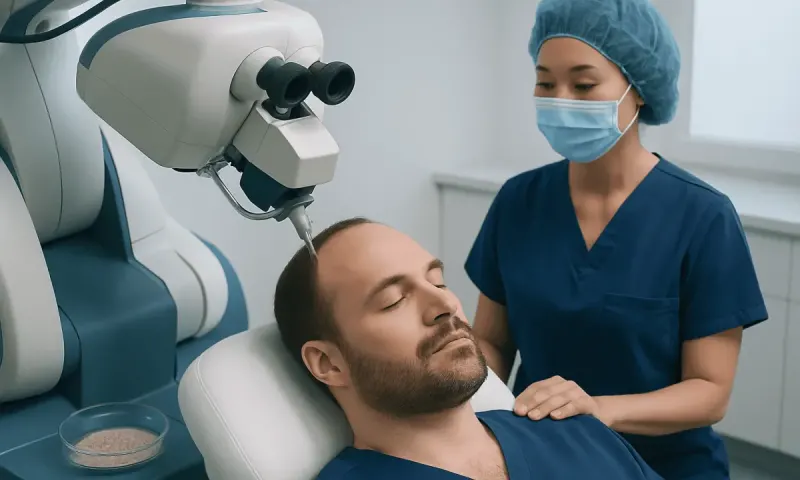
Hair Transplant Prices in Istanbul: What Affects Cost?
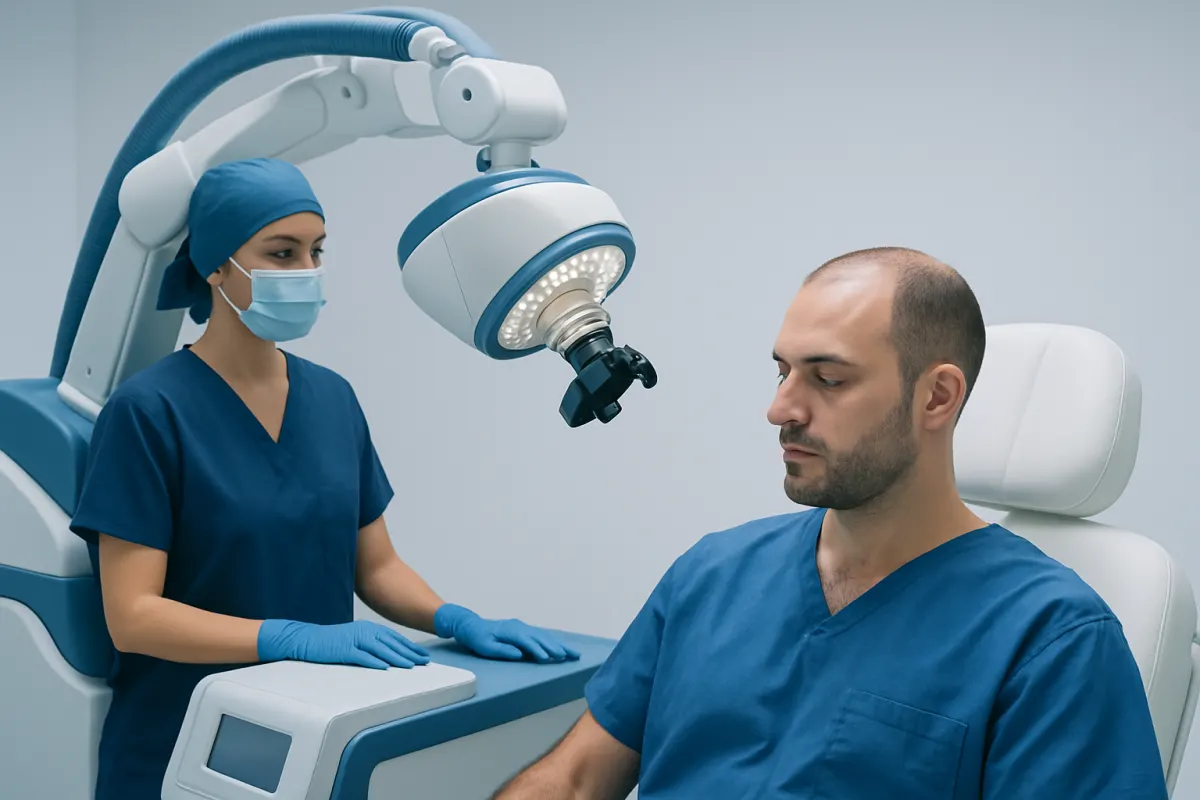
Hair transplant Istanbul price cannot be reliably quoted as one standard figure because treatment plans vary by hair-loss pattern, donor supply, graft number, surgical technique and the level of clinical care included. Patients should compare transparent, individualized treatment plans rather than choosing a provider on price alone.
Hair Transplant Istanbul Price: What Patients Should Expect
Hair transplant Istanbul price varies widely because hair restoration is not a one-size-fits-all procedure. A meaningful estimate depends on the extent and pattern of hair loss, the available donor hair, the number and type of grafts needed, the chosen technique, the medical team involved, and what is included before and after surgery. For this reason, a clinic should provide a written, individualized plan after assessing the scalp and medical history.
When comparing options in Istanbul or elsewhere, patients should look beyond an advertised package figure. It is important to ask who performs each stage of the procedure, whether a qualified physician examines and designs the hairline, how complications and follow-up are handled, and whether medications, laboratory tests, accommodation, transfers or aftercare products are included. The lowest initial quote may not reflect the same standard of clinical supervision or continuity of care.
Hair transplantation is most often used for pattern hair loss, a gradual condition influenced by genetics and hormones. Before proceeding, clinicians should confirm that hair loss is stable enough for surgery and rule out potentially reversible causes such as nutritional deficiency, thyroid disease, certain medications, scalp inflammation or sudden stress-related shedding.
How Hair Transplantation Works
Hair transplantation redistributes healthy hair follicles from a donor area, usually the back and sides of the scalp, to areas with thinning or baldness. Donor follicles are generally more resistant to the hormonal effects that drive common pattern hair loss. They are removed as grafts, which may contain one to several hairs, then placed into tiny recipient sites created to follow the planned hairline and natural direction of growth.
Follicular unit extraction (FUE) removes individual follicular units from the donor area. Direct hair implantation (DHI) is a method of placing prepared grafts using a specialized implantation tool; it is not automatically the best approach for every person. The recommended technique should support careful graft handling, appropriate density and protection of the donor area rather than follow a trend.
A detailed consultation can explain the available approaches, expected coverage and realistic appearance. Patients considering treatment can learn more about hair transplant procedures as part of an individualized surgical discussion.
Who May Be a Candidate for a Hair Transplant?

Suitable candidates commonly have stable or gradually progressing pattern hair loss, sufficient healthy donor hair and realistic expectations about density and coverage. Hair transplantation may be considered by adults of different genders, but the evaluation is individualized. Age alone does not determine suitability; the likely future course of hair loss is particularly important in younger adults.
The clinician examines the density and quality of donor hair, scalp health, hair texture, curl pattern and contrast between hair and skin. They also review previous treatments, family history, medical conditions, smoking, bleeding risks and medicines that may affect healing. A conservative hairline design may help preserve donor reserves should further hair loss occur later.
Surgery may need to be delayed when hair loss is sudden, patchy, inflammatory or linked to an untreated health condition. For example, people with alopecia areata require specialist assessment because the condition can be unpredictable and active disease may affect transplant outcomes. Medical treatment may be recommended before, alongside or instead of surgery.
- Good candidates have adequate donor supply and a stable treatment plan.
- They understand that a transplant redistributes existing hair rather than creating new follicles.
- They can follow aftercare guidance and attend follow-up when needed.
What Happens During the Procedure?
The process begins with consultation, scalp examination, photographs and planning. The clinician discusses the desired result, estimates the graft range, maps the hairline and confirms whether the donor area can safely provide enough follicles. Blood tests or other checks may be requested according to medical history and local clinical protocols.
On the procedure day, the scalp is prepared and local anesthetic is used to keep the area comfortable. The team extracts follicular grafts from the donor area, examines and preserves them, and prepares recipient sites at carefully chosen angles. Grafts are then placed one by one. The duration varies with the treatment plan and graft number, and some people require more than one session for extensive hair loss.
Precision during planning and implantation helps create an appearance that matches natural hair direction, distribution and facial proportions. Patients should be cautious of guarantees regarding a specific density or an exact number of grafts before a proper examination. Safe harvesting also matters: removing too many grafts can make the donor area look thinner.
Recovery Timeline, Benefits and Possible Risks
Most people return to light daily activities relatively soon, but the scalp needs careful protection during the early healing period. Small scabs, redness, swelling, tenderness and temporary numbness can occur. The care team provides instructions on washing, sleeping position, sun protection, exercise, headwear and when to restart usual hair-care routines. Scratching, rubbing or picking the grafted area should be avoided.
Transplanted hairs commonly shed within the first weeks after surgery. This is a normal phase known as shock shedding and does not usually mean the follicles have been lost. New growth often begins gradually after several months, while the visible result continues to mature over roughly 9 to 12 months; crown areas may take longer. Individual healing and growth patterns vary.
Potential benefits include improved coverage in selected areas and a more balanced hairline. Possible risks include infection, bleeding, swelling, scarring, altered sensation, folliculitis, poor graft growth, an unnatural-looking hairline or temporary shedding of nearby existing hair. Choosing an appropriately qualified team and following aftercare guidance can reduce, but cannot eliminate, these risks.
Medical therapies may help protect non-transplanted hair from further thinning. A dermatologist or hair-restoration clinician can discuss whether PRP hair treatment or other evidence-informed options are appropriate; these should not be viewed as a guaranteed substitute for surgery or a way to create new follicles.
How Much Do 3,000 Hair Grafts Cost in Turkey?
There is no responsible single answer to how much 3,000 hair grafts cost in Turkey. A graft count is only one part of treatment planning, and two people quoted for 3,000 grafts may have very different donor characteristics, procedural needs, clinical supervision, aftercare arrangements and travel requirements. An accurate estimate should state what is included and what could involve additional costs.
Patients should ask whether the stated number refers to grafts or individual hairs, as these are not the same. They should also clarify the technique proposed, the qualifications and roles of the surgeon and support team, the planned donor-area strategy, medications and aftercare, and the approach to follow-up after returning home. Comparing written plans line by line is more useful than comparing a headline price.
It is also wise to avoid making a decision based only on a high graft count. Implanting more grafts is not always safer or better. The appropriate number should balance the area to be covered, future hair-loss risk, natural-looking density and preservation of the donor supply.
Does a Turkish Hair Transplant Last Forever?
A hair transplant performed in Turkey does not differ biologically from one performed elsewhere: long-term results depend on the patient’s follicles, diagnosis, surgical technique and ongoing hair-loss pattern. In many people with pattern hair loss, transplanted follicles from the donor area retain their relative resistance to hormonal thinning and can continue growing for many years.
However, “forever” is not a medical guarantee. The transplanted hair can change with aging, and untreated native hair around it may continue to thin. This can alter the overall appearance over time and may lead some patients to consider medical treatment, a later procedure or a revised styling approach.
Long-lasting results are supported by realistic planning, a natural and conservative hairline, appropriate donor management and follow-up. Patients should discuss how their likely future hair loss could affect the result before surgery rather than focusing solely on an immediate cosmetic goal.
Are Hair Transplants in Turkey Better or Just Cheaper?
Hair transplant quality cannot be judged by country or price alone. Istanbul is a common destination for hair restoration because it has many clinics and services designed for international patients, but standards, clinician training, patient selection and follow-up arrangements can differ substantially between providers. A lower cost may reflect local operating costs or package arrangements, but it should never replace a careful assessment of safety and clinical quality.
Patients can make a more informed comparison by asking who will evaluate them, perform the key surgical steps and be available if a problem develops. They should verify professional qualifications, review clear consent information, ask to see realistic examples of results in comparable hair types, and confirm infection-control and emergency-care arrangements. Pressure to book quickly or promises of guaranteed density are reasons to pause and seek another opinion.
Acıbadem Health Point’s multidisciplinary specialists and JCI-accredited hospitals support assessment and treatment planning for international patients considering hair restoration. The best choice is a setting that provides transparent communication, individualized care and appropriate medical follow-up, not simply the lowest advertised price.
When to Seek Medical Care
People should seek medical assessment before booking a hair transplant if hair loss is sudden, rapidly worsening, patchy, associated with scalp pain, scaling, redness or itching, or accompanied by other symptoms such as fatigue or unexplained weight change. These features can suggest a cause that needs diagnosis and treatment rather than immediate surgery.
After a transplant, urgent medical advice is appropriate for increasing pain, spreading redness, fever, pus-like drainage, significant bleeding, severe swelling or signs of an allergic reaction. Patients traveling internationally should receive clear instructions for contacting their treating clinic and obtaining local care if necessary.
A consultation with a dermatologist, primary care clinician or qualified hair-restoration surgeon can help establish the cause of hair loss and discuss suitable options. This supports safer decisions about candidacy, procedure timing and long-term maintenance.
Frequently asked questions
01How much do 3,000 hair grafts cost?
There is no universal price for 3,000 grafts because the total plan depends on donor-hair quality, technique, clinical team, location and the services included. Patients should request an itemized written estimate after a medical assessment and clarify whether the count refers to grafts or individual hairs.
02How much do 3,000 hair grafts cost in Turkey?
A reliable single figure cannot be given without reviewing the individual treatment plan. In Turkey, the total can vary according to the clinic’s clinical standards, who performs the procedure, aftercare, travel-related services and the complexity of implantation.
03Does a Turkish hair transplant last forever?
Transplanted donor follicles often continue growing for many years, but no transplant can be guaranteed to last forever. Native, non-transplanted hair may continue to thin, and aging can change the overall appearance over time.
04Are hair transplants in Turkey better or just cheaper?
Neither quality nor safety is determined by location alone. Turkey has many experienced providers and a large international patient market, but patients should assess each clinic’s medical oversight, qualifications, hygiene practices, results and follow-up support rather than rely on price or destination.
05How long does it take to see results after a hair transplant?
Transplanted hairs often shed in the first few weeks, which is expected. New growth commonly becomes noticeable after several months, with the result continuing to develop for around 9 to 12 months and sometimes longer in crown areas.
06Can a hair transplant stop future hair loss?
A transplant moves existing follicles; it does not stop the underlying process causing pattern hair loss in other areas. A clinician may discuss medical treatments and long-term planning to help preserve remaining native hair when appropriate.
This article is for general information only and is not a substitute for professional medical advice. Please consult a qualified doctor about your individual situation.
Hair transplant in Turkey — costs, graft counts & a free assessment
JCI-accredited · board-certified surgeons · reply within 24h
Add us as a Preferred Source to see more of our trusted health content across Google Search, AI Overviews and Discover.