What Does a 5,000-Graft Hair Transplant Cost in the USA?
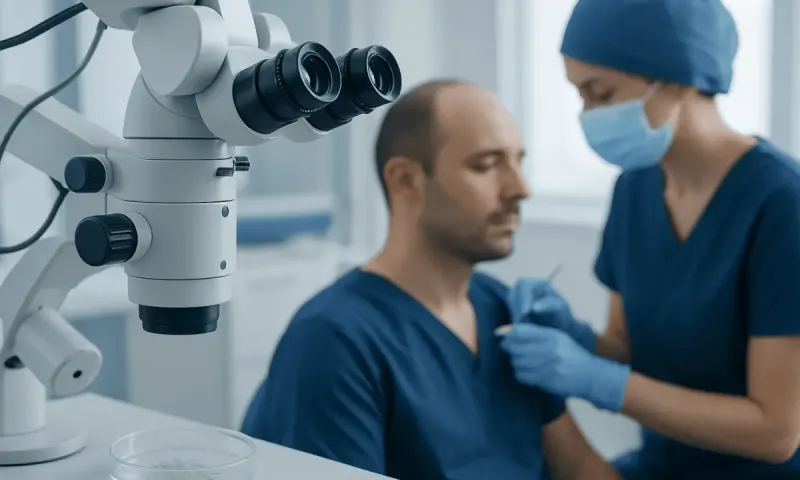
A 5,000-graft hair transplant is a large restoration procedure, and the 5000 grafts hair transplant cost USA cannot be stated reliably as one fixed figure. Total costs vary according to the technique, clinical team, donor-hair assessment, location, surgical complexity and follow-up care included in the plan.
Overview: what patients should know about 5,000 grafts
For people researching 5000 grafts hair transplant cost USA, the most accurate answer is that there is no single standard price. A 5,000-graft transplant is a large procedure, and the final quote depends on the hair-restoration method, the surgeon’s involvement, the clinic’s location, the donor area, whether the procedure is completed in one or more sessions, and what aftercare is included.
Grafts are naturally occurring groups of one to several hairs harvested from a donor area, usually the back and sides of the scalp. A graft is not the same as a single hair. The goal is not simply to transplant the highest possible number of grafts, but to use a safe number in a pattern that looks balanced now and remains appropriate if hair loss continues.
Hair transplantation is commonly considered for stable-pattern hair loss, also called androgenetic alopecia. A clinician should first confirm the reason for thinning, because diffuse shedding, scarring scalp disorders, nutritional issues and some medical conditions may need different treatment. Readers can learn more about androgenetic alopecia and its typical pattern of progression.
What influences the 5000 grafts hair transplant cost USA?
In the United States, clinics may structure hair-transplant fees differently. Some base the quote on the estimated number of grafts, while others use procedure packages or charges related to the technique and operating time. Comparing quotes is most meaningful when patients ask what is included rather than focusing only on the stated graft number.
Important practical factors include the harvesting technique, the extent of hairline and crown work, the quality and availability of donor follicles, whether body hair is considered, the need for more than one surgical day, anesthesia arrangements, laboratory or pathology requirements where applicable, postoperative products, follow-up visits and management of any unexpected concerns. The experience and role of the physician and the size of the clinical team can also affect the plan.
A clear consultation should provide an estimated graft range, an explanation of why that range is appropriate, a description of the recommended method, and a written outline of services and exclusions. Patients may also wish to ask whether future procedures could be needed if native hair continues to thin. A lower initial quote may not represent better value if key aspects of medical assessment, safety standards or follow-up are not included.
How does a 5,000-graft hair transplant work?
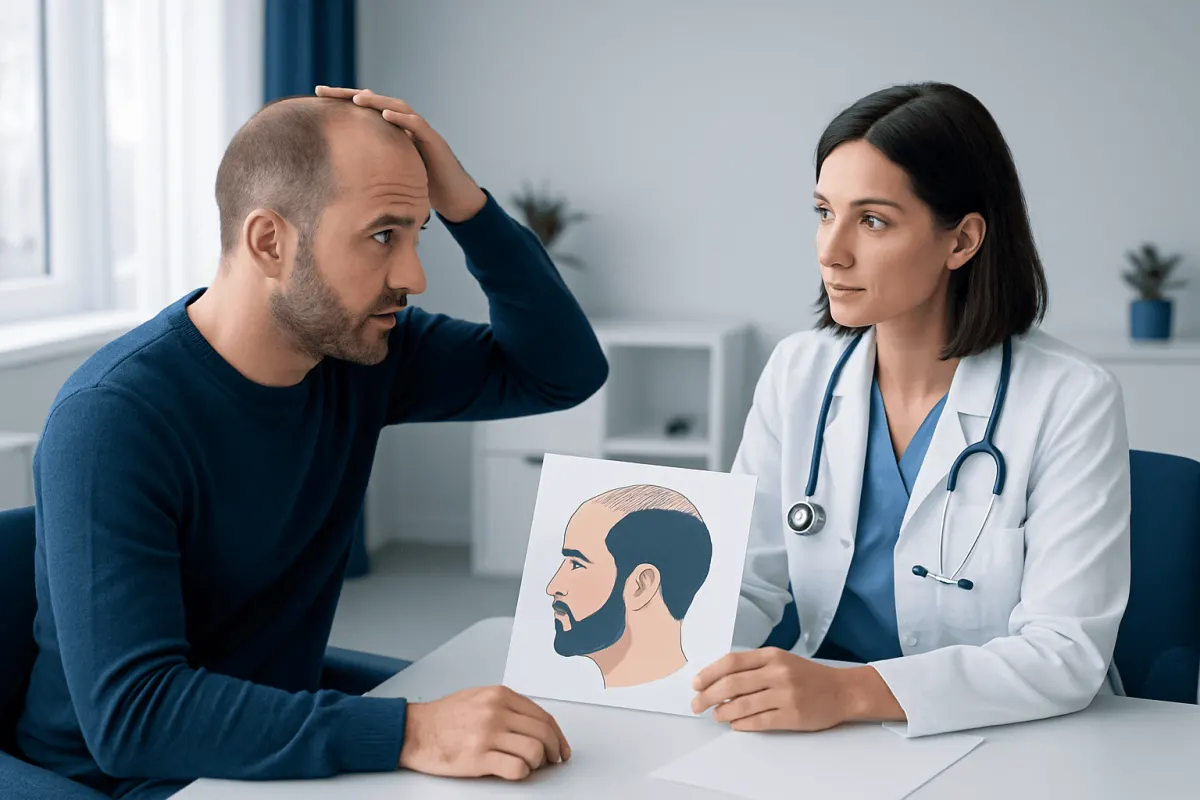
Hair transplantation redistributes follicles from an area relatively resistant to pattern hair loss to areas of thinning. The surgeon designs a recipient area based on facial proportions, existing hair, the likely future pattern of loss and the available donor supply. Natural-looking results depend on careful placement: finer single-hair grafts are often used at the hairline, while grafts containing more hairs may help build density behind it.
The two main established approaches are follicular unit extraction and follicular unit transplantation. In FUE, individual follicular units are removed through very small circular openings. In FUT, sometimes called strip harvesting, a narrow strip of donor scalp is removed and divided into follicular units; it generally leaves a linear scar. Both methods can provide useful grafts in appropriate candidates, and neither is automatically best for every person.
A large graft count should be planned conservatively. The donor area is finite, and excessive removal can lead to visible thinning or an uneven appearance. A transplant surgeon considers donor density, hair caliber, curl, color contrast between hair and skin, scalp laxity where relevant, and the individual’s age and expected progression of hair loss before recommending a target number.
For a clinical explanation of available methods and planning, patients may review hair transplant treatment options.
Is 5000 grafts too much?
Five thousand grafts is not automatically too much, but it is a substantial number and is not suitable for everyone. It may be considered when a person has extensive hair loss across the frontal scalp, mid-scalp and crown, along with a strong, adequately dense donor area. For another person with similar visible thinning but lower donor density, 5,000 grafts may be unsafe or may compromise donor appearance.
The best graft number is individualized. The priority is to preserve enough donor hair for a natural result and potential future needs, rather than trying to create the density of an adolescent hairline in one session. A responsible clinician may recommend a smaller procedure, staged restoration, medical treatment for ongoing hair loss, or a combination of these approaches.
People with active inflammation, scalp infection, uncontrolled medical conditions, unstable diffuse hair shedding or unrealistic expectations may need assessment and treatment before surgery is considered. A hair and scalp examination, medical history and sometimes laboratory evaluation can help determine whether transplantation is appropriate.
How much will 5000 hair grafts cover?
Five thousand grafts can potentially address a large area, but coverage is not the same as high density. The visual result depends on the size of the bald or thinning area, the number of hairs within each graft, hair thickness and curl, skin-to-hair color contrast, and how much native hair remains. A person with thick, wavy hair and low contrast may achieve the appearance of fuller coverage with fewer grafts than someone with fine, straight hair and high contrast.
When hair loss is extensive, surgeons commonly prioritize the frontal hairline and mid-scalp because these areas frame the face and are most visible from the front. The crown may then receive lighter coverage or be addressed later. Trying to cover the entire scalp at a very high density can overuse the donor area and may not be sustainable if further hair loss occurs.
During consultation, a surgeon should discuss the trade-off between area and density using the patient’s own scalp anatomy and goals. Digital photographs and a proposed recipient-area design can help make the expected distribution clearer. Results should be understood as improvement in coverage and framing, not a guarantee of complete restoration of former hair density.
Step by step: how long do 5000 grafts take?
A 5,000-graft transplant generally takes a full surgical day and, in many cases, may be divided across two days or staged sessions. The exact duration depends on the harvesting method, the number of clinical staff, the complexity of sorting and preparing grafts, and the pace needed to protect follicle quality. Patients should not choose a provider solely on the promise of completing a very large number of grafts quickly.
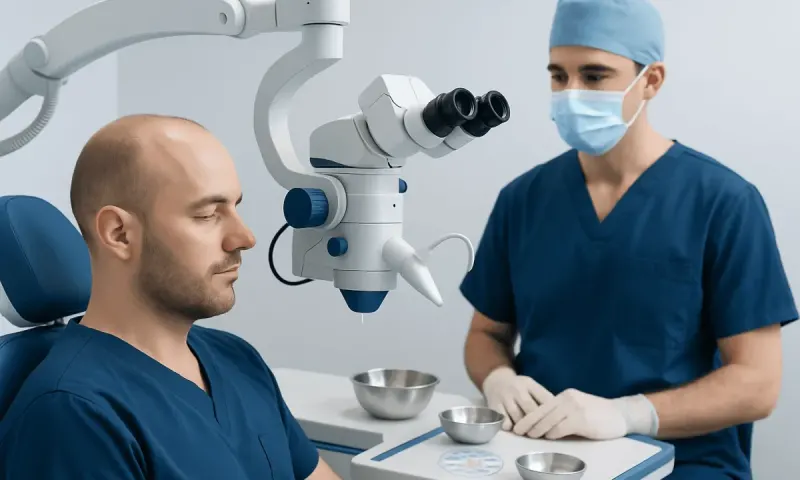
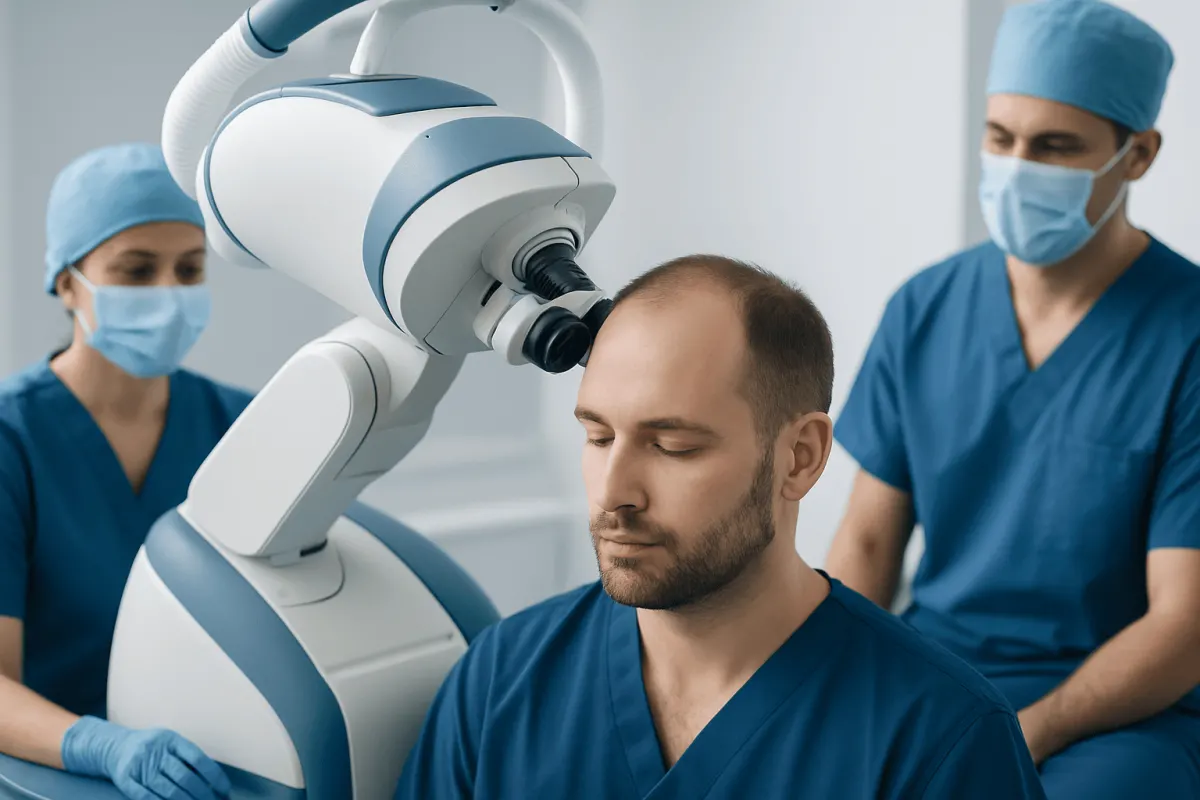
The procedure usually begins with confirmation of the surgical design, trimming of donor hair as needed, cleansing of the scalp and local anesthesia. The team then harvests follicular units, examines and prepares them under magnification, creates tiny recipient sites according to the planned angle and direction, and places the grafts. Patients are typically awake, and comfort is monitored throughout the procedure.
After surgery, the clinical team provides instructions for washing, sleeping, activity and medication use if prescribed. The transplanted area is delicate in the early period, so it is important to avoid rubbing, picking or pressure on the grafts. Patients should arrange transport and allow appropriate time away from strenuous work or exercise according to their clinician’s advice.
Recovery timeline, benefits and possible risks
Small crusts, temporary redness, swelling and tenderness can occur in the first days after a hair transplant. Crusting usually clears as the scalp heals with gentle washing as instructed. Most people can resume many ordinary activities relatively soon, but strenuous exercise, swimming, direct sun exposure and activities that risk scalp trauma may need to be postponed for a period advised by the treating team.
It is common for transplanted hairs to shed in the first weeks after surgery; this is often a temporary phase of the hair-growth cycle. New growth usually begins gradually over subsequent months, while the overall appearance continues to mature over a longer period. Native, non-transplanted hair can still thin due to ongoing pattern hair loss, which is why ongoing medical management may be discussed.
Potential benefits include improved hairline framing, better coverage in selected areas and an option that uses a person’s own follicles. Possible risks include infection, bleeding, scarring, altered scalp sensation, poor graft growth, folliculitis, an unnatural direction or density pattern, and temporary shedding of existing hair. These risks are generally discussed before consent, along with the possibility that a further procedure may be considered in the future.
Following post-procedure instructions and attending follow-up visits support safe healing. People should contact their clinical team promptly if they develop increasing pain, spreading redness, pus-like drainage, fever, marked swelling, persistent bleeding or other symptoms that concern them.
When to seek medical care
Medical assessment is appropriate before pursuing a hair transplant if hair loss is sudden, patchy, accompanied by itching, pain, scaling or scarring, or associated with fatigue, weight change or other new symptoms. These features can point to causes of hair loss that need diagnosis before cosmetic restoration is planned.
After a transplant, urgent medical advice is sensible for signs of infection or significant wound problems, including fever, worsening redness, increasing warmth, severe pain, foul-smelling drainage or bleeding that does not settle with the instructions provided. Prompt review can help protect healing and address complications early.
For international patients, Acıbadem Health Point’s multidisciplinary specialists and JCI-accredited hospitals can assess hair-loss concerns and discuss appropriate treatment options. A consultation should always include a realistic discussion of donor availability, benefits, limitations, risks and long-term hair-loss management.
Frequently asked questions
01Is 5000 grafts too much?
A 5,000-graft procedure is large, but it is not necessarily too much for a person with extensive hair loss and a strong donor area. The safe number depends on donor density, hair characteristics, scalp condition and likely future thinning. A qualified hair-transplant surgeon should decide this after examination rather than using a fixed graft target.
02What did Elon Musk use to regrow his hair?
There is no verified public medical record confirming which treatment or treatments Elon Musk used. Before-and-after changes in public photographs cannot reliably establish whether someone had a transplant, medication, styling changes or another intervention. It is best not to use a celebrity’s appearance as a guide for personal medical decisions.
03How much will 5000 hair grafts cover?
Five thousand grafts may improve coverage across a large area, but the final effect varies widely. Hair thickness, curl, color contrast, the number of hairs per graft and the size of the recipient area all influence visible density. Many plans prioritize the front and mid-scalp rather than attempting equally dense coverage across the entire scalp.
04How long do 5000 grafts take?
A 5,000-graft procedure may take a full day or may be split over two days or more than one session. Timing depends on whether FUE or FUT is used, the team’s workflow and the complexity of the individual plan. Careful graft handling and patient safety are more important than finishing at the fastest possible pace.
05Are 5,000 transplanted grafts permanent?
Transplanted follicles from the donor zone are often more resistant to pattern hair loss than follicles in the frontal scalp or crown. However, no outcome can be guaranteed, and transplanted hair can still be affected by individual factors, scalp disease or procedural complications. Existing native hair may continue to thin without appropriate management.
06Who is a good candidate for a large hair transplant?
A good candidate generally has diagnosed, reasonably stable pattern hair loss, adequate donor hair and realistic expectations about density and future hair loss. They should also have a healthy scalp and be able to follow recovery instructions. A clinician should rule out treatable medical or inflammatory causes of hair loss before surgery.
This article is for general information only and is not a substitute for professional medical advice. Please consult a qualified doctor about your individual situation.
Hair transplant in Turkey — costs, graft counts & a free assessment
JCI-accredited · board-certified surgeons · reply within 24h
Add us as a Preferred Source to see more of our trusted health content across Google Search, AI Overviews and Discover.