Hair Fall From Legs: Common Causes and When to Seek Care
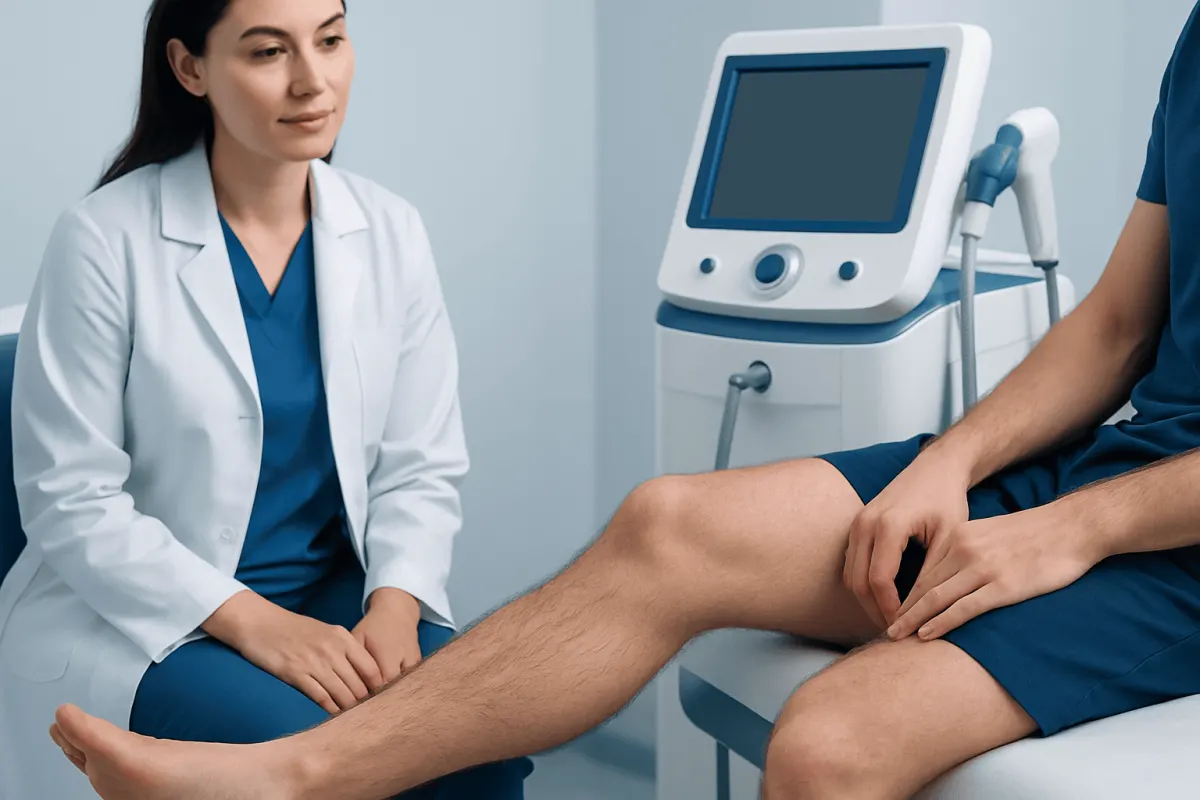
Hair fall from legs is commonly harmless and may reflect normal hair-growth changes, rubbing from clothing, hair removal, or aging. However, distinct patches, skin changes, pain, numbness, or circulation symptoms should be assessed by a qualified clinician.
Hair Fall From Legs: What It Can Mean
Hair fall from legs is often not a sign of a serious medical problem. Leg hair naturally grows in cycles, and its density differs widely between individuals. Over time, hairs may become finer, lighter, or less noticeable, especially with aging, repeated shaving or waxing, and regular rubbing from socks, footwear, trousers, or sports equipment.
The appearance and timing of hair loss provide useful clues. Gradual, even thinning without a rash or discomfort is often related to normal variation or friction. In contrast, sudden bald patches, broken hairs, redness, scale, itching, pain, or changes in the feet and lower-leg skin may point to a skin condition or another health issue that deserves assessment.
Hair on the legs is not essential for health, so changes can go unnoticed until a person compares both legs or sees a clear patch. A clinician can help distinguish harmless hair reduction from conditions affecting hair follicles, skin health, hormones, nutrition, nerves, or circulation.
How Leg Hair Normally Grows and Sheds
Each hair follicle repeatedly moves through phases of active growth, transition, rest, and shedding. These cycles are not synchronized across the body, which is why a small amount of hair shedding can occur without creating visible thinning. Body hair generally has a shorter growth phase than scalp hair, so it remains shorter and can vary more noticeably in density.
Genetics, age, sex hormones, ethnicity, and individual grooming habits all influence how much leg hair is present. Some people naturally have sparse hair on their legs, while others notice a gradual reduction over the years. This can be more noticeable after menopause, with changing androgen levels, or in later adulthood.
Mechanical friction can also affect follicles over time. Repeated pressure from tight socks, boot tops, compression garments, or clothing may lead to localized hair reduction, especially around the ankles or shins. If the skin otherwise looks healthy and the pattern matches an area of rubbing, this is commonly a benign explanation.
Common Causes of Hair Loss on the Legs

One common cause is frictional hair loss, sometimes called frictional alopecia. It may occur where clothing, athletic gear, casts, braces, or footwear repeatedly rub the skin. Hair removal practices may also make leg hair appear reduced. Shaving cuts hair at the skin surface but does not damage the root or make hair grow back thicker; waxing, epilation, and laser hair reduction can produce longer-lasting changes in visible hair density.
Inflammatory skin conditions can affect the follicles or cause hairs to break or shed. Eczema, psoriasis, fungal infections, folliculitis, and contact reactions may cause itch, redness, scaling, bumps, or discomfort alongside hair changes. A fungal infection can be mistaken for dry skin, so an accurate diagnosis matters before using medicated creams.
Alopecia areata is an autoimmune condition that can produce smooth, sharply defined areas of hair loss on the scalp, beard, eyebrows, or body, including the legs. The skin in a patch is often normal-looking rather than scaly. Readers can learn more about alopecia areata and why evaluation is useful when hair loss is patchy or unexpected.
Less commonly, body-hair reduction can accompany thyroid disorders, iron deficiency, inadequate protein or calorie intake, some medications, chronic illness, or hormonal changes. These causes often affect more than one body area and may occur with fatigue, weight change, changes in scalp hair, menstrual changes, or other symptoms. Blood tests are not needed for every person, but a clinician may recommend them when the history suggests an underlying cause.
Could Reduced Leg Hair Be Related to Circulation?
Reduced hair growth on the lower legs is sometimes described in peripheral artery disease, a condition in which narrowed arteries reduce blood flow to the legs and feet. However, hair loss on its own does not diagnose a circulation problem. Many people with little leg hair have normal circulation, and many factors unrelated to blood vessels can explain the change.
Circulation concerns become more important when hair reduction occurs with leg pain or cramping during walking that improves with rest, cold or pale feet, skin that looks shiny or thin, slow-healing sores, changes in toe color, or weak pulses. Diabetes, smoking, high blood pressure, high cholesterol, kidney disease, and older age can increase the likelihood of vascular disease.
A clinician assesses the whole picture rather than relying on appearance alone. This may include examining the skin and nails, checking pulses and temperature, reviewing risk factors, and arranging tests such as an ankle-brachial index when appropriate. For more information about symptoms and assessment, see peripheral artery disease.
How Doctors Assess Hair Fall From Legs
A medical assessment usually starts with questions about when the change began, whether it is spreading, and whether it affects one leg, both legs, or other areas of the body. The clinician may ask about itching, rash, pain, hair-removal methods, footwear, new skin products, recent illness, diet, medications, family history, and symptoms such as fatigue or changes in weight.
During the examination, the clinician looks at the distribution of hair loss and the condition of the skin. Smooth patches, scaling, broken hairs, inflammation, scars, pigment changes, and signs of infection each suggest different possibilities. The legs and feet may also be examined for swelling, ulcers, temperature differences, sensation, and blood flow.
Testing is tailored to the findings. A skin scraping or swab may help identify infection, while a dermatologist may use dermoscopy to examine follicles closely. If an internal cause is suspected, a clinician may request blood tests for thyroid function, iron status, nutritional concerns, or other relevant factors. A biopsy is uncommon but may be considered when the diagnosis remains uncertain.
Treatment and Practical Self-Care
Treatment depends on the cause. Friction-related hair loss may improve after reducing pressure or rubbing, although regrowth can be slow and may not be complete in every case. Choosing well-fitting socks and footwear, avoiding overly tight garments, and addressing repetitive rubbing can help protect the skin and hair follicles.
When there is a skin disorder, treatment may include moisturizers, anti-inflammatory medicines, antifungal treatment, or other therapies prescribed after a clear diagnosis. It is best not to use strong steroid or antifungal products without professional advice, because the wrong treatment can irritate the skin or delay appropriate care. Gentle, fragrance-free skin care and avoiding scratching are sensible supportive measures.
If an underlying nutritional, hormonal, or medical issue is identified, treating that cause may support healthier hair growth. There is no reliable supplement that restores leg hair for everyone, and high-dose vitamins or iron should not be taken unless a clinician recommends them. For patchy autoimmune hair loss, dermatology-directed hair loss treatment may be considered based on the extent of hair loss, medical history, and personal goals.
People with confirmed arterial disease need management focused on reducing cardiovascular risk and protecting limb health. This may include lifestyle guidance, medicines, supervised exercise plans, and vascular procedures when clinically indicated. Smoking cessation is particularly important for circulation as well as overall health.
When to Seek Medical Care
It is reasonable to arrange a non-urgent medical appointment for unexplained hair fall from legs that is patchy, persistent, spreading, or accompanied by a rash, itching, scaling, pain, or changes elsewhere in body hair. Assessment is also appropriate if hair loss follows a new medication, significant illness, restrictive diet, or unexplained fatigue or weight change.
Seek prompt medical care if reduced leg hair occurs with pain in the foot or calf when walking, a cold, pale, blue, or numb foot, non-healing wounds, new skin ulcers, or a sudden major difference between the two legs. These symptoms may indicate a circulation issue or another condition needing timely examination.
Acıbadem Health Point’s multidisciplinary specialists and JCI-accredited hospitals assess skin, hair, hormonal, and vascular concerns for international patients. A qualified clinician can provide an individualized diagnosis and discuss whether observation, dermatology care, vascular assessment, or further testing is appropriate.
Frequently asked questions
01Is hair fall from legs normal?
A gradual reduction in leg hair can be normal, particularly with aging, genetics, hair removal, or repeated friction from clothing and footwear. It is more important to seek advice when loss is sudden, patchy, rapidly changing, or associated with skin or circulation symptoms.
02Can shaving cause permanent hair loss on the legs?
Shaving removes hair above the skin and does not normally damage the follicle, so it does not cause permanent hair loss. Waxing and epilation remove hair from the root and may temporarily reduce visible growth, while laser procedures are designed to provide longer-lasting hair reduction.
03Does no hair on the lower legs mean poor circulation?
No. Reduced hair on the lower legs alone is not enough to diagnose poor circulation, because normal aging, friction, and skin or hair conditions are common explanations. A medical evaluation is important if it occurs with walking-related leg pain, cold feet, color changes, wounds, or other vascular risk factors.
04Can alopecia areata affect only the legs?
Alopecia areata can affect body hair, including leg hair, and may sometimes begin in a limited area. It often causes smooth, well-defined patches without scaling, but only a clinician can confirm the cause because other skin conditions can look similar.
05Will leg hair grow back after friction stops?
Hair may regrow when repeated rubbing or pressure is reduced, but the time course varies because hair growth is gradual. If the area remains hairless, expands, or has skin changes, a clinician or dermatologist should assess it.
06What tests might be needed for hair loss on the legs?
Many people need only a medical history and skin examination. Depending on the pattern and accompanying symptoms, a clinician may consider tests for skin infection, thyroid function, iron or nutritional status, autoimmune disease, or blood flow in the legs.
This article is for general information only and is not a substitute for professional medical advice. Please consult a qualified doctor about your individual situation.
Hair transplant in Turkey — costs, graft counts & a free assessment
JCI-accredited · board-certified surgeons · reply within 24h
Add us as a Preferred Source to see more of our trusted health content across Google Search, AI Overviews and Discover.