Translucent Skin: Common Causes and When to Seek Care
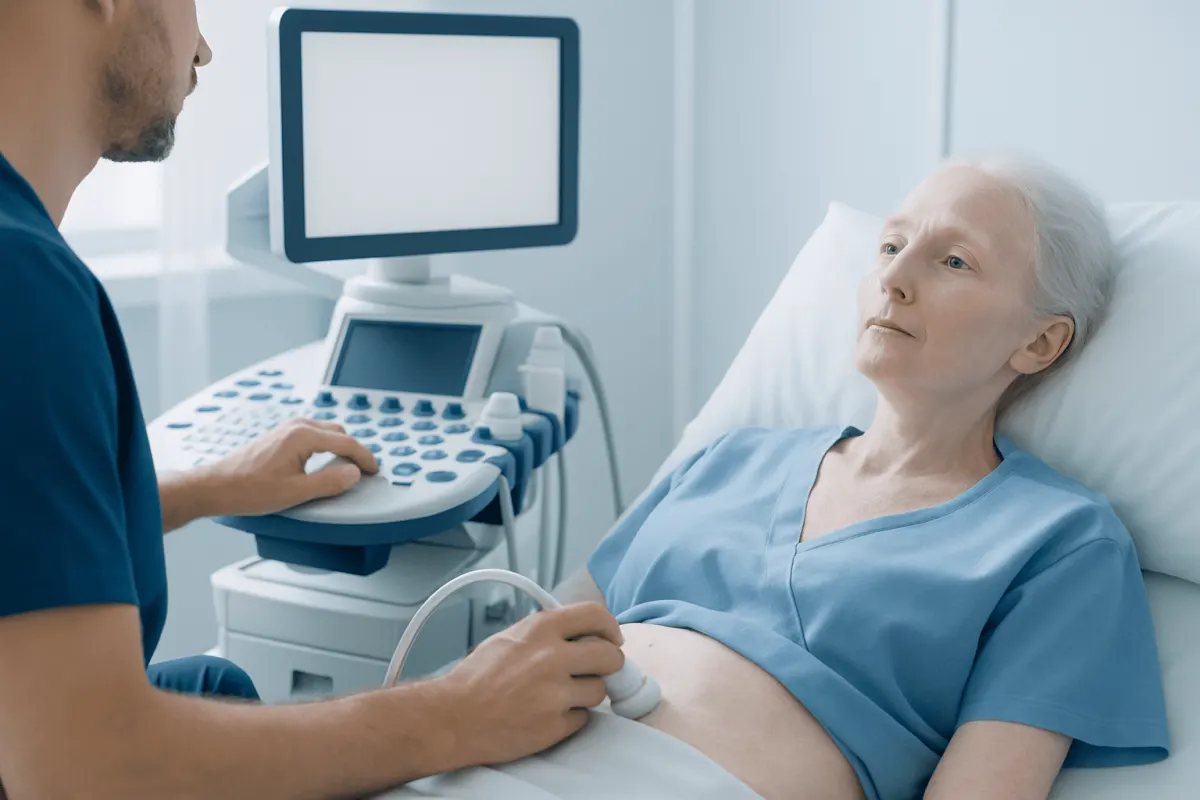
Translucent skin describes skin that allows underlying blood vessels, tendons, or structures to be seen more easily. It is often a normal inherited feature, especially in fair or naturally thin skin, but it can also develop with aging, sun damage, medicines, nutritional problems, or certain medical conditions.
What Does Translucent Skin Mean?
Translucent skin means that skin appears unusually see-through, allowing blue or purple veins, small blood vessels, tendons, or darker tissues beneath the surface to be more visible. In many people, this is simply a normal variation in skin thickness, pigment, and the amount of tissue beneath the skin. It is especially noticeable on the hands, wrists, eyelids, chest, and feet.
Skin is not completely opaque. Its appearance is influenced by melanin, collagen, fat beneath the skin, hydration, circulation, and lighting. People with lighter complexions may notice vessels more clearly, but translucent-looking skin can occur in every skin tone. A person may have had this appearance since childhood or may notice it more as they age.
Translucent skin is not automatically a sign of poor health. The important question is whether it is longstanding and stable or a new change accompanied by symptoms such as easy bruising, repeated skin tears, bleeding, weight loss, fatigue, or changes elsewhere in the body. These details help a clinician decide whether evaluation is needed.
Why Skin Can Look More Transparent
The outer layer of skin, called the epidermis, and the deeper dermis normally provide a protective covering over blood vessels and other structures. When these layers are naturally thin, contain less pigment, or lose collagen over time, underlying structures can become more visible. Reduced fat in the layer below the skin can also make veins and tendons stand out.
Genetics strongly influence skin tone, thickness, and how visible veins appear. Some people naturally have delicate-looking skin without any health problem. Location also matters: eyelid skin is among the thinnest skin on the body, while skin on the palms and soles is much thicker.
Age is another common explanation. With time, the skin produces less collagen and elastin and may become thinner and drier. Subcutaneous fat can decrease as well. This can make skin look more translucent, particularly on the forearms and backs of the hands, and can increase susceptibility to bruising from minor bumps.
Lighting, cold temperatures, exercise, and temporary changes in circulation may alter how prominent veins look. These normal factors can make the skin seem more or less translucent from one setting to another.
Possible Causes and Contributing Factors

In addition to normal inherited traits and aging, several factors can contribute to thin or fragile-looking skin. Long-term ultraviolet exposure can break down collagen and elastin, causing sun-related skin thinning and easy bruising over exposed areas. Smoking may also affect skin structure and healing by reducing blood flow and damaging collagen.
Some medicines can thin the skin, particularly corticosteroids used for long periods. This includes steroid tablets, injections, and, in some circumstances, potent steroid creams used extensively or for longer than prescribed. Medicines that affect blood clotting do not usually make skin transparent, but they can make bruises more noticeable when skin is already thin.
Low body weight or rapid weight loss can reduce the cushioning tissue below the skin. Inadequate protein intake or deficiencies in nutrients involved in tissue repair, such as vitamin C, may contribute to poor skin integrity. These causes are not diagnosed from appearance alone; a clinician considers diet, medical history, examination findings, and, when appropriate, laboratory tests.
Less commonly, translucent or unusually fragile skin can be associated with inherited connective-tissue disorders, hormonal conditions, or chronic illnesses that affect collagen, nutrition, or circulation. For example, people with some forms of Ehlers-Danlos syndrome may have skin that stretches easily, bruises readily, or is more fragile. These conditions usually involve other features and need professional evaluation.
Features That Help Distinguish a Normal Variation From a Concern
Longstanding visible veins with otherwise healthy, comfortable skin are commonly benign. It may be reassuring if the appearance has been stable for years, occurs in family members, and is not accompanied by recurrent wounds, bruises, joint symptoms, bleeding, or general ill health.
In contrast, a clinician may want to investigate skin that has become noticeably thinner over a short period, tears after minimal friction, develops large bruises without a clear injury, or heals slowly. Other relevant symptoms include repeated nosebleeds, bleeding gums, unusually heavy menstrual bleeding, fever, unintentional weight loss, marked tiredness, or reduced appetite.
Visible blue veins are not the same as varicose veins. Varicose veins are typically enlarged, raised, twisted veins, often in the legs, and may cause aching, heaviness, swelling, itching, or skin changes. Small veins that are simply visible through thin skin are often flat and painless.
Changes should also be interpreted in context. A new bruise on an older person’s forearm after minor injury may relate to age-related skin thinning, while new widespread bruising in a younger person without injury needs a more careful assessment. It is best not to self-diagnose based on photographs or skin appearance alone.
How Clinicians Assess Translucent or Fragile Skin
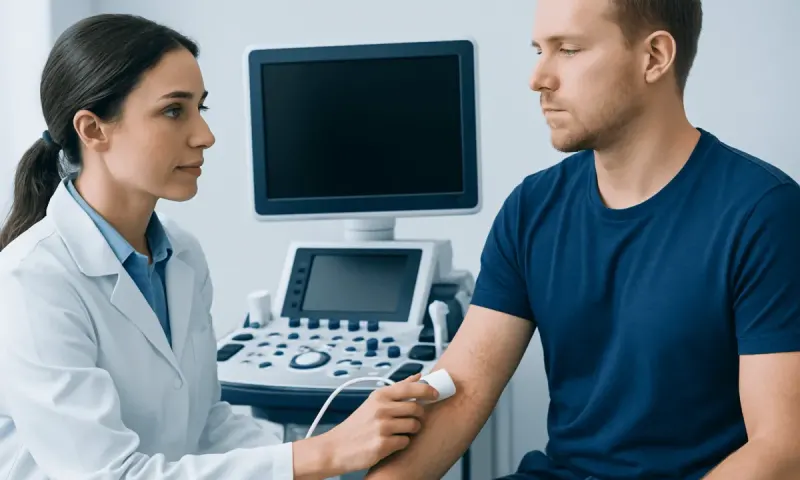
There is no single test for translucent skin. A doctor usually begins by asking when the appearance started, whether it has changed, which areas are involved, and whether there are associated symptoms. They may ask about family history, sun exposure, diet, recent weight changes, smoking, medical conditions, and current or past medicines, including steroid creams and supplements.
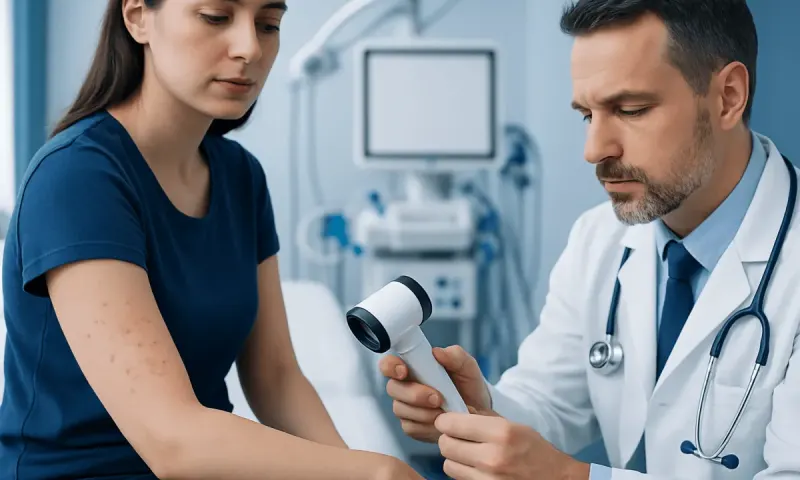
A physical examination may assess skin thickness, elasticity, bruises, scars, pigmentation, veins, swelling, and wound healing. Depending on the findings, the doctor may also examine the joints, circulation, eyes, or other body systems. This approach helps distinguish a normal physical trait from a sign that needs further investigation.
Blood tests are not needed for everyone. However, they may be appropriate when there is unexplained bruising, fatigue, bleeding, suspected nutritional deficiency, or signs of hormonal or systemic illness. A dermatologist may be involved for persistent skin concerns, while other specialists may be recommended if an inherited connective-tissue condition or blood-related problem is suspected.
Keeping a brief record can be useful before an appointment. Patients can note when changes began, take date-stamped photographs in similar lighting, and list medicines and supplements. This information can make changes over time easier to assess.
Care, Protection, and Treatment Options
Care is guided by the cause. If translucent skin is a normal, stable trait, treatment is usually unnecessary. The goal is to maintain skin comfort and reduce avoidable damage rather than to change a healthy natural appearance.
Daily sun protection is one of the most useful steps for preserving skin quality. Broad-spectrum sunscreen, protective clothing, shade, and avoiding intentional tanning help limit ultraviolet-related collagen damage. A fragrance-free moisturizer can support the skin barrier, particularly when skin feels dry or itchy. Gentle cleansing and avoiding harsh scrubs or frequent abrasive treatments may reduce irritation.
People with easily bruised or fragile skin may benefit from practical protection, such as long sleeves during gardening or household tasks, gloves when appropriate, and careful handling of adhesive tapes or bandages. Adequate protein, fruits and vegetables, fluids, and overall balanced nutrition support general skin health. Supplements should not be used as a substitute for identifying a medical cause.
If a prescribed medicine is contributing to skin thinning, it should not be stopped abruptly or changed without medical advice. The prescribing clinician can review whether the medicine remains necessary and whether another approach is suitable. For skin changes linked to sun damage, aging, or a dermatologic concern, a dermatologist can discuss individualized options, including dermatology assessment and treatment.
When to Seek Medical Care
Medical advice is recommended when translucent-looking skin is new, worsening, or causing concern, especially if it comes with easy bruising, repeated tears, slow-healing wounds, unexplained bleeding, pain, swelling, or changes in general health. An appointment is also appropriate for people who use corticosteroids long term and notice increasing skin fragility.
Urgent medical care is important for significant bleeding that does not stop with firm pressure, rapidly spreading bruising, a painful swollen limb, sudden shortness of breath, fainting, or other severe symptoms. These symptoms may have causes unrelated to skin transparency but should not be ignored.
A primary care doctor or dermatologist can usually provide the first assessment and arrange further care if needed. Acıbadem Health Point’s multidisciplinary specialists and JCI-accredited hospitals diagnose and treat skin concerns and associated medical conditions for international patients.
Frequently asked questions
01Is translucent skin normal?
Yes, translucent skin can be entirely normal, particularly when it has been present for a long time and there are no other symptoms. Natural differences in skin pigment, thickness, body fat, and visible veins can all affect appearance. A new or progressive change should be discussed with a clinician.
02Why are my veins visible through my skin?
Veins may be visible because the skin over them is thin, light in color, or has relatively little fat underneath it. They can also appear more prominent with heat, exercise, aging, weight loss, or certain lighting. Flat, painless visible veins are often normal.
03Can dehydration cause translucent skin?
Dehydration can make skin look less plump and may temporarily emphasize lines or underlying structures, but it is not usually a main cause of truly translucent skin. Persistent skin thinning or fragility should not be attributed to dehydration alone. A clinician can help identify other contributing factors when needed.
04Do steroid creams cause thin skin?
Potent topical corticosteroids can thin the skin when used too often, over large areas, under occlusion, or for longer than prescribed. Risk depends on the strength of the product, the body area, and duration of use. Patients should follow prescribing instructions and ask their clinician before changing treatment.
05Can translucent skin be reversed?
Whether it can change depends on the cause. Natural skin characteristics cannot and do not need to be reversed, while contributing factors such as sun exposure, dryness, poor nutrition, or inappropriate steroid use may be addressed. Medical treatment focuses on the underlying cause and protecting skin health.
06Is translucent skin a sign of a vitamin deficiency?
Skin appearance alone cannot diagnose a vitamin deficiency. Severe nutritional deficiencies can affect bruising, wound healing, and skin health, but they usually occur with other symptoms or risk factors. A doctor may recommend blood tests if the history and examination suggest a possible deficiency.
This article is for general information only and is not a substitute for professional medical advice. Please consult a qualified doctor about your individual situation.
Medical weight-loss options in Turkey — costs & eligibility
JCI-accredited · board-certified surgeons · reply within 24h
Add us as a Preferred Source to see more of our trusted health content across Google Search, AI Overviews and Discover.