

Groin Pain: Causes and Treatment
- 8 min read
- Published November 9, 2026
Key Takeaways
- Groin pain is a symptom, not a diagnosis, and the source can be muscular, joint-related, hernia-related, or less commonly related to infection or the urinary system.
- Pain that appears after sports, lifting, or a sudden movement often involves a strain, while pain that develops gradually may point to hip or tendon problems.
- Doctors usually start with a history and physical examination and may add imaging tests if the cause is unclear or symptoms persist.
- Rest, activity modification, ice or heat, and guided rehabilitation can help many cases, but the right plan depends on the underlying condition.
- Urgent evaluation is important for severe pain, a new bulge, fever, testicular swelling, inability to walk, or pain after major injury.
Groin pain is a common symptom with many possible causes, from muscle strain and hip problems to hernias and nerve irritation. Care depends on the source, so a careful evaluation is often the best way to choose the right treatment and recovery plan.
Overview
Groin pain is discomfort in the area where the abdomen meets the upper inner thigh. Because many structures cross this region, the pain can come from muscles, tendons, hip joints, lymph nodes, nerves, or the abdominal wall. It may be sharp, aching, pulling, burning, or felt as tightness with movement.
For some people, groin pain starts during a sports activity or while lifting something heavy. For others, it develops slowly and is noticed when walking, climbing stairs, getting in and out of a car, or changing direction. The main challenge is that the same symptom can have very different causes, which is why a focused medical evaluation matters.
For international patients planning care away from home, groin pain can be especially frustrating because it may limit walking, sitting comfortably, and travel. A clear diagnosis helps avoid unnecessary delay and supports a treatment plan that fits both recovery and the practical realities of being away from one’s usual support network.
Symptoms
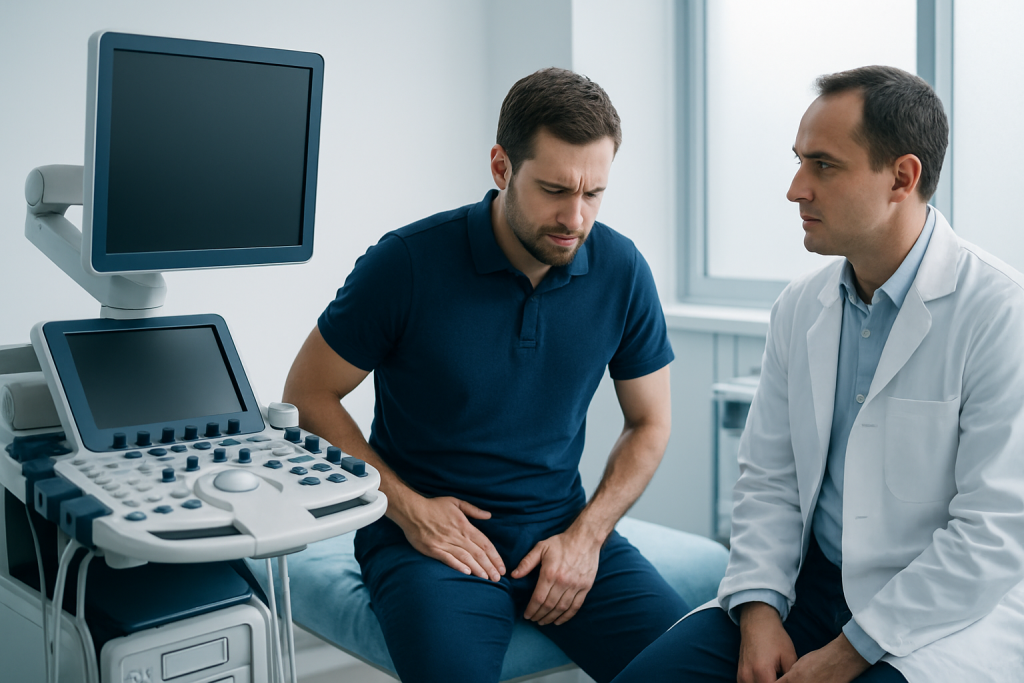
Groin pain may be limited to one side or felt on both sides. Some people notice pain only with certain movements, while others feel it at rest. The discomfort may travel into the thigh, lower abdomen, hip, or testicle, depending on the cause.
Common accompanying features include stiffness, weakness, tenderness, swelling, or a sense that the hip “catches” or gives way. A sports-related strain often hurts more when squeezing the legs together, sprinting, kicking, or turning quickly. A hernia may cause a visible or noticeable bulge, especially when coughing or standing.
Symptoms can also reflect a non-musculoskeletal cause. Fever, nausea, urinary symptoms, testicular swelling, or pain that becomes severe and constant should not be ignored, because these clues may point to a condition that needs prompt attention.
- Pain during walking, running, or twisting
- Tenderness in the inner thigh or lower abdomen
- Stiffness in the hip, especially after sitting
- Bulge or pressure sensation in the groin
- Swelling, fever, or urinary symptoms in some cases
Causes & Risk Factors

Muscle strain is one of the most common reasons for groin pain, especially after sports that involve sudden starts, stops, or directional changes. The adductor muscles in the inner thigh are frequently involved. Tendon irritation or overuse can produce a similar pattern, particularly when training load rises too quickly.
Hip joint problems can also create groin pain. Conditions such as hip impingement, arthritis, labral injury, or irritation around the joint often cause pain deep in the front of the hip or groin. Because hip movement and groin movement are closely linked, symptoms may feel as if they come from the same place.
Other causes include inguinal hernia, enlarged lymph nodes, nerve irritation, urinary or reproductive system conditions, and, less commonly, bone stress injury or infection. Risk is higher in people who play pivoting sports, lift heavy loads, have prior hip or groin injury, have reduced core strength, or spend long periods in repetitive movement patterns.
Diagnosis
Diagnosis begins with a detailed conversation about when the pain started, what makes it better or worse, and whether there was an injury, exercise change, cough, fever, swelling, or urinary symptom. The doctor also checks how the hip moves and whether pressing on certain areas reproduces the pain.
A physical examination often helps separate a muscle strain from hip joint disease or a hernia. In some cases, the evaluation may include blood tests or urine tests if infection or inflammation is suspected. Imaging can be useful when the pain is persistent, the diagnosis is uncertain, or a structural problem needs closer review.
Possible tests include ultrasound for hernia or soft-tissue concerns, X-rays for bone and joint changes, and MRI for muscles, tendons, cartilage, or stress injury. The most useful test depends on the story the symptoms tell, which is why a clinician’s judgment matters more than any single scan.
Treatment Options
Treatment depends on the cause. A mild muscle strain may improve with short-term rest from aggravating activity, followed by gradual return to movement. Hip-related pain may need targeted physical therapy, load management, and time to settle, while a hernia may require surgical evaluation if it is causing symptoms or enlarging.
Pain relief measures often include ice or heat, gentle mobility work, and, when appropriate, doctor-recommended pain medicine. Rehabilitation is especially important when the pain is linked to sport, because returning too soon can prolong healing. A physiotherapist or rehabilitation specialist can help restore strength, flexibility, and control in a stepwise way.
If an underlying problem such as a hernia, significant hip injury, infection, or nerve compression is identified, treatment is directed at that condition. For patients traveling for care, the plan should also include timing for follow-up, guidance on movement during the journey home, and instructions on when to contact the care team if symptoms change.
Prevention & Self-care
Many cases of groin pain improve when the area is given time to recover and the load on the muscles or hip is reduced. Avoiding sudden bursts of activity, heavy lifting, or repetitive twisting can prevent symptoms from worsening while healing is underway.
Once pain starts to settle, gradual strengthening and flexibility work can help reduce recurrence. Warm-up routines, good technique in sport or exercise, and balanced training that includes the core, hips, and inner thighs are useful preventive steps. Supportive footwear and sensible pacing also matter when long walks or travel are part of daily life.
Self-care should stay gentle and safe. Pushing through sharp pain, forcing stretches, or testing the area repeatedly can delay improvement. A simple rule is to keep activity at a level that does not significantly increase pain during or after movement.
- Rest from the movement that triggered symptoms
- Use ice or heat as advised by a clinician
- Return to activity gradually, not all at once
- Strengthen hips, core, and inner thigh muscles
- Seek advice before resuming sport after injury
When to See a Doctor
Medical evaluation is advisable if groin pain lasts more than a few days, keeps returning, or interferes with walking, work, or sleep. It is also sensible to seek care if the pain began after a fall, sudden twist, or direct impact, even if it initially seemed mild.
Prompt assessment is especially important when there is a new bulge, fever, redness, testicular swelling, nausea, vomiting, trouble urinating, numbness, or inability to bear weight. These features can point to a condition that needs quicker treatment than a simple strain.
For people organizing treatment from another country, choosing a team that can evaluate the pain, arrange imaging if needed, and coordinate rehabilitation can make the process smoother. Acibadem Health Point’s multidisciplinary specialists and JCI-accredited hospitals diagnose and treat groin pain-related conditions for international patients, with care plans designed around both medical needs and follow-up logistics.
Frequently asked questions
01Is groin pain usually a muscle strain?
A muscle strain is a common cause, especially after sports, lifting, or sudden movement. However, groin pain can also come from the hip joint, a hernia, nerves, or other conditions, so the cause should not be assumed without an evaluation if symptoms persist.
02Can a hernia cause groin pain without a bulge?
Yes, some hernias cause pain or pressure before a bulge becomes obvious. A doctor can examine the area and decide whether imaging is needed to look for a hernia or another cause.
03Why does groin pain sometimes feel like hip pain?
The groin and hip share nearby muscles, tendons, and joint structures, so pain from the hip can be felt in the groin. This overlap is one reason a physical examination is important for diagnosis.
04What helps mild groin pain at home?
Resting from the activity that triggered the pain, using ice or heat as advised, and returning to movement gradually can help. If the pain is not improving or becomes worse, medical advice is recommended.
05When is groin pain urgent?
Seek prompt medical care if the pain is severe, there is a new bulge, testicular swelling, fever, vomiting, numbness, or difficulty walking. These signs may suggest a condition that needs urgent assessment.
06How is groin pain usually diagnosed?
Doctors usually start with questions about the pain and a physical examination. Depending on the findings, they may order X-rays, ultrasound, MRI, blood tests, or urine tests to identify the cause.
This article is for general information only and is not a substitute for professional medical advice. Please consult a qualified doctor about your individual situation.
Persistent digestive symptoms? Get evaluated in Turkey
JCI-accredited · board-certified surgeons · reply within 24h
Add us as a Preferred Source to see more of our trusted health content across Google Search, AI Overviews and Discover.


How can we help you today?
Meet an Acibadem specialist by secure video, before you travel.
Book a video visit