Joint Pain: Causes, Symptoms and Treatment

Key Takeaways
- Joint pain is a symptom, not a diagnosis, and its cause can range from strain to inflammatory disease.
- Swelling, stiffness, reduced movement, and pain in multiple joints can provide clues about the underlying problem.
- Diagnosis often includes a medical history, physical examination, and sometimes blood tests or imaging.
- Many cases improve with rest, activity adjustment, physical therapy, and targeted treatment for the cause.
- Urgent assessment is important if joint pain comes with fever, sudden swelling, severe redness, or inability to bear weight.
Joint pain can affect one or many joints and may come from overuse, injury, inflammation, or longer-term conditions such as arthritis. A careful evaluation helps identify the cause and guide treatment, from home care to specialist support when needed.
Overview
Joint pain is a common reason people look for medical advice, yet the word itself describes only what is felt, not why it is happening. A joint may ache after a minor strain, become sore from repeated use, or hurt because the lining, cartilage, bones, ligaments, or surrounding muscles are affected by a medical condition.
For some people, the discomfort is short-lived and tied to a specific activity or injury. For others, it arrives gradually, lingers for weeks, or appears in more than one joint at a time. That pattern matters, because it can help a clinician distinguish between mechanical problems, inflammatory conditions, infection, or age-related wear.
For international patients, joint pain can also affect travel plans and everyday mobility. A clear diagnosis is especially helpful when someone is deciding whether to manage symptoms locally, seek specialist evaluation abroad, or plan treatment that may include imaging, rehabilitation, or follow-up after returning home.
Symptoms

Joint pain may feel sharp, dull, throbbing, stiff, or burning. Some people notice it only when moving the joint, while others feel it even at rest. The same condition can behave differently from day to day, especially if inflammation is present.
Other symptoms often travel with the pain. These may include swelling, warmth, redness, morning stiffness, reduced range of motion, clicking, catching, or a sense that the joint is unstable. Inflammatory conditions often cause stiffness after rest, whereas overuse injuries may hurt more after activity.
It is useful to notice the pattern: one joint or several, sudden or gradual onset, and whether symptoms follow an injury, infection, new exercise, or a flare of another illness. These details help a doctor narrow the list of possible causes.
Causes & Risk Factors

There is no single cause of joint pain. A sprain, strain, tendon irritation, or overuse can irritate the area around a joint and make it painful to move. Arthritis is another major category and includes osteoarthritis, which is related to gradual cartilage wear, and inflammatory forms such as rheumatoid arthritis, which involve the immune system.
Joint pain can also occur with gout, bursitis, Pain Treatment Options: When to Start With Therapy and When to Consider Surgery" class="ahp-ilk">Treatment Options" class="ahp-ilk">autoimmune disease, infection, or conditions that affect the whole body. Less commonly, pain in a joint can be referred from another structure, such as the spine or nearby soft tissue. Because the list is broad, self-diagnosis can be misleading when symptoms persist.
- Previous joint injury or repeated strain
- Age-related cartilage changes
- Excess body weight, which increases load on some joints
- Family history of arthritis or autoimmune disease
- Occupations or sports involving repetitive movement
- Recent infection or fever with joint symptoms
Risk often rises when more than one factor is present. For example, a person with a long history of knee strain may later develop osteoarthritis, while someone with a family history of inflammatory arthritis may notice prolonged morning stiffness and swelling in smaller joints.
Diagnosis
Diagnosis begins with a careful conversation about symptoms, daily activities, medical history, and any injury or infection that may have preceded the pain. A clinician will usually examine the joint for swelling, tenderness, warmth, motion limits, and signs of instability or deformity.
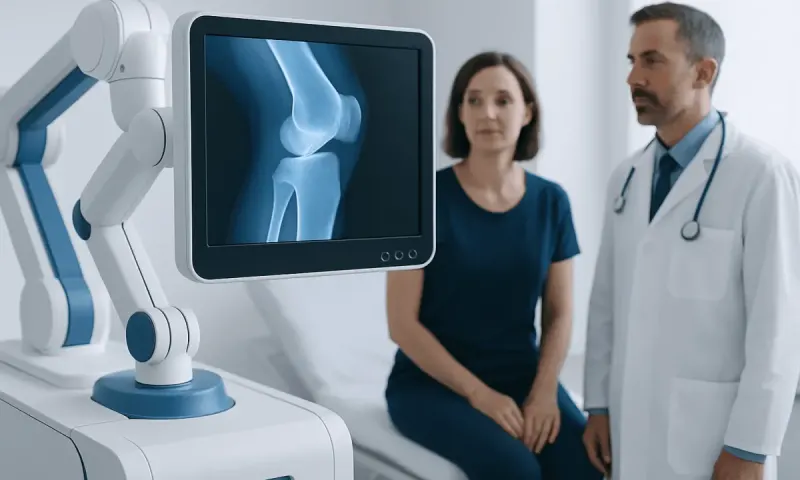
Depending on the situation, tests may be recommended to identify inflammation, infection, crystal arthritis, or autoimmune disease. Blood tests can support the evaluation, and imaging such as X-ray, ultrasound, or MRI may help assess bones, cartilage, soft tissues, or the joint lining.
Sometimes fluid is taken from a swollen joint and analyzed. This can be especially important when infection or gout is suspected. A focused workup helps avoid both under-treatment and unnecessary treatment, especially when joint pain is affecting travel, work, or independence.
Treatment Options
Treatment depends on the cause rather than the symptom alone. A mild strain may improve with rest, ice or heat as advised, temporary activity changes, and gradual return to movement. Arthritis-related pain may need a broader plan that includes exercise therapy, weight management if appropriate, and medication chosen by a clinician.
Physical therapy often plays an important role. Well-guided strengthening and mobility work can reduce pressure on a joint, improve function, and support recovery after injury or flare-ups. In some cases, braces, splints, shoe inserts, or assistive devices may be used to reduce stress on the affected area.
When inflammation is prominent, doctors may recommend anti-inflammatory treatment or other medicines tailored to the condition. In selected cases, injections or procedural treatment may be considered. If infection, advanced joint damage, or severe structural problems are present, more intensive care — including surgery — may be necessary.
Prevention & Self-care
Not all joint pain is preventable, but many episodes can be eased or avoided with practical habits. The aim is to keep joints moving without overloading them. Regular low-impact activity, such as walking, swimming, or cycling, often supports joint health better than long periods of inactivity.
Self-care also includes paying attention to posture, lifting technique, footwear, and pacing. Small changes in daily habits can reduce stress on the knees, hips, shoulders, hands, and back. For people with recurrent symptoms, tracking triggers such as repetitive tasks, training changes, or sleep disruption can be helpful.
- Warm up before exercise and cool down afterward
- Build strength around the joint with guided exercises
- Alternate activity with rest during flare-ups
- Maintain a healthy body weight when advised by a doctor
- Use supports or mobility aids only as recommended
- Follow rehabilitation plans consistently after injury or procedures
When travel is involved, planning matters. Bringing prior imaging, medication lists, and a short symptom timeline can make a specialist visit more efficient and help continuity of care once the person returns home.
When to See a Doctor
Medical assessment is a good idea if joint pain lasts more than a short period, keeps returning, or limits daily activities. It is especially important when pain is accompanied by swelling, stiffness that lasts into the day, loss of motion, or pain in several joints.
Urgent evaluation is recommended if a joint becomes suddenly very swollen, red, hot, or extremely painful, or if pain follows a significant injury. Fever, inability to bear weight, numbness, weakness, or a joint that looks deformed also deserve prompt attention.
People with known arthritis, autoimmune disease, diabetes, or a weakened immune system should not wait long if symptoms change in character. A timely assessment can help prevent avoidable damage and get treatment started at the right level.
Acibadem Health Point’s multidisciplinary specialists and JCI-accredited hospitals diagnose and treat joint pain for international patients, with coordinated care that can include orthopedics, rehabilitation, imaging, and follow-up planning.
Frequently asked questions
01Is joint pain always a sign of arthritis?
No. Joint pain can come from strain, injury, tendon problems, bursitis, infection, crystal deposits, or arthritis. The pattern of symptoms and the physical examination help show which cause is most likely.
02What is the difference between joint pain and stiffness?
Pain is the uncomfortable sensation in or around the joint, while stiffness is a feeling that the joint is difficult to move. They often occur together, especially in inflammatory conditions or after inactivity.
03Can exercise help joint pain?
Often, yes, but the right type and amount matter. Low-impact movement and strengthening exercises can support the joint, while high-impact or painful activity may worsen symptoms if started too aggressively.
04When should joint pain be treated as urgent?
Sudden swelling, redness, warmth, fever, severe pain, inability to bear weight, or a deformed joint should be assessed promptly. These signs can point to infection, fracture, or other conditions that need urgent care.
05Are imaging tests always needed for joint pain?
Not always. Many cases can be evaluated with a history and physical examination first, and tests are chosen based on the suspected cause. Imaging is more useful when the diagnosis is unclear, symptoms are persistent, or injury or structural damage is suspected.
06Can joint pain come and go?
Yes. Some conditions flare intermittently, especially inflammatory or crystal-related disorders, while others worsen with use and ease with rest. Keeping track of when symptoms appear can help a doctor identify the cause.
This article is for general information only and is not a substitute for professional medical advice. Please consult a qualified doctor about your individual situation.
Joint and spine care in Turkey — expert assessment & treatment
JCI-accredited · board-certified surgeons · reply within 24h
Add us as a Preferred Source to see more of our trusted health content across Google Search, AI Overviews and Discover.