Gallbladder Problems: Symptoms, Causes and Treatment

Key Takeaways
- Gallbladder symptoms often include pain in the upper right abdomen, nausea, bloating, and discomfort after fatty meals.
- Pain that spreads to the back or right shoulder can point to biliary irritation or blockage.
- Gallstones, inflammation, and reduced gallbladder function are common causes of symptoms.
- Diagnosis usually involves a medical history, physical exam, blood tests, and imaging such as ultrasound.
- Persistent, severe, or fever-associated symptoms should be evaluated by a doctor promptly.
Gallbladder problems often begin with subtle digestive discomfort, then progress to more recognizable pain after meals. Understanding the warning signs can help a person seek timely evaluation and avoid unnecessary delays in care.
Overview
The gallbladder is a small organ that stores bile, a digestive fluid made by the liver. When it is not working smoothly, symptoms can appear during or after meals, especially meals that are rich or greasy. Many people first notice a pattern rather than a single dramatic event: repeated indigestion, a sense of pressure under the ribs, or pain that comes and goes after eating.
Symptoms of gallbladder issues can overlap with stomach, liver, and pancreatic conditions, which is why self-diagnosis is rarely enough. A doctor may look for gallstones, inflammation, bile duct blockage, or less common gallbladder problems. For international patients planning evaluation abroad, a clear symptom timeline is often very useful, because it helps the care team decide what tests are needed and how quickly treatment should begin.
Gallbladder symptoms are not always constant. Some people have short episodes, while others develop lingering discomfort, nausea, or food intolerance that slowly affects daily routine. Recognizing the pattern early can make it easier to get the right assessment and, if needed, treatment before complications develop.
Common Symptoms
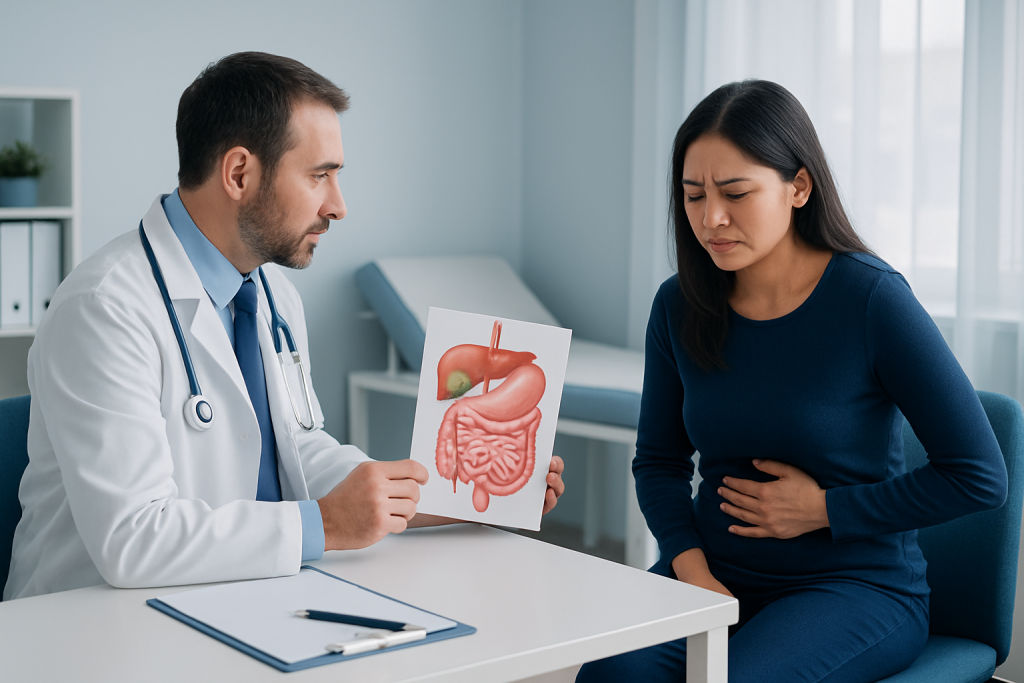
The most recognized gallbladder symptom is pain in the upper right part of the abdomen, just below the ribs. It may also be felt in the upper middle abdomen, and it can radiate to the right shoulder blade or back. The pain often starts after a meal and may become more noticeable when the meal is heavy or high in fat.
Other symptoms may be less dramatic but still important. A person may feel bloated, unusually full, queasy, or unable to tolerate foods that were once easy to eat. Some people describe a dull ache, while others experience sharp cramping episodes that last from minutes to hours.
- Upper right abdominal pain or pressure
- Pain after eating, especially fatty meals
- Nausea or vomiting
- Bloating, belching, or indigestion-like discomfort
- Pain that spreads to the back or right shoulder
- Reduced appetite or early fullness
When the gallbladder becomes inflamed or a stone blocks bile flow, symptoms can intensify. Fever, chills, jaundice, dark urine, pale stools, or worsening tenderness are more concerning and need medical attention. These signs suggest the problem may involve obstruction or infection rather than simple digestive upset.
Causes & Risk Factors
Gallbladder symptoms are most often linked to gallstones, which are hardened deposits that can form in the gallbladder. A stone may sit quietly without causing trouble, or it may block the outlet of the gallbladder and trigger biliary colic, inflammation, or infection. In some cases, symptoms come from sludge, reduced gallbladder emptying, or irritation of the bile ducts.
Several factors can increase the chance of gallbladder problems. A personal or family history of gallstones, certain body-weight changes, pregnancy, some diets, and a few medical conditions can all play a role. Some people are more likely to develop symptoms after rapid weight loss, prolonged fasting, or long periods without regular meals.
Risk does not mean certainty, and many people with one or more risk factors never develop gallbladder disease. Still, understanding the background can help explain why symptoms appear in one person and not another. It also helps the doctor decide whether the issue is likely to be gallstones, inflammation, or another digestive condition that needs a different approach.
How Doctors Diagnose the Problem
Diagnosis begins with the story of the symptoms: where the pain is located, when it starts, how long it lasts, and what seems to trigger it. A doctor will usually ask about meal patterns, nausea, fever, prior episodes, and any history of gallstones. This first step is especially valuable when a person is seeking care while traveling, because the symptom pattern can guide the rest of the evaluation efficiently.
A physical exam may check for tenderness in the upper abdomen and signs that the pain could be coming from the gallbladder or bile ducts. Blood tests may be used to look for inflammation, infection, or evidence that bile is not flowing normally. If needed, imaging helps clarify the picture.
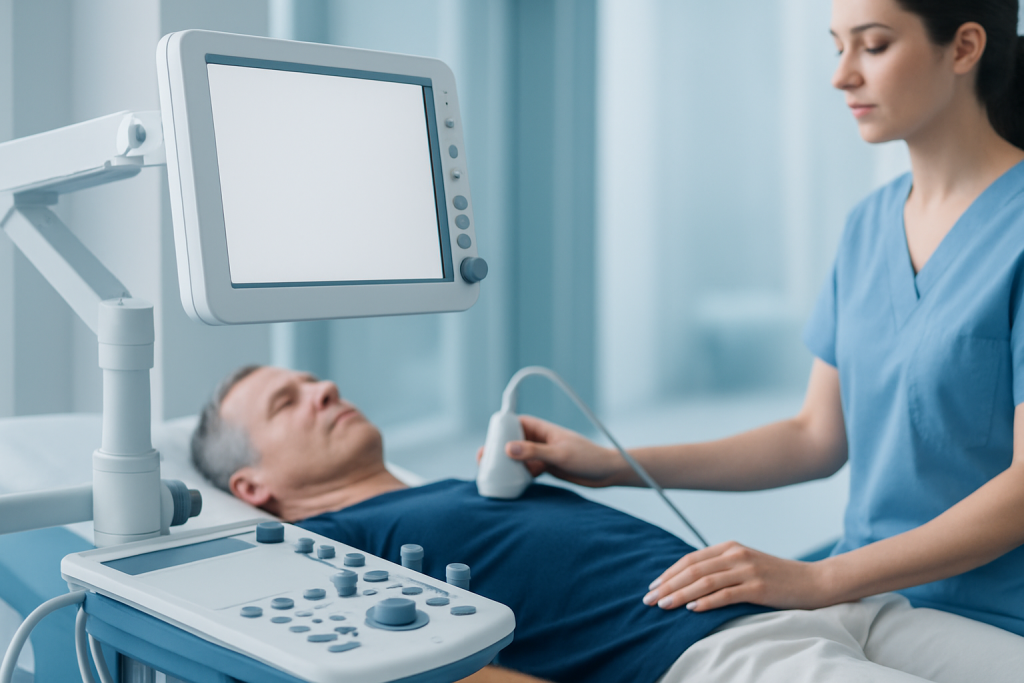
Ultrasound is commonly used because it can show gallstones, gallbladder wall thickening, or fluid around the gallbladder. In some situations, additional tests such as CT, MRI, or a specialized bile-flow scan may be recommended. The exact workup depends on the symptoms and the suspected cause, not on one standard formula for everyone.
Treatment Options
Treatment depends on what is causing the symptoms and how severe they are. Some people may be treated with observation and symptom control if the problem is mild and not causing complications. If gallstones are leading to repeated pain or inflammation, the doctor may recommend gallbladder removal, which is a common and effective treatment for selected patients.
When inflammation or infection is present, treatment may include hospital-based care, fluids, pain relief, and sometimes antibiotics. If a stone is blocking the bile duct, a procedure may be needed to relieve the obstruction. The choice between medication, procedure, and surgery depends on the exact diagnosis, the person’s overall health, and whether symptoms are recurring.
For international patients, treatment planning often includes not only the procedure itself but also travel timing, follow-up needs, and recovery support after returning home. A good care team will explain what to expect before surgery or another intervention, how long recovery may take, and which warning signs should prompt contact with a doctor after discharge.
Prevention & Self-care
Not every gallbladder problem can be prevented, but some habits may lower the chance of symptom flare-ups. Regular meals, balanced nutrition, and avoiding dramatic weight changes can help support more stable bile flow. People who notice that fatty or very large meals reliably trigger discomfort may feel better when they choose smaller portions and lighter options.
Self-care is also about observation. Keeping a simple note of when pain occurs, what was eaten beforehand, and whether nausea or fever was present can make the next medical visit more productive. This is particularly helpful for patients arranging care across borders, since a concise symptom diary can shorten the time needed to reach a diagnosis.
- Eat regular meals rather than long stretches without food
- Choose balanced, lower-fat meals if rich foods worsen symptoms
- Avoid rapid weight loss unless supervised by a clinician
- Stay hydrated and maintain general digestive health
- Track symptom timing, severity, and meal triggers
Self-care should not replace evaluation if symptoms are persistent or severe. It is best seen as support while a doctor determines whether the gallbladder is truly the source of the problem and whether more definitive treatment is needed.
When to See a Doctor
A doctor should be consulted if upper abdominal pain keeps returning, if digestive discomfort is becoming more frequent, or if symptoms seem linked to meals in a consistent way. Repeated gallbladder-type pain is worth checking even when the episodes fade on their own, because intermittent symptoms can still signal a stone or blocked bile flow.
Prompt evaluation is especially important if pain is severe, lasts longer than expected, or comes with fever, jaundice, vomiting, or dark urine. These signs may point to inflammation or blockage and should not be watched at home for long. Early assessment usually gives the doctor more options and can reduce the chance of complications.
If the person is considering treatment abroad, it helps to arrange medical review as soon as symptoms are recognized rather than waiting for a crisis. Acibadem Health Point’s multidisciplinary specialists and JCI-accredited hospitals diagnose and treat gallbladder conditions for international patients, with care organized around clear communication and coordinated follow-up.
Frequently asked questions
01What are the most common symptoms of gallbladder issues?
The most common symptoms include pain in the upper right abdomen, nausea, bloating, and discomfort after eating, especially after fatty meals. Some people also feel pain in the right shoulder or back. Symptoms may come and go at first, which can make them easy to dismiss.
02Can gallbladder symptoms feel like indigestion?
Yes, gallbladder problems can feel similar to indigestion or general stomach upset. The difference is often the pattern: gallbladder pain is more likely to follow meals and may be located under the right ribs or spread to the back. A doctor can help sort out the cause.
03Do gallbladder symptoms always mean gallstones?
No, gallstones are common, but they are not the only cause. Symptoms can also come from inflammation, blocked bile flow, or gallbladder function problems. That is why imaging and sometimes blood tests are needed to confirm the cause.
04When is gallbladder pain urgent?
Pain that is severe, persistent, or paired with fever, vomiting, jaundice, or dark urine should be assessed promptly. These signs may suggest inflammation or a blocked bile duct. Medical review helps determine whether urgent treatment is needed.
05Can diet changes help with gallbladder symptoms?
Diet changes may reduce symptoms for some people, especially when greasy or very large meals trigger discomfort. Smaller, more balanced meals are often easier to tolerate. Still, diet changes do not replace medical evaluation if symptoms keep returning.
06How is gallbladder disease usually treated?
Treatment depends on the cause and how often symptoms occur. Some people need only short-term medical care, while others may need a procedure or gallbladder removal. A doctor will recommend the most appropriate option after evaluation.
This article is for general information only and is not a substitute for professional medical advice. Please consult a qualified doctor about your individual situation.
Persistent digestive symptoms? Get evaluated in Turkey
JCI-accredited · board-certified surgeons · reply within 24h
Add us as a Preferred Source to see more of our trusted health content across Google Search, AI Overviews and Discover.