Can You Drink Soda After Gallbladder Removal?
Most people can drink soda after gallbladder removal once they are tolerating regular fluids and foods, but it is often best to wait until early postoperative digestive symptoms have settled. Carbonation, caffeine, sugar, and artificial sweeteners can trigger bloating, reflux, cramping, or diarrhea in some people during recovery.
Can you drink soda after gallbladder removal?
Yes. Most people can drink soda after gallbladder removal surgery, but it is usually sensible to reintroduce it gradually rather than drinking it immediately after the operation. In the first days of recovery, the digestive system may be sensitive, and fizzy drinks can increase gas, pressure, bloating, nausea, or belching.
The gallbladder stores bile and releases it when fatty food enters the intestine. After it is removed, bile flows more continuously into the bowel. This does not mean a person must avoid soda forever, but some people temporarily notice looser stools, urgency, Acid Reflux vs Ulcer Pain: How to Tell the Difference" class="ahp-ilk">indigestion, or discomfort while their body adjusts.
What happens if a person drinks soda after gallbladder removal varies. A small amount may cause no problem, while a larger serving, especially a sugary or caffeinated soft drink, may lead to bloating, reflux, abdominal cramping, or diarrhea. Choosing a small serving, drinking it slowly, and stopping if symptoms occur can help identify personal tolerance.
How soon after gallbladder surgery can I have soda?
There is no exact day that is right for everyone. Immediately after surgery, the care team commonly recommends clear liquids and then a gradual return to gentle, low-fat foods as nausea improves and bowel function returns. Water, broth, oral rehydration drinks, and non-caffeinated drinks are generally more comfortable choices during this early phase.
Many people prefer to wait until they are eating and drinking normally without nausea, significant bloating, or diarrhea before trying a carbonated drink. This may be within days for some people and longer for others. Instructions from the surgeon should take priority, particularly after an open operation, a complicated gallbladder condition, or a recovery involving other medical concerns.
If a person wants to have pop, Coke, or another soft drink after surgery, it is reasonable to start with a few sips or a small glass rather than a large bottle. Avoiding soda on an empty stomach and not combining it with a fatty meal may reduce digestive discomfort.
What drinks are good after gallbladder removal?
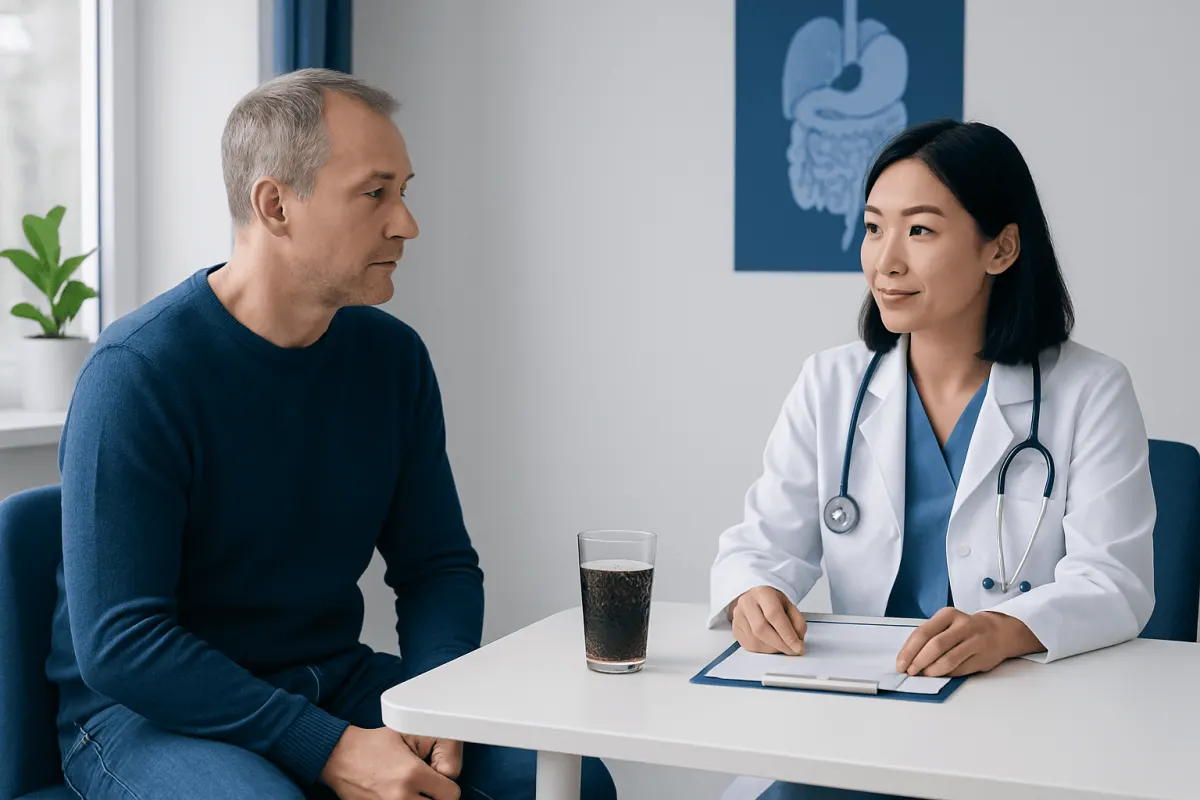
Water is usually the best main drink after gallbladder removal because it supports hydration without adding carbonation, caffeine, excess sugar, or fat. Small, frequent sips can be easier than large amounts at once in the first part of recovery, especially if anesthesia-related nausea is still present.
Other options that may be well tolerated include clear broth, caffeine-free herbal tea, diluted non-citrus juice, and low-sugar electrolyte drinks when there has been vomiting or diarrhea. A clinician may recommend a specific rehydration approach for people with diabetes, kidney disease, heart conditions, or dietary fluid restrictions.
It may help to limit alcohol until the surgeon confirms it is safe, especially while taking prescription pain medicines or while nausea is present. Coffee, energy drinks, very sweet beverages, and highly carbonated drinks are not necessarily prohibited long term, but they can aggravate symptoms for some people. A gradual approach makes it easier to see which drinks suit the individual.
- Choose still water as the usual drink.
- Try non-caffeinated and non-carbonated drinks first.
- Use smaller portions when reintroducing coffee, soda, or juice.
- Keep track of symptoms such as diarrhea, upper abdominal discomfort, or reflux.
Can you drink Coke, diet soda, or other carbonated drinks after gallbladder removal?
A person can often drink Coke or another carbonated beverage after gallbladder removal once recovery is progressing well, but it may not feel comfortable at first. The carbonation itself can cause gas and abdominal fullness. Regular cola also contains sugar and often caffeine, both of which may worsen loose stools, heartburn, or stomach upset in susceptible people.
Diet soda is not automatically easier on the digestive system. Although it does not contain sugar, it is still carbonated, and some people find that artificial sweeteners contribute to gas or diarrhea. Therefore, the answer to whether a person can drink diet soda after gallbladder removal is generally yes in moderation, provided it does not trigger symptoms.
There is no medical requirement to replace soda with a specific product. If carbonated drinks after gallbladder removal consistently cause discomfort, choosing still water, herbal tea, or another non-carbonated drink is a practical option. Symptoms often improve over time, but persistent digestive problems deserve medical advice.
What is not allowed after gallbladder removal?
There is usually no universal list of foods that are permanently not allowed after gallbladder removal. However, during the first weeks, many people do better by limiting foods that are high in fat, fried, greasy, heavily processed, or served in very large portions. These foods require more bile for digestion and are more likely to trigger cramping, bloating, or diarrhea while the body adapts.
Examples to reduce initially include fried chicken, fatty cuts of meat, sausages, creamy sauces, full-fat dairy products, pastries, pizza, chips, and rich desserts. Very spicy foods, alcohol, and large amounts of caffeine may also be irritating for some people. Introducing foods one at a time can make it easier to recognize individual triggers.
Rather than restricting food indefinitely, most people benefit from smaller, regular meals built around lean proteins, vegetables, fruit, whole grains, and modest amounts of healthy fats. For people whose surgery was related to gallstones, dietary adjustments can also support overall digestive comfort after the condition has been treated.
Can I eat a grilled cheese sandwich after gallbladder surgery?
A grilled cheese sandwich may be difficult to tolerate soon after gallbladder surgery because it can be high in fat from cheese, butter, and oil used for cooking. During the earliest recovery period, lower-fat foods are often a more comfortable choice, such as toast, rice, soup, oatmeal, bananas, lean poultry, or cooked vegetables, depending on the surgeon’s advice.
Once a person is eating regular meals without significant nausea, pain, or diarrhea, a lighter version may be tried in a small portion. Using less cheese, choosing lower-fat cheese, lightly toasting rather than frying with butter, and pairing it with a simple soup or salad may reduce the fat load.
If a grilled cheese sandwich causes diarrhea, upper abdominal discomfort, or nausea, it is best to wait and try again later rather than assuming it can never be eaten. Food tolerance after surgery is individual and often improves gradually over several weeks.
A practical plan for food and drink during recovery
After gallbladder removal surgery, a gradual return to usual eating is often more comfortable than making sudden dietary changes. Starting with fluids and simple, low-fat meals, then increasing variety and portion sizes as tolerated, gives the digestive system time to adjust. Eating slowly and having smaller meals more often can help reduce discomfort.
A short food-and-symptom diary can be useful. Recording meals, drinks, timing, and symptoms such as bloating or diarrhea may reveal whether soda, dairy, fried foods, caffeine, or another trigger is contributing. This information can also help a doctor or dietitian give more tailored advice.
Acıbadem Health Point’s multidisciplinary specialists and JCI-accredited hospitals support international patients with diagnosis, surgery, and recovery planning for gallbladder conditions. Individual postoperative dietary guidance should always follow the advice of the treating surgical team.
When to seek medical care
Mild bloating, temporary changes in bowel movements, and reduced appetite can occur as recovery progresses. However, a person should contact their surgeon or another qualified clinician if digestive symptoms are severe, persistent, worsening, or preventing adequate fluid and food intake.
Prompt medical assessment is important for fever, increasing abdominal pain, repeated vomiting, yellowing of the skin or eyes, dark urine, pale stools, a swollen abdomen, shortness of breath, chest pain, redness or drainage from the incision, or inability to keep liquids down. These symptoms may not be caused by soda or a particular food and should not be managed by diet changes alone.
Ongoing diarrhea, pain after meals, or indigestion that does not settle may also need evaluation. A clinician can check for postoperative complications, medication effects, bile-related problems, or another digestive condition and recommend appropriate care.
Frequently asked questions
01Can you drink soda after gallbladder removal surgery?
Yes, most people can eventually drink soda after gallbladder removal surgery. It is often more comfortable to wait until regular fluids and food are being tolerated, then start with a small amount. Carbonation, sugar, and caffeine can cause bloating or diarrhea in some people.
02Can you have Coke after gallbladder removal?
Coke is usually not permanently restricted after surgery, but it may cause gas, reflux, or loose stools during early recovery. A small serving is a safer way to test tolerance than a large bottle. Water and other non-carbonated drinks are generally preferable at first.
03Can you drink diet soda after gallbladder removal?
Diet soda can be tolerated by many people, but it still contains carbonation and may contain sweeteners that upset some digestive systems. It may be reasonable to try a small amount after early recovery symptoms have improved. If it causes cramping, gas, or diarrhea, choosing a non-carbonated drink may help.
04Why do I have diarrhea after gallbladder removal?
After the gallbladder is removed, bile flows into the intestine more continuously rather than being released in larger amounts with meals. This can contribute to temporary loose stools, particularly after fatty foods. Persistent or severe diarrhea should be discussed with a clinician because treatment and dietary advice may be helpful.
05Do I need a low-fat diet forever after gallbladder removal?
Most people do not need to follow a strict low-fat diet forever. In the weeks after surgery, reducing fried and high-fat foods can ease symptoms while the digestive system adjusts. Over time, many people can return to a balanced diet with moderate portions of healthy fats.
06What should I eat first after gallbladder surgery?
The surgical team may recommend clear liquids first, followed by light, low-fat foods as tolerated. Common choices include soup, toast, rice, oatmeal, bananas, lean protein, and cooked vegetables. The best pace depends on the procedure and the person's nausea, appetite, and bowel symptoms.
This article is for general information only and is not a substitute for professional medical advice. Please consult a qualified doctor about your individual situation.
Persistent digestive symptoms? Get evaluated in Turkey
JCI-accredited · board-certified surgeons · reply within 24h
Add us as a Preferred Source to see more of our trusted health content across Google Search, AI Overviews and Discover.