Gallbladder Symptoms: Signs, Causes and Treatment

Key Takeaways
- Gall bladder symptoms often appear after fatty meals and may come and go in episodes.
- Right upper abdominal pain, nausea, bloating, and pain spreading to the back or right shoulder are common clues.
- Gallstones are a frequent cause, but inflammation and infection can produce more urgent symptoms.
- Ultrasound is the most common first test used to evaluate gall bladder problems.
- Persistent pain, fever, jaundice, or vomiting should prompt prompt medical assessment.
Gall bladder symptoms often start as pain or discomfort after meals, but they can also include nausea, bloating, or pain that seems to move to the back or shoulder. Understanding the pattern of symptoms can help a person know when simple observation is enough and when medical evaluation is needed.
Overview
The gall bladder is a small organ that sits under the liver and stores bile, a fluid that helps the body digest fat. When the gall bladder is irritated or blocked, the body may give fairly recognizable signals, although the early symptoms are sometimes mistaken for indigestion or a “bad stomach.”
Gall bladder symptoms can range from a brief ache after a heavy meal to a more intense episode of pain that spreads across the upper abdomen or into the right shoulder. Some people experience only a single attack, while others notice repeated episodes over time. For international patients planning care away from home, understanding the symptom pattern is useful because it helps describe the problem clearly during a consultation, whether the visit happens before travel, during a medical trip, or after returning home.
Not every upper abdominal discomfort means a gall bladder problem, but the location, timing, and related symptoms often provide important clues. A clinician usually looks for patterns such as pain after eating, nausea, and tenderness under the right ribs, then confirms the cause with tests.
Symptoms
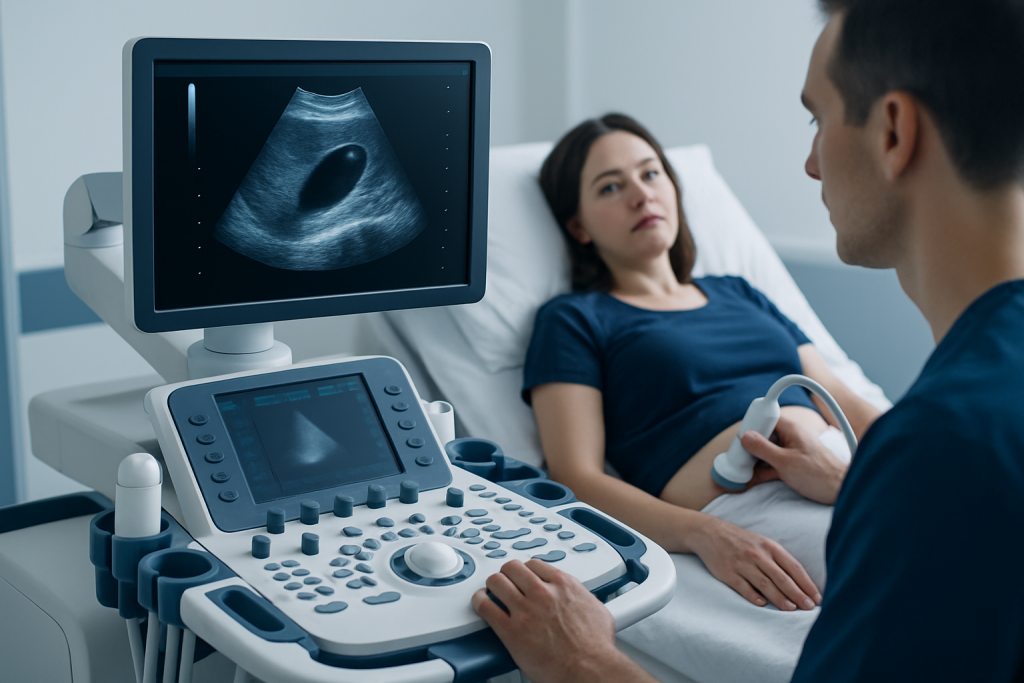
The most common symptom is pain in the upper right side of the abdomen, though some people feel it in the middle upper abdomen instead. The pain may be steady, cramping, or sharp, and it often begins after a meal, especially one that is rich or greasy. Episodes can last minutes to hours and may settle on their own before returning later.
Other gall bladder symptoms may include nausea, vomiting, bloating, burping, and a feeling of fullness soon after eating. Some people notice that the pain travels to the back or under the right shoulder blade, which can make it seem like a muscular problem at first. If the gall bladder becomes inflamed, the pain can feel more constant and the abdomen may become tender to touch.
Symptoms that suggest a more serious problem can include:
- Fever or chills
- Yellowing of the skin or eyes
- Dark urine or pale stools
- Severe pain that does not ease
- Repeated vomiting or inability to keep fluids down
These symptoms deserve timely medical attention because they may indicate blockage, infection, or inflammation that should be assessed without delay.
Causes & Risk Factors
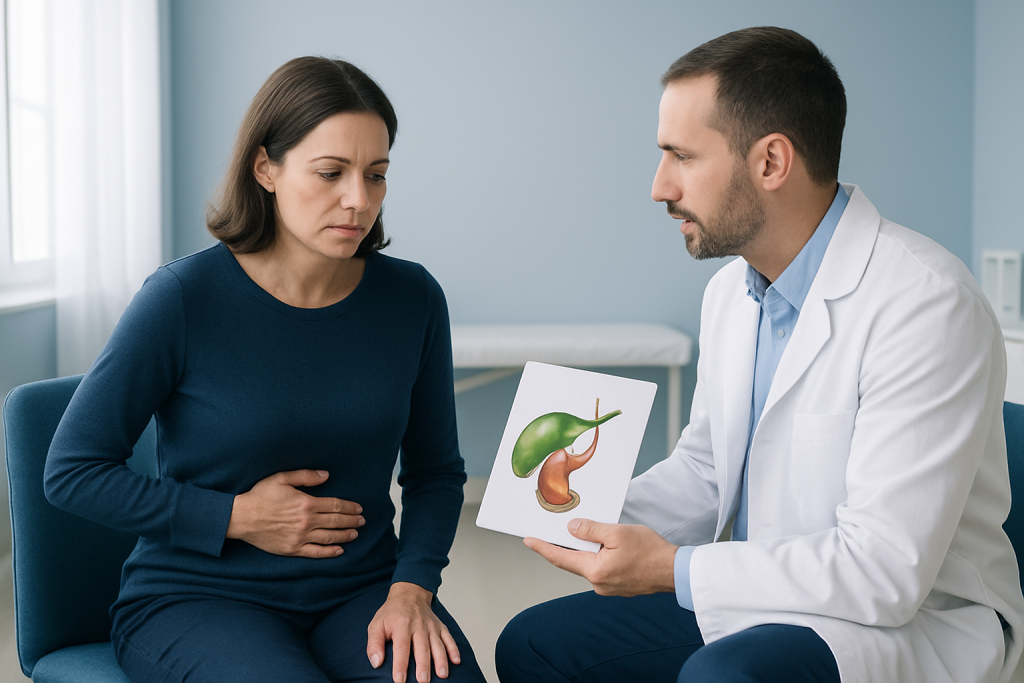
Gall bladder symptoms are most often caused by gallstones, which are hardened deposits that can form in the bile stored in the gall bladder. If a stone blocks the flow of bile, pressure builds and pain can develop. Even when no stone is present, the gall bladder can still become inflamed or not empty properly, leading to similar complaints.
Several factors can increase the likelihood of gall bladder problems. These include being overweight, having rapid weight loss, pregnancy, family history of gallstones, diabetes, and certain digestive conditions. Age, sex, and hormonal changes can also influence risk, but symptoms still need individual assessment rather than assumption.
Diet may influence symptoms, especially when meals are large or high in fat, because the gall bladder is asked to contract more forcefully to release bile. That said, diet alone does not explain every case. A person with repeated pain should not self-diagnose, since other conditions such as stomach ulcers, reflux, liver disease, or pancreatic problems can feel similar.
Diagnosis
Diagnosis usually begins with a careful conversation about the pain: where it starts, how long it lasts, whether it follows meals, and whether there are signs such as fever or jaundice. This history is often as important as the physical examination because gall bladder symptoms tend to follow a recognizable pattern.
The most common first test is an ultrasound of the abdomen. It can show gallstones, gall bladder wall thickening, fluid around the organ, or blockage-related changes. Blood tests may also be ordered to check for infection, liver function changes, or signs that the bile ducts are affected.
In some situations, a doctor may recommend additional imaging, such as a CT scan, MRI, or a specialized bile flow test. These are not needed for every patient, but they can help when the picture is unclear or when symptoms suggest a complication. For someone traveling for care, it is helpful to bring any prior imaging reports, laboratory results, and a short written timeline of symptoms to make the evaluation smoother.
Treatment Options
Treatment depends on the cause and on whether symptoms are mild, recurring, or complicated by infection or blockage. If gallstones are causing repeated pain, surgery to remove the gall bladder is often the definitive treatment. Many people live normally without a gall bladder because bile can still flow from the liver into the intestine.
When symptoms are mild or a person is not ready for surgery, a doctor may suggest supportive care and close follow-up. This can include short-term pain control, anti-nausea medicine, temporary dietary adjustments, and monitoring for recurrence. If there is inflammation or infection, treatment may also involve hospital-based care and medicines chosen by the medical team.
Some cases require urgent treatment, especially when a blocked duct leads to jaundice, infection, or severe pain. In those situations, the care plan may involve procedures to relieve the blockage before or instead of surgery, depending on the exact finding. The right approach is individualized, and it is usually based on symptom severity, imaging results, and overall health.
Prevention & Self-care
Not every gall bladder problem can be prevented, but some habits may reduce the chance of attacks in people who are prone to symptoms. Regular, balanced meals are often better tolerated than large, heavy meals, and sudden rapid weight loss should generally be avoided. A doctor may also advise maintaining a steady, healthy weight over time rather than cycling repeatedly between gain and loss.
If symptoms have already started, self-care is mostly about recognizing triggers and avoiding anything that seems to worsen episodes. Keeping a simple symptom diary can help identify links with certain foods, meal size, or timing. Rest, hydration, and following the clinician’s dietary advice may help while waiting for evaluation, but they do not replace medical assessment when warning signs appear.
For patients who are managing care across borders, practical self-care also includes keeping all test results together, noting medication names, and planning a clear follow-up route after travel. A coordinated plan makes it easier to continue treatment if symptoms recur once the person is back home.
When to See a Doctor
A doctor should be consulted if Abdominal Pain: Causes and Treatment" class="ahp-ilk">upper abdominal pain keeps returning, especially if it follows meals or comes with nausea or bloating. Even when the pain goes away on its own, repeated episodes may point to gallstones or another gall bladder condition that deserves evaluation.
Prompt medical attention is important if pain is severe, lasts for hours, or is accompanied by fever, vomiting, jaundice, dark urine, or pale stools. These features can suggest a complication rather than simple indigestion. If a person is uncertain whether the symptoms are urgent, it is safer to seek assessment rather than wait for the next episode.
In the setting of international care, the best time to ask questions is early, before travel plans become fixed. Acibadem Health Point’s multidisciplinary specialists and JCI-accredited hospitals diagnose and treat gall bladder conditions for international patients, with follow-up planning designed to stay practical after the person returns home.
Frequently asked questions
01What do gall bladder symptoms usually feel like?
They often feel like pain or pressure in the upper right abdomen, sometimes after eating. The discomfort may spread to the back or right shoulder and can come with nausea or bloating.
02Are gall bladder symptoms always caused by gallstones?
No. Gallstones are a common cause, but inflammation, poor gall bladder emptying, and bile duct problems can also cause similar symptoms. A clinician usually needs imaging and sometimes blood tests to confirm the reason.
03Can gall bladder pain go away on its own?
Yes, some episodes ease without treatment, which is why they are sometimes mistaken for indigestion. Even so, repeated attacks should be checked because the underlying problem may come back or worsen.
04What foods tend to trigger gall bladder symptoms?
Fatty or very heavy meals are common triggers because they make the gall bladder contract more. Keeping meals smaller and more balanced may help some people, but persistent symptoms still need medical review.
05Is gall bladder surgery always necessary?
Not always, but it is often recommended when gallstones cause repeated symptoms or complications. The treatment choice depends on the cause, the severity of symptoms, and the person’s overall health.
06When should gall bladder symptoms be treated urgently?
Urgent care is needed if pain is severe or comes with fever, vomiting, yellowing of the eyes or skin, dark urine, or pale stools. These signs may point to infection or blockage and should be assessed promptly.
This article is for general information only and is not a substitute for professional medical advice. Please consult a qualified doctor about your individual situation.
Persistent digestive symptoms? Get evaluated in Turkey
JCI-accredited · board-certified surgeons · reply within 24h
Add us as a Preferred Source to see more of our trusted health content across Google Search, AI Overviews and Discover.