What Does the Gallbladder Do?

Key Takeaways
- The gallbladder stores bile made by the liver and releases it during digestion, especially after fatty meals.
- Gallbladder problems often cause pain in the upper right abdomen, nausea, bloating, or pain after eating.
- Gallstones are the most common reason the gallbladder stops working normally.
- Diagnosis may include blood tests, ultrasound, and sometimes other imaging or specialized tests.
- Treatment ranges from diet adjustments and monitoring to surgery if symptoms are recurrent or complications develop.
The gallbladder is a small organ with a practical job: it stores and concentrates bile, then releases it to help digest fats after meals. When it becomes inflamed, blocked, or filled with stones, digestion can be disrupted and symptoms may appear in the upper abdomen.
Overview
The gallbladder is a small, pear-shaped organ tucked beneath the liver, but its role is surprisingly practical. It acts like a holding chamber for bile, a digestive fluid produced by the liver. When a person eats, especially a meal containing fat, the gallbladder contracts and sends bile into the small intestine to help break down food.
Because the gallbladder supports digestion rather than doing all the work itself, many people do not notice it until something goes wrong. If bile cannot flow normally, or if the gallbladder becomes inflamed, the body may respond with pain, nausea, or digestive upset. For patients deciding whether to seek care from another country, understanding this function is useful because gallbladder symptoms are often specific enough that a focused evaluation can quickly clarify what is happening.
In everyday terms, the gallbladder is less like a main engine and more like a well-timed delivery system. Its job is not to produce bile, but to store it and release it when the digestive tract needs it. That timing matters most after meals, particularly those with more fat.
Symptoms

When the gallbladder is irritated or blocked, symptoms often center on the upper abdomen. A person may feel pain on the right side under the ribs, in the middle upper abdomen, or sometimes between the shoulder blades or in the right shoulder. The pain may come on after eating, especially after a rich meal, and can last from minutes to hours.
Other common symptoms include nausea, vomiting, bloating, indigestion, and a sense of fullness that feels out of proportion to the meal. Some people notice they tolerate light meals but feel uncomfortable after greasy or fried foods. Symptoms can be mild and occasional at first, which is one reason they are sometimes mistaken for ordinary stomach upset.
It is helpful to pay attention to patterns. Repeated pain after meals, attacks that wake a person at night, or discomfort that returns over weeks or months may point toward gallbladder disease rather than a temporary digestive issue. If symptoms are accompanied by fever, yellowing of the skin or eyes, or persistent vomiting, a doctor should assess the situation promptly.
Causes & Risk Factors
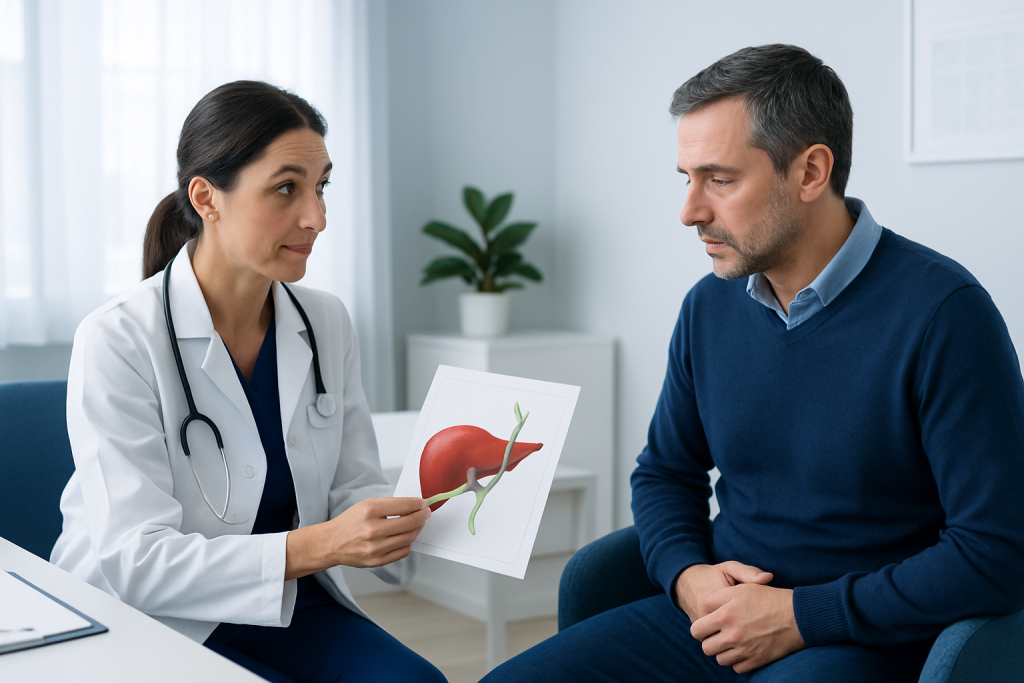
The most common cause of gallbladder trouble is gallstones. These are hardened deposits that can form when bile contains too much cholesterol, too much pigment, or too few substances that keep it balanced. Some stones stay in the gallbladder quietly, while others block the flow of bile and trigger pain or inflammation.
Gallbladder disease is also more likely when bile does not empty efficiently. Factors such as rapid weight loss, pregnancy, certain medications, family history, and some metabolic conditions can increase the chance of stones or biliary problems. Age can play a role as well, although gallbladder disease can occur in younger adults too.
Risk is not determined by one factor alone. For example, someone who travels frequently, changes meal patterns, or has recently lost weight may notice symptoms that were previously absent. In clinical practice, doctors look at the whole picture: medical history, diet changes, prior abdominal symptoms, and whether there is any evidence of infection or bile duct blockage.
- Gallstones
- Rapid weight loss or prolonged fasting
- Pregnancy or hormonal changes
- Family history of gallbladder disease
- Obesity or certain metabolic conditions
- Some medications and medical treatments
Diagnosis
Doctors usually begin with a detailed conversation about symptoms. The timing of pain, relation to meals, and whether the discomfort comes and goes all help narrow the possibilities. A physical examination may show tenderness in the upper right abdomen, although some people have a normal exam between attacks.
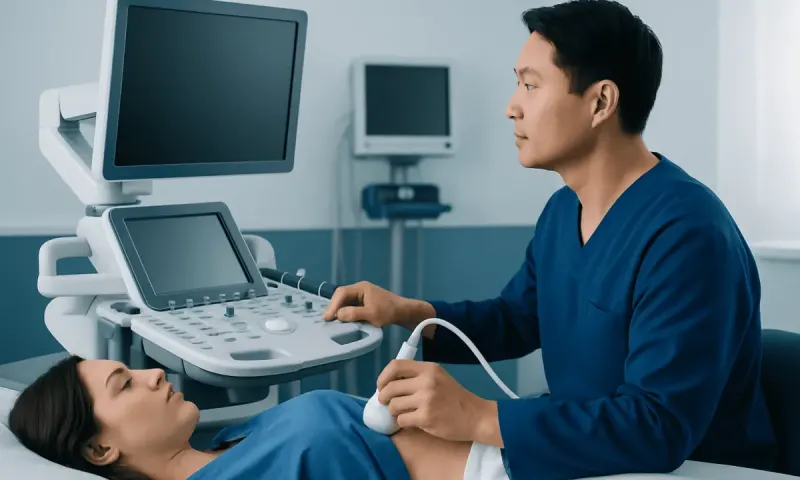
An ultrasound is often the first test because it is noninvasive and well suited to detecting gallstones and signs of inflammation. Blood tests may also be ordered to look for infection, liver irritation, or blockage of bile flow. If the picture is not clear, additional imaging or a specialized scan may be recommended to evaluate how well bile is moving.
For international patients, this stage can be efficient when done in a coordinated setting: review of the symptoms, targeted imaging, and a clear explanation of whether the gallbladder is the source of the problem. The goal is not just to name a diagnosis, but to understand whether the condition is stable, intermittent, or already causing complications that need treatment.
Treatment Options
Treatment depends on the cause and how often symptoms occur. If gallstones are present but are not causing problems, a doctor may recommend observation rather than immediate treatment. When symptoms are active, short-term measures may include pain control, anti-nausea medication, and a temporary adjustment to diet while the next steps are planned.
If gallstones repeatedly cause pain or inflammation, the most common definitive treatment is gallbladder removal, called cholecystectomy. This is often done using minimally invasive techniques when appropriate, which can support a shorter recovery. People can live normally without a gallbladder because bile still flows from the liver into the intestine, just without the same storage system.
In selected situations, other approaches may be used, such as treating an infection, addressing a blocked bile duct, or managing complications before surgery. The right plan depends on the exact diagnosis, the person’s overall health, and whether urgent treatment is needed. A surgeon or gastroenterologist can explain whether conservative care or surgery is the safest path.
Prevention & Self-care
Not every gallbladder problem can be prevented, but some habits may reduce strain on the digestive system. Regular meals, balanced nutrition, and gradual rather than rapid weight loss are often more gallbladder-friendly than long fasting periods or crash diets. People who already know they have gallstones may notice that very fatty meals are more likely to trigger discomfort.
Practical self-care can also make symptoms easier to manage while waiting for a medical review. This may include choosing lighter meals, staying hydrated, and noting which foods seem to provoke pain. A symptom diary is especially useful for people who are traveling for care, since it gives the specialist a clearer history even if the episodes happened in another country.
Self-care should be viewed as support, not as a substitute for diagnosis. Recurrent pain, fever, jaundice, or a sudden worsening of symptoms means the situation may be more than simple indigestion. In those cases, medical assessment is important rather than trying to manage it alone.
- Choose smaller, more regular meals if large meals trigger symptoms.
- Avoid very rapid weight loss.
- Keep a record of pain episodes and food triggers.
- Seek medical advice before taking supplements or restrictive diets for digestion.
When to See a Doctor
A doctor should evaluate any recurring upper abdominal pain, especially if it happens after meals or keeps returning over time. Gallbladder problems can resemble other digestive conditions, so a proper assessment helps avoid guessing. This is particularly important when symptoms begin during travel, after a major diet change, or after a period of fasting or weight loss.
Prompt medical attention is especially important if pain is severe, lasts longer than usual, or comes with fever, chills, jaundice, dark urine, pale stools, or persistent vomiting. These signs may suggest inflammation or blockage that needs timely care. Even when symptoms are not urgent, repeated attacks are a good reason to speak with a gastroenterologist or surgeon.
For people considering treatment abroad, it can help to seek a center that can combine imaging, specialist review, and treatment planning in one coordinated pathway. Acibadem Health Point’s multidisciplinary specialists and JCI-accredited hospitals diagnose and treat gallbladder conditions for international patients, helping them move from evaluation to recovery with a clear plan.
Living Without a Gallbladder
Many people worry that gallbladder removal will seriously change digestion, but most adapt well. The liver continues to make bile, which still reaches the intestine; the main difference is that bile is no longer stored and released in the same way. Some people notice temporary changes in bowel habits or tolerance for rich foods after surgery, but these often improve with time.
Recovery guidance usually focuses on returning to meals gradually and following the surgeon’s advice about activity, wound care, and follow-up. If a person is traveling home after surgery, the discharge plan matters: knowing when to resume work, when to seek help, and how to arrange follow-up with a local doctor can make recovery smoother. The details vary by procedure and overall health.
In many cases, the long-term quality-of-life benefit is that the repeated pain episodes stop. That is why a careful diagnosis is so valuable: it helps determine whether the gallbladder is still useful enough to keep or whether it has become the source of ongoing problems.
Frequently asked questions
01What does the gallbladder do in simple terms?
The gallbladder stores bile made by the liver and releases it into the small intestine when food, especially fat, needs to be digested. It helps digestion happen at the right time rather than constantly. Without it, bile still reaches the intestine, but the storage step is gone.
02Can a person live normally without a gallbladder?
Yes, most people live normally after gallbladder removal. The body continues to make bile, and digestion usually adapts over time. Some people may need to pay attention to rich foods in the early recovery period.
03What are the most common signs of gallbladder problems?
The most common signs are pain in the upper right abdomen, nausea, bloating, and pain that appears after eating. Some people also feel pain in the back or right shoulder. Fever or yellowing of the skin and eyes can suggest a more urgent problem.
04Are gallstones always treated with surgery?
Not always. If gallstones are not causing symptoms, a doctor may simply monitor them. Surgery is more likely when stones cause repeated pain, inflammation, or complications.
05What kind of test usually checks the gallbladder first?
An ultrasound is often the first test because it can show gallstones and signs of inflammation without using radiation. Blood tests may also be used to check for infection or bile flow problems. Sometimes additional imaging is needed for a fuller picture.
06When should someone seek medical help for gallbladder pain?
Medical help is important if pain keeps returning, becomes severe, or happens with fever, jaundice, or vomiting. These symptoms may point to inflammation or blockage that should be assessed promptly. Even milder recurring pain deserves a doctor’s review.
This article is for general information only and is not a substitute for professional medical advice. Please consult a qualified doctor about your individual situation.
Persistent digestive symptoms? Get evaluated in Turkey
JCI-accredited · board-certified surgeons · reply within 24h
Add us as a Preferred Source to see more of our trusted health content across Google Search, AI Overviews and Discover.