Gallbladder Issues: Symptoms, Causes and Treatment

Key Takeaways
- Gallbladder problems often begin with pain after meals, especially in the upper right abdomen.
- Gallstones are a common cause, but infection, inflammation, and bile flow problems can also affect the gallbladder.
- Ultrasound and blood tests are often used to identify the cause of symptoms.
- Treatment may include watchful waiting, medicines, or gallbladder removal depending on the diagnosis.
- Diet changes and prompt evaluation for severe symptoms can help reduce complications.
Gallbladder issues can range from occasional digestive discomfort to urgent inflammation that needs prompt medical attention. Understanding the symptoms, common causes, and available treatments helps patients make informed decisions and seek care at the right time.
Overview
The gallbladder is a small organ tucked beneath the liver. Its main job is simple but important: it stores bile, a fluid that helps the body digest fat after meals. When the gallbladder does not empty well, becomes inflamed, or develops stones, digestion can become uncomfortable and pain can appear in patterns that feel sudden or unpredictable.
“Gallbladder issues” is a broad term that includes several conditions, most commonly gallstones, gallbladder inflammation, and blockage of bile flow. Some people notice mild symptoms that come and go, while others develop a sharp attack that makes even ordinary eating feel difficult. Because these conditions can look similar at first, careful evaluation matters more than guessing based on symptoms alone.
For patients traveling from another country, gallbladder care often starts with a practical question: is this something that can wait for a planned consultation, or does it need urgent assessment now? A clear diagnosis helps guide that decision and can prevent complications from being mistaken for routine indigestion.
Symptoms

Gallbladder symptoms often appear after a meal, especially one that is heavy or rich in fat. The pain is usually felt in the upper right part of the abdomen, but it may also spread to the center of the abdomen, the back, or the right shoulder blade. Some people describe it as steady pressure; others feel cramping, tightness, or a more intense gripping pain.
Other common signs include nausea, vomiting, bloating, burping, and a feeling of fullness that seems out of proportion to the meal. In some people, symptoms are mild and intermittent. In others, the body sends clearer warning signs, such as fever, chills, yellowing of the skin or eyes, dark urine, pale stools, or worsening pain that does not ease.
- Pain after eating, especially fatty foods
- Upper right abdominal discomfort
- Nausea or vomiting
- Bloating and indigestion-like symptoms
- Fever or jaundice in more serious cases
It is worth noting that gallbladder pain can overlap with stomach, liver, or pancreatic problems. That overlap is one reason people should avoid assuming every upper abdominal ache is “just digestion.”
Causes & Risk Factors

Gallstones are the most common cause of gallbladder issues. These stones form when substances in bile, such as cholesterol or bilirubin, harden into solid particles. A stone may remain quiet for years, then suddenly block the gallbladder’s outlet and trigger pain or inflammation.
Other causes include gallbladder inflammation without stones, narrowing or blockage of the bile ducts, infection, and reduced gallbladder emptying. In some cases, a person may have symptoms without a clear stone seen at first, which is why the full clinical picture matters.
Several factors can increase the chance of developing gallbladder problems. These include a family history of gallstones, rapid weight loss, obesity, pregnancy, certain metabolic conditions, and a diet that is low in fiber or very high in refined fats. Risk is not destiny, however, and many people with risk factors never develop symptoms.
- Family history of gallstones
- Female sex and hormonal influences
- Pregnancy
- Rapid weight change
- Obesity or metabolic syndrome
- Older age
For international patients, it can be helpful to bring prior ultrasound reports, blood test results, and a list of recent symptoms when seeking a second opinion abroad. That information can shorten the path to a more precise diagnosis.
Diagnosis
Diagnosis usually begins with a detailed discussion of the pain pattern, meal triggers, associated symptoms, and medical history. A doctor may ask when the discomfort started, whether it comes and goes, and whether there has been fever, jaundice, or vomiting. These details can point toward a gallbladder cause before imaging is even done.
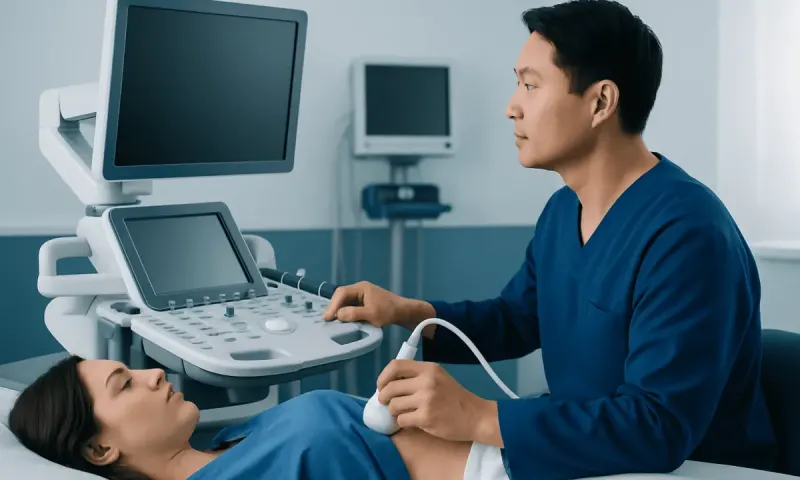
An abdominal ultrasound is often the first imaging test because it can detect gallstones, gallbladder wall thickening, and signs of inflammation. Blood tests may also be ordered to look for infection, liver irritation, or blockage of bile flow. Depending on the situation, additional tests such as a CT scan, MRI, or specialized bile-duct imaging may be recommended.
The goal of diagnosis is not only to confirm gallbladder disease, but also to rule out other causes that can feel similar, such as stomach ulcer disease, reflux, hepatitis, or pancreatic inflammation. That broader view is especially important when symptoms are persistent, severe, or unusual.
Treatment Options
Treatment depends on the type of gallbladder issue and how severe the symptoms are. If gallstones are present but not causing problems, a doctor may recommend observation and lifestyle guidance rather than immediate surgery. When pain attacks recur or complications develop, gallbladder removal, called cholecystectomy, is often considered the most effective long-term solution.
In cases of inflammation or infection, treatment may include pain control, fluids, and antibiotics when appropriate. If a stone has moved into a bile duct, a specialist may need to remove it using a procedure such as endoscopic intervention before or instead of surgery. The exact sequence depends on whether the problem is limited to the gallbladder or involves the wider biliary system.
Many patients want to know whether the gallbladder can simply be “fixed” without surgery. In some situations symptoms can be managed for a time, but recurrent stone attacks commonly return unless the underlying cause is addressed. A surgeon or gastroenterologist can explain which path best matches the individual case, medical history, and travel plans.
- Observation for silent or mild cases
- Pain relief and supportive care
- Antibiotics if infection is present
- Endoscopic treatment for duct stones
- Gallbladder removal for recurrent or complicated disease
Prevention & Self-care
Not every gallbladder problem can be prevented, but a few habits may lower the chance of attacks or make symptoms less troublesome. Eating regular meals, avoiding large greasy portions, and maintaining a steady healthy weight are often sensible steps. Very rapid weight loss can sometimes increase gallstone formation, so gradual change is usually easier on the digestive system.
People with known gallstones often notice which foods trigger discomfort. Keeping a simple symptom-and-meal note can help identify patterns without making the diet unnecessarily restrictive. Some patients do better with smaller meals, more fiber, adequate hydration, and balanced portions of protein and vegetables.
Self-care is also about timing. If pain is recurring, if symptoms are interfering with eating, or if the person is planning travel, it is better to arrange medical assessment before the problem escalates. A calm, planned consultation is often easier than dealing with a flare while away from home.
- Choose smaller, lighter meals if fatty foods trigger symptoms
- Avoid crash diets and rapid weight loss
- Stay hydrated and eat regular meals
- Track symptoms, foods, and timing
- Seek evaluation before symptoms become frequent
When to See a Doctor
Medical evaluation is advisable when abdominal pain keeps returning, is linked to meals, or is strong enough to interrupt daily activities. It is also important to seek prompt care if nausea, vomiting, or bloating is becoming a pattern rather than a one-time event. Even symptoms that seem mild can be useful clues if they are recurring in a predictable way.
Urgent assessment is especially important if there is fever, jaundice, severe persistent pain, confusion, or inability to keep fluids down. These signs may suggest inflammation, infection, or a blocked bile duct. Quick treatment can prevent a temporary problem from becoming a more serious one.
For patients considering treatment abroad, a multidisciplinary team can be helpful because gallbladder care often involves both gastroenterology and surgery. Acibadem Health Point’s multidisciplinary specialists and JCI-accredited hospitals diagnose and treat gallbladder conditions for international patients, with care coordinated around the patient’s medical needs and travel plans.
Whether care is local or international, the key message is the same: recurring upper abdominal pain deserves a proper diagnosis. Clear answers usually make the next step much easier to choose.
Frequently asked questions
01Are gallbladder issues always caused by gallstones?
No. Gallstones are the most common cause, but gallbladder inflammation, bile duct blockage, infection, and poor emptying can also lead to symptoms. A doctor may use ultrasound and blood tests to tell the difference.
02What does gallbladder pain usually feel like?
It often appears as pain in the upper right abdomen, sometimes after meals. The discomfort may spread to the back or right shoulder and can be steady, cramping, or severe.
03Can gallbladder symptoms go away on their own?
Mild symptoms may settle temporarily, especially if a triggering meal is avoided. However, recurrent attacks should be evaluated because the underlying cause may remain and symptoms can return.
04Is gallbladder removal the only treatment?
Not always. Some people are monitored without surgery, and others may need medication or endoscopic treatment depending on the problem. Surgery is often recommended when attacks are repeated or complications occur.
05Should a person change their diet if they have gallbladder issues?
A lighter diet with smaller, less fatty meals may reduce symptoms for some people. Diet changes can help with comfort, but they do not replace medical evaluation when pain keeps happening.
06When is gallbladder pain urgent?
Pain that comes with fever, jaundice, repeated vomiting, or severe lasting discomfort should be assessed promptly. These signs can point to inflammation or a blocked bile duct and should not be ignored.
This article is for general information only and is not a substitute for professional medical advice. Please consult a qualified doctor about your individual situation.
Persistent digestive symptoms? Get evaluated in Turkey
JCI-accredited · board-certified surgeons · reply within 24h
Add us as a Preferred Source to see more of our trusted health content across Google Search, AI Overviews and Discover.