Flat Feet: Symptoms, Causes and Treatment

Key Takeaways
- Flat feet can be a normal variation or develop later in life from tendon, joint, or bone problems.
- Not every flat foot needs treatment; care depends on symptoms, flexibility, and the underlying cause.
- Supportive footwear, orthotics, physical therapy, and activity changes often help manage discomfort.
- A doctor should assess one-sided flattening, worsening pain, stiffness, swelling, or changes in walking.
- Children with persistent pain, frequent tripping, or rigid flat feet should be evaluated early.
Flat feet, also called pes planus, describe a foot shape in which the arch is lower than usual or absent when standing. Many people have no symptoms, but others may notice pain, fatigue, or changes in walking that deserve medical attention.
Overview
Flat feet, or pes planus, describe a foot structure in which the arch is lower than expected or rests fully against the ground when a person stands. For some people, this is simply their natural anatomy and causes no problem at all. For others, the shape of the foot can affect comfort, balance, endurance, or the way the legs and knees move during walking.
It is helpful to think of flat feet as a feature rather than a diagnosis on its own. The important questions are whether the foot is flexible or rigid, whether the flattening has been present for years or appeared later, and whether it is linked to pain, injury, or another medical condition. Those details guide treatment far more than the appearance of the arch alone.
People often seek care after noticing that shoes wear unevenly, long walks feel harder than before, or the foot seems to roll inward more than expected. In international patient care, a careful orthopedic assessment can clarify whether the foot shape is harmless, needs support, or signals a problem that should be treated before it progresses.
Symptoms
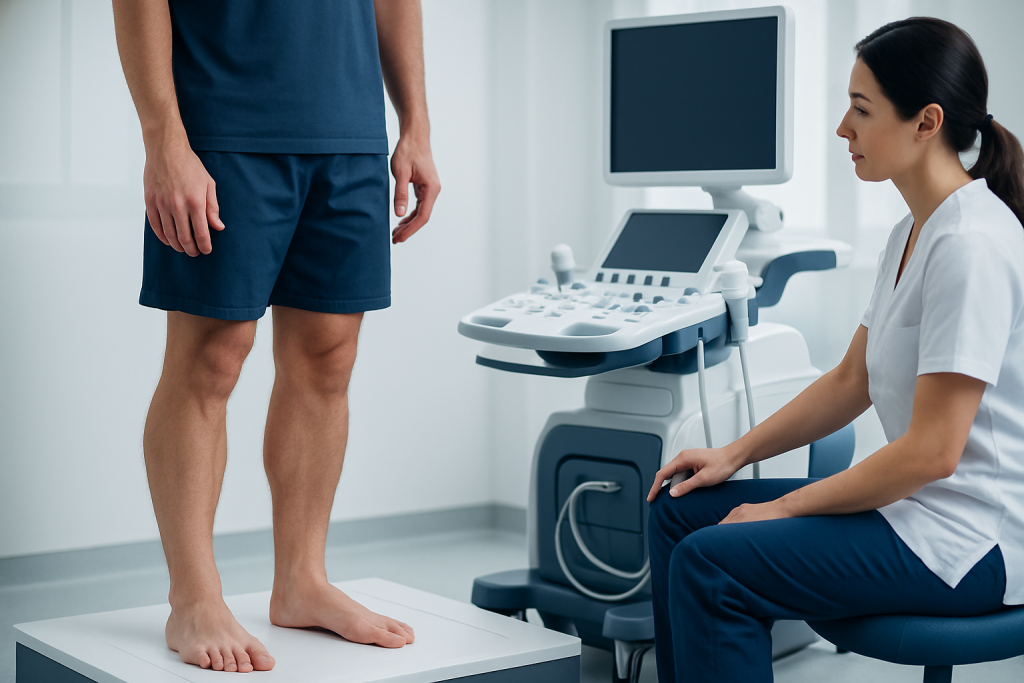
Many people with flat feet have no symptoms and only learn about it during a routine exam or when buying shoes. When symptoms do occur, they often show up as aching in the arch, heel, ankle, or along the inside of the foot. Some people feel tired after standing for long periods or notice that their feet become sore after exercise.
Other signs may be more subtle. The ankles may appear to tip inward, the shoes may show more wear on the inner edge, or the feet may feel less stable on uneven ground. In children, frequent tripping, reluctance to play for long periods, or complaints of foot pain can be clues that deserve attention.
- Foot, ankle, or heel discomfort
- Stiffness, especially after rest
- Swelling along the inner ankle or arch
- Difficulty with sports, long walks, or prolonged standing
- Uneven shoe wear or inward rolling of the foot
Severe pain, a sudden change in foot shape, or flattening that affects only one foot may suggest a more specific underlying issue. Those situations are worth prompt evaluation rather than watchful waiting.
Causes & Risk Factors
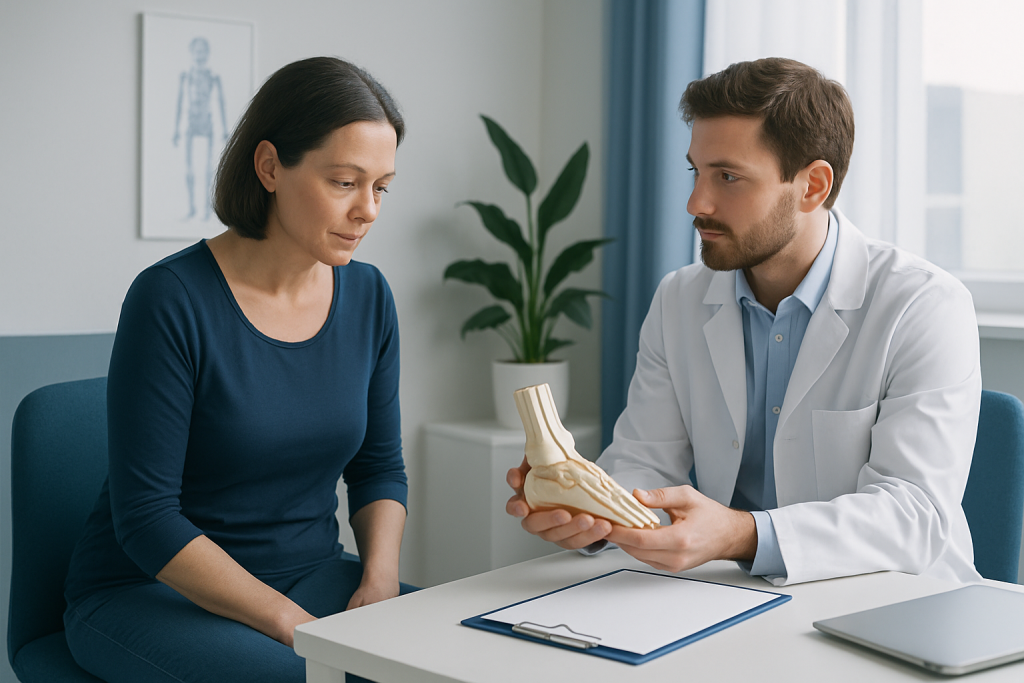
Flat feet can be present from childhood or develop later in life. In children, arches may not be fully formed yet, and many young children naturally look flat-footed when standing. As the musculoskeletal system matures, the arch may become more visible. In some people, however, the arch remains low throughout life without causing trouble.
Adult-acquired flat feet are often related to changes in the structures that support the arch, especially the posterior tibial tendon. This tendon helps hold the arch up, and when it becomes stretched, inflamed, or weakened, the foot may gradually flatten. Arthritis, injury, obesity, diabetes, pregnancy, inflammatory conditions, and nerve or muscle disorders can also contribute.
Risk factors include a family history of flat feet, loose ligaments, prior foot or ankle injury, jobs that require prolonged standing, and sports or activities that place repeated stress on the feet. Some people are also born with bone differences that limit normal arch formation or make the foot rigid rather than flexible.
Diagnosis
Diagnosis begins with a detailed history and physical examination. A clinician will ask when the foot shape was first noticed, whether pain is present, what activities make symptoms worse, and whether one or both feet are involved. Observation while standing and walking helps show how the arch behaves under body weight and whether the ankle rolls inward.
The exam often includes checking range of motion, tenderness, muscle strength, and flexibility. One useful distinction is between flexible flat feet, in which an arch appears when the foot is not bearing weight, and rigid flat feet, in which the arch stays absent. That difference can point toward very different causes and treatment plans.
Imaging is not always required, but it may help if symptoms are persistent, the foot is rigid, or surgery is being considered. X-rays can show bone alignment and arthritis, while ultrasound or MRI may be used to evaluate tendons, ligaments, or other soft tissues. The goal is not simply to label the foot shape, but to understand why it is there and whether it is affecting function.
Treatment Options
Treatment depends on symptoms, age, flexibility, and the underlying cause. If flat feet are painless and not limiting activity, reassurance and periodic observation may be all that is needed. When symptoms are present, the first steps are usually conservative and focused on improving support and reducing strain.
Supportive shoes are often a useful starting point. Footwear with a firm heel counter, cushioned sole, and good arch support may reduce discomfort. Orthotic inserts, either over-the-counter or custom-made, can help distribute pressure more evenly and support the arch during standing and walking. These devices do not always change the foot shape, but they often make daily movement more comfortable.
Physical therapy may strengthen the muscles that support foot alignment, improve calf flexibility, and address gait patterns that increase strain. Stretching and strengthening exercises can be especially helpful when tight Achilles tendons contribute to symptoms. In some cases, temporary activity modification, weight management, or anti-inflammatory medicines recommended by a clinician may be part of the plan.
Surgery is considered only when pain or deformity remains significant despite appropriate non-surgical care, or when a structural problem is causing progressive deterioration. Procedures vary widely and may involve tendon repair, bone realignment, or joint fusion depending on the cause. For international patients, this is often where a coordinated orthopedic team can help organize imaging, treatment planning, rehabilitation, and follow-up across travel schedules.
Prevention & Self-care
Flat feet cannot always be prevented, especially when they are inherited or related to body structure. Still, many people can reduce symptoms and protect foot function by paying attention to support, conditioning, and early response to discomfort. Small adjustments often make a meaningful difference in day-to-day comfort.
Choosing well-fitting shoes is one of the simplest steps. Shoes that are too soft, too worn down, or too tight may worsen strain. People who spend long hours standing may benefit from rotating footwear, using cushioned insoles, and taking short breaks to sit or stretch when possible. Gradually increasing activity rather than making sudden jumps can also help the feet adapt.
Useful self-care habits may include:
- Regular calf and foot stretching
- Strengthening exercises recommended by a physical therapist
- Maintaining a healthy body weight to reduce load on the feet
- Using orthotics or arch supports if advised
- Monitoring one-sided swelling, new pain, or worsening flattening
Parents who notice persistent pain, stiffness, or an unusual walking pattern in a child should not assume the feet will simply “grow out of it.” Early assessment can be reassuring and may prevent avoidable strain during growth and sports participation.
When to See a Doctor
Medical evaluation is a good idea when flat feet are painful, interfere with exercise or work, or seem to be getting worse. A sudden change in arch height, especially in an adult who previously had normal arches, deserves attention because it can reflect tendon injury or another structural problem.
Prompt care is also wise if the flattening is only on one side, if the foot is stiff rather than flexible, or if there is swelling, redness, weakness, or numbness. These features can point to a condition that needs more specific treatment than simple arch support. Children should be examined if they have pain, frequent falls, or trouble keeping up with peers.
Flat feet are common, and many cases are managed successfully without major intervention. The key is matching care to the person, not the foot shape alone. Acibadem Health Point’s multidisciplinary specialists and JCI-accredited hospitals diagnose and treat flat feet for international patients with an approach that can combine orthopedic assessment, rehabilitation, and coordinated follow-up.
Living Well With Flat Feet
For many people, flat feet become a manageable part of life once the right support is in place. The aim is usually to reduce pain, maintain mobility, and prevent the foot from placing extra stress on the ankles, knees, or lower back. That often means combining practical footwear choices with strengthening, flexibility work, and periodic reassessment.
It can also help to think of symptoms in context. A foot that looks flat but allows a person to walk, exercise, and work comfortably is very different from a foot that is painful, rigid, or changing over time. Clear communication with a clinician about what activities are difficult can lead to a more tailored plan.
When care is coordinated well, especially for patients traveling from another country, the process can be straightforward: diagnosis, imaging if needed, a treatment plan, and guidance for recovery and follow-up. That kind of measured approach helps people move forward with confidence rather than worry about the appearance of the arch alone.
Frequently asked questions
01Are flat feet always a problem?
No. Many people have flat feet and never develop pain or functional issues. Treatment is usually needed only when symptoms, stiffness, or progression affect daily life.
02Can flat feet be corrected without surgery?
Often, yes. Supportive shoes, orthotics, stretching, physical therapy, and activity adjustments can reduce symptoms in many cases. Surgery is reserved for selected situations when conservative care is not enough.
03Do children with flat feet need treatment?
Not always. Flexible flat feet are common in young children and may not require treatment if there is no pain or limitation. A doctor should evaluate children who have pain, stiffness, frequent tripping, or a rigid foot shape.
04What is the difference between flexible and rigid flat feet?
Flexible flat feet show an arch when the foot is off the ground, but it flattens when standing. Rigid flat feet stay flat even when the foot is not bearing weight and may be linked to a structural problem that needs medical assessment.
05Can flat feet cause pain in other parts of the body?
They can contribute to discomfort in the ankles, knees, calves, or lower back in some people, especially if the feet roll inward significantly. A clinician can check whether foot alignment is affecting the way the rest of the leg moves.
06When should an adult seek medical advice for flat feet?
An adult should seek advice if the flattening is new, worsening, painful, or only on one side. Swelling, weakness, numbness, or trouble walking are also reasons to be assessed.
This article is for general information only and is not a substitute for professional medical advice. Please consult a qualified doctor about your individual situation.
Joint and spine care in Turkey — expert assessment & treatment
JCI-accredited · board-certified surgeons · reply within 24h
Add us as a Preferred Source to see more of our trusted health content across Google Search, AI Overviews and Discover.