Lumbar Spondylosis: Symptoms, Causes and Treatment

Key Takeaways
- Lumbar spondylosis is a common degenerative condition affecting the lower spine.
- Symptoms may include stiffness, back pain, and sometimes leg pain or numbness.
- Diagnosis is based on symptoms, examination, and imaging when needed.
- Treatment often starts conservatively with exercise, posture support, and pain relief measures.
- Surgery is considered only when nerve compression or severe symptoms do not improve with other care.
Lumbar spondylosis is a wear-and-tear change in the lower spine that can cause stiffness, pain, and reduced mobility. Many people manage it well with a combination of medical assessment, targeted treatment, and practical self-care.
Overview
Lumbar spondylosis refers to age-related degenerative changes in the lower part of the spine. It is not a single disease, but a broad term that covers wear in the discs, joints, and supporting structures of the lumbar spine.
For many people, these changes develop gradually and may never cause major problems. In others, the process can lead to ongoing lower back discomfort, a sense of stiffness after sitting, or pain that is worse with movement and better with rest.
Because the lower back carries much of the body’s weight, it is especially vulnerable to long-term strain. Understanding what is happening inside the spine can help a person make sense of symptoms and choose care that is realistic, safe, and tailored to daily life.
Symptoms
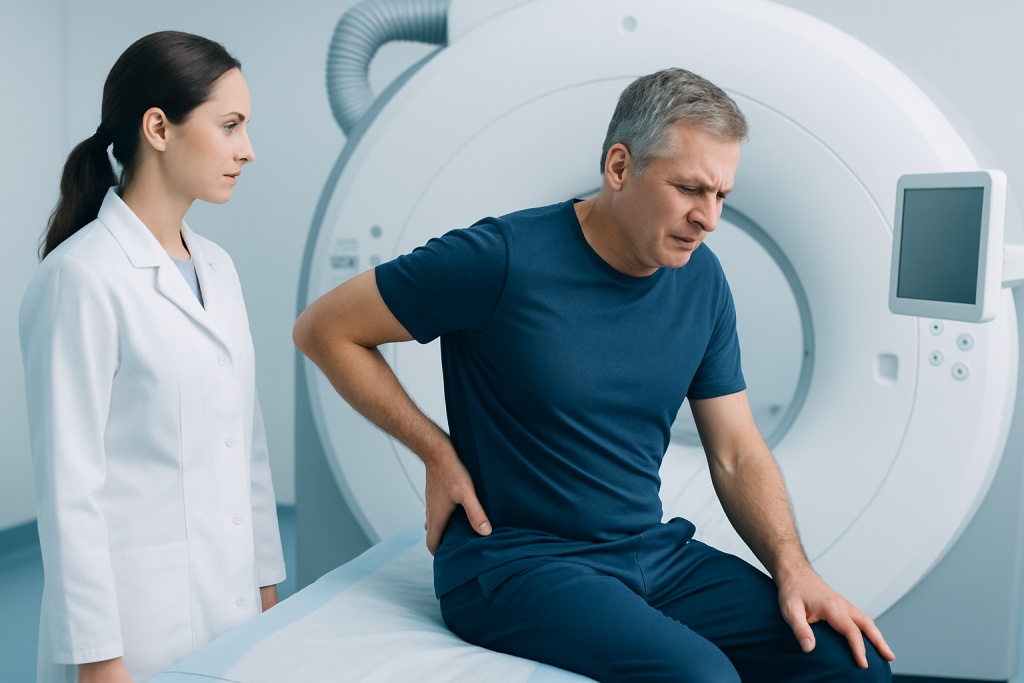
The most common symptom is lower back pain, often described as aching, dull, or intermittent. Many people notice stiffness in the morning or after sitting for long periods, especially when traveling, working at a desk, or recovering from a period of inactivity.
Some people also experience reduced flexibility, muscle tightness, or discomfort that flares when bending, lifting, or standing for extended periods. In milder cases, symptoms come and go; in more advanced cases, they may become persistent enough to limit routine activities.
If nearby nerves are irritated, symptoms can extend beyond the back. This may include pain that travels into the buttock or leg, tingling, numbness, or a feeling of weakness. These features deserve medical attention because they may suggest nerve involvement rather than back pain alone.
Causes & Risk Factors

Lumbar spondylosis usually develops over time as the spinal discs lose moisture and height, and the joints and surrounding tissues absorb more stress. Small bony changes, thickening of ligaments, and arthritis-like changes in the facet joints may also appear as part of the same process.
Age is the most common risk factor, but it is not the only one. Repetitive lifting, prolonged sitting, physically demanding work, poor posture, excess body weight, smoking, and a history of spinal injury can all place additional strain on the lower back.
Some people are more affected because of their anatomy or family tendency toward degenerative spine problems. The condition is also more likely to become noticeable when core muscles are weak, mobility is reduced, or the spine has to compensate for other joint or alignment issues.
Diagnosis
Diagnosis usually begins with a detailed discussion of symptoms, activity level, work patterns, prior injuries, and any leg symptoms. A clinician will also examine posture, spinal movement, muscle strength, reflexes, and areas of tenderness to better understand whether the problem appears mechanical or nerve-related.
Imaging may be recommended when symptoms are persistent, severe, or accompanied by numbness, weakness, or other warning signs. X-rays can show changes such as joint wear or bone spurs, while MRI is more useful when doctors need to evaluate discs, nerves, and spinal canal narrowing.
Not every person needs the same tests. In many situations, the goal is not simply to “find wear and tear,” since some degeneration is common with age, but to match the findings with the person’s actual symptoms and functional limitations.
Treatment Options
Most people begin with conservative treatment. This may include activity modification, guided exercise, heat or cold therapy, and medicines recommended by a doctor to ease pain and inflammation. The aim is usually to reduce symptoms while keeping the spine as active as possible.
Physical therapy often plays a central role. A therapist may focus on core strength, hip mobility, posture training, and movement patterns that reduce strain during bending, lifting, and walking. For many patients, this type of structured support is more helpful than rest alone.
If pain is related to nerve compression or does not improve with simpler care, doctors may discuss injections or other interventional options. Surgery is reserved for selected cases, such as significant nerve compression, progressive weakness, or pain that remains disabling despite appropriate non-surgical treatment.
For international patients, treatment planning often includes clear coordination around imaging, specialist review, rehabilitation, and follow-up after returning home. Acibadem Health Point’s multidisciplinary specialists and JCI-accredited hospitals diagnose and treat lumbar spondylosis for international patients within that coordinated pathway.
Prevention & Self-care
While age-related spinal changes cannot always be prevented, their impact can often be reduced. Regular movement, maintaining a healthy weight, and strengthening the muscles that support the spine may all help lower the load on the lower back.
Everyday habits matter as well. Short walking breaks during long flights or workdays, careful lifting technique, supportive seating, and avoiding long periods in one position can make symptoms easier to manage. People who smoke may also benefit from quitting, since smoking can affect spinal tissue health and recovery.
Self-care works best when it is consistent rather than dramatic. Gentle stretching, pacing activities, and staying engaged with a clinician-approved exercise plan are usually more helpful than trying to “push through” pain or remaining inactive for too long.
- Change positions frequently during the day.
- Use proper body mechanics when lifting or carrying.
- Choose exercises that are tolerated and sustainable.
- Follow a rehabilitation plan if symptoms affect mobility.
When to See a Doctor
Medical evaluation is a good idea if lower back pain lasts more than a few weeks, keeps returning, or begins to interfere with sleep, work, or walking. A doctor can help confirm whether lumbar spondylosis is the likely cause and rule out other conditions that may need different care.
Prompt review is especially important if pain spreads below the knee, there is numbness or weakness, balance becomes unstable, or symptoms worsen after an injury. These features can indicate nerve irritation or compression and should not be ignored.
Emergency care is needed for new loss of bladder or bowel control, rapidly increasing weakness, or severe pain with fever, unexplained weight loss, or recent major trauma. These are not typical features of simple degenerative back pain and require urgent assessment.
Living Well With Lumbar Spondylosis
Many people with lumbar spondylosis continue to work, travel, and stay active once they learn which movements help and which ones provoke symptoms. The condition often becomes more manageable when patients treat it as a long-term back-care issue rather than a short-term episode.
That usually means combining medical guidance with realistic habits: keeping the spine moving, building strength gradually, and returning for review if the pattern changes. Follow-up is especially useful when a person is planning travel for treatment, arranging rehabilitation at home, or balancing back care with a demanding job.
With the right mix of assessment, symptom control, and rehabilitation, many people find that lumbar spondylosis becomes a background condition rather than the center of daily life.
Frequently asked questions
01Is lumbar spondylosis the same as arthritis in the back?
Lumbar spondylosis is a broad term for age-related wear in the lower spine, and it can include arthritis-like changes in the facet joints. It is not always identical to one specific diagnosis, but the terms are sometimes used in overlapping ways. A doctor can explain which structures are contributing to symptoms.
02Can lumbar spondylosis cause leg pain?
Yes, it can if degenerative changes narrow spaces around the nerves or irritate a nerve root. In that case, pain may travel into the buttock, thigh, or leg, and numbness or weakness can also occur. These symptoms deserve medical review.
03Does everyone with lumbar spondylosis need surgery?
No. Most people are treated without surgery using exercise-based rehabilitation, activity changes, and symptom relief measures. Surgery is considered only when symptoms are severe, progressive, or linked to nerve compression that does not improve with other care.
04What kind of doctor should a person see first?
An orthopedic specialist, spine doctor, neurologist, or rehabilitation physician may be appropriate depending on the symptoms. The best starting point often depends on whether pain is mainly mechanical, nerve-related, or affecting function more broadly. A primary care doctor can also help guide the first evaluation.
05Can exercise help lumbar spondylosis?
Yes, appropriate exercise is often one of the most useful parts of treatment. The goal is usually to improve flexibility, core support, and movement tolerance without aggravating pain. A clinician or physical therapist can suggest a safe plan based on the person’s condition.
06When should someone seek urgent help for back pain?
Urgent care is important if back pain comes with bladder or bowel changes, rapidly worsening weakness, major numbness, fever, or severe pain after trauma. These symptoms may signal a more serious problem than typical degenerative back pain. Prompt assessment helps determine the right next step.
This article is for general information only and is not a substitute for professional medical advice. Please consult a qualified doctor about your individual situation.
Joint and spine care in Turkey — expert assessment & treatment
JCI-accredited · board-certified surgeons · reply within 24h
Add us as a Preferred Source to see more of our trusted health content across Google Search, AI Overviews and Discover.