Broken Finger: Symptoms, Causes and Treatment

Key Takeaways
- A broken finger is not always obvious; swelling, pain, and reduced motion can appear similar to a sprain.
- Finger fractures are usually diagnosed with an exam and X-rays, and some injuries need more than simple splinting.
- Treatment depends on the bone, the fracture pattern, and whether the joint, tendon, or skin is also injured.
- Prompt care can lower the risk of stiffness, crooked healing, and long-term loss of hand function.
- Recovery often includes protection, pain control, and hand therapy or guided exercises after the bone begins to heal.
A broken finger is a common hand injury that can affect movement, grip, and daily tasks, especially when the fracture involves a joint or tendon. Early evaluation helps confirm the injury, protect hand function, and guide the right treatment and recovery plan.
Overview
A broken finger is a fracture in one of the small bones of the hand. Even when the break looks minor, the finger can become stiff, painful, or misaligned in ways that make writing, typing, cooking, or carrying luggage surprisingly difficult.
For international patients, hand injuries can be especially disruptive because they affect travel logistics, work, and self-care all at once. A careful assessment matters not only to confirm the fracture, but also to check whether the joint surface, nail bed, ligaments, or tendons were involved, since these details shape treatment and recovery.
Most finger fractures heal well when they are recognized early and protected correctly. The main goal is not only bone healing, but also preserving the finger’s length, rotation, and range of motion so the hand continues to function normally.
Symptoms

The most common signs of a broken finger are pain, swelling, and tenderness after a direct blow, twist, or crush injury. Bruising may appear quickly, and the finger may feel sore even when it is not being used.
Some fractures cause obvious deformity, such as a finger that looks bent, shortened, or rotated. In other cases, the finger may appear nearly normal at first, especially if the break is small or stable, which is why people sometimes assume it is “just a jammed finger.”
Symptoms that deserve attention include:
- Pain that increases with movement or gripping
- Swelling or bruising around the finger or knuckle
- Difficulty straightening or bending the finger
- Numbness, tingling, or a cold fingertip
- An open wound, nail injury, or bleeding near the fracture
- Finger rotation, overlap, or visible deformity when making a fist
When the skin is broken or the fingertip looks pale or poorly perfused, medical assessment should not be delayed. These signs may indicate a more complex injury that needs urgent treatment.
Causes & Risk Factors
Finger fractures often happen during everyday activities, not only during sports. A ball striking the tip of the finger, a fall onto the hand, a door closing on the finger, or a heavy object landing on it can all be enough to break a bone.
Sports such as basketball, football, climbing, martial arts, and racquet sports carry a higher risk because the hands are exposed and frequently absorb impact. Workplaces and homes also create risk through machinery, tools, and crush injuries.
Some people are more vulnerable to finger fractures because of bone health or repeated stress. Risk can be higher with:
- Older age or reduced bone density
- Previous hand injury or deformity
- High-impact sports or manual labor
- Poor balance or frequent falls
- Conditions that weaken bone strength
The exact fracture pattern matters too. A simple crack is managed differently from a fracture that runs into the joint, involves multiple fragments, or shifts the bone out of alignment.
Diagnosis
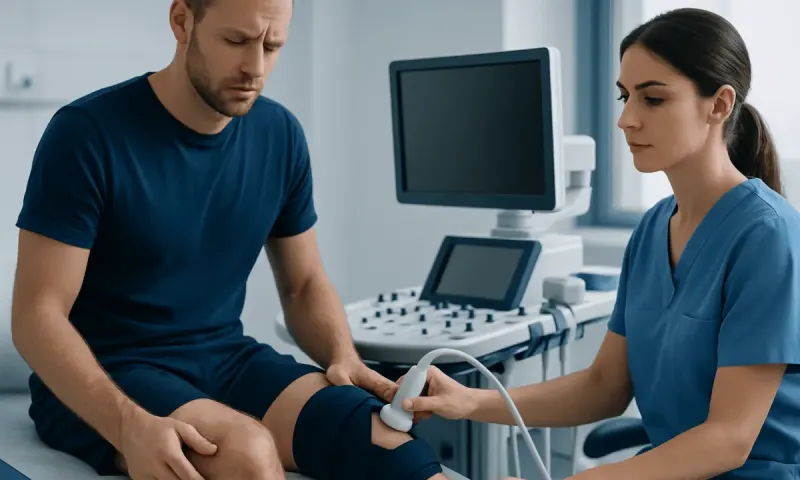
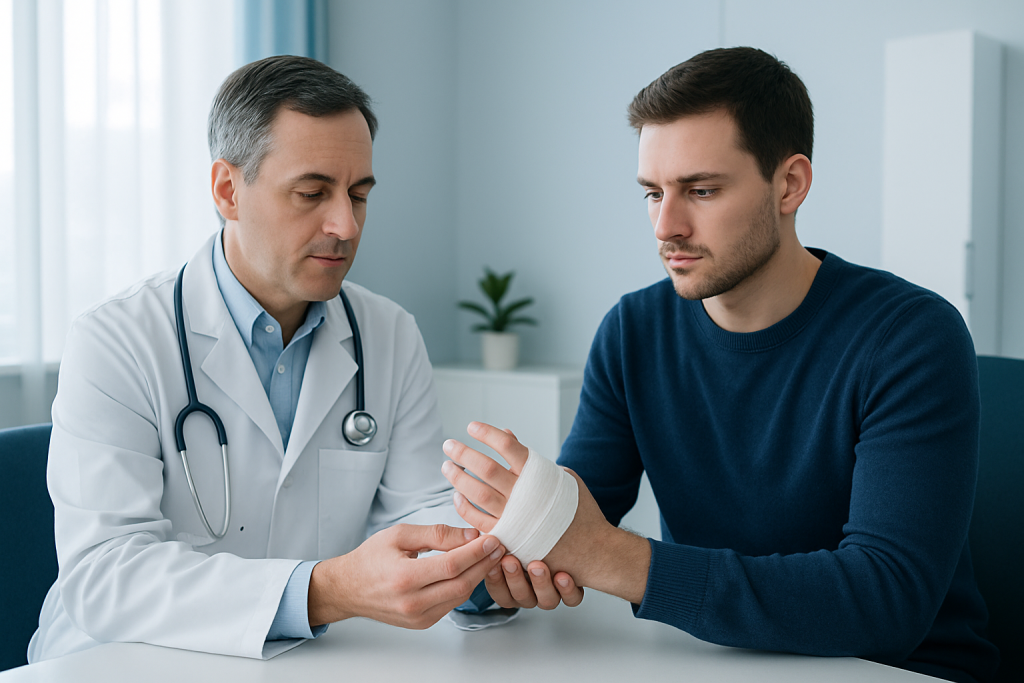
Diagnosis starts with a physical examination of the injured finger, hand, and wrist. A clinician usually checks swelling, tenderness, alignment, sensation, blood flow, and whether the finger bends and straightens normally.
X-rays are the main test used to confirm a broken finger and to see where the fracture is located. They also help show whether the bone is displaced, whether the joint is involved, and whether more than one bone is injured.
In some situations, additional imaging may be needed if the fracture is subtle or if the injury is more complicated than expected. This can be helpful when pain is significant but the first X-ray is unclear, or when tendon or ligament damage is suspected alongside the fracture.
People traveling for care often benefit from having imaging reviewed together with the clinical exam, because a finger that looks “mostly straight” can still have a rotation problem that affects hand function later. A thorough hand assessment helps avoid missed injuries and unnecessary delays in healing.
Treatment Options
Treatment depends on the type of fracture and how stable the bone is. Some broken fingers heal with splinting or buddy taping, while others need reduction, casting, or surgery to restore alignment.
If the bone is out of place, a clinician may first perform a closed reduction, which means gently moving the bone back into position without an incision. After that, the finger is usually protected with a splint or tape to limit movement while the bone heals.
Common Pain Treatment Options: When to Start With Therapy and When to Consider Surgery" class="ahp-ilk">treatment options include:
- Splinting or buddy taping: Used for stable fractures that do not need major repositioning
- Closed reduction: Used when the bone needs to be realigned
- Immobilization: Short-term protection to allow bone healing
- Surgery: Considered for open fractures, unstable fractures, significant rotation, joint involvement, or fractures that cannot be kept aligned
- Hand therapy: Often important after immobilization to reduce stiffness and restore movement
Pain is usually managed with general measures such as rest, elevation, and clinician-recommended pain relief. The exact plan should be individualized, especially when the fracture is near a joint or when returning home soon after treatment is planned.
In more complex cases, a hand specialist may recommend follow-up X-rays to make sure the bone stays in position. This is particularly important for international patients, because the follow-up schedule and travel timing need to be coordinated with healing milestones.
Prevention & Self-care
Not every finger fracture can be prevented, but many hand injuries can be reduced by using the right protective habits. Sports gloves, proper technique, hand protection at work, and attention to surroundings all lower the risk of sudden impact or crush injuries.
After treatment begins, self-care supports healing and helps prevent stiffness. The finger should be protected exactly as instructed, and swelling is often eased by elevating the hand when resting. Keeping the hand dry and watching for worsening pain, numbness, or color change are also important.
Helpful self-care steps often include:
- Follow splint or tape instructions carefully
- Keep the hand elevated when possible during the first days
- Move unaffected joints as advised to reduce stiffness
- Do not remove immobilization early unless a clinician says it is safe
- Avoid returning to sports or heavy lifting before clearance
Rehabilitation is frequently what restores comfortable hand use after the bone itself has healed. Simple exercises, when started at the right time, can make a meaningful difference in grip strength, dexterity, and confidence with daily tasks.
When to See a Doctor
Medical evaluation is recommended whenever a broken finger is suspected, especially if there is deformity, severe pain, an open wound, or trouble moving the finger. A fracture should not be assumed to be minor just because the swelling seems manageable.
Urgent care is especially important if the fingertip becomes numb, cold, pale, or blue, or if the finger is visibly crooked after injury. These findings can suggest circulation, nerve, or alignment problems that should be addressed promptly.
Follow-up is also important if pain and swelling do not improve as expected, if the finger feels unstable, or if stiffness becomes a barrier to using the hand. For patients traveling from abroad, coordinated orthopedic assessment can help balance treatment, recovery, and safe timing for return travel.
Acibadem Health Point’s multidisciplinary specialists and JCI-accredited hospitals diagnose and treat broken finger injuries for international patients, with attention to both immediate care and follow-up planning.
Recovery and Outlook
Recovery time varies with the location of the fracture, how well the bone lines up, and whether surgery was needed. Some stable fractures improve steadily with protection, while more complex injuries may need a longer period of healing and guided rehabilitation.
Stiffness is one of the most common after-effects of a finger fracture, which is why hand movement is reintroduced thoughtfully rather than rushed. Once the clinician confirms it is safe, exercises often help the finger regain flexion, extension, and coordination.
Most people regain good function with the right treatment and follow-up, but full recovery can take patience. The best results usually come from combining bone protection, careful monitoring, and timely hand therapy when indicated.
Frequently asked questions
01How can someone tell if a finger is broken or just sprained?
The symptoms can overlap, but a broken finger is more likely to cause deformity, pain with any movement, and tenderness directly over the bone. An X-ray is often needed to tell the difference with confidence. When in doubt, it is safer to have the injury evaluated.
02Do all broken fingers need a cast?
No. Some fractures only need splinting or buddy taping, while others need reduction or surgery. The best choice depends on how stable the fracture is and whether the joint is involved.
03Can a broken finger heal on its own?
Some stable fractures may heal, but untreated injuries can heal crookedly or become stiff. Proper alignment and protection improve the chance of a good hand function later. A clinician should assess the injury before deciding on home care alone.
04How long does recovery usually take?
Recovery varies by fracture type and treatment, so there is no single timeline that fits every case. The bone may heal before strength and motion fully return, especially if the finger has been immobilized. Follow-up helps determine when exercises and normal use can safely resume.
05When is surgery considered for a broken finger?
Surgery may be recommended if the fracture is open, unstable, badly displaced, involves the joint surface, or cannot be held in the correct position with a splint. It may also be considered if the finger rotates or overlaps when making a fist. A hand specialist can explain whether surgery offers better alignment and function.
06What should be done right after a finger injury?
The hand should be rested and elevated, and any rings should be removed as swelling may increase quickly. If the finger looks deformed, numb, or poorly colored, urgent medical care is appropriate. Avoid trying to force the finger back into place at home.
This article is for general information only and is not a substitute for professional medical advice. Please consult a qualified doctor about your individual situation.
Joint and spine care in Turkey — expert assessment & treatment
JCI-accredited · board-certified surgeons · reply within 24h
Add us as a Preferred Source to see more of our trusted health content across Google Search, AI Overviews and Discover.