Fibula Fracture: Symptoms, Causes and Treatment
Key Takeaways
- Fibula fractures can happen alone or with ankle, tibia, or ligament injuries.
- Pain, swelling, bruising, and trouble bearing weight are common signs.
- Treatment depends on whether the fracture is stable, displaced, or part of a wider injury.
- Many fibula fractures heal well with immobilization, activity modification, and rehabilitation.
- Follow-up care is important, especially for patients traveling for treatment or recovery.
A fibula fracture is a break in the thinner bone on the outer side of the lower leg. It can range from a minor, stable injury to part of a more complex ankle or leg fracture pattern, so proper assessment matters.
Overview
The fibula is the slimmer of the two bones in the lower leg. It runs beside the tibia and helps support the ankle, stabilize the leg, and provide attachment points for muscles. When it breaks, the injury may seem straightforward at first, but the full picture is not always obvious from the outside.
A fibula fracture may occur on its own after a direct impact, twisting injury, or sports accident. In other cases, it appears together with an ankle sprain, a tibial fracture, or an injury to the syndesmosis, the strong tissue that helps keep the lower leg bones aligned. That is why a careful medical evaluation is important even when the pain seems manageable.
For people considering treatment away from home, understanding the likely pathway helps with planning. Many stable fibula fractures can be managed without surgery, while more complex fractures may need imaging, immobilization, or an operation followed by rehabilitation. A clear diagnosis helps patients organize travel, mobility support, and follow-up care with confidence.
Symptoms
Symptoms often begin immediately after the injury. The outer lower leg or ankle may hurt with movement, and tenderness is common when the area is touched. Swelling and bruising usually develop within hours, especially if the injury involves the ankle region.
Some people can still walk after a fibula fracture, which may create the impression that the injury is minor. Even so, pain when bearing weight, a limp, or a sense that the ankle feels unstable should prompt medical assessment. A visible deformity is less common in isolated fibula fractures than in larger leg injuries, but it can occur when the fracture is displaced.
Possible signs include:
- Pain along the outer lower leg or around the ankle
- Swelling, bruising, or warmth at the injury site
- Difficulty standing, walking, or pushing off the foot
- Local tenderness or pain with twisting movements
- Stiffness in the ankle or lower leg
Numbness, severe swelling, or increasing pain are not typical and deserve prompt evaluation, especially if the foot feels cold, pale, or weak.
Causes & Risk Factors
Fibula fractures most often happen when the lower leg is twisted, struck, or forced beyond its normal range of motion. Sports injuries, falls, traffic accidents, and missteps on uneven ground are common triggers. A direct blow to the outside of the leg can also break the bone.
The fibula can fracture in different ways depending on the force involved. A small crack may happen with a low-energy twist, while a more displaced break may follow a harder impact. Some fractures are linked to ankle injuries, because the fibula forms part of the ankle mortise and helps keep that joint stable.
Risk is higher in people with balance problems, weak bones, prior ankle injury, or activities that involve rapid direction changes. International travelers may face practical risk as well, since unfamiliar surfaces, fatigue, and carrying luggage can make falls more likely. For older adults, any fall with persistent leg pain should be taken seriously, even if the person can still move the ankle.
Diagnosis
Diagnosis begins with a medical history and physical examination. A doctor will ask how the injury happened, where the pain is located, and whether walking is possible. They will also check the ankle, foot, and nearby joints to look for ligament injury or signs that the tibia is involved.
X-rays are the main test used to confirm a fibula fracture and assess whether the bone is aligned. In some situations, additional imaging such as CT or MRI may be recommended, especially if the fracture is near the ankle, if the injury pattern is unclear, or if there is concern about soft tissue damage.
The evaluation also helps determine whether the fracture is stable. This is an important distinction, because a stable fibula fracture may heal with conservative care, while an unstable injury may require a different approach. For patients seeking care internationally, it is helpful to bring prior images or reports if they are available, since this can streamline treatment planning and follow-up.
Treatment Options
Treatment depends on the location of the fracture, whether the bones are displaced, and whether the ankle or tibia is also injured. Many isolated, stable fibula fractures are treated without surgery. This may include a brace, walking boot, splint, or cast to protect the area while the bone heals.
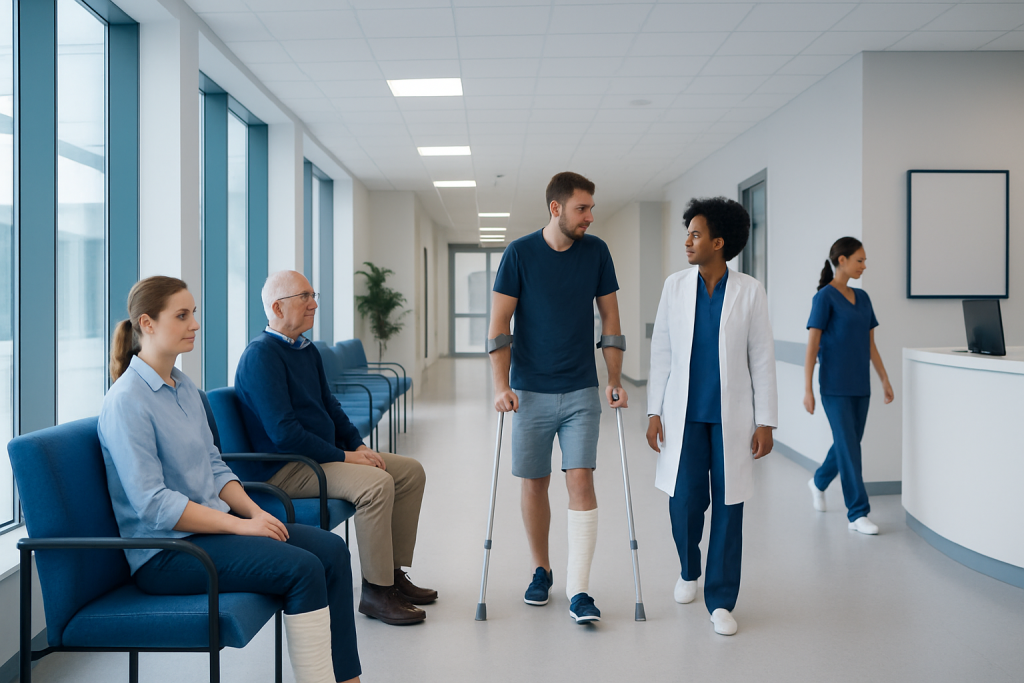
When pain and swelling are greatest, rest, elevation, and short-term protected weight bearing may be recommended. A doctor may advise crutches or another walking aid to reduce strain. If the fracture is stable, gradual return to walking is often part of recovery, guided by pain, follow-up examinations, and repeat imaging when needed.
Surgery is considered when the fracture is unstable, significantly displaced, associated with ankle instability, or part of a more complex lower-leg injury. In that setting, plates, screws, or other fixation methods may be used to restore alignment. After either surgical or non-surgical treatment, rehabilitation may be needed to regain motion, strength, and balance.
Typical treatment elements may include:
- Immobilization with a boot, cast, or splint
- Temporary reduction in weight bearing
- Pain relief measures recommended by the doctor
- Physical therapy or guided exercise during recovery
- Follow-up imaging to confirm healing
Prevention & Self-care
Not every fibula fracture can be prevented, but some injuries are less likely when balance, strength, and foot support are prioritized. Supportive footwear, attention to walking surfaces, and caution on stairs or wet floors are practical steps that matter for everyday life as well as travel.
For people returning to activity after a fracture, following the rehabilitation plan is one of the most useful ways to avoid setbacks. Pushing too quickly can slow healing or provoke new pain, while a gradual progression helps the bone and surrounding tissues adapt safely. People with osteoporosis or recurrent falls should discuss bone health and fall prevention with a clinician.
Helpful self-care habits often include:
- Keeping the leg elevated when swelling is present
- Using the prescribed support device consistently
- Attending follow-up visits, even if symptoms improve
- Doing approved exercises only when cleared by the doctor
- Planning travel with mobility needs in mind, especially after surgery
When care is being coordinated from another country, it helps to know the schedule for dressing changes, imaging, and rehab before traveling home. A simple written plan can make the recovery period much smoother.
When to See a Doctor
Medical evaluation should be sought after any leg injury that causes ongoing pain, swelling, bruising, or trouble bearing weight. Even if the person can still walk, a fibula fracture or a related ankle injury may be present and should not be ignored.
Urgent care is especially important if the foot looks pale or blue, feels numb, or becomes cold. Worsening pain, marked deformity, an open wound, or inability to move the ankle normally also needs prompt assessment. These features can signal a more serious injury pattern that requires immediate attention.
People recovering from a known fibula fracture should contact their doctor if pain suddenly increases, swelling becomes severe, the cast or boot feels too tight, or new numbness develops. Clear follow-up is particularly useful for international patients who may be navigating rehabilitation, repeat imaging, or post-operative review from abroad. Acibadem Health Point’s multidisciplinary specialists and JCI-accredited hospitals can diagnose and treat fibula fractures for international patients as part of coordinated orthopedic care.
Recovery and Outlook
Recovery time varies widely because fibula fractures are not all the same. A small, stable fracture may improve steadily with immobilization and activity limits, while a more complex injury involving the ankle or tibia may take longer and require surgery or structured rehabilitation.
Healing is usually tracked through symptom improvement, physical examination, and sometimes repeat X-rays. As pain settles, the focus shifts toward restoring motion, balance, and confidence with walking. A gradual return to normal activity is safer than trying to resume everything at once.
Most people do well when the injury is identified early and the treatment plan is followed carefully. Good communication with the treating team matters, particularly for patients who are returning home between visits. If the instructions are clear and follow-up is arranged, recovery is often manageable and predictable.
Frequently asked questions
01Can a person walk on a fibula fracture?
Sometimes, yes. Some fibula fractures are stable enough that walking is still possible, but that does not rule out a significant injury. Pain, swelling, or a limp after a twist or fall should still be checked by a doctor.
02Does a fibula fracture always need surgery?
No. Many isolated fibula fractures heal without surgery using a boot, cast, or splint. Surgery is more likely when the fracture is displaced, unstable, or associated with ankle or tibial injury.
03How is a fibula fracture different from an ankle sprain?
The symptoms can overlap, which is why imaging is sometimes needed. A sprain affects ligaments, while a fracture involves the bone, and both can happen together after the same injury. Persistent pain or difficulty bearing weight should be evaluated.
04What should someone do right after the injury?
They should avoid putting full weight on the leg, rest it, and seek medical assessment, especially if pain is significant. Elevation and temporary immobilization may help until the injury is examined. If the foot becomes numb, cold, or unusually swollen, urgent care is needed.
05How long does recovery take?
Recovery varies based on the fracture type and whether surgery is needed. Stable fractures may heal over several weeks, while more complex injuries can take longer and require rehabilitation. The treating doctor can give the most reliable timeline after imaging and follow-up.
06Can a fibula fracture heal on its own?
The bone can heal, but it should not be left without proper assessment. A doctor needs to confirm that the fracture is stable and that there is no associated ankle or tibial injury. Appropriate support helps the bone heal in the right position.
This article is for general information only and is not a substitute for professional medical advice. Please consult a qualified doctor about your individual situation.
Joint and spine care in Turkey — expert assessment & treatment
JCI-accredited · board-certified surgeons · reply within 24h
Add us as a Preferred Source to see more of our trusted health content across Google Search, AI Overviews and Discover.