Fibroid vs Polyps: How Uterine Growths Differ
Fibroids and uterine polyps can both cause heavy or irregular bleeding, but they are different types of growths. Fibroids develop from uterine muscle, while polyps arise from the inner uterine lining; imaging and, sometimes, hysteroscopy help a clinician distinguish them and plan care.
Fibroid vs polyps: the main differences at a glance
In the question of fibroid vs polyps, the key difference is where the growth begins. A uterine fibroid develops in the smooth muscle of the uterus. A uterine polyp, also called an endometrial polyp, develops from the endometrium, the tissue lining the inside of the uterus. Both are commonly benign, meaning noncancerous.
Symptoms can overlap, particularly heavy menstrual bleeding or bleeding at unexpected times. However, their location, appearance and treatment options are different. A gynaecologist considers symptoms alongside imaging results, age, menstrual history and reproductive plans before recommending observation, medication or a procedure.
| Feature | Uterine fibroid | Uterine polyp |
|---|---|---|
| Where it starts | Muscle wall of the uterus | Inner lining of the uterus |
| Typical appearance | Firm, round mass; may grow in or around the uterine wall | Soft overgrowth of lining tissue, often attached by a narrow stalk or broad base |
| Common symptoms | Heavy periods, pelvic pressure, frequent urination, pain or enlarged abdomen | Bleeding between periods, irregular periods, bleeding after menopause or fertility difficulties |
| First-line assessment | Pelvic examination and ultrasound | Ultrasound, often followed by saline sonography or hysteroscopy if needed |
| Common procedure when needed | Myomectomy, uterine artery embolisation or other fibroid-focused treatment | Hysteroscopic polypectomy |
Neither finding automatically requires treatment. The appropriate approach depends on the individual situation, including how troublesome symptoms are and whether there is concern about abnormal tissue changes.
How would I know if I have fibroids or polyps?
It is usually not possible to know with certainty from symptoms alone. Fibroids may cause heavy or prolonged periods, pelvic fullness, cramping, pain during sex, constipation, frequent urination or difficulty becoming pregnant. Small fibroids may cause no symptoms at all.
Polyps often cause changes in bleeding rather than pressure symptoms. These may include spotting between periods, periods that are unpredictable or unusually heavy, bleeding after sex, or any vaginal bleeding after menopause. Some polyps are discovered during investigations for infertility or before fertility treatment.
A person should arrange a medical assessment for new or persistent abnormal bleeding. A clinician may ask about the timing and amount of bleeding, pregnancy possibility, medicines and family history, then perform a pelvic examination and recommend appropriate tests. Keeping a record of menstrual dates, bleeding intensity and associated pain can make the consultation more informative.
Heavy bleeding can contribute to iron-deficiency anaemia. Symptoms such as fatigue, breathlessness on exertion, dizziness or paleness should be mentioned, as blood tests may be appropriate.
Can a polyp be mistaken for a fibroid?

Yes. A polyp can sometimes be mistaken for a fibroid on a standard pelvic ultrasound, especially when a growth is near the uterine cavity or when the image is not fully clear. A small fibroid that bulges into the cavity, called a submucosal fibroid, may look similar to an endometrial polyp.
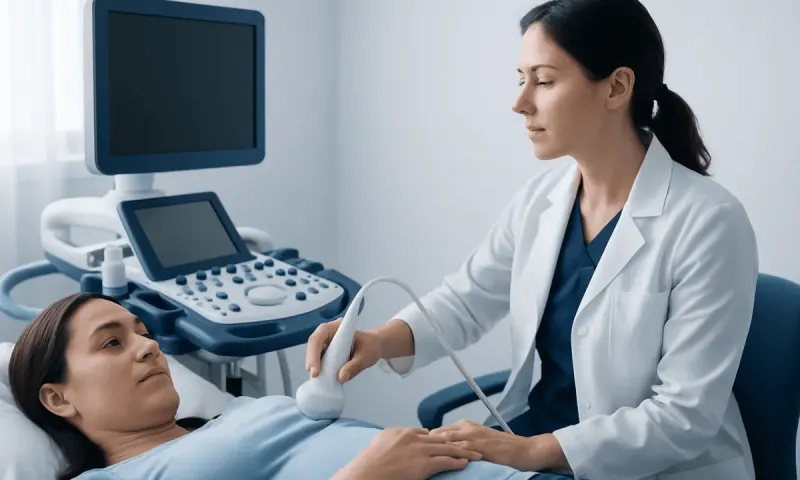
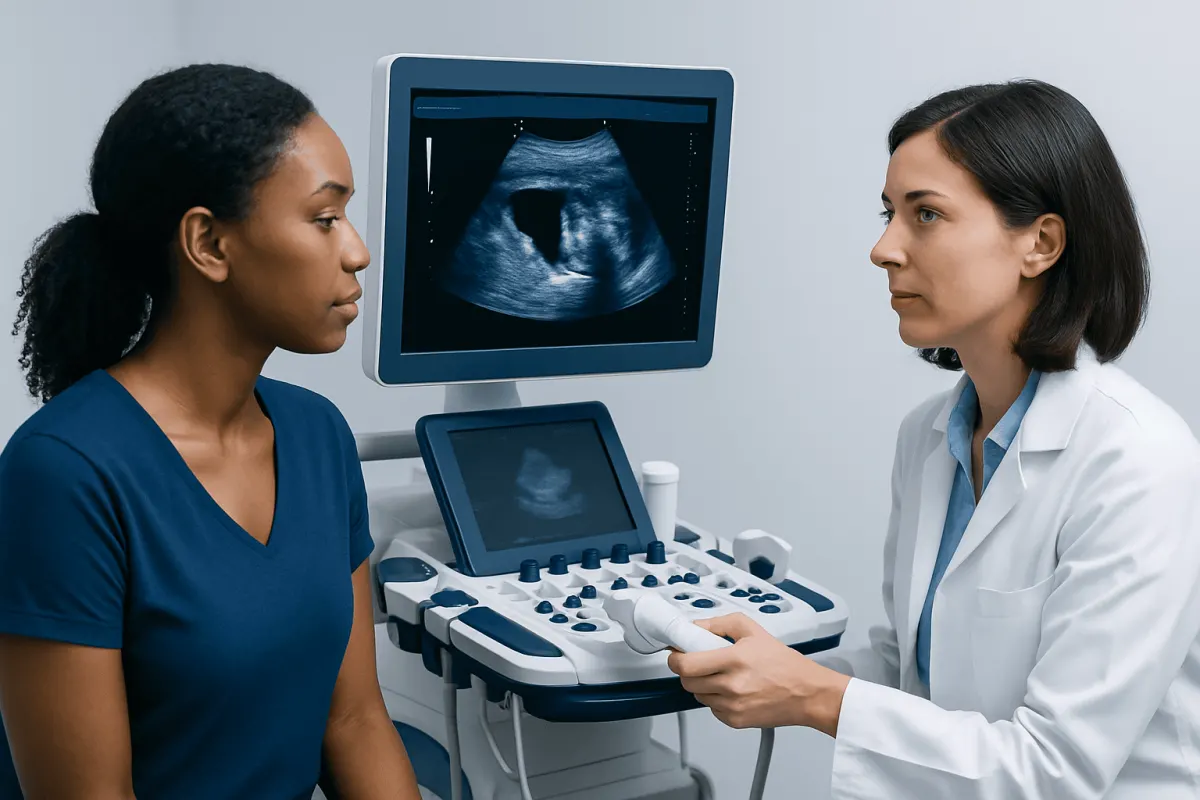
When comparing a fibroid vs polyp on ultrasound, the clinician looks at the growth’s position, shape and relationship to the uterine wall. Fibroids usually arise from muscle and may alter the contour of the uterus. Polyps are located within the lining and may appear as a focal area of thickened endometrium. Blood-flow imaging can provide additional clues but does not always give a final answer.
If uncertainty remains, saline infusion sonography may be used. During this ultrasound examination, sterile fluid is placed in the uterus to outline the cavity more clearly. Hysteroscopy, which uses a thin camera passed through the vagina and cervix, allows the clinician to see inside the uterus directly and remove or biopsy suspicious tissue when appropriate.
MRI may occasionally be useful for complex fibroids or when detailed mapping is needed before treatment. It is not routinely needed for every person with abnormal bleeding.
Fibroid vs polyp vs cyst: what is the difference?
The phrase fibroid vs polyp vs cyst describes three different types of findings. Fibroids are solid growths of uterine muscle. Uterine polyps are overgrowths of the endometrial lining. A cyst is a fluid-filled sac and is most often found in or on an ovary rather than inside the uterus.
Ovarian cysts are common, particularly during reproductive years, and many are linked to the normal menstrual cycle. They may disappear without treatment. Some can cause one-sided pelvic discomfort, bloating or sudden pain if complications occur, while others cause no symptoms.
Because these conditions can all be detected during pelvic imaging, it is important to ask where a finding is located: in the uterine wall, in the uterine cavity, or on an ovary. This location helps determine its likely cause, whether follow-up is needed and which specialist treatment options may be relevant.
What age are uterus polyps most common?
Uterine polyps can occur at any age after menstruation begins, but they are most commonly diagnosed in people in their 40s and 50s, around the transition to menopause. They may also occur after menopause, when any vaginal bleeding should be assessed promptly.
Changes in hormone signalling, particularly oestrogen-related stimulation of the uterine lining, are thought to play a role. Other factors associated with a higher likelihood of polyps include high blood pressure, obesity and use of tamoxifen, a medicine used in some breast cancer treatments. These factors do not mean that a person will develop a polyp.
Fibroids are also most common during reproductive years and often shrink after menopause as hormone levels change. However, any newly recognised pelvic mass or bleeding after menopause needs medical evaluation rather than being assumed to be a fibroid or polyp.
What to do for fibroids and what to do for polyps
For fibroids, treatment is guided by symptoms, fibroid size and location, anaemia risk, age and pregnancy wishes. Small fibroids causing no symptoms may only need periodic review. Medicines can help control heavy bleeding or pain for some people, while procedures may be considered when symptoms are significant or fibroids affect fertility or the uterine cavity.
Potential fibroid procedures include myomectomy, which removes fibroids while preserving the uterus, and uterine artery embolisation, which reduces blood flow to fibroids so they shrink. The best option depends on the fibroid pattern and future pregnancy plans. For more information, readers may review uterine fibroids.
For polyps, a clinician may recommend watchful waiting when a small polyp causes no symptoms and the person is premenopausal. Removal is often advised for persistent abnormal bleeding, infertility assessment, large or symptomatic polyps, or polyps found after menopause. Hysteroscopic polypectomy removes the polyp through the vagina and cervix without abdominal incisions, and the removed tissue is commonly examined in a laboratory.
Medication may improve bleeding but does not reliably remove an existing polyp. Care should be individualised, especially for people trying to conceive or those with recurrent polyps.
Do I need a hysterectomy if I have polyps?
No. Hysterectomy, surgery to remove the uterus, is not usually needed for uterine polyps. Most polyps that require treatment can be removed with hysteroscopic polypectomy, a less invasive procedure performed through the vagina and cervix.
A hysterectomy may be discussed only in selected circumstances, such as recurrent severe symptoms alongside other significant uterine conditions, or when tissue testing identifies cancer or a high-risk precancerous change. Even then, the decision is based on the individual diagnosis, overall health, age and preferences.
Although most endometrial polyps are benign, laboratory assessment is particularly important when bleeding occurs after menopause or when there are risk factors for abnormal endometrial changes. A clinician can explain what the pathology result means and whether follow-up is needed.
When to seek medical care
Medical advice is appropriate for heavy periods that interfere with daily life, bleeding between periods, bleeding after sex, ongoing pelvic pain or pressure, difficulty becoming pregnant, or symptoms that may suggest anaemia. Vaginal bleeding after menopause should always be assessed by a qualified clinician.
Urgent care may be needed for very heavy bleeding, fainting, severe weakness, sudden intense pelvic pain, fever with pelvic pain, or possible pregnancy with pain or bleeding. These symptoms can have causes other than fibroids or polyps and should not be self-diagnosed.
Assessment commonly begins with a gynaecology consultation, pelvic examination and ultrasound. Acıbadem Health Point’s multidisciplinary specialists and JCI-accredited hospitals assess and treat uterine conditions for Myomectomy Recovery for International Patients: The Usual Travel Timeline" class="ahp-ilk">international patients, with care plans based on the individual’s diagnosis and goals.
Regular gynaecological care and timely assessment of bleeding changes can help identify the cause early and support appropriate, reassuring treatment decisions.
Frequently asked questions
01Are fibroids and polyps cancerous?
Most uterine fibroids and endometrial polyps are benign. However, tissue from a removed polyp may be examined to rule out abnormal or cancerous changes, especially after menopause. New or unusual bleeding should be assessed rather than assumed to be harmless.
02Can fibroids and polyps occur at the same time?
Yes, a person can have both fibroids and uterine polyps. They can cause overlapping bleeding symptoms, and imaging or hysteroscopy can help identify each finding. Treatment may address one or both conditions depending on their location and symptoms.
03Can uterine polyps affect fertility?
Polyps inside the uterine cavity may interfere with implantation in some people or contribute to infertility. Removing a polyp may be considered during a fertility evaluation, particularly when it affects the cavity. The likely benefit depends on individual reproductive history and other fertility factors.
04Do fibroids always need to be removed?
No. Fibroids that are small and do not cause symptoms often need no treatment. Removal or other procedures may be considered for heavy bleeding, pain, pressure effects, anaemia, fertility concerns or rapid change that requires assessment.
05Will a uterine polyp go away on its own?
Some small polyps may regress, particularly before menopause, but this cannot be predicted reliably. A clinician may recommend monitoring in selected cases. Polyps causing abnormal bleeding or found after menopause are more likely to need evaluation or removal.
06What test is best for finding a uterine polyp?
Transvaginal ultrasound is commonly the first test. If the result is unclear, saline infusion sonography or hysteroscopy can provide a more detailed view of the uterine cavity. Hysteroscopy also allows a polyp to be removed and tested when needed.
This article is for general information only and is not a substitute for professional medical advice. Please consult a qualified doctor about your individual situation.
IVF & fertility treatment in Turkey — success rates and costs
JCI-accredited · board-certified surgeons · reply within 24h
Add us as a Preferred Source to see more of our trusted health content across Google Search, AI Overviews and Discover.