Intramural Uterine Leiomyoma: Symptoms and Care Options
An intramural leiomyoma of uterus is a benign growth that develops within the muscular wall of the uterus. Many cause no symptoms and do not require treatment, while others can affect menstrual bleeding, pelvic comfort, fertility, or pregnancy planning.
Overview: What an Intramural Leiomyoma Means
An intramural leiomyoma of uterus is a noncancerous growth made of smooth muscle and fibrous tissue that forms inside the muscular wall of the uterus. It is also called an intramural fibroid or uterine myoma. Fibroids are common during the reproductive years and can occur as a single growth or as several growths of different sizes.
The term intramural describes the location rather than the severity. A fibroid may remain within the uterine wall, grow toward the outer surface of the uterus, or bulge inward toward the uterine cavity. Whether it causes symptoms depends more on its size, exact position, number, and effects on the uterine cavity than on the name alone.
For many people, an intramural leiomyoma is an incidental finding on an ultrasound performed for another reason. It is generally normal and safe to monitor a small, symptom-free fibroid. It is not necessary to remove every fibroid, and the finding does not mean cancer.
What Can Be Normal and What May Need Assessment
It can be normal to have an intramural fibroid without any noticeable change in health. Some people have regular menstrual cycles, no pain, and no fertility concerns. In this situation, a clinician may recommend observation with periodic review rather than immediate treatment.
Symptoms can develop if a fibroid changes the uterus’s shape, enlarges, or presses on nearby organs. Possible symptoms include heavier or longer menstrual bleeding, pelvic fullness, lower abdominal pressure, menstrual cramps, back discomfort, frequent urination, constipation, or discomfort during sex. Symptoms vary widely, and their intensity does not always match fibroid size.
Heavy bleeding deserves particular attention because it can lead to iron-deficiency anemia. Signs may include tiredness, reduced exercise tolerance, shortness of breath with usual activities, dizziness, paleness, or a racing heartbeat. These symptoms have many possible causes, but they should be discussed with a healthcare professional.
Fibroids often grow slowly, may remain stable for years, and commonly shrink after menopause as estrogen levels fall. A change in symptoms should still be evaluated, especially after menopause, when new vaginal bleeding is not considered a normal fibroid symptom.
Why Intramural Fibroids Develop and Who Is More Likely to Have Them
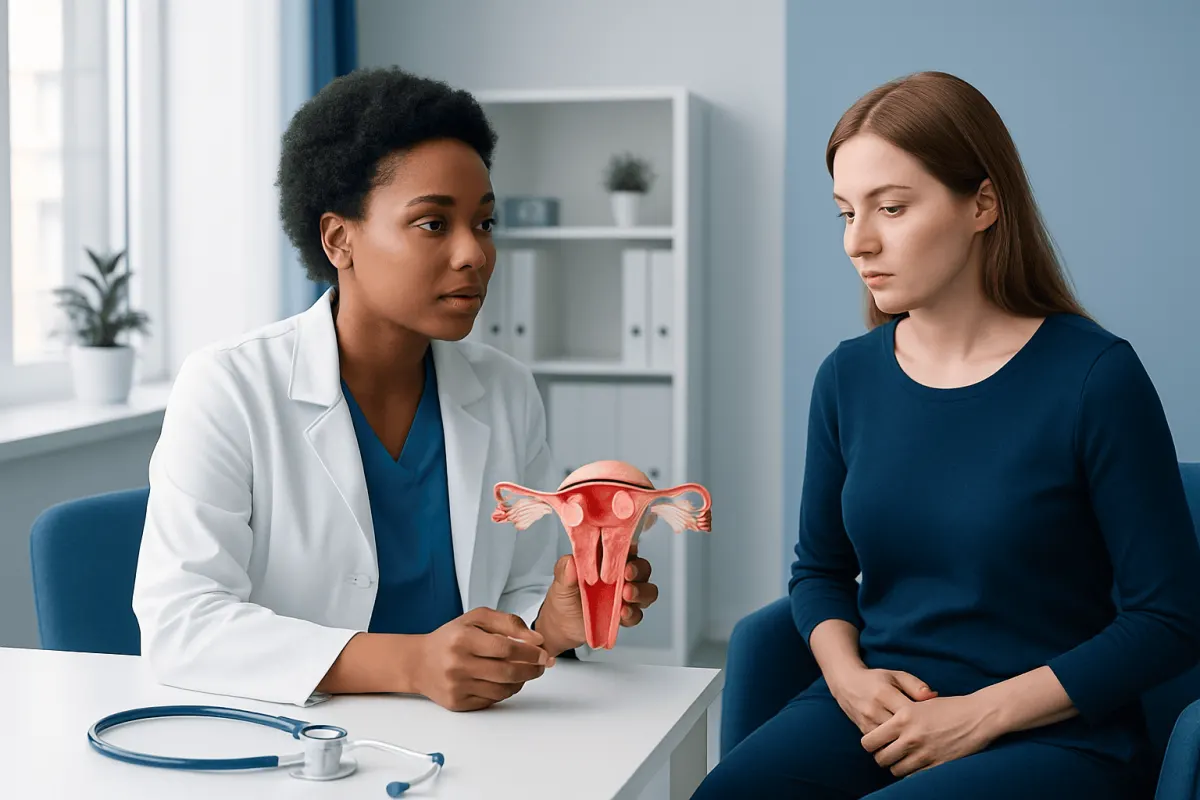
The exact cause of uterine fibroids is not fully understood. They appear to be influenced by reproductive hormones, particularly estrogen and progesterone, as well as genetic and cellular factors. Fibroids tend to occur during the years when hormone levels are active and may change in size during pregnancy or around menopause.
Factors associated with a higher likelihood of fibroids include having a close family member with fibroids, increasing age through the reproductive years, and certain inherited differences in uterine muscle cells. Body weight and some lifestyle factors may also be associated with risk, although no single behavior directly causes an intramural leiomyoma.
Fibroids are not caused by sexual activity, contraceptive use, or stress alone. They are not an infection and are not contagious. People should avoid blaming themselves for a fibroid diagnosis; it is a common gynecologic condition with several effective ways to manage symptoms when needed.
Although leiomyomas are benign, new or concerning pelvic symptoms should not be assumed to be caused by a known fibroid without an assessment. Other gynecologic, urinary, digestive, and hormonal conditions can cause similar symptoms.
How Doctors Diagnose and Monitor Intramural Leiomyoma
A clinician usually starts with a discussion of menstrual patterns, pelvic symptoms, medications, pregnancy plans, and medical history. A pelvic examination may suggest an enlarged or irregularly shaped uterus, but imaging is generally needed to confirm the diagnosis and define the fibroid’s location.
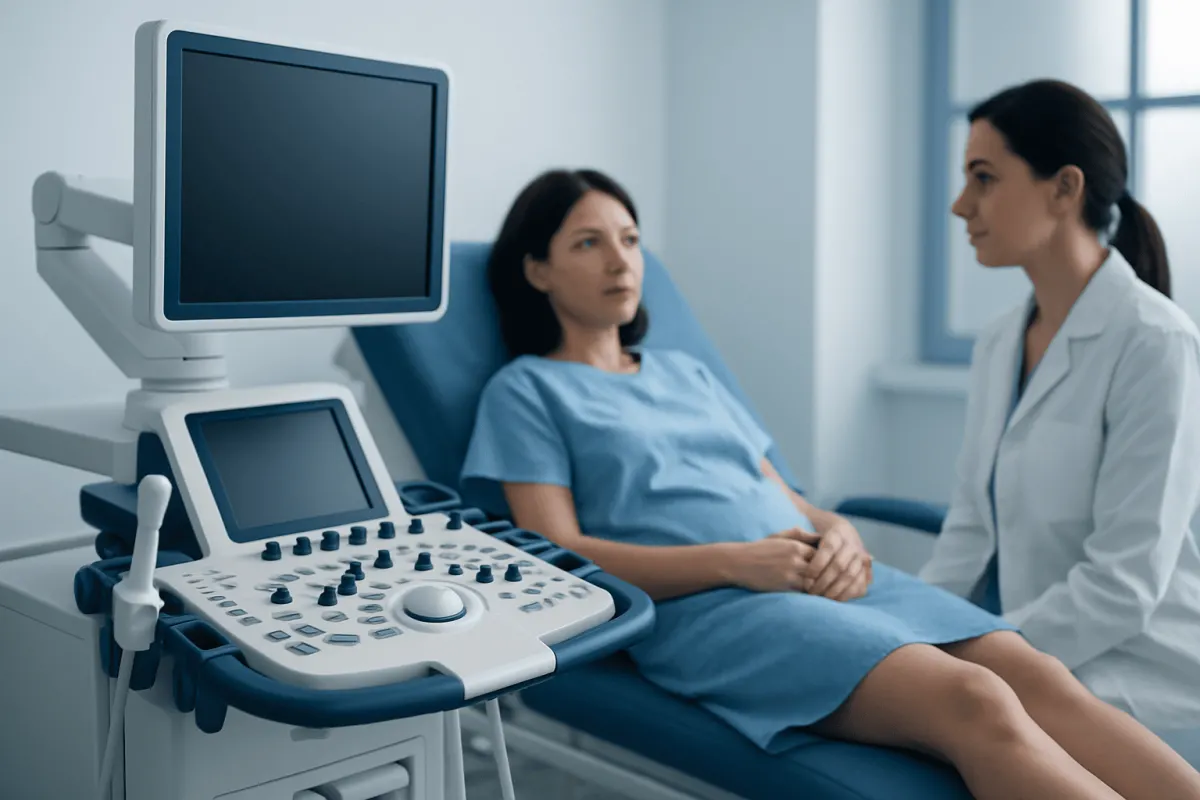
Pelvic ultrasound, performed through the abdomen and/or vagina, is the most common first imaging test. It can show the number, size, and position of fibroids. If the ultrasound does not clearly answer an important question, magnetic resonance imaging (MRI) may provide a more detailed map of fibroids and surrounding pelvic structures.
Blood tests may be recommended when bleeding is heavy or prolonged. These may check for anemia and iron deficiency. When abnormal bleeding is present, clinicians may also consider age, medical history, and other possible causes; in some situations, further assessment of the uterine lining is appropriate.
Monitoring is individualized. A person without symptoms may simply return for routine gynecologic care and seek review if symptoms arise. Repeat imaging may be useful when symptoms change, a fibroid was difficult to characterize, pregnancy is being planned, or treatment decisions depend on tracking its size and position.
Effects on Fertility and Pregnancy
Many people with intramural leiomyomas conceive and have healthy pregnancies. A fibroid located entirely within the uterine wall may have little or no effect on fertility. However, certain intramural fibroids can alter the uterine cavity, become relatively large, or occur alongside other fertility factors, and these situations may affect implantation or pregnancy outcomes for some individuals.
Fertility evaluation should consider the whole clinical picture rather than the fibroid alone. Age, ovulation, fallopian tube health, sperm factors, prior pregnancy history, and the fibroid’s relationship to the uterine cavity are all relevant. A gynecologist or fertility specialist can help determine whether treatment is likely to be useful before trying to conceive or during fertility treatment.
During pregnancy, fibroids may remain unchanged, grow, or occasionally cause pain due to changes in their blood supply. Most pregnancies with fibroids progress well, but care may be tailored when a fibroid is large, low in the uterus, or close to the placenta or cervix. Treatment decisions during pregnancy are made carefully and are usually focused on symptom relief and monitoring.
For people seeking fertility care, information about uterine fibroids can help place an intramural fibroid finding within a broader reproductive-health discussion.
Treatment Options: From Monitoring to Procedures
Treatment is based on symptoms, fibroid characteristics, anemia, age, personal preferences, and plans for future pregnancy. Watchful waiting is often appropriate for people with mild or no symptoms. It involves monitoring symptoms and attending follow-up appointments as advised, rather than treating an ultrasound finding alone.
Medication can help manage heavy bleeding or pain but does not always permanently shrink fibroids. Depending on individual needs, a clinician may discuss anti-inflammatory pain medicines, hormonal options to reduce bleeding, or medicines that temporarily lower hormone stimulation of fibroids. The best option depends on medical history and whether pregnancy is desired now or later.
For persistent symptoms, procedures may be considered. Uterine artery embolization reduces blood flow to fibroids so that they shrink over time, but its suitability for people planning future pregnancy should be discussed carefully. Some fibroids can be treated with focused energy approaches in selected settings. Surgical removal of fibroids, called myomectomy, can preserve the uterus and may be recommended when fertility preservation is important.
Hysterectomy removes the uterus and is a definitive option for those with severe symptoms who do not wish to become pregnant in the future. Whenever a procedure is being considered, clinicians should explain expected benefits, risks, recovery, possible need for future treatment, and implications for fertility. Myomectomy treatment may be one option for suitable patients who wish to keep their uterus.
Self-care and When to Seek Medical Care
Self-care cannot remove a fibroid, but it can support comfort and overall health. Keeping a record of bleeding days, clotting, pain, pressure symptoms, and medication use can make clinical discussions more informative. A balanced diet with adequate iron-rich foods may support iron intake, although a clinician should diagnose and guide treatment of iron deficiency or anemia.
Regular activity, sleep, hydration, and stress-management practices may support general wellbeing, but there is no proven home remedy, supplement, or diet that reliably dissolves fibroids. Supplements and herbal products can interact with medicines or be unsafe in pregnancy, so they should be discussed with a healthcare professional before use.
Medical care should be arranged for heavy or prolonged periods, bleeding between periods, new pelvic pain or pressure, urinary or bowel changes, pain during sex, symptoms of anemia, or difficulty becoming pregnant. A prompt review is also appropriate if symptoms are becoming more disruptive or if a known fibroid seems associated with a noticeable abdominal enlargement.
Urgent care is needed for very heavy vaginal bleeding with fainting, severe weakness, chest pain, shortness of breath, or severe sudden pelvic pain. After menopause, any vaginal bleeding should be assessed without delay. Acıbadem Health Point’s multidisciplinary specialists and JCI-accredited hospitals diagnose and treat uterine fibroids for Myomectomy Recovery for International Patients: The Usual Travel Timeline" class="ahp-ilk">international patients.
Frequently asked questions
01Is an intramural leiomyoma of uterus cancer?
No. An intramural leiomyoma is a benign, or noncancerous, uterine fibroid. Fibroids are very different from uterine cancers, although new or changing symptoms should still be evaluated by a clinician.
02Can an intramural fibroid disappear on its own?
Fibroids do not usually disappear completely during the reproductive years, but they may stay the same size for long periods. Many shrink after menopause because hormone stimulation decreases. Treatment may be considered if symptoms are significant or the fibroid affects reproductive plans.
03What size intramural fibroid needs treatment?
There is no single size that automatically requires treatment. Symptoms, growth pattern, impact on the uterine cavity, anemia, and fertility or pregnancy goals are more important than size alone. A gynecologist can interpret size in the context of the person’s overall health.
04Can intramural leiomyoma cause heavy periods?
Yes. Some intramural fibroids contribute to heavier, longer, or more painful periods, particularly if they affect the uterine cavity or alter how the uterus contracts. Heavy bleeding should be assessed because it can cause iron deficiency and anemia.
05Can I get pregnant with an intramural leiomyoma?
Yes, many people with intramural fibroids become pregnant naturally and have healthy pregnancies. Whether a fibroid affects fertility depends on its size, number, and exact position, especially whether it changes the shape of the uterine cavity. Individual advice is important before fertility treatment or pregnancy planning.
06How is an intramural leiomyoma treated?
Options range from observation and medicines for bleeding or pain to procedures such as uterine artery embolization or surgery such as myomectomy. The right choice depends on symptoms, fibroid features, health history, and future pregnancy wishes. A shared discussion with a qualified gynecologist helps balance these factors.
This article is for general information only and is not a substitute for professional medical advice. Please consult a qualified doctor about your individual situation.
Persistent digestive symptoms? Get evaluated in Turkey
JCI-accredited · board-certified surgeons · reply within 24h
Add us as a Preferred Source to see more of our trusted health content across Google Search, AI Overviews and Discover.