Uterine fibroids Surgery: When It Is Needed and How It Works
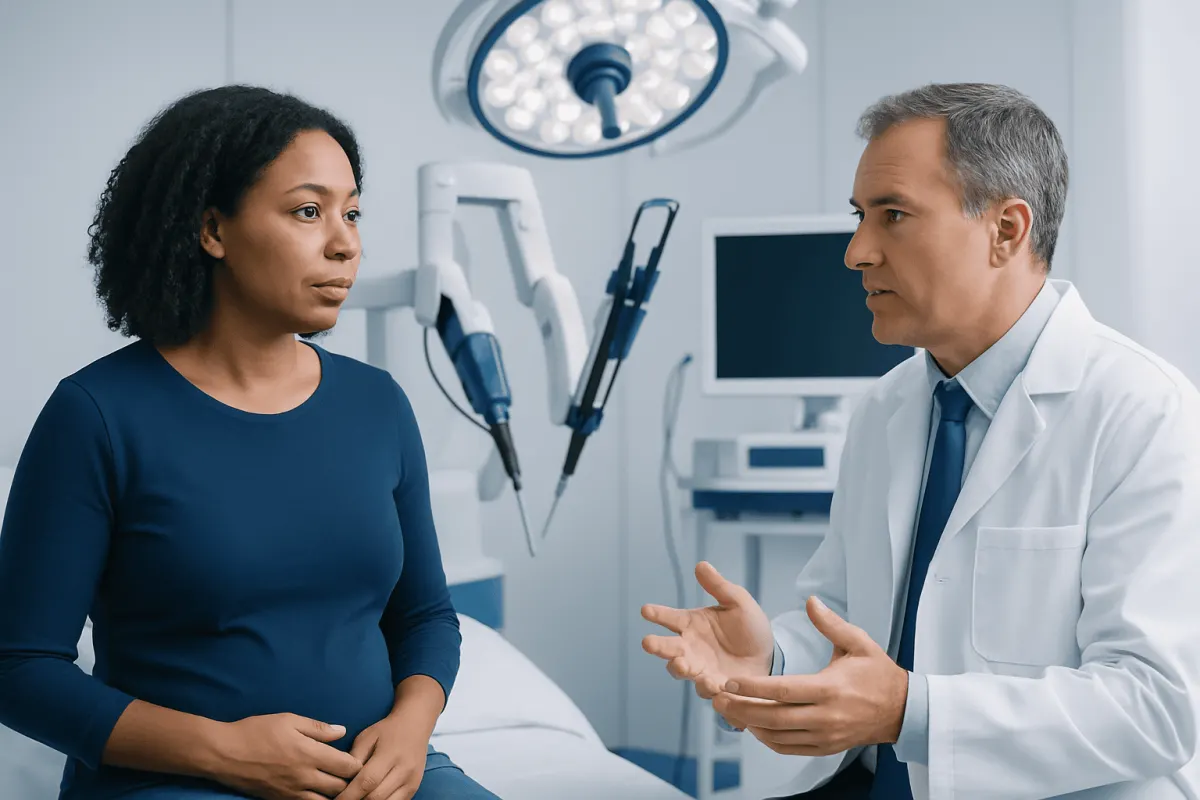
Uterine fibroids surgery is considered when fibroids cause significant symptoms, affect fertility, grow rapidly, or do not respond adequately to non-surgical care. The best procedure depends on the number, size, and location of fibroids, as well as a person’s health and future pregnancy plans.
Overview: When Is Uterine Fibroids Surgery Needed?
Uterine fibroids surgery is usually considered when fibroids cause troublesome symptoms, such as heavy menstrual bleeding, pelvic pressure or pain, frequent urination, anemia from blood loss, or difficulties with fertility or pregnancy. Surgery may also be discussed when fibroids are large, change the shape of the uterus, grow over time, or cannot be managed satisfactorily with medication or less invasive procedures.
Fibroids are noncancerous growths made of uterine muscle and connective tissue. They are common and may cause no symptoms at all. For this reason, a fibroid found during an examination or scan does not automatically require treatment. The decision is based primarily on its effect on health, daily life, and reproductive plans.
There is no single “best” operation for all patients. Depending on the fibroids and a person’s goals, a gynecologist may recommend monitoring, medication, uterine artery embolization, myomectomy, or hysterectomy. For a broader explanation of diagnosis and care options, see uterine fibroids.
How Doctors Decide Whether Surgery Is Appropriate
A gynecologist considers surgery when the expected benefits outweigh the risks and recovery involved. A common surgical threshold is persistent or severe symptoms that interfere with work, sleep, physical activity, sexual well-being, or quality of life despite appropriate conservative care. Repeated heavy bleeding that leads to iron-deficiency anemia is another important reason to assess treatment more actively.
Fertility goals are central to planning. Fibroids that bulge into the uterine cavity, known as submucosal fibroids, can sometimes affect implantation or increase the risk of certain pregnancy complications. Removing selected fibroids may be recommended before fertility treatment or pregnancy, although not every fibroid needs removal to improve fertility.
Imaging helps guide this decision. Pelvic ultrasound is commonly the first test, while magnetic resonance imaging may be useful for more detailed mapping before complex surgery. The care team will assess the number of fibroids, their location within or around the uterus, their size, and whether another gynecological condition could be contributing to symptoms.
- Symptoms remain significant despite observation, iron treatment, or medication.
- Fibroids distort the uterine cavity or are linked to fertility concerns.
- Large fibroids create pressure symptoms or abdominal enlargement.
- A patient prefers definitive treatment and does not plan future pregnancy.
Types of Uterine Fibroids Surgery and How They Work
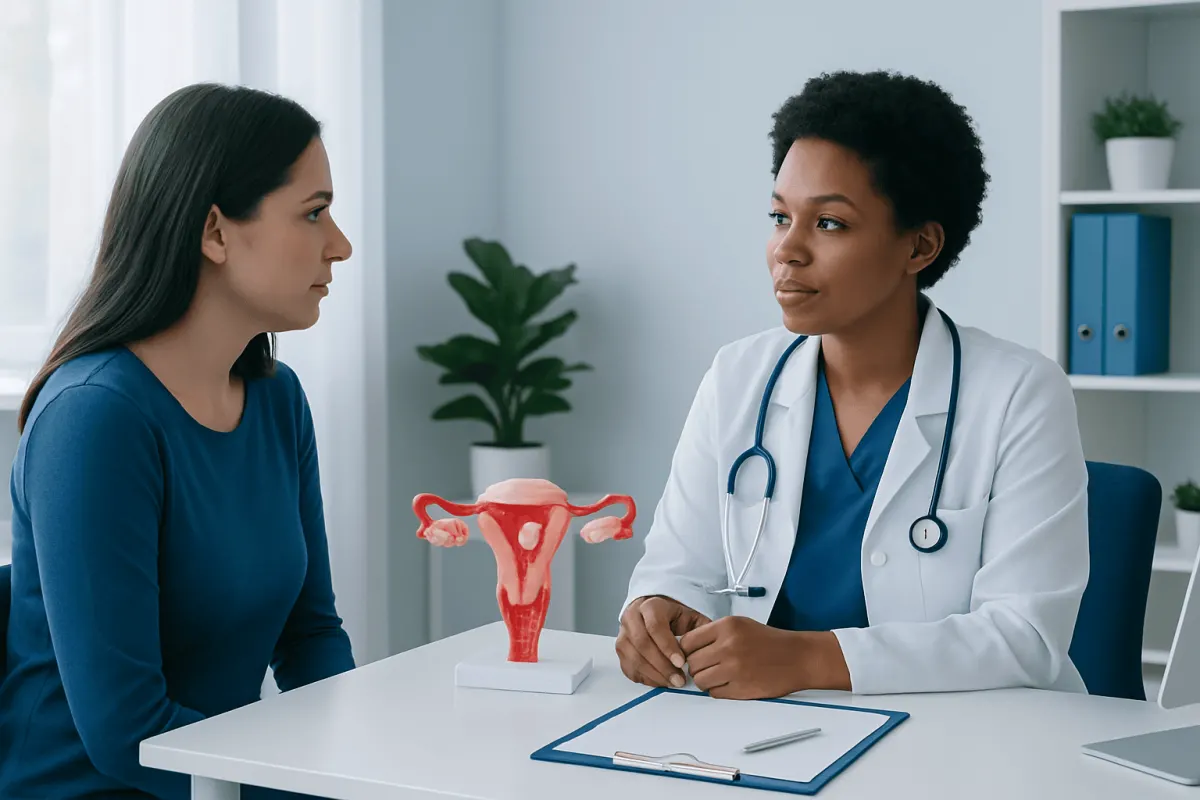
Myomectomy is surgery to remove fibroids while keeping the uterus in place. It is often considered for people who wish to become pregnant in the future or simply prefer to preserve their uterus. Because the uterus remains, new fibroids can develop later, and symptoms may recur in some people.
Hysteroscopic myomectomy is performed through the vagina and cervix, without abdominal incisions. A thin viewing instrument is passed into the uterus, and suitable fibroids within the uterine cavity are removed in small pieces. This approach is generally used for submucosal fibroids and is often performed as a day procedure.
Laparoscopic or robotic myomectomy uses a camera and specialized instruments through several small abdominal incisions. It may be appropriate for selected fibroids on the outer surface or within the uterine wall. Open abdominal myomectomy, performed through a larger incision, may be safer or more effective when fibroids are very large, numerous, deeply located, or difficult to remove minimally invasively.
Hysterectomy removes the uterus and provides a permanent solution for fibroid-related bleeding and bulk symptoms. It may be performed vaginally, laparoscopically, robotically, or through an abdominal incision. The ovaries are not necessarily removed during hysterectomy; this is a separate decision based on age, medical history, and individual preferences. Uterine fibroids treatment options can help patients understand how surgery fits alongside other approaches.
What Happens Before and During the Procedure
Before surgery, the team reviews symptoms, medical history, medications, allergies, prior operations, and plans for pregnancy. Blood tests may check for anemia and general fitness for anesthesia. If heavy periods have caused anemia, iron treatment or other measures may be advised before surgery to support safer recovery.
The procedure is usually performed under general anesthesia, meaning the patient is asleep and does not feel pain during the operation. The exact steps depend on the chosen technique. In minimally invasive surgery, the surgeon inserts a camera and instruments through small openings or uses the natural vaginal route. In open surgery, an incision is made in the lower abdomen to access the uterus directly.
During a myomectomy, the surgeon identifies each planned fibroid, removes it carefully, and repairs the uterine muscle where needed. During hysterectomy, the uterus is separated from surrounding supporting tissues and removed by the safest available route. Tissue removed during surgery is usually examined in a laboratory to confirm the diagnosis.
Patients are encouraged to ask their surgeon why a particular approach is recommended, whether minimally invasive surgery is feasible, and how the procedure could affect future pregnancy. Occasionally, the final surgical approach may need to change during the operation if findings make another method safer.
Benefits, Limitations, and Possible Risks
The main potential benefit of uterine fibroids surgery is relief from symptoms. Many patients experience lighter or absent menstrual bleeding after the appropriate procedure, along with improvement in pelvic pressure, pain, urinary frequency, and fatigue related to anemia. Myomectomy can preserve the possibility of pregnancy, while hysterectomy prevents fibroids from returning because the uterus has been removed.
All surgery carries some risks. These include bleeding, infection, blood clots, reactions to anesthesia, injury to nearby organs such as the bladder or bowel, and the need for an unplanned blood transfusion or further procedure. The likelihood of individual risks varies with the surgical approach, fibroid size and location, and a person’s overall health.
After myomectomy, scar tissue may develop in or around the uterus. This can occasionally affect fertility or cause pelvic discomfort. In a future pregnancy, some patients who have had a deep incision into the uterine muscle may be advised to deliver by cesarean section; the recommendation depends on the details of the surgery and should be discussed with an obstetrician.
Hysterectomy ends menstrual periods and makes pregnancy impossible. It does not automatically cause menopause if the ovaries are kept, although menopause may occur earlier for some people after surgery. A thoughtful discussion of benefits, alternatives, and reproductive priorities supports informed decision-making.
Recovery Timeline and Self-Care After Fibroid Surgery
Recovery varies substantially by procedure. After hysteroscopic myomectomy, many people resume light activities within a few days, although temporary cramping, light bleeding, or watery discharge can occur. Laparoscopic and robotic procedures commonly involve a recovery of several weeks. Open abdominal surgery generally requires a longer period, often around four to six weeks or more before full recovery.
In the first days after surgery, rest, gentle walking, hydration, and taking prescribed pain relief as directed can support recovery. Patients should follow individual instructions about bathing, wound care, driving, work, lifting, exercise, sexual activity, and use of tampons. It is important not to compare recovery too closely with another person’s experience, as healing rates differ.
Contact the surgical team promptly for fever, worsening rather than improving pain, heavy vaginal bleeding, redness or discharge from an incision, persistent vomiting, shortness of breath, chest pain, leg swelling, or difficulty passing urine. These symptoms do not always indicate a serious problem, but they need timely medical assessment.
A follow-up appointment allows the care team to review healing, discuss pathology results if relevant, and plan future fertility care or symptom monitoring. Acıbadem Health Point’s multidisciplinary specialists at JCI-accredited hospitals diagnose and treat fibroids for Myomectomy Recovery for International Patients: The Usual Travel Timeline" class="ahp-ilk">international patients, including assessment of minimally invasive and fertility-preserving options.
When to Seek Medical Care
A person should arrange a medical appointment for heavy or prolonged periods, bleeding between periods, new pelvic pressure, pelvic pain, a feeling of fullness in the lower abdomen, frequent urination, constipation, or pain during sex. These symptoms can have several possible causes, and a clinician can determine whether fibroids are involved.
Urgent medical care is appropriate for very heavy bleeding that soaks through pads or tampons rapidly, fainting, severe weakness, sudden intense pelvic pain, fever with pelvic symptoms, chest pain, or shortness of breath. Anyone who is pregnant and develops pain or bleeding should contact their maternity care provider promptly.
People considering uterine fibroids surgery should seek care from a gynecologist with experience in fibroid management. A consultation can clarify whether surgery is needed now, whether a minimally invasive option is suitable, and how each treatment may affect symptom control and future pregnancy plans.
Frequently asked questions
01Do all uterine fibroids require surgery?
No. Many fibroids do not cause symptoms and can be monitored with regular medical follow-up. Surgery is usually considered when symptoms are significant, fertility may be affected, or other treatments are not suitable or have not provided enough relief.
02Which surgery is best for uterine fibroids?
The best procedure depends on fibroid size, number, location, symptoms, overall health, and plans for pregnancy. Myomectomy preserves the uterus, while hysterectomy is definitive treatment for people who do not wish to carry a future pregnancy.
03Can fibroids come back after myomectomy?
Yes. Myomectomy removes existing fibroids but does not prevent new fibroids from developing later. The chance of recurrence differs between individuals and may depend on age, the number of fibroids, and other factors.
04Is fibroid surgery painful?
Surgery is performed with anesthesia, so pain is not felt during the procedure. Some discomfort is expected afterward, but the care team provides a pain-management plan and recovery guidance tailored to the type of surgery.
05How long does it take to recover from fibroid surgery?
Recovery may take a few days after hysteroscopic surgery, several weeks after laparoscopic or robotic surgery, and often four to six weeks or longer after open abdominal surgery. The surgeon can provide a more individualized estimate based on the planned procedure and medical history.
06Can a person get pregnant after fibroid surgery?
Pregnancy may be possible after myomectomy because the uterus is preserved. The timing of trying to conceive and any recommendations for pregnancy monitoring depend on the extent and location of uterine repair, so this should be discussed with the surgeon and fertility or obstetric care team.
This article is for general information only and is not a substitute for professional medical advice. Please consult a qualified doctor about your individual situation.
IVF & fertility treatment in Turkey — success rates and costs
JCI-accredited · board-certified surgeons · reply within 24h
Add us as a Preferred Source to see more of our trusted health content across Google Search, AI Overviews and Discover.