Eye Exam Cost: What Affects the Price?

Eye exam cost can vary for many understandable reasons, including the type of appointment, the tests performed, and where the exam takes place. Knowing what is usually included can help patients compare options and choose the care that best fits their needs.
Overview: Why Eye Exam Cost Varies
Eye exam cost is not a single fixed price because eye care appointments can differ greatly in purpose and complexity. One person may need a simple vision check for updated glasses, while another may need a detailed assessment for blurred vision, eye pain, diabetes-related eye changes, or glaucoma screening. These visits use different levels of time, expertise, and equipment, which naturally affects the cost.
In general, a routine exam focused on vision and prescription needs is often less expensive than a comprehensive medical eye exam. A comprehensive assessment may include a broader review of eye health, measurement of eye pressure, dilation, imaging, or other tests that help detect conditions affecting the retina, optic nerve, or front of the eye.
Location also plays an important role. Prices may differ between countries, cities, private practices, hospital-based clinics, and specialist centers. In addition, a visit with an optometrist may be priced differently from a consultation with an ophthalmologist, especially if medical diagnosis or treatment planning is involved.
For patients, the most helpful approach is to ask what kind of exam is being booked, what is included in the listed fee, and whether any additional testing may be recommended during the visit. This makes it easier to compare services fairly rather than comparing prices alone.
What Is Usually Included in an Eye Exam
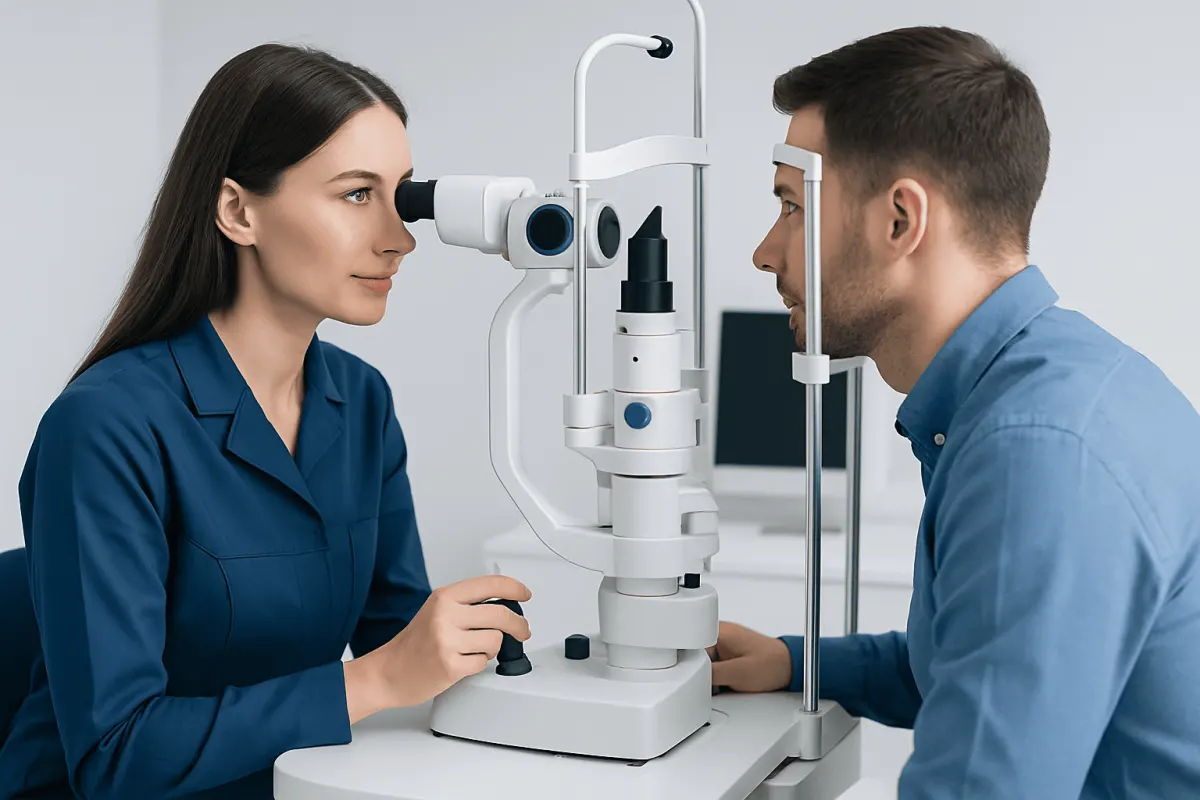
An eye exam often includes several parts, but the exact contents depend on the reason for the visit. A standard assessment usually begins with medical history and symptom review. The clinician may ask about blurred vision, headaches, dry eyes, family history of eye disease, previous surgeries, medications, and general health conditions such as diabetes or high blood pressure.
Basic vision testing commonly includes visual acuity testing, refraction to check the need for glasses or contact lenses, and an assessment of how the eyes work together. The front of the eye may be examined with a slit-lamp microscope to look at the eyelids, cornea, conjunctiva, and lens.
Many comprehensive exams also include intraocular pressure measurement, which helps assess glaucoma risk, and an examination of the retina and optic nerve. Sometimes this is done after dilating the pupils with eye drops. In some clinics, retinal photography or optical coherence tomography may be offered when more detail is needed.
Patients should remember that a “vision test” and a “medical eye exam” are not always the same. A low advertised price may cover only a limited service, while additional tests may be billed separately if the clinician needs more information to assess eye health properly.
Main Factors That Affect Eye Exam Price
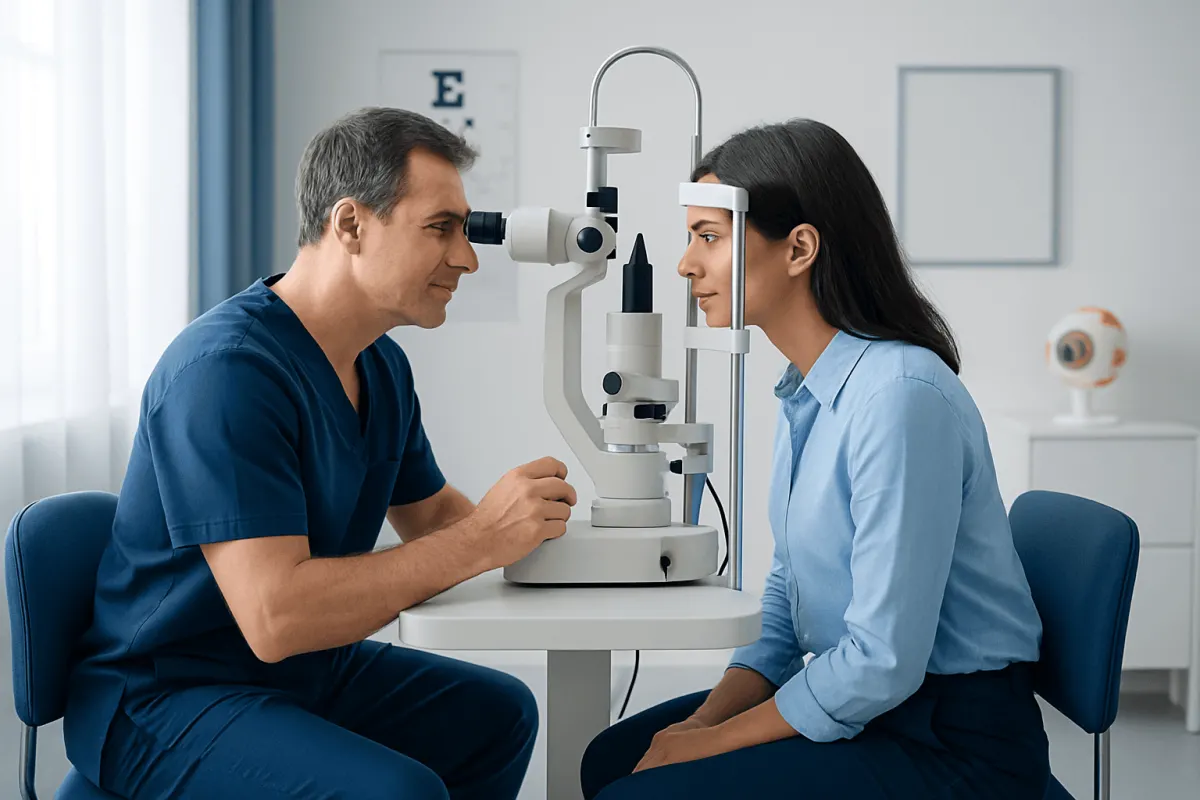
The biggest factor affecting eye exam cost is the type of visit. A routine exam for glasses or contact lens prescription is often simpler than an evaluation for symptoms such as flashes, floaters, double vision, sudden vision changes, or chronic eye discomfort. Medical complaints usually require more detailed assessment and may involve specialist review.
The tests performed during the appointment also influence pricing. Additional procedures such as pupil dilation, retinal imaging, corneal mapping, visual field testing, ultrasound, or scans of the optic nerve and retina may increase the total cost. These tests are often important when doctors are checking for glaucoma, cataracts, retinal disease, or other conditions, including macular degeneration.
The type of provider matters as well. Optometrists commonly perform routine vision care and many general eye assessments, while ophthalmologists are medical doctors who diagnose and manage eye diseases and can provide surgical care when needed. A hospital-based ophthalmology consultation may cost more than a standard community vision exam because it may involve specialist expertise and advanced diagnostic tools.
Other factors include geographic location, clinic reputation, appointment length, and whether special services are added. For example, contact lens fitting is often charged separately from a basic exam because it requires extra measurements, lens selection, education, and follow-up. If surgery is later considered, testing may expand further to support options such as LASIK eye surgery or cataract surgery.
Routine Vision Exam vs Comprehensive Medical Eye Exam
Understanding the difference between a routine vision exam and a comprehensive medical eye exam can help explain price differences. A routine vision exam mainly checks how clearly a person sees and whether glasses or contact lenses are needed. This type of visit may be suitable for someone without symptoms who wants a prescription update.
A comprehensive medical eye exam goes further. It evaluates the overall health of the eyes and may be recommended for people with eye symptoms, chronic health conditions, a strong family history of eye disease, or age-related changes in vision. The clinician may examine the retina, optic nerve, eye pressure, eye alignment, and the structures inside the eye in more depth.
Specialist examinations can cost more because they may involve advanced testing and interpretation. For example, a person with suspected glaucoma may need pressure checks, optic nerve assessment, retinal imaging, and visual field testing. Someone with diabetic eye concerns may need a dilated retinal exam and imaging to look for early complications.
Although a lower-cost routine exam can be appropriate in many cases, it is not always enough for symptoms or known eye disease. Choosing the right type of appointment is often more valuable than focusing on the lowest price alone, because the goal is to get the right information and care at the right time.
Additional Costs Patients May Be Asked About
When asking about eye exam cost, it helps to ask whether the quoted fee includes all likely services. Some clinics list only the basic consultation price, while others provide a package that includes refraction, pressure measurement, or dilation. Extra testing may be suggested during the visit if the clinician finds something that needs a closer look.
Common additional costs can include contact lens fitting, retinal photography, optical scans, visual field testing, dry eye evaluation, pediatric assessment, or emergency same-day consultations. In some settings, separate fees may also apply for written reports, medical forms, or preoperative measurements.
Eyewear and treatment costs are usually separate from the exam itself. If glasses are prescribed, frames and lenses are billed independently. If a medical condition is found, treatment may range from lubricating drops and monitoring to procedures or surgery. Depending on the diagnosis, patients may be referred for services such as cornea transplantation or vitrectomy in more complex cases.
Insurance or local health coverage can also change out-of-pocket expenses, but coverage rules vary widely. Some plans cover routine vision checks differently from medical eye visits. For that reason, patients should confirm in advance whether the appointment is considered preventive vision care, a specialist consultation, or a diagnostic medical assessment.
How to Compare Eye Exam Prices Wisely
Comparing eye exam prices is easiest when patients ask the same practical questions at each clinic. It is useful to ask who will perform the exam, whether the visit is routine or comprehensive, whether dilation is included, and what extra tests may carry separate charges. A clear breakdown can make a higher fee easier to understand if more services are included.
Quality and convenience matter too. An eye clinic with modern imaging, specialist access, and coordinated follow-up may cost more than a basic vision service, but it may also provide broader support if an eye problem is discovered. This can be especially important for older adults, people with diabetes, or anyone with unexplained visual symptoms.
Patients may also want to consider wait times, language support, report availability, and whether follow-up visits are included in the original fee. For international patients, care coordination can be especially helpful when arranging testing and treatment in a short time frame.
Near the end of the decision process, patients should balance price with the reason they are seeking care. A low-cost exam may be entirely suitable for a simple prescription check, while a symptom-related or age-related concern may justify a more complete assessment in a specialist setting.
When a More Detailed Eye Evaluation Is Worthwhile
A more detailed eye exam is often worthwhile when vision changes are new, persistent, or hard to explain. Symptoms such as sudden blur, flashes of light, many new floaters, eye pain, redness, double vision, or loss of part of the visual field should not be treated as a routine glasses issue. These concerns may need prompt medical evaluation rather than a basic vision screening.
People with chronic conditions such as diabetes, high blood pressure, autoimmune disease, or a history of eye surgery may also benefit from comprehensive follow-up. Age is another factor, as cataracts, glaucoma, retinal disease, and other conditions become more common over time. Family history can also increase the need for careful monitoring.
For children, eye exams may be recommended if there are signs of squinting, headaches, learning difficulties, eye misalignment, or suspected lazy eye. In these cases, the exam may be more specialized than a standard adult vision check, which can affect pricing.
If specialist care is needed, patients may prefer a center where diagnosis and treatment planning can be coordinated efficiently. Acıbadem Health Point’s multidisciplinary specialists and JCI-accredited hospitals diagnose and treat eye conditions for international patients, with testing and follow-up tailored to individual needs.
How to Prepare for an Appointment and Avoid Surprises
Before booking, patients can reduce uncertainty by describing the reason for the visit as clearly as possible. Saying whether the goal is a glasses prescription, contact lens review, diabetic eye check, or evaluation of a symptom helps the clinic recommend the right type of appointment. This also makes the price estimate more accurate.
It is helpful to bring current glasses or contact lens information, a list of medications, previous eye records if available, and details about any medical conditions. If pupil dilation may be part of the exam, patients may wish to ask whether vision could be blurry afterward and whether arranging transportation would be sensible.
Patients should also ask practical questions in advance:
- What is included in the quoted eye exam cost?
- Is refraction for glasses included?
- Are dilation or retinal scans charged separately?
- Will there be an extra fee for contact lens fitting?
- If a problem is found, what follow-up costs might be expected?
With this information, patients can make a calm and informed decision. Eye exam cost matters, but understanding the purpose, scope, and quality of the exam helps ensure that the care chosen is both appropriate and worthwhile.
Frequently asked questions
01How much does an eye exam usually cost?
The cost can vary widely depending on the country, clinic, and type of exam. A basic vision check is often less expensive than a comprehensive medical eye exam that includes specialist testing or imaging.
02Why is a comprehensive eye exam more expensive than a vision test?
A comprehensive exam looks at overall eye health, not only whether glasses are needed. It may include eye pressure measurement, retinal evaluation, dilation, and other tests that take more time and equipment.
03Does eye exam cost usually include glasses or contact lenses?
Usually, no. The exam fee is commonly separate from the cost of glasses, lenses, frames, or contact lenses, and contact lens fitting may also have its own charge.
04What extra tests can increase the price of an eye exam?
Extra costs may come from retinal photography, optical scans, visual field testing, corneal mapping, or dilation-related evaluations. These tests are often recommended when the doctor needs a closer look at eye structures or is checking for disease.
05Is a low-cost eye exam always enough?
Not always. A low-cost exam may be appropriate for a straightforward prescription update, but symptoms such as pain, sudden blur, flashes, or a history of eye disease may need a more complete medical evaluation.
06How can patients compare eye exam prices fairly?
They can ask what is included in the fee, who will perform the exam, and whether additional tests may cost more. Comparing the scope of services is usually more useful than comparing the base price alone.
This article is for general information only and is not a substitute for professional medical advice. Please consult a qualified doctor about your individual situation.
Explore treatments in Turkey — costs, top hospitals & a free quote
JCI-accredited · board-certified surgeons · reply within 24h
Add us as a Preferred Source to see more of our trusted health content across Google Search, AI Overviews and Discover.