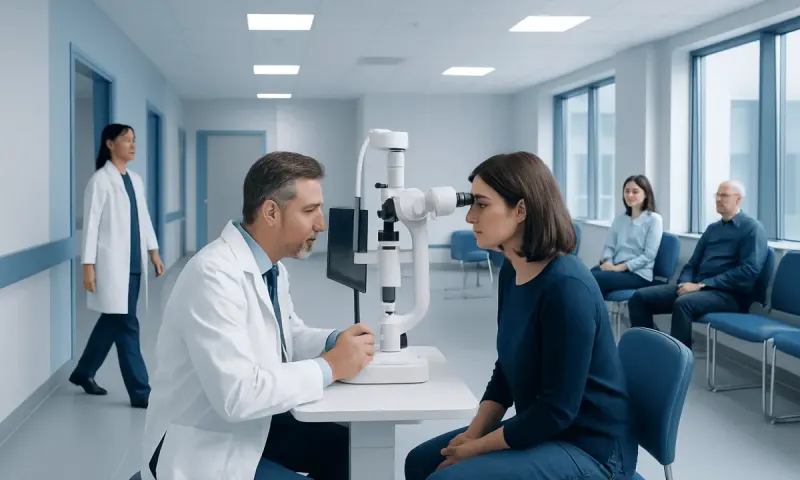
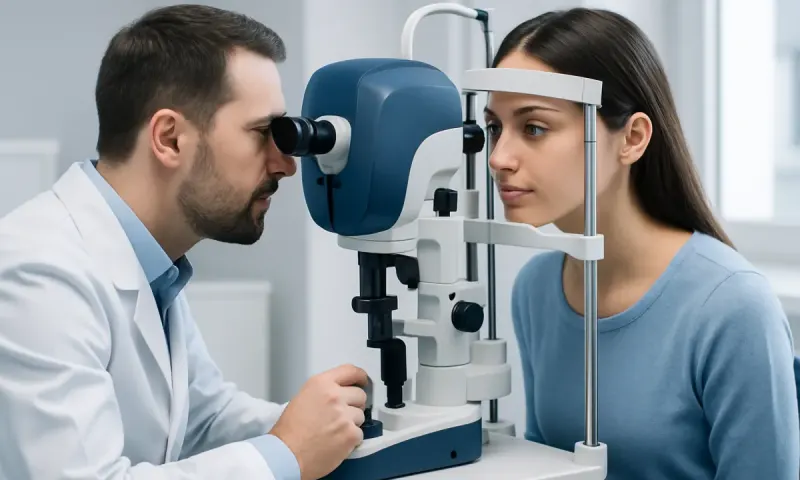
An Eye Exam Checks More Than Your Glasses Prescription
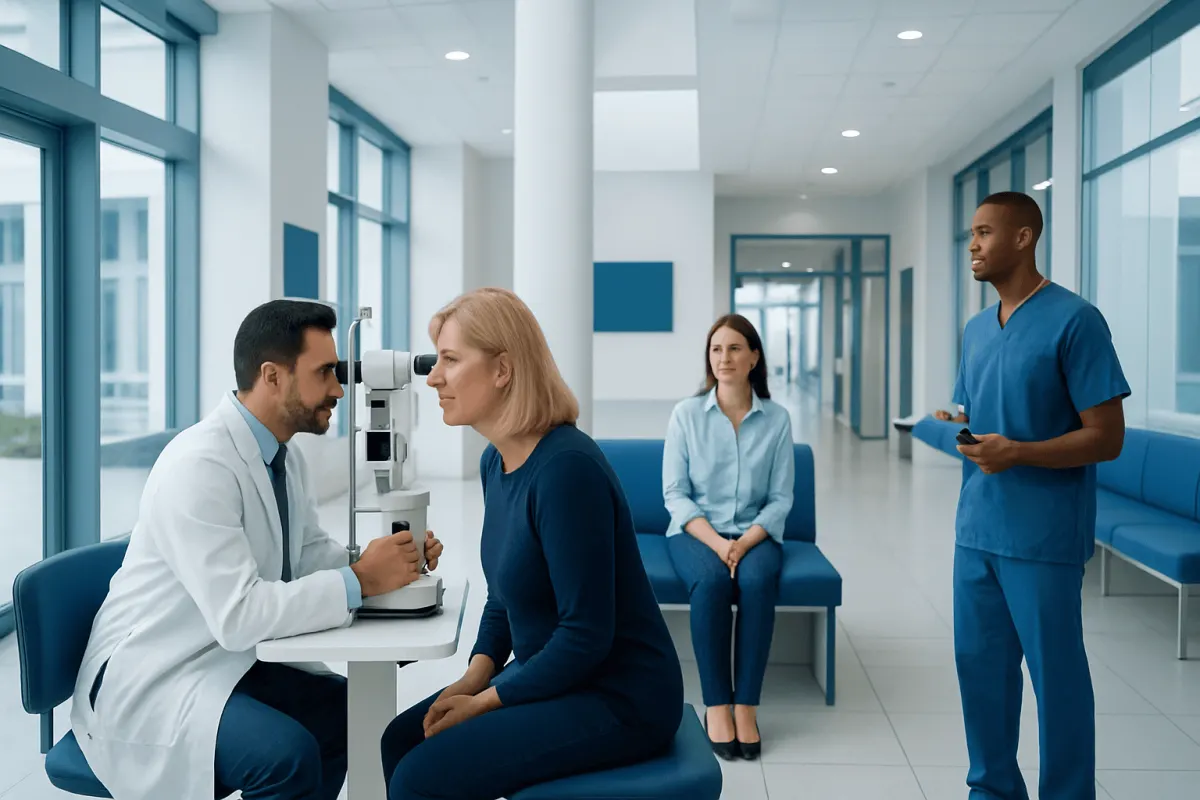
When was the last time you had your eyes checked? For most people, the answer is “when my glasses stopped working.” But an eye exam looks at far more than your prescription.
It is a structured check of vision and eye health that can pick up refractive errors, eye disease, and sometimes signs of broader health conditions. That makes it useful when you have symptoms — and just as useful when you don’t, because many eye problems start quietly, with no warning signs at all.
Overview: what an eye exam is and why it matters
Think of an eye exam as a medical check-up for your vision and your eyes. It usually includes tests that measure how clearly you see, whether you need glasses or contact lenses, how your eyes work together, and whether there are signs of disease in the eye itself. In many cases, an eye exam can also reveal clues linked to general health conditions such as diabetes or high blood pressure.
Most people book one only to update a prescription, but it does much more than that. Some eye diseases progress slowly and do not cause obvious symptoms in the early stages. A careful exam can help detect these problems earlier, when monitoring or treatment may better protect sight.
The exact content of an eye exam varies by age, symptoms, and risk factors. A child may be checked for visual development and eye alignment, while an older adult may need closer screening for cataracts, glaucoma, or retinal disease. Someone with blurred vision, headaches, or trouble reading may need a more focused assessment of visual function.
What happens during an eye exam
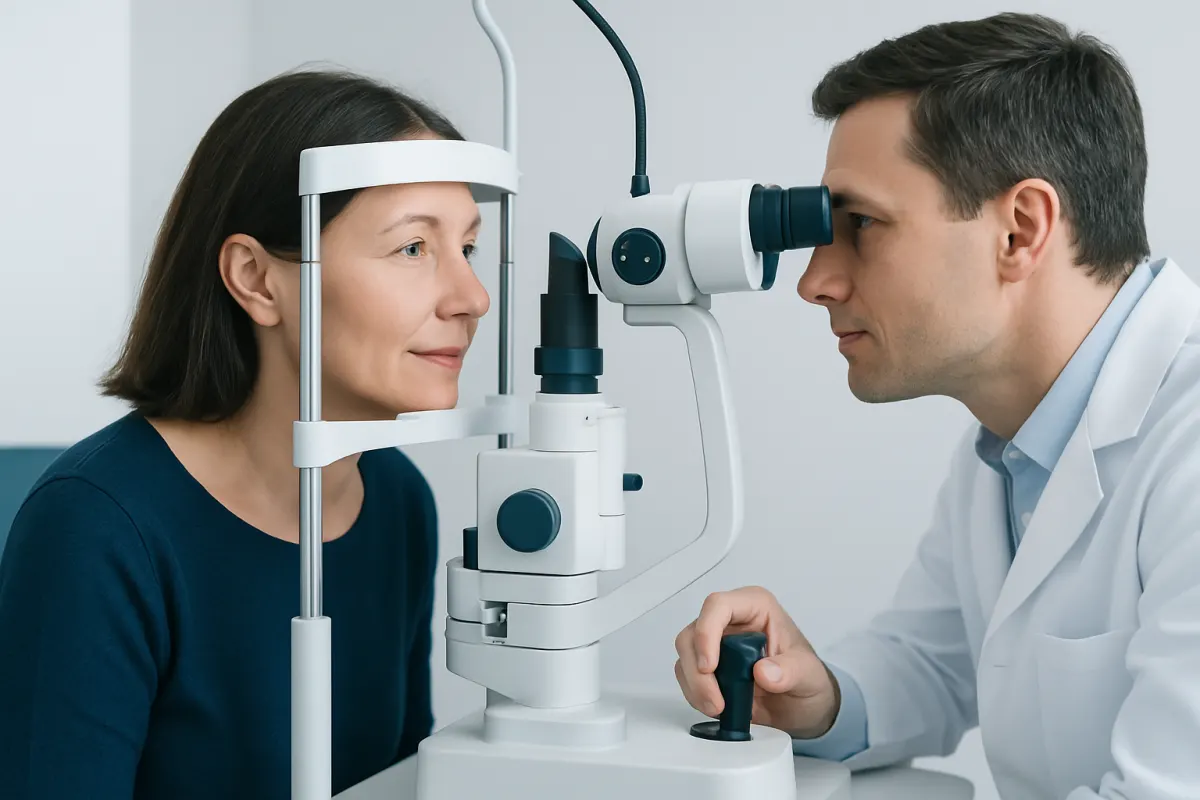
A comprehensive eye exam usually begins with questions about symptoms, medical history, medicines, family history of eye disease, and the use of glasses or contact lenses. This background helps the clinician choose the most appropriate tests. The visit may be performed by an ophthalmologist or another qualified eye care professional, depending on the setting and reason for the exam.
Common parts of an eye exam include a visual acuity test, where the person reads letters or symbols at a distance and sometimes up close, and a refraction test to determine whether a corrective lens prescription is needed. The clinician may also examine how the pupils react, how the eyes move, and whether the eyes are working together properly.
Additional tests often assess the structures of the eye. These may include:
- Measurement of eye pressure, which can help identify risk for glaucoma
- Slit-lamp examination to inspect the cornea, eyelids, iris, and lens
- Retinal examination, sometimes after dilating eye drops, to view the optic nerve and retina
- Visual field testing when there is concern about peripheral vision loss
- Color vision or depth perception testing in selected cases
If dilating drops are used, close-up vision can stay blurry and your eyes may feel sensitive to light for several hours. Because of this, some people prefer to avoid driving immediately after the visit, especially if they are having dilation for the first time.
Symptoms and situations that may lead to an eye exam
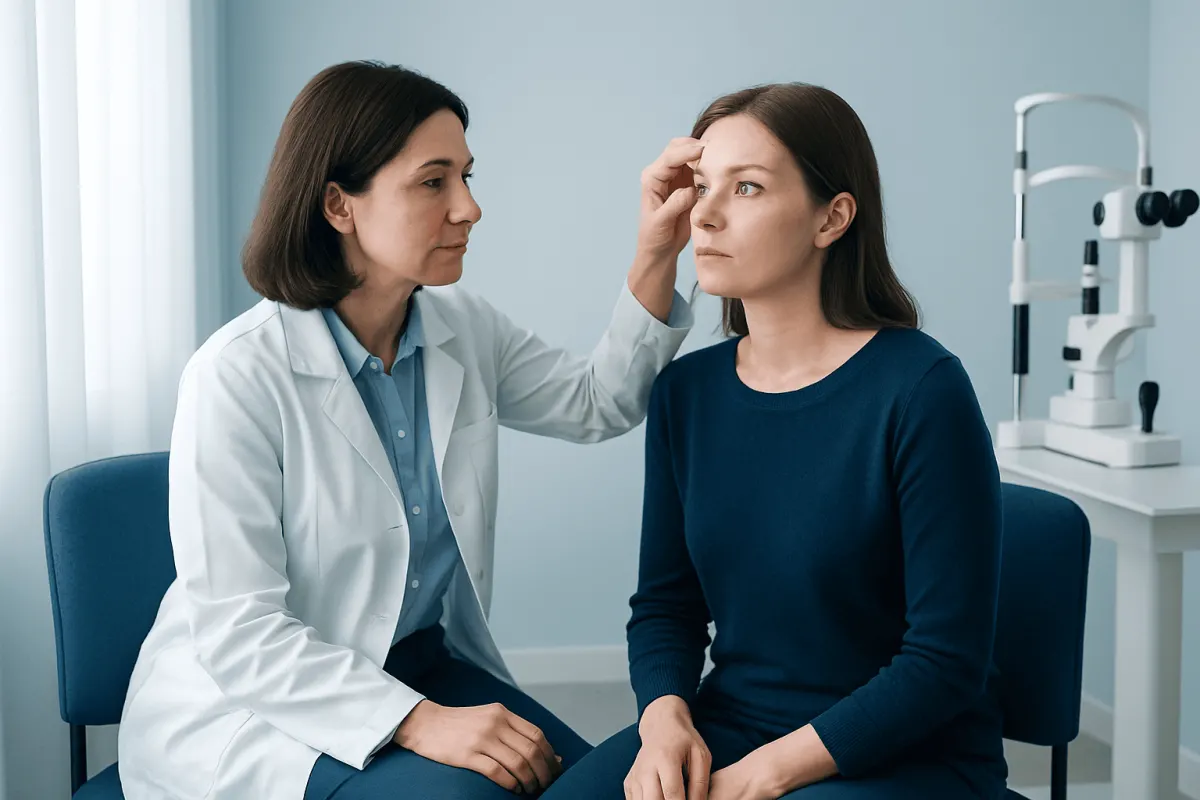
An eye exam may be routine, but it is also important when symptoms appear. Common reasons include blurred vision, difficulty seeing at night, eyestrain, headaches with reading or screen use, double vision, light sensitivity, redness, dryness, tearing, or discomfort with contact lenses. Some people notice they need to hold reading material farther away or struggle with glare while driving.
In children, warning signs can look different. Squinting, sitting very close to screens, poor attention during visual tasks, one eye turning inward or outward, or frequent rubbing of the eyes can all suggest a need for assessment. School vision screening can be helpful, but it does not replace a full exam when concerns exist.
Even without symptoms, routine eye exams may be advised for people with diabetes, a family history of glaucoma, prior eye surgery, long-term steroid use, or conditions that affect immunity or blood vessels. Adults over time may also develop age-related changes such as cataracts or retinal problems that benefit from regular monitoring.
What an eye exam can detect
A thorough eye exam can identify common refractive errors such as nearsightedness, farsightedness, astigmatism, and age-related difficulty focusing up close. These issues are often corrected with glasses, contact lenses, or in selected cases procedures such as laser eye surgery.
Exams also help detect eye diseases that may not cause early symptoms. These include glaucoma, diabetic eye disease, macular degeneration, retinal tears, and corneal disorders. In some cases, the clinician may identify signs of infection, inflammation, or damage related to dry eye, injury, or autoimmune disease. Conditions such as glaucoma are especially important to find early because sight loss can occur gradually and may not be reversible.
The back of the eye contains blood vessels and nerve tissue that can reflect overall health. During a retinal examination, the clinician may see changes associated with diabetes, high blood pressure, high cholesterol, or neurological conditions. This does not replace general medical care, but it can prompt timely referral for broader evaluation.
When the exam suggests a more specific problem, further imaging or subspecialty review may be recommended. For example, retinal findings may lead to more detailed assessment or treatment planning, including options such as retinal detachment surgery when urgent retinal disease is present.
How often an eye exam is needed
There is no single schedule that fits everyone. The right frequency depends on age, symptoms, existing eye conditions, and general health risks. A person with stable vision and no risk factors may need less frequent checks than someone with diabetes, glaucoma risk, contact lens use, or a previous history of eye disease.
Children need vision assessment as part of growth and development, because untreated vision problems can affect learning and visual maturation. Adults may need periodic eye exams even if they feel their vision is normal, especially as age increases and the risk of cataract, glaucoma, and retinal disease becomes higher.
People should ask a qualified clinician how often they personally should be seen. After an eye surgery, injury, or diagnosis of an eye disease, follow-up timing is usually more specific. Some people are monitored yearly, while others may need closer review based on their findings.
Contact lens wearers may require regular review of eye surface health, lens fit, and prescription changes. This is important because contact lenses can sometimes contribute to dryness, irritation, or infection if not used and cleaned correctly.
Preparing for the visit and understanding the results
There is not much you need to do beforehand. It helps to bring current glasses or contact lenses, a list of medicines, and any previous eye records if available. If the person has noticed changes such as blurred vision, flashes, floaters, or headaches, writing down when these began can make the appointment more productive.
If dilation may be needed, it can be useful to arrange transportation or bring sunglasses for comfort afterward. People who wear contact lenses may be asked to remove them before some tests. Those using eye drops should mention the exact type, especially if they are medicated drops prescribed for glaucoma or inflammation.
At the end of the visit, the clinician may explain findings in terms of visual acuity, prescription needs, and eye health. Some results lead only to updated glasses, while others may require monitoring, lifestyle changes, medication, or referral for procedures. If a diagnosis is made, patients can ask what the condition means, whether it affects daily life, and what warning signs should prompt earlier review.
When advanced treatment is needed, management may range from medication to surgery. Depending on the diagnosis, this might include care such as cataract surgery or medical treatment for chronic eye disease. Some patients choose to be assessed at centers such as Acıbadem Health Point, where multidisciplinary specialists in JCI-accredited hospitals diagnose and treat eye conditions for international patients.
Prevention, self-care, and when to seek medical care
Eye health is supported by a combination of routine exams and everyday habits. Wearing appropriate eye protection during sports or hazardous work can reduce injury risk. People who use screens for long periods may benefit from regular breaks, good lighting, and attention to blinking if dryness develops. Contact lenses should be used exactly as instructed, with careful hygiene and no sharing.
What happens elsewhere in your body shows up in your eyes too. Good control of diabetes, blood pressure, and cholesterol can help protect the blood vessels and nerves that support vision. Smoking cessation, balanced nutrition, and ultraviolet protection from sunlight can also support long-term eye health.
Medical care should be sought promptly if there is sudden vision loss, a new curtain-like shadow in the vision, eye injury, severe eye pain, sudden double vision, new flashes and many floaters, or marked redness with light sensitivity. These signs do not always mean something serious, but do not wait them out — fast treatment can sometimes save your sight.
A non-urgent appointment should be arranged for gradual blurring, trouble reading, worsening night vision, persistent dryness, recurrent headaches with visual tasks, or any ongoing concern about eye comfort or performance. Early evaluation is often the best way to clarify whether the issue is minor, needs monitoring, or requires treatment.
Frequently asked questions
01What is the difference between a vision test and an eye exam?
A vision test mainly checks how clearly a person can see and whether a glasses prescription is needed. An eye exam is broader and can include evaluation of eye pressure, the front and back of the eye, eye movements, and signs of disease.
02Do eye exams always include dilating drops?
Not always. Dilation is often used when the clinician needs a clearer view of the retina and optic nerve, but the decision depends on age, symptoms, and the reason for the visit. If dilation is recommended, the clinician can explain why it is helpful.
03How long does an eye exam take?
The length varies depending on the tests performed and whether the eyes are dilated. A routine visit may be fairly short, while a comprehensive exam with additional testing can take longer. It is sensible to allow extra time if dilation may be involved.
04Can an eye exam detect health problems outside the eyes?
Sometimes, yes. Changes in the retina or blood vessels may suggest conditions such as diabetes or high blood pressure. An eye exam does not replace general medical care, but it can provide useful early clues.
05Should someone have an eye exam if they have no symptoms?
Yes, in many cases. Some eye diseases develop gradually and may not affect vision until later stages. Routine exams can help detect problems earlier, especially in children, older adults, and people with risk factors.
06Is an eye exam important for people who wear contact lenses?
Yes. Contact lens users need periodic review of prescription, lens fit, and the health of the cornea and eye surface. Regular follow-up can help reduce the risk of irritation, dryness, and infection.
This article is for general information only and is not a substitute for professional medical advice. Please consult a qualified doctor about your individual situation.
Oncology care in Turkey — second opinion and treatment plan
JCI-accredited · board-certified surgeons · reply within 24h
Add us as a Preferred Source to see more of our trusted health content across Google Search, AI Overviews and Discover.