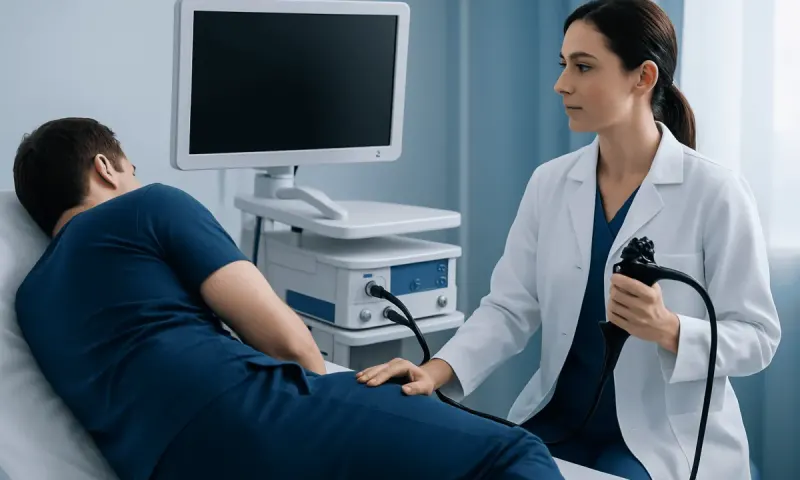
Eosinophilic Colitis: Symptoms, Diagnosis, and Care
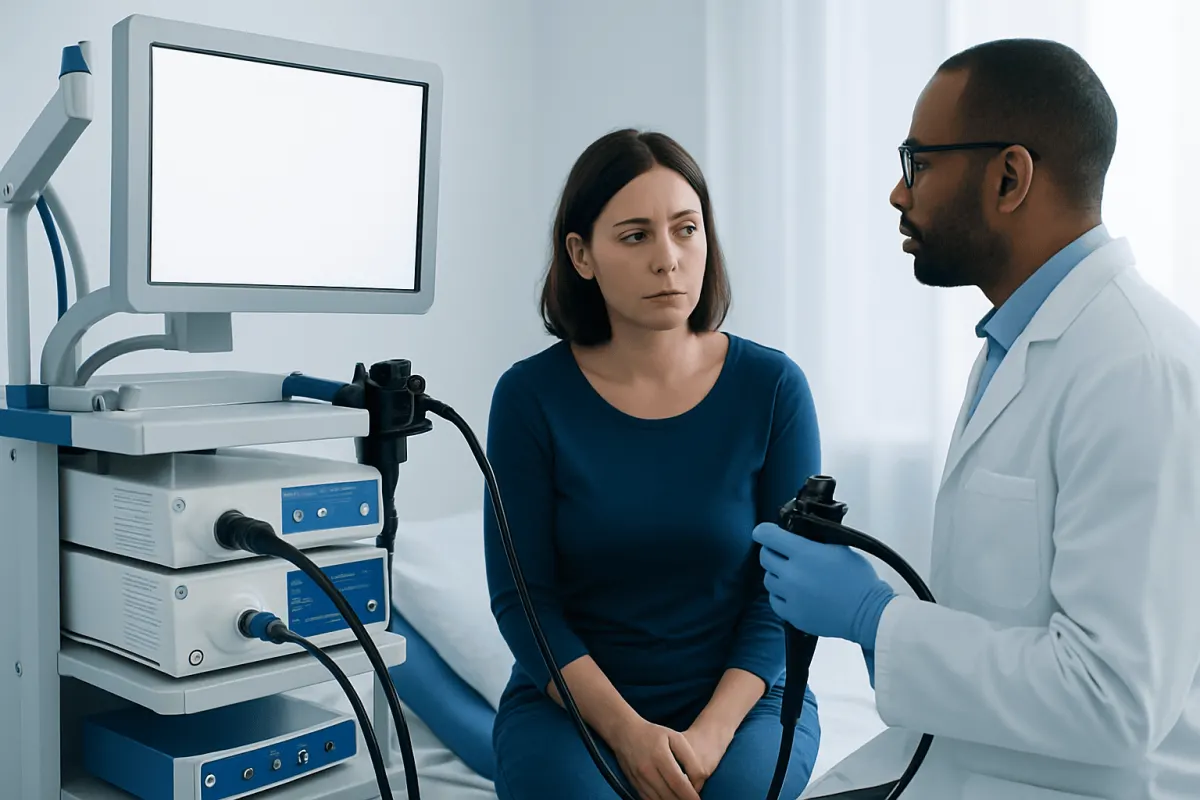
Eosinophilic colitis is an uncommon condition in which eosinophils, a type of immune cell, build up in the colon and may cause diarrhea, abdominal pain, bleeding, or weight changes. Its outlook is often favorable with careful evaluation, identification of contributing factors, and individualized treatment and follow-up.
Overview: what eosinophilic colitis means
Eosinophilic colitis is a rare inflammatory condition affecting the colon, also called the large intestine. It occurs when eosinophils, white blood cells involved in immune responses, are present in the bowel wall in greater-than-expected amounts and are linked with symptoms. Eosinophils normally exist in parts of the digestive tract, including the colon, so the diagnosis depends on the overall clinical picture and biopsy findings rather than a single cell count.
It belongs to a group of conditions called eosinophilic gastrointestinal diseases. In some people, eosinophilic inflammation appears mainly in the colon; in others, more than one area of the digestive tract may be involved. The condition can occur in children or adults and may develop suddenly or follow a recurring pattern.
Symptoms can overlap with many more common digestive disorders. For this reason, a structured evaluation is important before labeling symptoms as eosinophilic colitis. Once other causes have been considered, treatment can be tailored to the person’s symptoms, possible triggers, nutritional status, and the layer and extent of bowel involvement.
Symptoms and how they may vary
Eosinophilic colitis can cause a range of digestive symptoms. Common concerns include cramping or persistent abdominal pain, diarrhea, urgency to pass stool, nausea, bloating, and fatigue. Some people notice mucus or blood in the stool, while others experience reduced appetite or unintentional Turkey Neck After Weight Loss: Treatment Options" class="ahp-ilk">weight loss.
The symptoms depend partly on which layers of the bowel wall are affected. Inflammation near the inner lining may be associated with diarrhea, bleeding, and protein loss. When deeper layers are involved, pain, bowel-wall thickening, or narrowing may occur. Rarely, disease affecting the outer bowel surface can lead to fluid in the abdomen.
Symptoms are not always constant. They may fluctuate over time and can resemble irritable bowel syndrome, food intolerance, infection, or inflammatory bowel disease. In infants and young children, feeding difficulty, vomiting, blood in the stool, poor growth, or irritability may be more noticeable than a description of abdominal pain.
- Diarrhea that persists or recurs
- Abdominal pain, cramps, or bloating
- Blood or mucus in stool
- Nausea, vomiting, or reduced appetite
- Weight loss, fatigue, or signs of poor nutrient intake
Why it happens: causes and risk factors
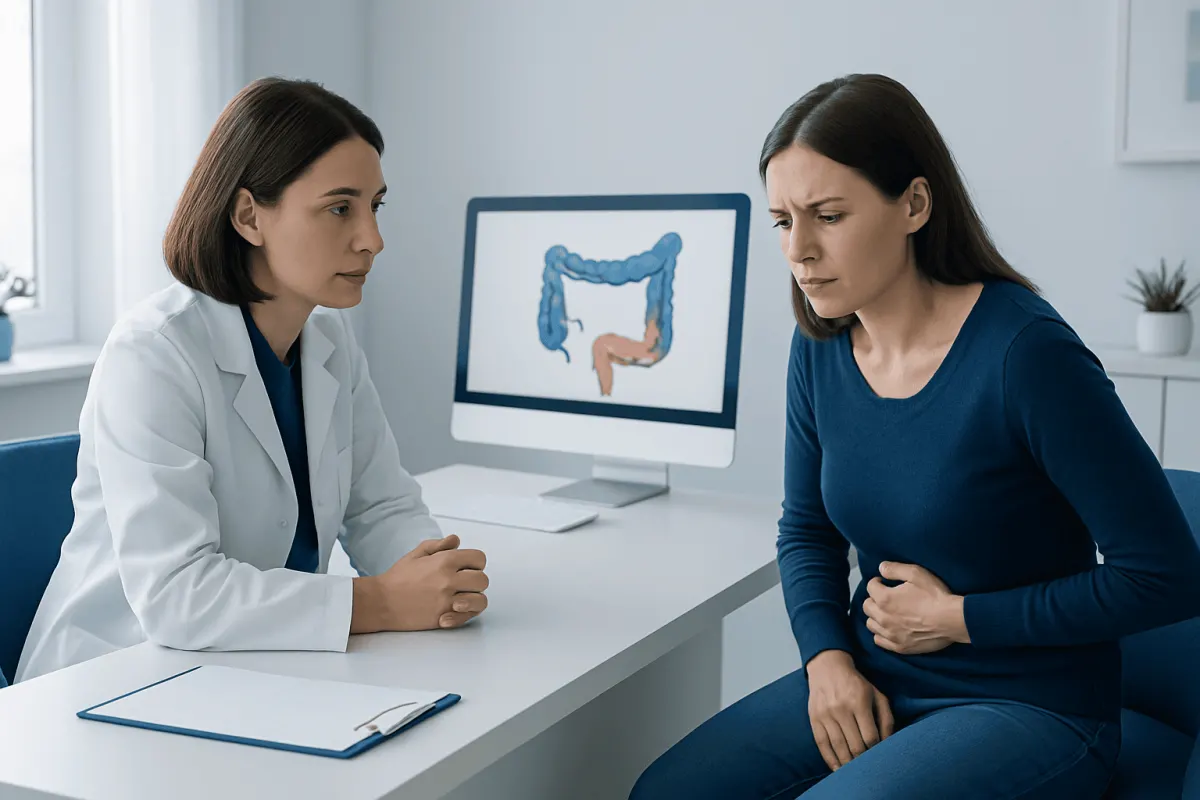
The exact cause of eosinophilic colitis is not fully understood. It is thought to involve an altered immune response in the digestive tract. In some cases, the inflammation may be associated with a reaction to foods, although this relationship is not present or identifiable in every person.
A personal or family history of allergic conditions, such as eczema, asthma, hay fever, or food allergy, may be relevant. However, having an allergic condition does not mean a person will develop eosinophilic colitis, and eosinophilic colitis can occur without a known allergy.
Before diagnosing primary eosinophilic colitis, clinicians look carefully for secondary causes of eosinophil-rich inflammation. These can include certain infections, especially parasitic infections; medication reactions; inflammatory bowel disease; celiac disease; immune disorders; and, less commonly, systemic disorders involving elevated eosinophils. A complete medication, travel, dietary, allergy, and medical history is therefore an important part of assessment.
It is helpful not to remove multiple foods without medical advice. Broad dietary restriction can make it harder to maintain adequate calories and nutrients, particularly for children, older adults, and people already losing weight. If dietary changes are considered, they are best planned with a gastroenterologist and registered dietitian.
Diagnosis: building the full clinical picture
Diagnosis begins with a detailed review of symptoms, medical history, medication use, allergy history, travel, and diet. A clinician will also assess for dehydration, anemia, weight loss, abdominal tenderness, and other signs that may point to inflammation or another digestive condition.
Blood tests may check for anemia, inflammation, protein levels, nutrition, and increased eosinophils in the bloodstream. Stool testing may help identify infection or parasites and may assess for intestinal inflammation. These tests are useful, but neither normal nor elevated blood eosinophils can confirm eosinophilic colitis on their own.
Colonoscopy with biopsies is usually central to diagnosis. The lining of the colon may look normal or may show redness, swelling, small ulcers, or other nonspecific changes. Multiple tissue samples from different sections of the colon are important because eosinophilic inflammation can be patchy. A pathologist evaluates the biopsies in context, while the clinical team rules out other explanations.
Depending on symptoms, further assessment may include upper endoscopy, imaging, allergy evaluation, or testing for conditions that can mimic or accompany eosinophilic gastrointestinal disease. People with ongoing diarrhea and bleeding may also be evaluated for inflammatory bowel disease, since treatment and monitoring differ.
Modern treatment approaches and follow-up
Treatment is individualized because eosinophilic colitis has several possible patterns and contributing factors. The first step is to treat an identified underlying cause, such as an infection or medicine-related reaction, when present. Mild symptoms may sometimes be monitored closely, particularly when they improve after the suspected contributor is addressed.
When a food trigger is strongly suspected, a clinician may recommend a focused elimination diet followed by a planned reintroduction process. Allergy tests can support the overall assessment in selected cases, but they do not reliably identify every food that may be relevant to eosinophilic digestive disease. Dietary management should be supervised to reduce the risk of nutritional deficiencies.
Medicines may be used when symptoms are significant, persistent, or linked to active inflammation. These can include anti-inflammatory corticosteroid medicines, often selected to limit body-wide exposure where appropriate. Other treatments may be considered by a specialist in selected or difficult-to-control cases. The most suitable option depends on disease severity, biopsy findings, other health conditions, and response to prior care.
Follow-up may include symptom review, nutrition and weight assessment, repeat blood or stool tests, and sometimes repeat endoscopy with biopsies. Acıbadem Health Point’s multidisciplinary specialists and JCI-accredited hospitals can assess and treat eosinophilic digestive conditions for international patients when specialist gastrointestinal and nutrition care is needed.
Living with eosinophilic colitis: practical self-care
Many people can support symptom management by keeping a simple record of bowel habits, abdominal symptoms, foods, medicines, and possible reactions. This record should not be used to diagnose food allergy independently, but it can help identify patterns to discuss during appointments.
Hydration is especially important during diarrhea. Regular meals with enough protein, calories, vitamins, and minerals can help protect nutritional health. A clinician or dietitian may recommend targeted testing or supplements if reduced intake, poor absorption, or weight loss is a concern.
People should take prescribed treatment as directed and avoid stopping anti-inflammatory medicines suddenly without guidance. They should also inform their clinician before starting over-the-counter medicines, supplements, or highly restrictive diets. Emotional stress does not cause eosinophilic colitis, but sleep, stress management, and practical support can help people cope with long-term digestive symptoms.
Family members and caregivers of children should seek advice if growth, feeding, school attendance, or daily activities are being affected. Ongoing communication with the care team can help ensure that treatment addresses both inflammation and quality of life.
When to seek medical care
Anyone with persistent diarrhea, recurrent abdominal pain, blood in the stool, unexplained weight loss, or ongoing vomiting should arrange a medical assessment. These symptoms have many possible causes, and timely evaluation helps identify the right condition and treatment.
Urgent medical care is appropriate for severe or worsening abdominal pain, a swollen abdomen with inability to pass stool or gas, repeated vomiting, fainting, signs of dehydration, black stools, or heavy rectal bleeding. These symptoms may indicate a complication or a different condition that needs prompt attention.
People already diagnosed with eosinophilic colitis should contact their healthcare team when symptoms return, treatment side effects occur, eating becomes difficult, or weight is falling. Scheduled follow-up remains important even when symptoms are improving, because care may need to be adjusted over time.
Frequently asked questions
01Is eosinophilic colitis the same as ulcerative colitis?
No. Both conditions can cause colonic inflammation and symptoms such as diarrhea or bleeding, but they involve different immune patterns and diagnostic criteria. Eosinophilic colitis is identified through the clinical context and increased eosinophils in colon biopsies after other causes are excluded, while ulcerative colitis is a form of inflammatory bowel disease.
02Can eosinophilic colitis be cured?
The course varies from person to person. Some people improve after a contributing cause or trigger is addressed, while others have recurring symptoms that need ongoing management. Treatment aims to control inflammation, relieve symptoms, support nutrition, and prevent complications.
03Does a high eosinophil count in blood mean someone has eosinophilic colitis?
No. Blood eosinophils can be normal in eosinophilic colitis, and elevated eosinophils can occur for many other reasons, including allergies, infections, medicines, and other medical conditions. Colon biopsies and a broader clinical evaluation are needed for diagnosis.
04Which foods cause eosinophilic colitis?
There is no universal list of foods that cause eosinophilic colitis. Some individuals may have food-related immune triggers, but these are not always apparent and may not be confirmed by standard allergy testing. A supervised, targeted dietary approach is safer than removing many foods independently.
05Can eosinophilic colitis cause blood in stool?
Yes, inflammation of the colon lining can sometimes lead to blood or mucus in stool. However, rectal bleeding can have many causes, including infection, hemorrhoids, inflammatory bowel disease, and colorectal conditions. New, persistent, or heavy bleeding should be assessed by a clinician.
06How is eosinophilic colitis monitored after treatment begins?
Monitoring is based on symptoms, bowel habits, weight, nutritional status, and any treatment side effects. Doctors may repeat blood or stool tests and, in selected cases, colonoscopy with biopsies to understand whether inflammation is controlled. The timing of follow-up is individualized.
This article is for general information only and is not a substitute for professional medical advice. Please consult a qualified doctor about your individual situation.
Medical weight-loss options in Turkey — costs & eligibility
JCI-accredited · board-certified surgeons · reply within 24h
Add us as a Preferred Source to see more of our trusted health content across Google Search, AI Overviews and Discover.