The Perianal Area: Anatomy, Irritation, and Care
The perianal area is the ring of skin and soft tissue around the anus, the opening through which stool leaves the body. It has an important protective role and can be affected by irritation, itching, pain, hemorrhoids, fissures, infections and other conditions that deserve appropriate assessment when symptoms persist.
Overview: What Is the Perianal Area?
The perianal area is the skin and soft tissue surrounding the anus. The anus is the final opening of the digestive tract, where stool leaves the body. This area forms a transition between the inner anal canal and the outer skin, and it is exposed to moisture, friction, bowel movements and bacteria from the digestive tract.
Because the skin in this location is thin and sensitive, even minor changes in hygiene, bowel habits or skin products can cause discomfort. It is normal for the perianal area to have a slightly different color or texture from nearby skin. However, persistent itching, pain, bleeding, swelling, a lump, discharge or a wound should not be ignored.
Symptoms in this area can have many possible explanations. Some are temporary and respond to simple care, while others need medical treatment. A clinician may examine the perianal skin and, when needed, the anal canal to identify the source of symptoms safely and accurately.
Anatomy and Normal Function
The anus is surrounded by two important circular muscles called sphincters. The internal anal sphincter works automatically to help maintain continence, while the external anal sphincter can be consciously tightened to help control the passage of stool and gas. The perianal skin lies outside these structures and is supplied with many sensory nerve endings.
This rich nerve supply explains why inflammation, small tears or pressure in the area can feel particularly uncomfortable. The region also contains small glands, blood vessels and hair follicles. These structures are normal, but they can occasionally become blocked, swollen or infected.
The perianal area helps create a barrier against irritation and infection. Healthy bowel habits, careful cleansing and protection from excess moisture support this barrier. Repeated rubbing, harsh cleaning or prolonged contact with stool can weaken the skin and make symptoms more likely.
Common Symptoms and What They May Mean
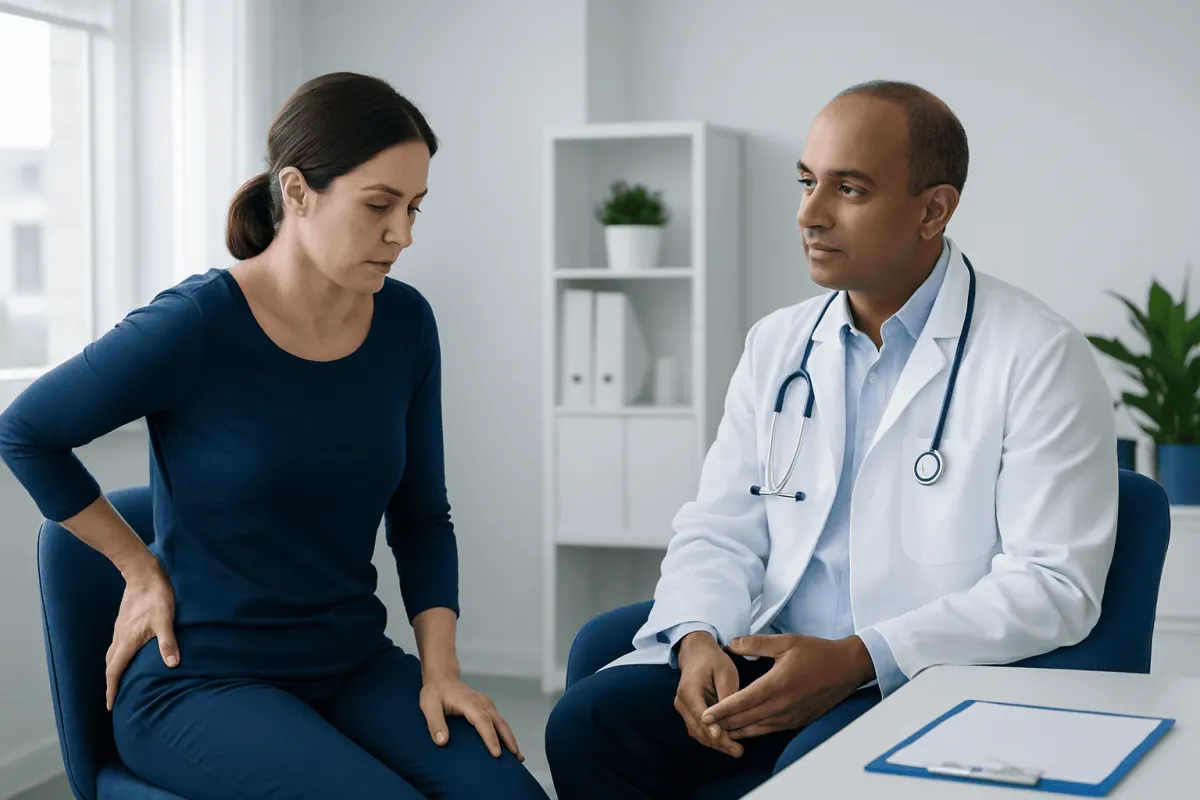
Perianal symptoms vary widely. Itching, also called pruritus ani, may occur after bowel movements or at night. It can be associated with moisture, sweating, diarrhea, minor stool leakage, skin conditions, infections, certain foods or irritating soaps and wipes. Scratching can further damage the skin, creating an itch-scratch cycle.
Pain may be sharp, burning, throbbing or pressure-like. Sharp pain during or after a bowel movement can occur with an anal fissure, which is a small tear in the lining of the anus. A tender swelling or painful lump may be related to a thrombosed hemorrhoid, an inflamed gland or an abscess. Pain that becomes severe or is accompanied by fever requires prompt medical attention.
Bright red blood on toilet paper or on the outside of stool is often linked to hemorrhoids or fissures, but bleeding has several possible causes and should be assessed if it is recurrent, heavy, unexplained or associated with changes in bowel habits. Mucus, pus-like discharge, persistent dampness or a small opening near the anus may suggest inflammation or a fistula and should be evaluated.
- Itching or burning: often related to irritation, moisture or a skin condition.
- Lump or swelling: may occur with hemorrhoids, skin tags, cysts or infection.
- Pain with bowel movements: can be linked to fissures, constipation or inflammation.
- Bleeding: should be discussed with a healthcare professional, especially when persistent.
Causes and Risk Factors for Perianal Problems
Constipation and hard stools can strain the anal tissues and contribute to hemorrhoids or fissures. Frequent loose stools and diarrhea can also irritate the perianal skin because digestive enzymes and repeated wiping affect its protective barrier. Spending a long time sitting on the toilet and straining during bowel movements may increase pressure in the anal veins.
Excess moisture is another frequent contributor. Sweating, tight non-breathable clothing, incontinence pads, minor stool leakage and incomplete drying after washing can leave the skin vulnerable to chafing and inflammation. Conversely, overly vigorous cleaning with rough paper, fragranced wipes, deodorant sprays or strong soaps may remove natural oils and cause contact dermatitis.
Some health conditions can raise the likelihood of symptoms. Examples include inflammatory bowel disease, diabetes, obesity, chronic constipation, recurrent diarrhea and skin conditions such as eczema or psoriasis. Pregnancy can increase pressure on pelvic veins and may contribute to hemorrhoids. Certain infections, including fungal infections and sexually transmitted infections, can affect the area and need specific medical care.
Not every symptom has an obvious cause. A clinician considers the duration of symptoms, bowel habits, medications, medical history and physical examination findings before recommending treatment. This approach helps avoid treating persistent symptoms as simple irritation when another condition may be present.
How Perianal Conditions Are Diagnosed
Diagnosis usually begins with a discussion about symptoms. A healthcare professional may ask when the problem began, whether there is pain, itching, bleeding or discharge, and whether bowel habits have changed. They may also ask about constipation, diarrhea, diet, hygiene products, medications, prior surgery and family history of bowel disease or colorectal cancer.
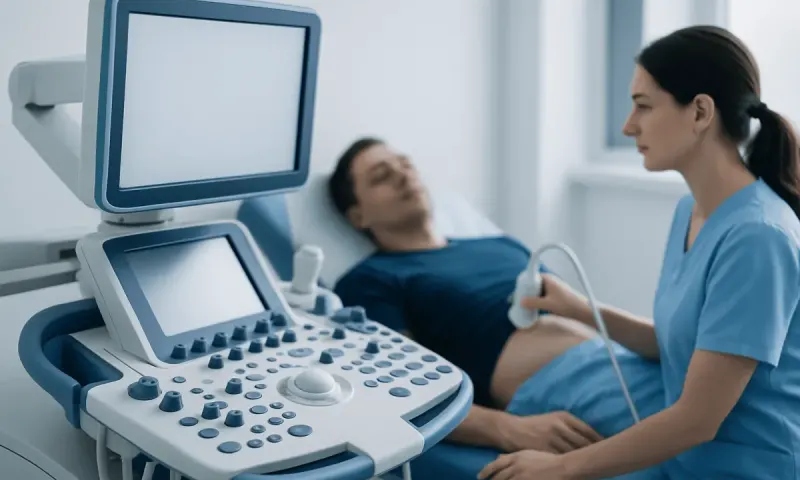
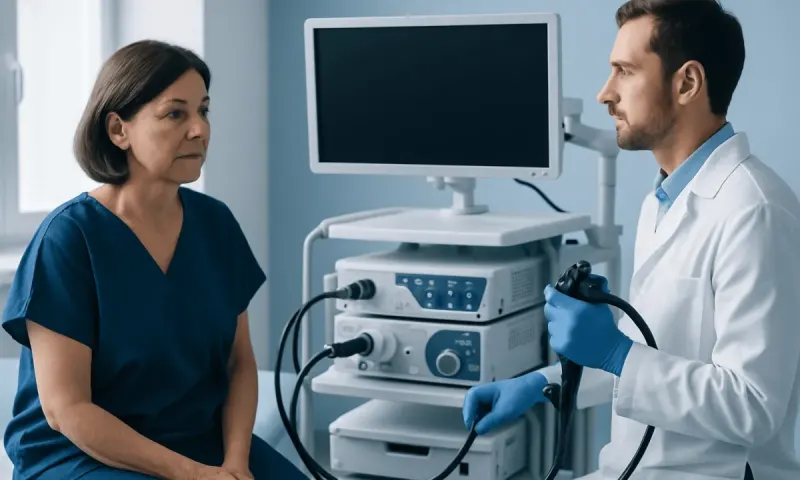
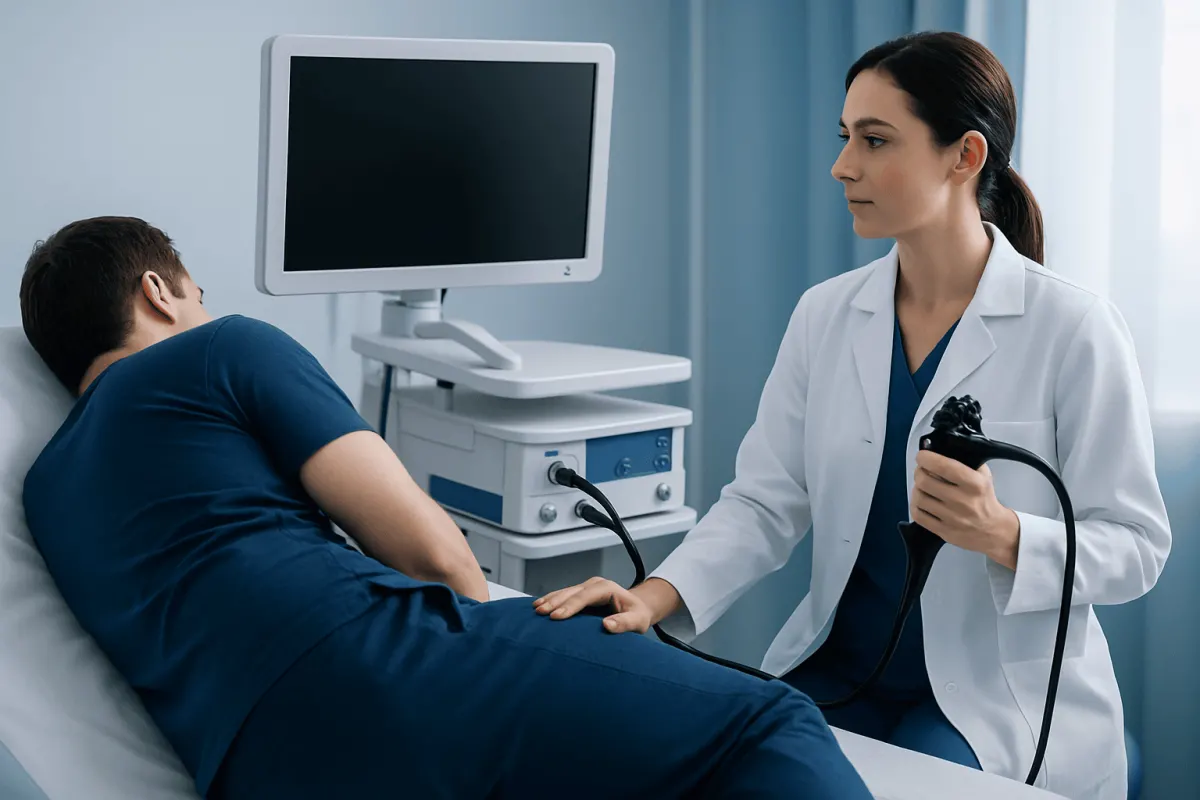
An external examination can identify skin irritation, hemorrhoids, fissures, skin tags, rashes, swelling or drainage. If appropriate, the clinician may perform a gentle digital rectal examination. An anoscopy, which uses a small lighted instrument to view the lower anal canal, may help identify internal hemorrhoids and other changes.
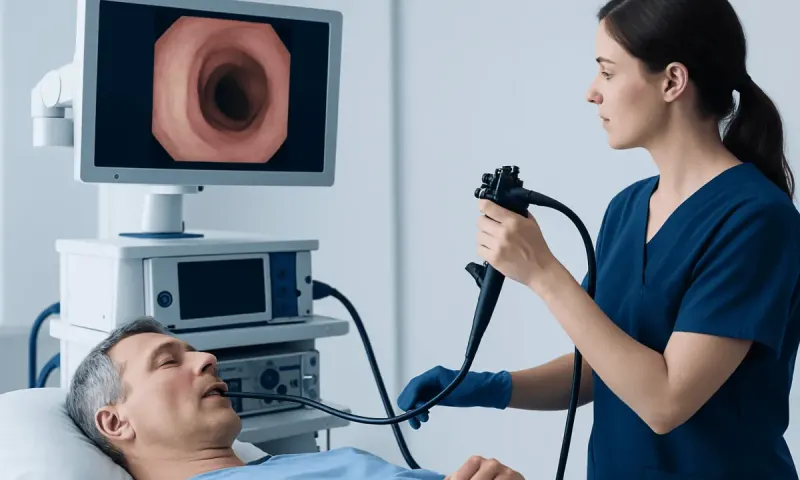
Further tests are not always necessary. They may be recommended when symptoms are persistent, bleeding is unexplained, a deeper infection is suspected, there are significant changes in bowel habits or the person has risk factors for bowel disease. Depending on the concern, testing may include blood tests, stool tests, imaging or endoscopic examination of the lower bowel.
Treatment Options and Everyday Perianal Care
Treatment is based on the underlying cause. Minor irritation may improve with gentle cleansing, reducing friction and managing moisture. Constipation-related symptoms often benefit from adequate fluid intake, gradual increases in dietary fiber and regular physical activity, when appropriate for the individual. A clinician may also recommend stool-softening measures or other medicines depending on the situation.
For conditions such as hemorrhoids, fissures, dermatitis, fungal infections or bacterial infections, treatment may include topical medicines, oral medicines, dietary changes or targeted procedures. An abscess generally needs urgent drainage rather than home treatment alone. Fistulas, which are abnormal tunnels between the anal canal and skin, often require evaluation by a colorectal surgeon.
For daily care, the area can be rinsed gently with lukewarm water after bowel movements and patted dry rather than rubbed. Plain, unscented toilet paper may be preferable to fragranced wipes. Loose, breathable underwear and changing out of damp clothing can reduce moisture and friction. A protective barrier product may help some people, but it is best to ask a pharmacist or clinician which option is suitable.
It is generally wise to avoid using steroid creams, anesthetic creams, antifungal products or antiseptics for prolonged periods without medical advice. These products may be useful for selected problems, but they can also mask symptoms, irritate sensitive skin or delay diagnosis if the cause is uncertain.
When to Seek Medical Care
A person should arrange medical assessment for perianal symptoms that last longer than a few days despite gentle self-care, recur frequently or interfere with sleep, sitting or bowel movements. Medical advice is also appropriate for a new lump, persistent rash, discharge, sores, unexplained Turkey Neck After Weight Loss: Treatment Options" class="ahp-ilk">weight loss or a meaningful change in bowel habits.
Prompt care is important for severe or worsening anal pain, fever, chills, spreading redness, pus-like drainage, an inability to pass stool or urine, or a painful swelling near the anus. These features can indicate an abscess or another condition that may need urgent treatment.
Rectal bleeding should be discussed with a healthcare professional, particularly if it is heavy, recurrent, dark or mixed within the stool, or if it occurs with dizziness, weakness, abdominal pain or a change in stool pattern. Even when hemorrhoids are suspected, examination can help confirm the cause and guide safe treatment.
At Acıbadem Health Point, multidisciplinary specialists in digestive and colorectal health can assess perianal symptoms and coordinate diagnostic and treatment planning for international patients in JCI-accredited hospitals. Seeking timely professional advice can provide clarity and help protect long-term comfort and bowel health.
Frequently asked questions
01Is the perianal area the same as the anus?
No. The anus is the opening at the end of the digestive tract, while the perianal area refers to the skin and tissues immediately around it. Symptoms may arise from the outer skin, the anal canal or deeper nearby structures.
02Why does the perianal area itch?
Itching can be caused by moisture, sweat, stool residue, frequent wiping, fragranced products, loose stools or skin conditions. In some cases, infection, hemorrhoids or other medical conditions contribute. Persistent or recurrent itching should be assessed by a clinician.
03Is blood on toilet paper always caused by hemorrhoids?
No. Hemorrhoids are a common cause of bright red blood on toilet paper, but fissures, inflammation and other bowel conditions can also cause bleeding. A healthcare professional should evaluate recurrent, heavy or unexplained bleeding.
04What is the best way to clean the perianal area?
Gentle rinsing with lukewarm water and patting the area dry is usually sufficient. Avoid scrubbing, strongly scented soaps, deodorizing sprays and fragranced wipes, which can irritate sensitive skin. Keeping the area dry afterward is also helpful.
05Can constipation cause perianal pain?
Yes. Hard stool and straining can irritate the tissues around the anus and may contribute to hemorrhoids or anal fissures. Improving bowel regularity and avoiding straining can help, but ongoing pain should be medically evaluated.
06When is perianal pain an emergency?
Severe or rapidly worsening pain, particularly with fever, chills, swelling, redness or discharge, needs urgent medical assessment. These symptoms may indicate an infection such as an abscess. Urgent care is also needed if bleeding is heavy or causes dizziness or weakness.
This article is for general information only and is not a substitute for professional medical advice. Please consult a qualified doctor about your individual situation.
Hair transplant in Turkey — costs, graft counts & a free assessment
JCI-accredited · board-certified surgeons · reply within 24h
Add us as a Preferred Source to see more of our trusted health content across Google Search, AI Overviews and Discover.