Dry Skin on Legs: What You Need to Know

Key Takeaways
- Dry skin on legs is often caused by low humidity, hot showers, harsh cleansers, or frequent washing.
- It can also appear with eczema, psoriasis, thyroid problems, diabetes, venous issues, or aging skin.
- Moisturizing right after bathing and using gentle, fragrance-free products are central to care.
- Medical review is important if the skin is cracked, painful, infected, very itchy, or not improving.
- A doctor may check for an underlying skin condition or a broader health issue if the dryness is persistent.
Dry skin on legs is common and often improves with simple skin-care changes, but it can also be a clue to eczema, psoriasis, diabetes, or circulation problems. Understanding the pattern of dryness, itch, scaling, and timing helps guide the right care.
Overview
Dry skin on legs usually means the outer skin barrier has lost too much water and natural oil, so the surface becomes rough, flaky, tight, or itchy. For many people, this is a seasonal problem that becomes more noticeable in cold weather, air-conditioned rooms, or after frequent washing.
The legs are especially prone to dryness because the skin there often has fewer oil glands than other areas and may be exposed to friction from clothing, shaving, or long periods of sitting. In many cases, the issue is straightforward and improves with consistent home care, but ongoing dryness can sometimes point to eczema, psoriasis, diabetes-related skin changes, thyroid disease, poor circulation, or another condition that deserves medical attention.
For someone traveling for care, it helps to think of dry skin on legs as both a comfort issue and a diagnostic clue. A dermatologist or general physician can look at the pattern of dryness, ask about bathing habits and products, and decide whether a simple skin routine is enough or whether further testing is needed.
Symptoms
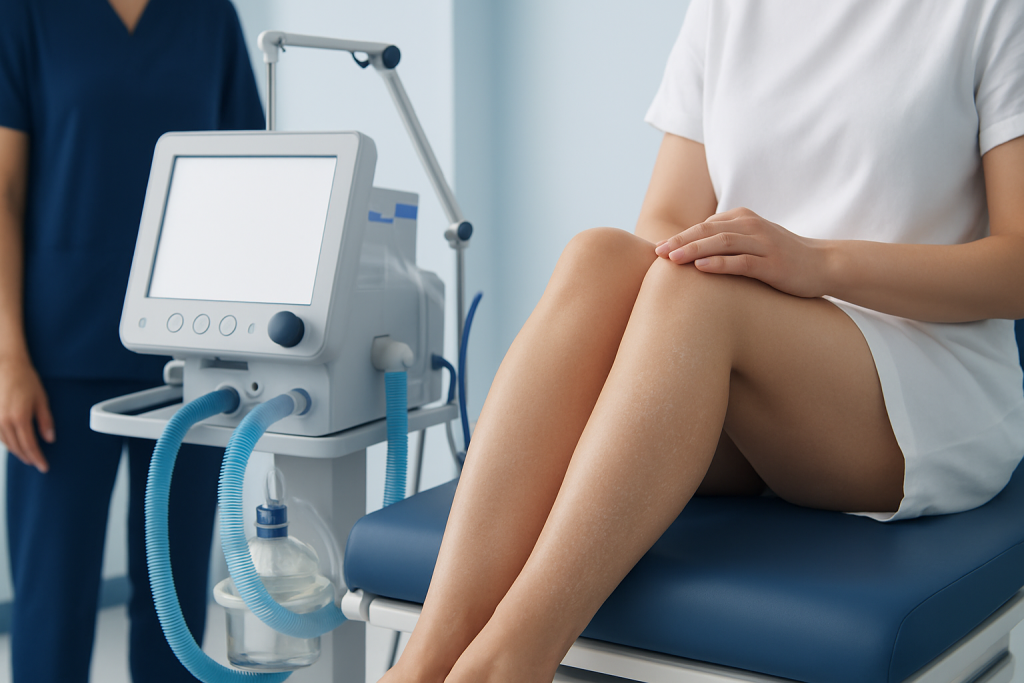
Dry skin on legs can look different from one person to another. Some people notice only a mild ashy appearance, while others have visible scaling, white flakes, or a feeling that the skin is pulled too tightly after bathing. Itch is common, and repeated scratching can make the skin thicker, redder, or more irritated over time.
More persistent dryness may lead to fine cracks, sensitivity, or burning, especially on the shins and lower legs. If the skin becomes very inflamed, small sores, crusting, or areas of discoloration may develop, particularly when an underlying skin condition is present.
Signs that suggest the dryness may be more than ordinary include:
- itching that disturbs sleep
- cracks that sting or bleed
- red patches or repeated rash-like flares
- swelling, warmth, or pain
- dryness limited to one leg or one specific area
These patterns do not diagnose a specific illness on their own, but they help clinicians decide whether the dryness is simple dehydration of the skin or part of a broader condition.
Causes & Risk Factors

The most common reason for dry skin on legs is barrier stress. Hot showers, strong soaps, scrubbing, and frequent washing can strip away the lipids that help skin hold moisture. Dry indoor air, winter weather, and long exposure to air conditioning often make the problem more noticeable.
Everyday habits also matter. Shaving, tight clothing, rough fabrics, and long periods without moisturizing can all leave the lower legs feeling irritated. Older adults are more likely to experience dryness because the skin naturally becomes thinner and produces less oil with age.
Sometimes the cause is a skin disorder. Eczema often creates dry, itchy, inflamed patches. Psoriasis can cause thicker, scaly plaques. Contact dermatitis may follow exposure to a new detergent, lotion, fragrance, or shaving product. In other cases, dryness may be associated with health conditions such as diabetes, hypothyroidism, kidney disease, poor nutrition, or venous insufficiency, which can affect skin integrity and healing.
Risk is higher when several factors overlap. For example, a person with naturally dry skin who works in a climate-controlled environment and uses fragranced body wash daily may notice persistent leg dryness even without an underlying disease.
Diagnosis
Diagnosis usually starts with a careful history and skin examination. A clinician will often ask when the dryness began, whether it changes with the seasons, what products are used on the skin, and whether there are symptoms such as itch, rash, swelling, or pain. The appearance and location of the dryness can offer important clues.
In many cases, no advanced testing is needed. If the pattern suggests eczema, psoriasis, fungus, an allergy, or another skin condition, the doctor may recommend additional evaluation. If the dryness is severe, widespread, or resistant to care, blood tests may be considered to look for contributing health issues such as thyroid problems or diabetes.
For international patients, bringing a list or photos of products used at home can be helpful, especially if the skin became worse after travel or a change in routine. This can make it easier for the clinician to separate a product reaction from a more chronic skin problem.
Treatment Options
Treatment begins with restoring the skin barrier. Thick, fragrance-free moisturizers are usually more effective than light lotions for very dry legs, especially those containing ingredients such as ceramides, glycerin, or petrolatum. Applying moisturizer soon after bathing, while the skin is still slightly damp, helps lock in moisture.
Bathing habits are equally important. Short, lukewarm showers are gentler than hot water, and mild, unscented cleansers are less likely to irritate dry skin. If a person shaves their legs, using a clean razor, shaving cream, and a soothing aftercare product can reduce irritation.
If the dryness is part of eczema or another inflammatory skin condition, a doctor may recommend prescription creams or other targeted treatments. When itching is significant, the main goal is to calm the inflammation so the skin can heal instead of entering a cycle of scratching and cracking. If an infection is suspected, treatment changes accordingly.
When dry skin on legs is linked to an underlying illness, treating the root cause is essential. For example, improving blood sugar control, addressing thyroid disease, or managing venous problems may help the skin recover over time. This is why persistent dryness should not be ignored when it does not respond to routine measures.
Prevention & Self-care
Daily skin care can prevent many episodes of dry skin on legs. The most reliable habit is to moisturize consistently, especially after bathing and before bed. Choosing fragrance-free products and avoiding harsh exfoliants usually makes the skin less reactive.
Simple adjustments often make a noticeable difference:
- Use lukewarm, not hot, water for bathing
- Keep showers brief
- Pat the skin dry instead of rubbing
- Apply a rich moisturizer within minutes of bathing
- Wear soft, breathable fabrics
- Use a humidifier in very dry indoor environments
People who travel often may need an even more deliberate routine because flying, hotel air conditioning, and climate changes can dry the skin quickly. Packing a familiar moisturizer and avoiding new scented products during travel can prevent unnecessary flare-ups. A dermatologist can also help identify which ingredients are most suitable for a person’s skin type and lifestyle.
When to See a Doctor
Medical advice is appropriate when dry skin on legs becomes painful, cracks open, bleeds, or shows signs of infection such as warmth, pus, or increasing redness. A doctor should also be consulted when the dryness is severe, keeps returning, or does not improve after a few weeks of gentle skin care.
It is especially important to seek evaluation if the dryness is accompanied by swelling, marked color changes, numbness, a spreading rash, or symptoms elsewhere in the body such as thirst, fatigue, or weight changes. These clues can point to an underlying medical issue rather than an isolated skin concern.
If a person is planning treatment abroad, a specialist can help decide whether local care is enough or whether a focused diagnostic visit makes sense. Acibadem Health Point’s multidisciplinary specialists and JCI-accredited hospitals support the diagnosis and treatment of skin conditions for international patients, with follow-up plans designed to be practical after travel.
Living With Persistently Dry Legs
When dry skin becomes a long-term pattern, the goal is less about quick fixes and more about finding the person’s triggers. Some people improve when they change one product; others need to adjust bathing, moisturizing, clothing, and treatment for an underlying condition at the same time.
It can help to track when symptoms worsen, what products were used, and whether the skin is better in humid weather or after a few days of regular moisturizing. That record can be useful during a clinic visit, especially if the patient is seeking care while away from home and wants clear instructions for continuing treatment later.
Most importantly, persistent dryness is manageable. With the right combination of barrier repair, trigger avoidance, and medical evaluation when needed, the skin on the legs can often become more comfortable and resilient again.
Frequently asked questions
01Why is the skin on the legs often so dry?
The skin on the legs is more exposed to environmental dryness and friction, and it often has fewer oil glands than other areas. Hot showers, harsh cleansers, cold weather, and aging can make the problem more noticeable.
02Is dry skin on legs always just a skin-care issue?
Not always. While many cases are caused by everyday factors, persistent dryness can also occur with eczema, psoriasis, diabetes, thyroid disease, or circulation problems. A medical review is sensible if the dryness keeps coming back or is hard to control.
03What is the best moisturizer for very dry legs?
A thick, fragrance-free cream or ointment is usually preferred over a light lotion. Products with ceramides, glycerin, or petrolatum can help support the skin barrier, especially when applied right after bathing.
04Can hot showers make dry skin on legs worse?
Yes. Hot water can strip oils from the skin and leave the legs feeling tighter and itchier. Short, lukewarm showers are generally gentler for dry skin.
05When should cracked dry skin on legs be checked by a doctor?
Cracks should be evaluated if they are painful, bleed, look infected, or do not improve with regular moisturizer and gentle care. Medical attention is also important if swelling, redness, or spreading rash develops.
06Could dry skin on one leg mean something different?
Yes, dryness that is mostly on one leg may suggest a local issue such as irritation, eczema, poor circulation, or another skin problem. A clinician may want to examine it more closely if the pattern is uneven or persistent.
This article is for general information only and is not a substitute for professional medical advice. Please consult a qualified doctor about your individual situation.
Explore treatments in Turkey — costs, top hospitals & a free quote
JCI-accredited · board-certified surgeons · reply within 24h
Add us as a Preferred Source to see more of our trusted health content across Google Search, AI Overviews and Discover.