How to Flatten Keloid Scars Naturally?

Key Takeaways
- Keloids are overgrown scars that extend beyond the original wound and may keep thickening over time.
- There is no proven at-home method that safely flattens a keloid completely, but some self-care can reduce friction and irritation.
- Avoid picking, squeezing, or aggressively massaging a keloid, as this can worsen inflammation.
- Silicone sheets or gels, sun protection, and careful wound care may support scar management.
- Medical options such as steroid injections, cryotherapy, laser therapy, or surgery are often needed for flattening.
- People with fast-growing, painful, or recurrent keloids should consult a dermatologist or plastic surgery specialist.
Keloid scars cannot usually be flattened naturally in a reliable or complete way, but gentle care can help reduce irritation and support skin healing. For meaningful flattening, medical treatments are often needed, especially when the scar is growing, itchy, painful, or affecting appearance.
Overview
When people ask how to flatten keloid scars naturally, the honest answer is that keloids usually do not flatten on their own with home remedies alone. A keloid is not just a “healed scar” that sits a little higher than the skin; it is a scar that grows too much during healing and can become firm, shiny, itchy, or tender.
Natural care can still play a role. Gentle, consistent habits may help the area stay calm, protect the skin around it, and lower the chance that the keloid becomes more irritated. That matters because repeated friction, scratching, or wound trauma can make the scar more noticeable.
For someone deciding whether to seek care locally or while traveling for treatment, the key point is this: home measures may support comfort, but meaningful flattening usually requires medical treatment. A dermatologist can confirm whether the bump is truly a keloid, since other raised scars and skin growths can look similar but need different care.
What Keloid Scars Are and Why They Behave Differently
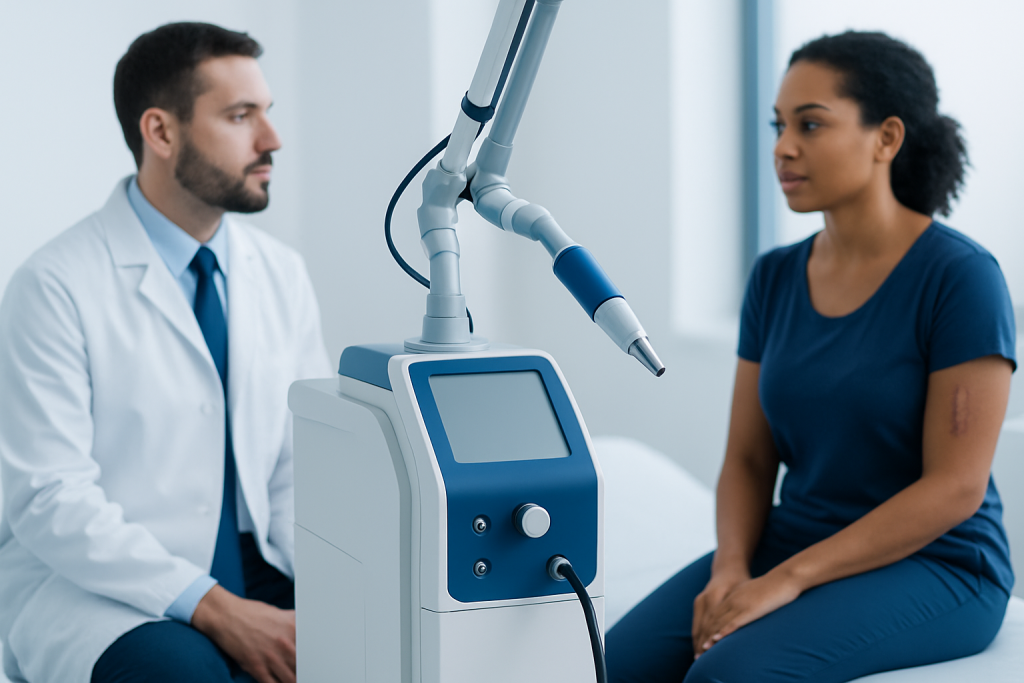
Keloids form when the body produces too much collagen while a wound is healing. Instead of stopping once the skin closes, the scar tissue continues to build up and may spread beyond the original injury. They can appear after acne, piercings, cuts, burns, surgery, or even minor skin trauma in people who are prone to them.
Unlike a hypertrophic scar, which stays within the borders of the original wound and may gradually improve, a keloid often grows beyond those edges and can remain raised for a long time. Some keloids are small and mainly cosmetic; others are thick, uncomfortable, and difficult to ignore because they itch, sting, or tighten the skin.
Family history, darker skin tones, younger age, and a personal tendency to develop keloids can increase the risk. The important takeaway is that keloids are not caused by poor hygiene or “bad healing habits”; they reflect how a person’s skin responds to injury.
Signs and Symptoms

Keloids usually start as a firm, raised area that slowly becomes thicker and more prominent over time. The color may be pink, red, brown, or darker than the surrounding skin, depending on skin tone and how active the scar is.
Common symptoms include itching, tenderness, a burning sensation, sensitivity to touch, and skin tightness. Some people also notice that the keloid feels smooth and rubbery, while others describe it as hard or lumpy.
Because keloids can develop in visible areas such as the chest, shoulders, earlobes, jawline, or upper back, they may also affect confidence and clothing choices. If the spot changes quickly, bleeds, becomes unusually painful, or looks infected, it should be checked by a clinician rather than treated as a routine scar.
Causes and Risk Factors
Any skin injury can trigger a keloid, but not every wound does. The risk appears to depend on a mix of genetics, skin type, the location of the wound, and how much tension or irritation the area experiences during healing.
Some common triggers include piercing the ears or body, acne lesions that become inflamed, surgical cuts, chickenpox scars, scratches, tattoos, and burns. Keloids may be more likely in places where skin stretches or rubs, such as the shoulders, upper chest, back, and earlobes.
Risk is also higher when wounds heal under repeated stress, such as from frequent picking, tight clothing, or ongoing irritation. In international-patient settings, doctors often ask about previous scarring patterns, because a history of keloids is one of the most useful clues for planning future procedures and preventing recurrence.
Diagnosis
Diagnosing a keloid is usually straightforward for a dermatologist or plastic surgeon. The clinician examines the scar, asks when it appeared, how it has changed, and whether it followed a skin injury, piercing, surgery, or acne flare.
In most cases, no special test is required. However, if the appearance is unusual, painful, rapidly enlarging, or not clearly a scar, the doctor may recommend a biopsy or another evaluation to rule out a different skin condition.
For patients traveling for care, a good consultation usually includes a discussion of goals: whether the aim is to reduce itching, flatten the scar, improve color, or prevent it from coming back after treatment. That planning step is especially important because keloids often need more than one approach.
Treatment Options
There is no dependable way to flatten a keloid completely with natural methods alone, but medical treatment can often improve its texture, height, and symptoms. The best choice depends on the scar’s size, location, how long it has been present, and whether it has been treated before.
Common medical options include:
- Silicone gel or silicone sheets: Often used early or after treatment to help soften and protect scar tissue.
- Corticosteroid injections: A common first-line treatment that can reduce thickness, redness, and itching.
- Cryotherapy: Freezing is sometimes used for smaller keloids, often in combination with other therapies.
- Laser treatment: May help improve color, texture, or symptoms in selected cases.
- Surgical removal: Usually considered with caution, because surgery alone can trigger a new keloid unless paired with other treatments.
Some doctors also use pressure therapy, radiation after surgery in selected adults, or other combination approaches. Because keloids can recur, treatment planning is often individualized, and patients may need follow-up visits rather than a one-time procedure.
Home care should be viewed as supportive, not curative. If a person is choosing care from abroad, it can help to ask whether the clinic offers a combined plan and follow-up guidance for once the patient has returned home.
Prevention and Self-care
For someone who wants to know how to flatten keloid scars naturally, the safest self-care goal is usually to keep the scar calm and prevent further thickening. That starts with avoiding irritation. Picking, scratching, rubbing, or repeatedly pressing on the area can make inflammation worse.
Practical steps that may help include keeping the skin clean, using fragrance-free moisturizers if the area feels dry, and protecting the scar from sun exposure with clothing or sunscreen when appropriate. Silicone gel or silicone sheets are not “natural” in the herbal sense, but they are noninvasive and often used at home as part of scar care.
It is also wise to be cautious with internet-famous remedies such as lemon juice, toothpaste, apple cider vinegar, harsh exfoliants, or unproven oils. These may irritate the skin and do more harm than good. Gentle care, patience, and avoiding new injury are more reliable than aggressive DIY treatments.
People who have already formed keloids may want to discuss prevention before any future piercing, tattoo, acne procedure, or surgery. In some cases, doctors can suggest a preventive plan before a wound is made, which may reduce the chance of another difficult scar.
When to See a Doctor
A doctor should evaluate a scar if it keeps growing, becomes painful, itches persistently, limits movement, or affects a visible area in a way that causes distress. Medical review is also important if a “scar” appears without a clear injury, changes color rapidly, bleeds, or develops crusting.
People who have a history of keloids should seek advice before elective piercings, cosmetic procedures, or surgery whenever possible. Early planning can sometimes lower the chance of recurrence and help the treatment strategy fit the patient’s skin type and healing pattern.
For international patients, it is reasonable to ask about aftercare, language support, and follow-up options before traveling. Acibadem Health Point’s multidisciplinary specialists and JCI-accredited hospitals diagnose and treat keloid scars for international patients, with care plans that can be coordinated across consultation, procedure, and recovery.
Frequently asked questions
01Can keloid scars be flattened naturally at home?
Usually not in a complete or reliable way. Gentle self-care can reduce irritation, but true flattening often needs medical treatment such as injections, silicone therapy, cryotherapy, or other dermatologist-guided options.
02Do silicone sheets help keloids?
Silicone sheets or gels may help soften and protect some scars, especially when used consistently. They are not a guaranteed cure, but they are among the safer noninvasive tools often recommended for scar management.
03Is massaging a keloid a good idea?
Light massage may be recommended for some other types of scars, but keloids can be more sensitive. If massage causes redness, pain, or itching, it should be stopped and discussed with a doctor.
04Will a keloid go away on its own?
Keloids usually do not disappear without treatment. Some may become less active over time, but they often remain raised and may continue to cause symptoms or cosmetic concerns.
05Can surgery remove a keloid permanently?
Surgery alone is not usually the best solution because keloids can come back after removal. Doctors often combine surgery with another treatment plan to reduce the chance of recurrence.
06When should someone see a dermatologist for a keloid?
A dermatologist should be seen if the scar is growing, uncomfortable, or affecting confidence or function. Early evaluation is also helpful for people who tend to form keloids after wounds or procedures.
This article is for general information only and is not a substitute for professional medical advice. Please consult a qualified doctor about your individual situation.
Explore treatments in Turkey — costs, top hospitals & a free quote
JCI-accredited · board-certified surgeons · reply within 24h
Add us as a Preferred Source to see more of our trusted health content across Google Search, AI Overviews and Discover.