Treatment for Kp Skin: Options, Effectiveness and Recovery

Key Takeaways
- KP, or keratosis pilaris, is common and harmless, but its rough bumps can be persistent.
- Moisturizers with urea, lactic acid, salicylic acid, or similar ingredients often form the basis of care.
- Harsh scrubbing and over-washing can worsen irritation and dryness.
- Prescription treatments or procedures may help when home care is not enough.
- Improvements usually build gradually, and regular maintenance matters.
- A dermatologist should assess skin that is painful, inflamed, infected, or unclear in diagnosis.
Treatment for kp skin focuses on softening the plugs inside hair follicles, smoothing rough texture, and reducing dryness rather than promising a permanent cure. With the right combination of daily skin care and, when needed, dermatologist-guided treatments, many people see a noticeable improvement in comfort and appearance.
Overview
Treatment for kp skin usually means managing keratosis pilaris, a common condition in which tiny plugs of keratin block hair follicles and create rough, sandpapery bumps. It often appears on the upper arms, thighs, cheeks, or buttocks, and while it is medically harmless, many people seek care because the texture can be persistent or cosmetically bothersome.
The main goal is not to “cure” the condition overnight. Instead, effective care helps soften the plugs, reduce dryness, and calm any redness that makes the bumps stand out. For people deciding on care from another country, it can be helpful to think of KP treatment as a steady skin plan rather than a one-time fix, especially because skin response is gradual and maintenance is usually needed.
In clinic settings, dermatologists may tailor treatment based on skin type, sensitivity, climate, and whether the bumps are simply rough or also red and inflamed. That individualized approach matters, because a product that helps one person may be too strong for another.
Symptoms
Keratosis pilaris typically presents as small, firm bumps that feel rough to the touch. The skin may look dry, slightly red, or uneven, and in some people the bumps become more noticeable in colder weather or after frequent showering.
Symptoms often develop slowly. Many patients first notice that their skin looks “chicken skin” or feels bumpy even when it is not itchy or painful. Some people also have patchy discoloration after the redness settles, especially if the skin has been irritated by picking or harsh exfoliation.
- Fine, flesh-colored or red bumps
- Dry or flaky skin around the bumps
- Mild itching or sensitivity in some cases
- More visible texture on arms, thighs, or cheeks
Because KP can resemble acne, eczema, or folliculitis, a proper skin exam is important when the appearance is unusual or when symptoms change quickly.
Causes & Risk Factors

KP develops when keratin, a normal skin protein, builds up and blocks the openings of hair follicles. Why this happens is not always fully predictable, but it is often linked to genetics and to skin that naturally tends toward dryness or sensitivity.
It is common in people with a family history of KP, eczema, or other atopic conditions. The condition may become more noticeable during periods of low humidity, frequent hot showers, or when the skin barrier is already irritated. Age can also play a role; some people notice it most in childhood or adolescence, and others continue to have it into adulthood.
Common factors that can make KP more noticeable include:
- Dry or sensitive skin
- Cold, low-humidity weather
- Family history of KP or atopic eczema
- Frequent friction from clothing or rough scrubbing
- Skin barrier irritation from harsh cleansers
Understanding the triggers helps guide practical care. People traveling for treatment may also find that changing climates, long flights, and hotel shower products temporarily dry the skin and make symptoms appear more obvious.
Diagnosis
KP is usually diagnosed through a simple skin examination. A dermatologist can often identify it by the pattern of bumps, their feel, and their typical locations on the body. In most cases, no blood test or biopsy is needed.
What matters most during diagnosis is ruling out conditions that may look similar. Acne, folliculitis, eczema, ichthyosis, and plugged pores from other causes can overlap in appearance, but they may call for different treatment choices. If the skin is unusually inflamed, itchy, or painful, the clinician may ask about skincare habits, allergies, climate exposure, and previous products tried.
For international patients, a clear diagnosis is especially helpful before starting a structured treatment plan. It can prevent unnecessary products, reduce skin irritation, and make follow-up easier once the patient returns home.
Treatment Options
The most common treatment for kp skin begins with moisturizers that also gently exfoliate. Ingredients such as urea, lactic acid, salicylic acid, and alpha-hydroxy acids can help loosen the keratin plug and smooth the surface over time. These products are usually introduced gradually so the skin can adjust.
For more stubborn or inflamed KP, dermatologists may recommend prescription-strength topical treatments, including retinoid creams or other barrier-supporting regimens. These should be selected carefully, because stronger ingredients can cause dryness or irritation if overused. The best plan often combines a softening moisturizer with a separate approach for redness or sensitivity.
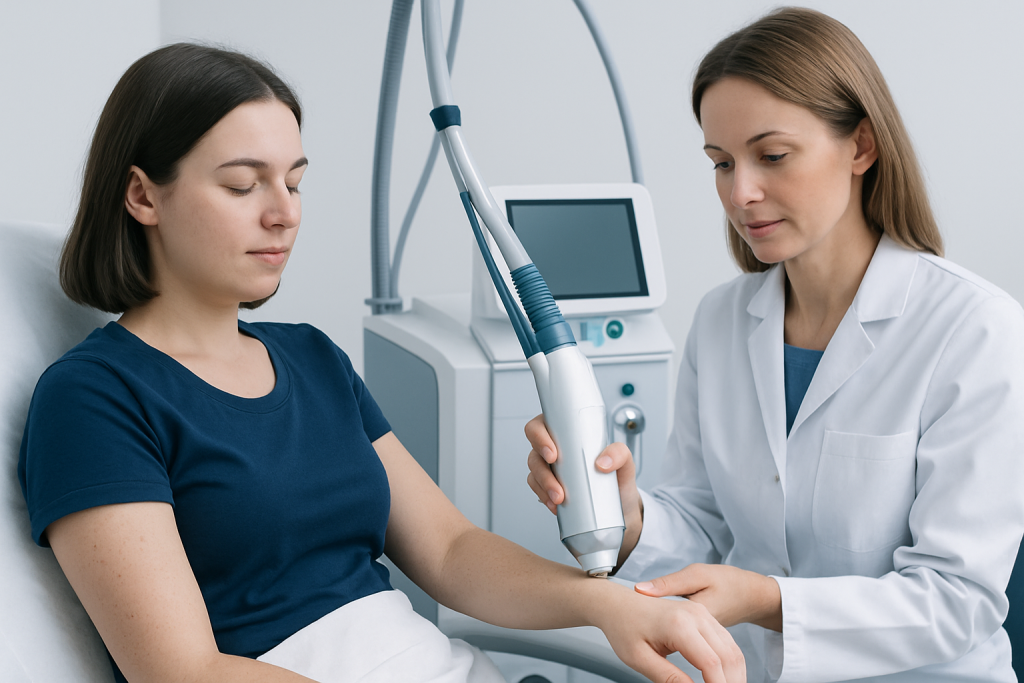
Procedures are not the first step for most people, but they may be considered in selected cases. Depending on the skin findings, a dermatologist may discuss light-based therapies or other in-office options to help reduce redness and improve appearance. These choices are usually considered when topical care alone has not produced enough change.
- Moisturizing creams and lotions with keratolytic ingredients
- Prescription topical retinoids in selected cases
- Gentle maintenance regimens for sensitive skin
- Occasional in-office procedures for persistent redness or texture
Response is gradual. A patient may notice softer skin before the bumps fully flatten, and maintenance often continues even after improvement. For those seeking care abroad, a specialist can often create a treatment sequence that is practical to continue after travel, with clear instructions for follow-up and product use.
Prevention & Self-care
Self-care plays a central role because KP tends to return if the skin becomes dry again. The most useful habits are usually the simplest: gentle cleansing, consistent moisturizing, and avoiding anything that strips the skin barrier.
Short lukewarm showers are kinder to KP-prone skin than long hot ones. After bathing, applying moisturizer while the skin is still slightly damp can help lock in water and improve texture over time. People who scrub aggressively often feel they are helping, but rough exfoliation can increase redness and make the bumps more noticeable.
Helpful everyday habits include:
- Use fragrance-free, non-soap cleansers when possible
- Moisturize daily, especially after bathing
- Avoid picking or squeezing the bumps
- Choose soft fabrics if clothing friction irritates the skin
- Introduce exfoliating products slowly to test tolerance
Consistency matters more than intensity. A mild routine followed regularly is usually more effective than rotating through strong products that irritate the skin barrier.
Recovery and Long-Term Management
Recovery from KP treatment is best understood as a gradual improvement in skin texture rather than a short healing period. When a new moisturizer or prescription cream is started, the skin may need several weeks of regular use before the surface feels smoother and the redness settles.
Some people experience mild dryness, stinging, or flaking when active ingredients are introduced. That does not always mean the treatment has failed, but it does suggest the plan may need adjustment. A dermatologist can often reduce irritation by changing the frequency of use, layering products differently, or switching to a gentler formula.
Long-term management usually includes maintenance care even after the skin improves. Travel, winter weather, air conditioning, and repeated cleansing can all make KP more prominent again, so a workable routine should be easy to continue at home or while abroad. Acibadem Health Point’s multidisciplinary specialists and JCI-accredited hospitals can evaluate and treat KP for international patients who want a structured dermatology plan and follow-up support.
When to See a Doctor
It is sensible to see a dermatologist when the bumps are painful, very itchy, spreading rapidly, or showing signs of infection such as crusting or pus. Medical evaluation is also useful if the diagnosis is uncertain, because several skin conditions can resemble KP and need different treatment.
Professional advice is especially valuable when home care has not helped after a fair trial, or when sensitive skin limits what can be used safely. A doctor can confirm whether the condition is KP, another follicular disorder, or part of a broader eczema pattern that may need a different approach.
People planning treatment in another country may also want to arrange a consultation if they expect to stay only a short time. That way, they can leave with a clear plan, realistic expectations, and instructions for ongoing care after returning home.
Frequently asked questions
01Can KP be cured permanently?
KP usually cannot be cured permanently, but it can often be controlled well. Most treatment plans aim to soften the bumps, reduce dryness, and keep the skin smoother with ongoing care.
02What is the most effective treatment for kp skin?
The most effective approach for many people is regular use of a moisturizer that also gently exfoliates, such as one containing urea, lactic acid, or salicylic acid. Some patients need prescription treatment if the condition is more stubborn or inflamed.
03How long does KP treatment take to work?
Improvement is usually gradual, not immediate. Skin may feel softer within weeks, but more visible changes often take longer and depend on how consistently the routine is followed.
04Is exfoliating scrub good for KP?
A gentle approach is usually better than a harsh scrub. Aggressive physical exfoliation can irritate the skin and make redness worse, especially in people with sensitive or dry skin.
05Does KP need a prescription?
Not always. Many people manage KP with over-the-counter skincare, but a prescription may help when the bumps are persistent, red, or not improving with basic care.
06When should KP be checked by a doctor?
A doctor should evaluate KP if the skin is painful, very itchy, infected-looking, or changing in a way that does not seem typical. Medical review is also helpful if a person is unsure whether the bumps are really KP.
This article is for general information only and is not a substitute for professional medical advice. Please consult a qualified doctor about your individual situation.
Hair transplant in Turkey — costs, graft counts & a free assessment
JCI-accredited · board-certified surgeons · reply within 24h
Add us as a Preferred Source to see more of our trusted health content across Google Search, AI Overviews and Discover.