Donut Breast Lift Before and After: Expected Changes
Donut breast lift before and after results commonly show a subtle improvement in nipple position, breast contour, and areola size for people with mild breast sagging. The procedure uses an incision around the areola, so it may offer less visible scarring than larger lifts, but it cannot provide the same degree of reshaping as more extensive techniques.
Overview: What Donut Breast Lift Before and After Results May Show
A donut breast lift before and after comparison usually shows a modest elevation of the nipple and areola, a tighter appearance of the skin around the breast, and improved areola symmetry or size. Also called a periareolar mastopexy, this operation removes a ring of skin around the areola and closes the surrounding skin toward it, creating a scar at the areola border.
The procedure is designed for mild drooping rather than major lifting or reshaping. It may be considered when the nipple sits near or slightly below the breast crease but is not significantly downward-facing. Outcomes vary with skin quality, breast volume, existing asymmetry, weight changes, pregnancy history, and the surgical technique selected.
Before-and-after images can help a person understand the range of realistic outcomes, but they cannot predict an individual result. A surgeon should explain whether a donut lift alone is likely to meet the person’s goals or whether a vertical or anchor-pattern breast lift may provide a more appropriate degree of lift.
How a Donut Breast Lift Works
During a donut lift, the surgeon makes two circular markings around the areola. The skin between these circles is removed, creating a donut-shaped area of excised skin. The outer skin is then drawn inward and sutured around the areola, which can raise the nipple-areola complex and reduce the areola diameter when needed.
The breast tissue itself is usually reshaped less extensively than in other mastopexy techniques. For this reason, the operation is most useful when skin tightening and a limited repositioning of the nipple are the primary goals. It may sometimes be combined with breast augmentation when a person also wants more upper-breast fullness.
The procedure does not reliably restore volume that has been lost after pregnancy, breastfeeding, weight loss, or aging. If reduced volume is a central concern, a surgeon may discuss options such as a lift combined with implants or fat transfer. The most suitable approach depends on anatomy and personal priorities rather than a single preferred technique.
Candidacy, Benefits, and Limitations
Good candidates are generally adults in good overall health who have mild breast sagging, realistic expectations, and stable weight. People who are considering future pregnancy or substantial weight loss may wish to discuss timing, because later changes in breast size can affect the result. Smoking and nicotine exposure can interfere with wound healing, so surgeons commonly ask patients to stop nicotine products well before and after surgery.
Potential benefits include a scar that is largely positioned at the edge of the areola, improved areola shape or size, and a subtle lift without the longer vertical scars used in other methods. Some people appreciate that the operation can address minor asymmetry while preserving a relatively natural breast shape.
The key limitation is the amount of lift available. A donut lift cannot correct moderate or severe ptosis as effectively as a vertical or anchor breast lift. It may also flatten the breast, widen the areola, or create a puckered appearance around the areola in some cases, particularly when a large amount of skin is removed.
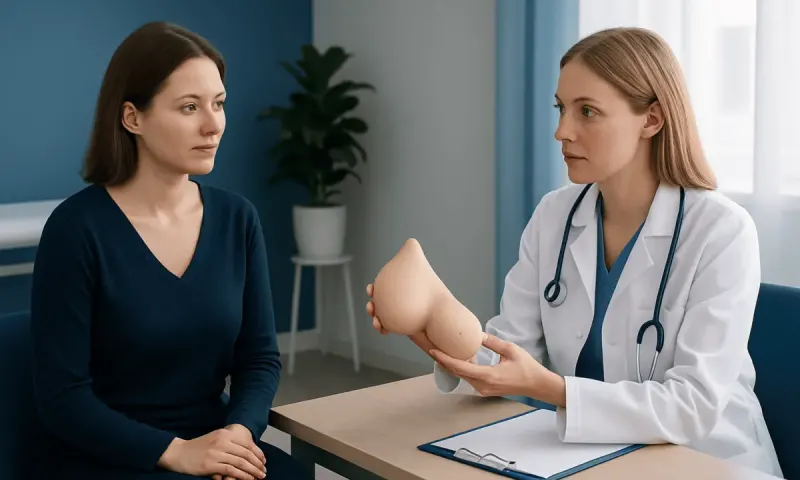
A consultation for breast lift surgery can help clarify whether a periareolar approach matches the degree of ptosis and the desired breast shape. The surgeon may examine nipple position, skin elasticity, breast volume, chest-wall shape, and any differences between the breasts before recommending a plan.
Step by Step: What Happens During the Procedure
Breast lift surgery is commonly performed as an outpatient procedure under general anesthesia, although the anesthesia plan is individualized. Before surgery, the clinician reviews medical history, medications and supplements, allergies, smoking or nicotine use, previous breast procedures, and breast imaging history. A physical examination and photographs for surgical planning are also usual parts of the assessment.
On the day of surgery, the surgeon marks the planned areola position while the patient is upright. After anesthesia is given, the ring of skin around the areola is removed. The surgeon may reshape a limited amount of underlying breast tissue, adjust the areola size, and close the skin with layered sutures designed to support the new contour.
A soft dressing and supportive surgical bra are generally applied after the procedure. Drains are not always needed for a donut lift, but the decision depends on the extent of surgery and the surgeon’s practice. The removed tissue may be sent for laboratory examination when clinically appropriate.
Follow-up appointments allow the surgical team to check healing, remove or assess sutures if necessary, and advise when activity can gradually increase. Instructions should be followed closely, as they are tailored to the operation performed and the person’s medical needs.
How Long Does It Take to Recover From a Donut Lift Surgery?
Initial recovery from a donut lift surgery often takes around one to two weeks for many routine daily activities, although recovery is individual. Soreness, tightness, swelling, bruising, and temporary changes in nipple sensation are common in the early period. Pain is usually managed with the medicines recommended by the surgical team.
Patients are generally advised to wear a supportive bra, avoid lifting, strenuous exercise, and upper-body strain during the early healing phase. Driving should wait until the person is no longer taking sedating pain medicine and can safely perform emergency maneuvers. The surgeon will give specific guidance about showering, sleep position, work, and exercise.
Swelling often improves gradually over several weeks, while breast shape and scars continue to mature for months. It is common for the breasts to appear high, firm, uneven, or more swollen soon after surgery; these features often change as tissues settle. Scar color and texture may continue improving for a year or longer.
Follow-up care is important because early review can identify concerns such as delayed wound healing or infection. Patients should contact their surgeon rather than relying on online recovery timelines if symptoms or progress feel different from the expected plan.
What Are the Downsides of a Donut Lift?
The main downside of a donut lift is that it provides limited lifting power. It may not adequately correct a low nipple position, pronounced loose skin, or substantial loss of breast shape. Choosing this technique when a more extensive lift is needed can leave a person dissatisfied with persistent sagging or insufficient contour improvement.
Because the skin is gathered around the areola, the areola may stretch over time or develop a widened, uneven, or slightly pleated scar. Some patients notice temporary or persistent changes in nipple sensation, breast sensation, or breastfeeding ability. No breast lift can guarantee preservation of sensation or future breastfeeding function.
General surgical risks include bleeding, infection, poor wound healing, fluid collection, asymmetry, adverse anesthesia reactions, blood clots, and the need for revision surgery. These complications are uncommon but should be discussed carefully. Risks may be higher in people who smoke, have certain health conditions, or have impaired circulation or healing.
Breasts continue to change naturally after surgery. Aging, hormonal changes, pregnancy, and major weight fluctuations may alter the long-term appearance. A supportive bra, stable weight, and avoiding nicotine can support healing and help maintain results, but they cannot stop normal tissue changes.
Can You Show Me Pictures of a Donut Breast Lift Before and After?
A health information article cannot assess or display personalized surgical outcomes, and online donut breast lift before and after pictures should be viewed carefully. Images may be taken at different stages of recovery, in different lighting, or with different positioning. Some pictures may not clearly state whether an implant, fat transfer, or another procedure was performed at the same time.
The most useful donut breast lift before and after photos are standardized: they show consistent views, lighting, posture, and time since surgery. They should also identify the technique used and indicate whether the patient had a lift alone or a combined operation. A surgeon’s own photo gallery can be helpful for reviewing results in patients with similar breast shape and level of sagging.
During consultation, patients can ask to see appropriately consented donut lift before and after photos and to discuss what features are relevant to their own anatomy. The purpose of these images is education and expectation-setting, not a promise that the same contour, scar pattern, or symmetry can be achieved for every person.
What Is the Average Cost of a Donut Breast Lift?
There is no single average cost that accurately applies to every donut breast lift. The total expense can vary by country and city, surgeon experience, hospital or surgical facility, anesthesia, preoperative tests, garments, medications, follow-up care, and whether another procedure is performed at the same time.
Because a breast lift is usually performed for cosmetic reasons, it is often not covered by health insurance. However, coverage and financial arrangements differ by insurer and location. A written estimate from the surgical provider is the clearest way to understand what is included and whether there may be additional charges.
Cost should not be the only factor in choosing a surgical team. It is important to consider the surgeon’s qualifications, the safety standards of the operating facility, communication about risks, and access to follow-up care. Acıbadem Health Point’s multidisciplinary specialists and JCI-accredited hospitals diagnose and treat patients requiring breast surgery, including international patients.
Individuals considering surgery should ask about the expected care pathway, anesthesia, potential revision policies, and travel-related follow-up needs if receiving treatment away from home. A responsible clinic should provide clear information without pressuring a patient to decide quickly.
When to Seek Medical Care
Anyone considering a breast lift should arrange a consultation with a qualified plastic surgeon for an individualized assessment. Medical review is especially important for people with a breast lump, new nipple discharge, skin dimpling, persistent breast pain, a strong family history of breast cancer, previous radiation treatment, or a history of breast surgery.
After surgery, patients should urgently contact their surgical team for increasing pain not relieved by prescribed treatment, rapidly enlarging swelling on one side, spreading redness, fever, foul-smelling drainage, wound opening, shortness of breath, chest pain, or leg swelling. These symptoms do not always indicate a serious problem, but they need prompt clinical advice.
Routine breast health screening should continue according to a clinician’s recommendations for age, risk factors, and local guidance. A breast lift does not replace mammography or other appropriate screening, and patients should inform imaging providers about any breast surgery they have had.
Frequently asked questions
01What is a donut breast lift?
A donut breast lift is a breast lift technique that uses a circular incision around the areola. It is also called a periareolar mastopexy because the scar is placed around the edge of the areola. It is usually intended for mild breast sagging and may also reduce areola size.
02How long do donut breast lift results last?
The results can be long-lasting, but breast tissue and skin continue to change with aging, gravity, hormonal shifts, pregnancy, and weight changes. Stable weight and avoiding nicotine can support longer-lasting results. A surgeon can explain which factors are most likely to affect an individual outcome.
03Will a donut lift make the breasts look larger?
A donut lift does not add breast volume. It may make the breasts look somewhat firmer or more projected by removing loose skin and repositioning the nipple-areola complex. People seeking a substantial increase in fullness may need to discuss other options with their surgeon.
04Does a donut breast lift leave scars?
Yes. The scar is typically located around the outer border of the areola. Although this location can make the scar less noticeable over time, scars can remain visible, widen, darken, or become raised in some people.
05Can a donut breast lift be combined with implants?
Yes, in selected patients a donut lift may be combined with breast augmentation. This can address mild sagging and increase breast volume at the same time. Combining procedures may also change recovery needs and risks, so careful surgical planning is important.
06Can breastfeeding be affected by a donut breast lift?
Breast lift surgery may affect breastfeeding, although some people can still breastfeed after surgery. The likelihood depends on the technique used, the extent of tissue and duct disruption, and individual healing. People who plan future pregnancies should discuss this concern before deciding on surgery.
This article is for general information only and is not a substitute for professional medical advice. Please consult a qualified doctor about your individual situation.
Explore treatments in Turkey — costs, top hospitals & a free quote
JCI-accredited · board-certified surgeons · reply within 24h
Add us as a Preferred Source to see more of our trusted health content across Google Search, AI Overviews and Discover.