MTF Breast Augmentation: Implant and Recovery Options
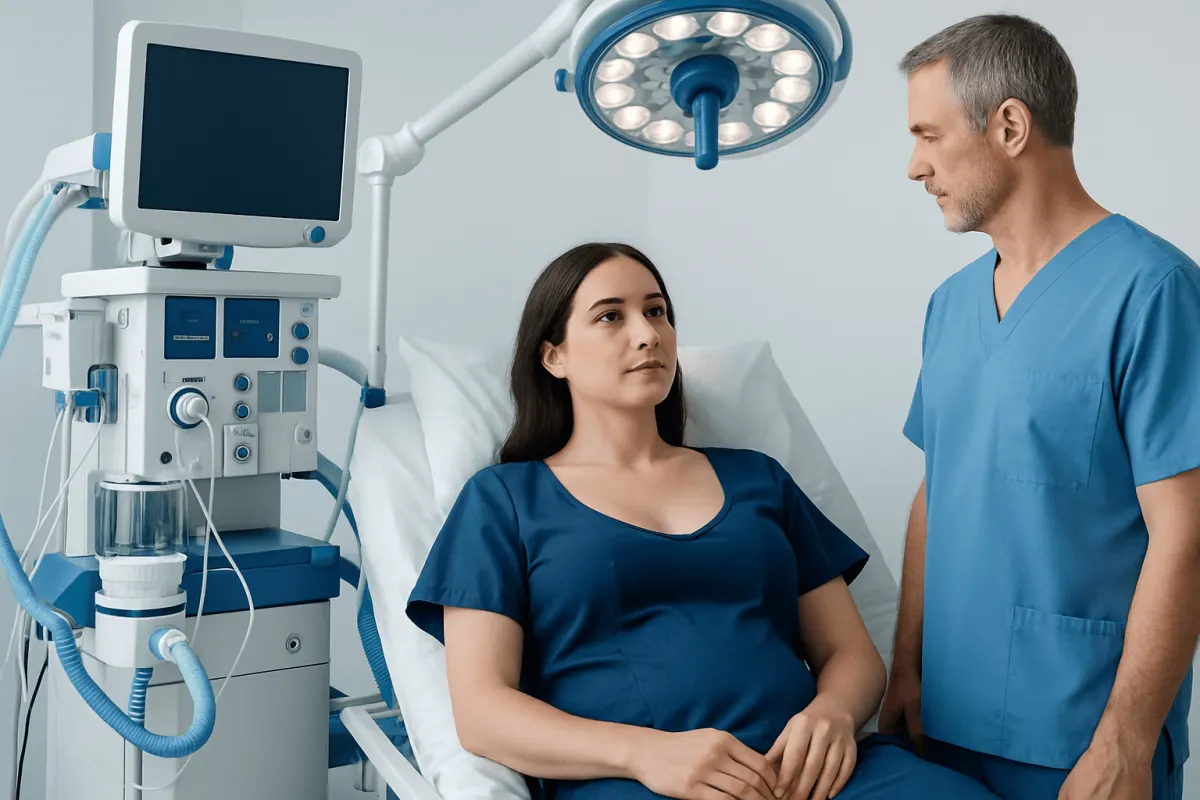
MTF breast augmentation is a gender-affirming surgical procedure that creates breast volume and shape, most commonly with implants. It can be considered when hormone therapy alone does not provide the desired breast size, contour, or symmetry, following an individual assessment by an experienced surgical team.
Overview: What Is MTF Breast Augmentation?
MTF breast augmentation, also called transfeminine breast augmentation or chest feminization surgery, is a gender-affirming procedure designed to increase breast volume and create a breast shape that feels more aligned with a person’s goals. The most common approach involves placing breast implants beneath the breast tissue or chest muscle. In selected cases, a surgeon may discuss fat grafting, either alone or as an addition to implants.
Many transfeminine people develop some breast tissue while taking gender-affirming hormone therapy (HRT). However, the amount of growth, breast shape, and symmetry vary widely. Surgery may be an option for people who want more volume, a different proportion, or improved balance between the chest and overall body shape.
The procedure is individualized rather than based on a fixed ideal size. A careful consultation considers the person’s anatomy, medical history, hormone treatment, expectations, lifestyle, and understanding that implants are medical devices that may require monitoring or replacement in the future.
How MTF Breast Augmentation Works and Who May Be a Candidate
Breast augmentation usually creates volume with a silicone gel or saline implant. Silicone implants generally have a more natural feel for many people, while saline implants are filled after placement and may require a smaller incision. Implant choice is only one part of planning: the surgeon also considers implant profile, width, projection, position, and whether the implant should sit above or partly below the chest muscle.
A person may be a candidate if they have persistent gender incongruence related to their chest, are able to give informed consent, and have medical conditions that are appropriately assessed and managed. Some people choose surgery after a period of HRT because it allows hormone-related breast development to stabilize, but the timing should be decided individually with the prescribing clinician and surgeon.
During consultation, it is helpful to discuss desired outcomes in terms of proportion and shape rather than cup size alone. Chest width, skin elasticity, existing breast tissue, ribcage shape, and the space between the breasts can all influence what can be achieved safely. Smoking or nicotine use can impair healing, so clinicians commonly recommend stopping before and after surgery.
Patients considering breast augmentation should receive clear information about incision options, scar placement, implant surveillance, likely recovery needs, and the possibility of revision surgery over a lifetime.
MTF Breast Augmentation Procedure: Step by Step

Before surgery, the care team reviews health history, medications, allergies, previous operations, and any relevant laboratory testing. The surgeon examines the chest, takes measurements, discusses implant options, and may use sizing tools to support shared decision-making. Instructions may include pausing certain medicines or supplements that can increase bleeding risk, but changes to prescribed hormones or other medicines should only be made with the clinician who manages them.
The procedure is typically performed under general anesthesia. After the chest is marked, the surgeon makes a planned incision, commonly in the crease beneath the breast, around the lower edge of the areola, or less commonly in the armpit. A pocket is created for the implant either above the pectoral muscle, below it, or in a dual-plane position that uses elements of both approaches.
The implant is placed, position and symmetry are checked, and the incision is closed. A supportive surgical bra or dressing is usually applied. The operation often takes a few hours, although the exact duration varies with the surgical plan and whether any additional procedures are performed.
Fat grafting uses fat removed by liposuction from another body area, processed, and injected into the breast. It can provide modest volume and contour adjustment, but some transferred fat is naturally reabsorbed. It is not always suitable when a substantial volume increase is desired.
Benefits, Limits and Possible Risks
For appropriately selected patients, MTF breast augmentation can provide a fuller chest contour, improved clothing fit, and greater comfort with personal appearance. Some people find that a more feminine chest shape supports their social confidence and gender affirmation. Outcomes are personal, and emotional wellbeing should be discussed alongside physical goals.
It is important to have realistic expectations. Implants cannot fully change underlying chest width, muscle shape, nipple position, or the natural spacing of the breasts. Mild asymmetry is common in all bodies, and surgery cannot guarantee perfect symmetry. Final breast shape also changes gradually as swelling resolves and implants settle.
Potential short-term risks include bleeding, fluid collection, infection, delayed wound healing, pain, temporary changes in sensation, and anesthesia-related complications. Longer-term issues can include capsular contracture, implant movement, rippling, rupture or deflation, persistent asymmetry, and changes requiring revision surgery.
People with breast implants should remain aware of new breast changes and follow their surgeon’s advice on follow-up and imaging. Rare implant-associated conditions have been reported, including breast implant-associated anaplastic large cell lymphoma, which is most strongly linked with certain textured implants. The surgeon can explain implant surface options and current safety information.
Recovery Timeline After MTF Top Surgery
Recovery after MTF top surgery, meaning breast augmentation in this context, occurs in stages. In the first several days, tightness, swelling, bruising, fatigue, and discomfort are expected. Prescribed pain relief and a supportive garment can help, and patients are usually encouraged to take gentle walks as directed to support circulation.
Many people can manage basic self-care and return to light, non-strenuous activities within about one to two weeks, depending on the type of work and their individual recovery. Driving should wait until the person is no longer taking sedating pain medicine and can comfortably perform an emergency stop. Follow-up appointments allow the surgical team to check healing and answer questions.
Heavy lifting, vigorous exercise, swimming, and upper-body training are usually postponed for several weeks. The exact restriction period differs by implant placement, incision healing, and surgeon guidance. Swelling often improves over several weeks, while the breasts may continue to soften and settle into a more natural position over several months.
Following aftercare instructions is important. Patients should wear the recommended support garment, avoid nicotine, keep incision sites clean and dry as advised, attend scheduled reviews, and ask before restarting exercise or changing wound care.
How Long Does It Take to Recover From MTF Top Surgery?
Most people need around one to two weeks away from strenuous work and regular responsibilities after MTF breast augmentation, although recovery is individual. Desk-based work may be possible sooner for some people, while physically demanding work often requires more time and medical clearance.
Early healing usually takes several weeks. During this period, the chest can feel tight, swollen, numb, or sensitive, and arm movement may be limited. Exercise, lifting, and activities that strain the chest should be resumed only according to the surgeon’s plan, often after several weeks.
Visible results begin immediately but are not final at first. Swelling, incision healing, and implant settling mean that the final contour may take several months to develop. A surgeon can provide a more precise recovery timeline based on the person’s procedure and health needs.
How Big Do Breasts Get on MTF HRT?
MTF HRT can stimulate breast development, but the final size varies considerably from person to person. Genetics, age, body composition, hormone regimen, duration of treatment, and natural tissue responsiveness all influence the result. HRT cannot predictably produce a specific cup size.
Breast development commonly begins within months of starting estrogen-based therapy and may continue over several years. Development often includes breast buds, tenderness, and gradual changes in the nipple-areola area and surrounding fatty tissue. The resulting breasts may remain smaller or have a different distribution of tissue than a person hopes for.
Changing hormone doses without medical supervision is not a safe way to pursue larger breasts. Anyone concerned about breast development should discuss expectations and hormone management with a qualified clinician. Surgical augmentation may be considered when hormone-related development has reached a stable point and additional volume is desired.
What Does the 45-55 Rule Mean for Breast Augmentation?
The “45-55 rule” is an informal planning concept rather than a universal medical rule. It generally refers to placing roughly 45% of breast volume above the nipple and 55% below it, aiming for a naturally proportioned lower breast curve. It may be mentioned when discussing breast shape, implant profile, or aesthetic goals.
This proportion is not appropriate for every person and should not be treated as a required outcome. Anatomy, skin elasticity, implant type, breast tissue, chest dimensions, and personal preference can all support a different balance of upper and lower fullness.
For transfeminine augmentation, surgeons also consider the typically broader chest framework and wider nipple spacing that may be present. The most useful approach is an individualized plan that prioritizes safety, stable implant position, and a result that fits the patient’s goals.
How to Poop After Breast Augmentation
Constipation is common after breast augmentation because anesthesia, reduced movement, dehydration, dietary changes, and some pain medicines can slow bowel activity. Gentle walking, adequate fluids, and eating fiber-containing foods when tolerated may help bowel function return. It is best to avoid straining, especially during the early recovery period.
A clinician may recommend a stool softener or laxative when appropriate, particularly if opioid pain medicine is prescribed. Patients should ask their surgeon or pharmacist which option is safe for them, since individual medical conditions and medications matter.
Contact the surgical team if constipation is persistent, abdominal pain becomes significant, vomiting occurs, or the person cannot pass gas or stool. These symptoms need individual medical assessment rather than self-treatment alone.
When to Seek Medical Care
Patients should contact their surgical team promptly for increasing redness, warmth, drainage, a fever, worsening pain that is not controlled by the prescribed plan, or one breast becoming suddenly much more swollen, firm, or bruised than the other. These symptoms do not always mean a serious problem, but early assessment can help identify issues such as infection or bleeding.
Emergency medical care is needed for chest pain, shortness of breath, fainting, confusion, or symptoms of a severe allergic reaction. A sudden change in breast shape or size after the early recovery period should also be discussed with a clinician, as implant-related complications can occur later.
Acıbadem Health Point’s multidisciplinary specialists and JCI-accredited hospitals assess and treat patients seeking gender-affirming breast surgery, including individualized preoperative planning and postoperative follow-up for international patients.
Frequently asked questions
01Is MTF breast augmentation the same as MTF top surgery?
The term MTF top surgery is often used to describe transfeminine breast augmentation. It usually involves implants to increase breast volume and shape, although fat grafting may be discussed in selected cases. The exact terminology and surgical plan should be clarified during consultation.
02Can MTF HRT replace breast augmentation surgery?
For some people, hormone therapy produces breast development that meets their goals. For others, growth remains limited or does not create the desired shape, volume, or symmetry. HRT and surgery are separate options, and one does not automatically require the other.
03Where are the scars after MTF breast augmentation?
Scar location depends on the incision used. A common incision is placed in the crease beneath the breast, while other options may include the edge of the areola or the armpit. Scars usually fade over time but do not disappear completely.
04When can someone sleep on their side after breast augmentation?
Many surgeons initially recommend sleeping on the back with the upper body slightly elevated to limit swelling and avoid pressure on the breasts. The timing for side sleeping varies, often depending on comfort, incision healing, and implant position. Patients should follow their own surgeon’s instructions.
05Will breast implants need to be replaced?
Breast implants are not considered lifetime devices, and some people need additional surgery later because of rupture, capsular contracture, cosmetic changes, or personal preference. Replacement is not automatically needed at a fixed time if there is no problem. Regular follow-up and attention to new symptoms are important.
06Can a person continue HRT after MTF breast augmentation?
Many people continue gender-affirming hormone therapy after recovery, but management should be coordinated between the surgeon and the clinician prescribing hormones. Whether hormones are adjusted around surgery depends on individual health factors, including clotting risk and the specific treatment plan. Patients should not stop or restart prescribed hormones without medical advice.
This article is for general information only and is not a substitute for professional medical advice. Please consult a qualified doctor about your individual situation.
Explore treatments in Turkey — costs, top hospitals & a free quote
JCI-accredited · board-certified surgeons · reply within 24h
Add us as a Preferred Source to see more of our trusted health content across Google Search, AI Overviews and Discover.