Female Pattern Baldness: Why Hair Thins Over Time
Female pattern baldness is a common form of gradual hair thinning, usually affecting the top of the scalp and widening the part line. Although it is typically long-term, early assessment and consistent treatment can slow progression, preserve existing hair, and help some people achieve visible regrowth.
Female Pattern Baldness: What It Is and What to Expect
Female pattern baldness, also called female pattern hair loss or female androgenetic alopecia, is a gradual reduction in hair density caused by progressive shrinking of genetically susceptible hair follicles. It most often produces a wider central part and thinning across the crown while the frontal hairline is relatively preserved. It is not usually a sign of poor hygiene or something a person has caused.
The condition can affect confidence and emotional wellbeing, but effective female pattern baldness treatment options are available. Results vary because treatment response depends on the duration and severity of thinning, the presence of other medical factors, and whether treatment is used consistently. A dermatologist or qualified clinician can help identify the pattern of hair loss and create an individual plan.
Female pattern baldness recovery is generally gradual rather than immediate. The main goals are to reduce further shedding, maintain existing follicles, and support thicker-looking regrowth where follicles remain active. Earlier treatment tends to offer the best opportunity to preserve hair density.
Recognising the Pattern and Looking Beyond the Scalp
Many people first notice more scalp showing under bright light, a part that appears wider than before, reduced volume in a ponytail, or difficulty styling the hair as they once did. Hair thinning often develops slowly over months or years. Unlike some other forms of hair loss, female pattern baldness does not usually cause sudden handfuls of hair to fall out or sharply defined bald areas.
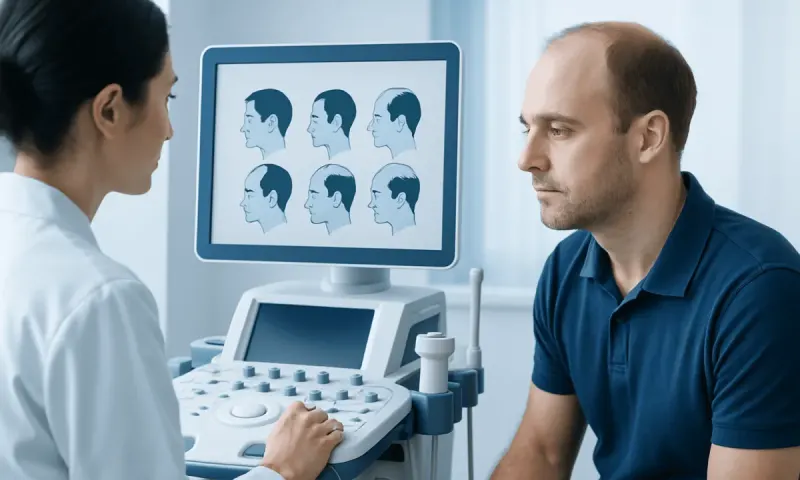
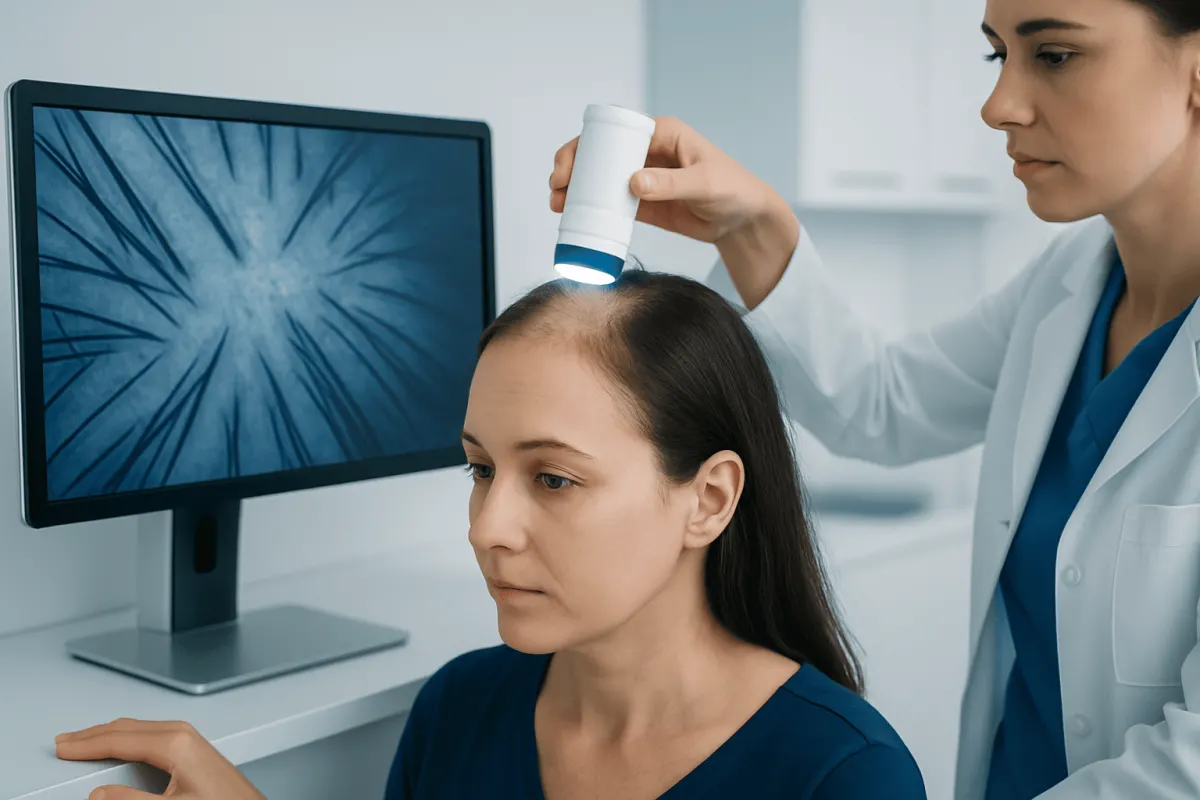
A clinician may use a hair-loss grading scale, scalp examination, and magnification of the hair shafts to assess the degree and distribution of thinning. Standardized photographs can also provide a useful female pattern baldness before and after comparison over time. These images are most meaningful when taken in the same lighting, hairstyle, and angle.
Hair loss may overlap with other conditions. For example, temporary diffuse shedding can follow illness, childbirth, major stress, rapid weight change, or surgery. Patchy loss, scalp scaling, pain, burning, or broken hairs may point to another diagnosis and should be assessed rather than assumed to be pattern hair loss.
What Causes Female Pattern Baldness and Who Is at Risk?

Female pattern baldness is influenced by inherited factors and by the way follicles respond to hormones over time. In affected areas, each growth cycle may become shorter and the new hair shaft may become finer. This process is called follicular miniaturization. Family history can be present on either side of the family, although it is not always obvious.
Hormonal changes can make thinning more noticeable, particularly around menopause. Some people with polycystic ovary syndrome or other signs of increased androgen activity, such as acne, irregular periods, or excess facial hair, may also have female pattern hair loss. However, many women with the condition have normal hormone levels and no other hormonal symptoms.
Other factors may worsen shedding or make underlying thinning more apparent. These include iron deficiency, thyroid disorders, inadequate protein or calorie intake, certain medicines, tight hairstyles that cause traction, and inflammatory scalp disease. Identifying these factors is important because they may need separate treatment alongside management of pattern hair loss.
What is the average age for female pattern baldness?
There is no single average age because female pattern baldness can begin after puberty and may appear at different stages of adulthood. It is more frequently recognized from midlife onward and becomes increasingly common after menopause. When noticeable thinning starts suddenly, occurs at a young age, or is accompanied by menstrual or other hormonal changes, medical assessment is especially helpful.
How Female Pattern Baldness Is Diagnosed
Diagnosis is usually based on a medical history and scalp examination. A clinician will ask when the thinning began, whether shedding is sudden or gradual, which areas are affected, what medications and supplements are used, and whether there have been recent illnesses, dietary changes, pregnancy, stressors, or changes in menstrual cycles.
Depending on the history and examination, blood tests may be considered to look for contributors such as iron deficiency or thyroid dysfunction. Testing for androgen-related conditions may be appropriate when there are symptoms such as irregular periods, acne, or increased facial or body hair. Tests are tailored to the individual; not everyone needs extensive blood work.
Occasionally, a scalp biopsy is recommended if the diagnosis is uncertain or if there are features of scarring hair loss, including redness, scale, tenderness, or loss of visible follicle openings. Establishing the correct diagnosis matters because some inflammatory and autoimmune causes of hair loss need prompt, different treatment.
Treatment, Procedures and Recovery Timeline
Topical minoxidil is commonly used as a first-line option for female pattern baldness. It can help prolong the growth phase of the hair cycle and may increase hair shaft diameter. Some people experience a temporary increase in shedding during the first weeks as follicles transition into a new growth cycle. Meaningful improvement often takes several months, and continued use is generally needed to maintain benefit.
For selected adults, a doctor may discuss oral treatments, including low-dose oral minoxidil or medicines that reduce androgen effects. These options require individualized prescribing because they may not be appropriate during pregnancy or breastfeeding and can have side effects or medicine interactions. Treatment decisions should take account of medical history, blood pressure, reproductive plans, and the pattern of hair loss.
Supportive female pattern baldness solutions may include treatment of iron deficiency or thyroid disease when present, gentler hair-care practices, and cosmetic approaches such as volumizing products, hair fibers, camouflage sprays, or a change in hairstyle. Low-level light devices and platelet-rich plasma injections are offered in some settings, but response and evidence quality vary. Hair transplantation may be considered for carefully selected people with stable loss and adequate donor density; it does not prevent continued thinning in untreated areas.
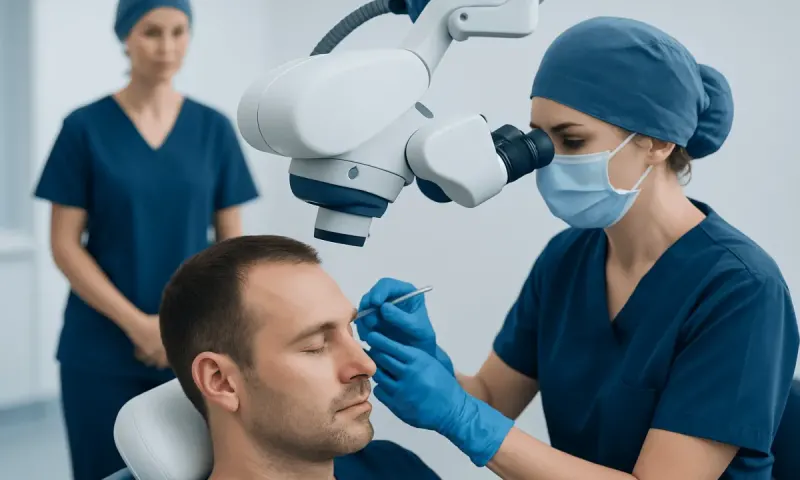
Recovery after non-surgical treatment usually does not involve downtime. After a procedure such as platelet-rich plasma treatment or transplantation, aftercare instructions depend on the technique and clinician. Hair transplant growth is gradual, with transplanted hairs often shedding initially before new growth develops over subsequent months. A long-term plan remains important because native hair can continue to thin.
Can You Recover From Female Pattern Baldness?
Female pattern baldness can often be improved or stabilized, but a complete and permanent return to previous hair density is not always possible. The follicles are gradually miniaturized rather than instantly destroyed, so treatment may help produce thicker hairs and reduce further loss when started while follicles remain active.
Recovery is best understood as a process of preserving hair and improving visible density over time. Some people see reduced shedding first, followed by fuller-looking hair after several months. Others may mainly achieve stabilization, which is still a meaningful outcome because untreated female pattern hair loss often progresses gradually.
Has anyone reverse female pattern baldness?
Some people experience noticeable regrowth and improved scalp coverage with treatments such as minoxidil and, when clinically appropriate, prescription medicines or procedures. However, female pattern baldness reversal is not guaranteed, and results should not be judged against edited images or another person’s experience. The most reliable way to assess change is through consistent photographs and review with the treating clinician over an appropriate period.
What Are the Newest Treatments for Female Pattern Hair Loss?
Research into female pattern hair loss continues, and clinicians may use newer approaches in selected cases. Low-dose oral minoxidil has become an increasingly discussed option for patients who cannot use topical treatment effectively or who need another approach, but it must be prescribed and monitored by a clinician because it can affect blood pressure, cause unwanted hair growth, or lead to other side effects.
Platelet-rich plasma, often called PRP, uses a concentration of a person’s own platelets injected into the scalp. It may improve hair density for some people, but treatment protocols differ and the evidence is still developing. Low-level laser or light therapy devices may also help some patients, although they require regular use and outcomes vary.
Other therapies, including regenerative treatments and new topical or systemic medicines, are being studied. A person considering newer treatments should ask about the evidence, expected commitment, possible side effects, and whether the option is approved or appropriate for their situation. Established therapies remain important because they have the strongest clinical experience behind them.
Everyday Care and When to Seek Medical Care
Healthy daily practices support overall hair and scalp health, although they do not replace medical treatment for genetic pattern hair loss. A balanced diet with sufficient protein and essential nutrients, careful management of chronic illness, and avoidance of harsh chemical processing or consistently tight styles may reduce avoidable breakage and traction. Supplements should not be started solely for hair loss without medical advice, as unnecessary high-dose nutrients can be harmful.
It is reasonable to arrange a medical appointment for gradual thinning that is worrying, persistent, or affecting wellbeing. Assessment is particularly important for sudden shedding, patchy bald spots, scalp pain, itching, redness, scaling, or scarring; hair loss after a new medicine; or thinning with fatigue, weight changes, irregular periods, acne, or excess hair growth. These features may suggest a cause other than, or in addition to, female pattern baldness.
Acıbadem Health Point’s multidisciplinary specialists and JCI-accredited hospitals assess hair and scalp concerns and provide individualized treatment planning for international patients. A qualified dermatologist can clarify the diagnosis, discuss realistic female pattern baldness before and after expectations, and support safe follow-up over time.
Frequently asked questions
01What is female pattern baldness?
Female pattern baldness is a common type of progressive hair thinning caused by gradual miniaturization of hair follicles. It usually affects the central scalp and crown, making the part line look wider while often preserving the front hairline.
02Can female pattern baldness be cured permanently?
There is no guaranteed permanent cure, because the underlying tendency for follicles to miniaturize can continue over time. Treatment can often slow progression and improve visible density, but maintenance treatment is commonly needed to retain results.
03How long does treatment for female pattern baldness take to work?
Hair grows slowly, so visible improvement commonly takes several months. A clinician may recommend allowing enough time for assessment and using consistent photographs to monitor changes before deciding whether a plan is effective.
04Does female pattern baldness cause complete baldness?
Complete scalp baldness is uncommon in female pattern baldness. The usual pattern is diffuse thinning and reduced density, especially on the top of the scalp, although severity can vary considerably from person to person.
05Can stress cause female pattern baldness?
Stress does not usually cause genetic female pattern baldness by itself, but physical or emotional stress can trigger temporary diffuse shedding. This can reveal or worsen the appearance of underlying pattern thinning, so both issues may need attention.
06Is hair transplantation suitable for female pattern baldness?
Hair transplantation may be an option for selected people who have stable hair loss and sufficient healthy donor hair. A specialist must assess scalp density, future hair-loss risk, and whether medical treatment is needed to protect the remaining native hair.
This article is for general information only and is not a substitute for professional medical advice. Please consult a qualified doctor about your individual situation.
Hair transplant in Turkey — costs, graft counts & a free assessment
JCI-accredited · board-certified surgeons · reply within 24h
Add us as a Preferred Source to see more of our trusted health content across Google Search, AI Overviews and Discover.