Do Birds Carry Diseases? Everyday Risks and Prevention

Birds can carry germs that may occasionally infect people, but most casual contact with birds or seeing bird droppings outdoors does not cause illness. Risk is mainly linked to close exposure to infected birds, dried droppings or contaminated dust, bites or scratches, and poor hand hygiene.
Do Birds Carry Diseases?
Yes, birds can carry diseases that may sometimes pass to people. However, most everyday encounters are harmless: watching birds outdoors, walking near pigeons, or briefly touching a clean surface near birds is unlikely to make a healthy person ill. Infection usually requires a more direct or substantial exposure, such as handling an infected bird, cleaning a heavily soiled cage or coop, inhaling contaminated dust, or eating undercooked poultry or eggs.
The germs associated with birds include bacteria, viruses, fungi, and parasites. A bird may look well while carrying certain organisms, so prevention focuses on hygiene and safe handling rather than trying to judge risk by appearance alone. People with weakened immune systems, chronic lung disease, pregnancy, or very young or older age may need to take extra care and should seek individualized advice from a healthcare professional.
Symptoms after bird exposure are often caused by common respiratory or digestive infections unrelated to birds. Still, a clinician should know about relevant contact with pet birds, poultry, pigeons, wild birds, nests, droppings, or a bird market, because this information can guide appropriate testing and treatment.
How Bird-Related Infections Can Spread
Bird-associated germs can spread in several ways. One important route is breathing in fine dust contaminated with dried droppings, feathers, nesting material, or respiratory secretions. This is more likely during sweeping, vacuuming, renovating, or cleaning coops, cages, lofts, attics, balconies, or other enclosed areas with accumulated bird waste.
Infection can also follow hand-to-mouth contact after touching birds, cages, feeders, eggs, raw poultry, or contaminated surfaces. Bites and scratches may introduce bacteria into broken skin. Foodborne infections are usually related to unsafe preparation of poultry or eggs rather than contact with living birds.
Transmission from a person to another person is uncommon for many bird-associated illnesses, though some infections have their own specific public-health considerations. Good hand hygiene remains useful after handling animals and before preparing food, eating, drinking, or touching the face.
- Wash hands with soap and water after bird contact or cleaning bird areas.
- Avoid dry sweeping or blowing droppings into the air.
- Keep birds and their supplies away from food-preparation surfaces.
- Cover cuts and clean any bite or scratch promptly with soap and running water.
Which Illnesses Are Linked to Birds?
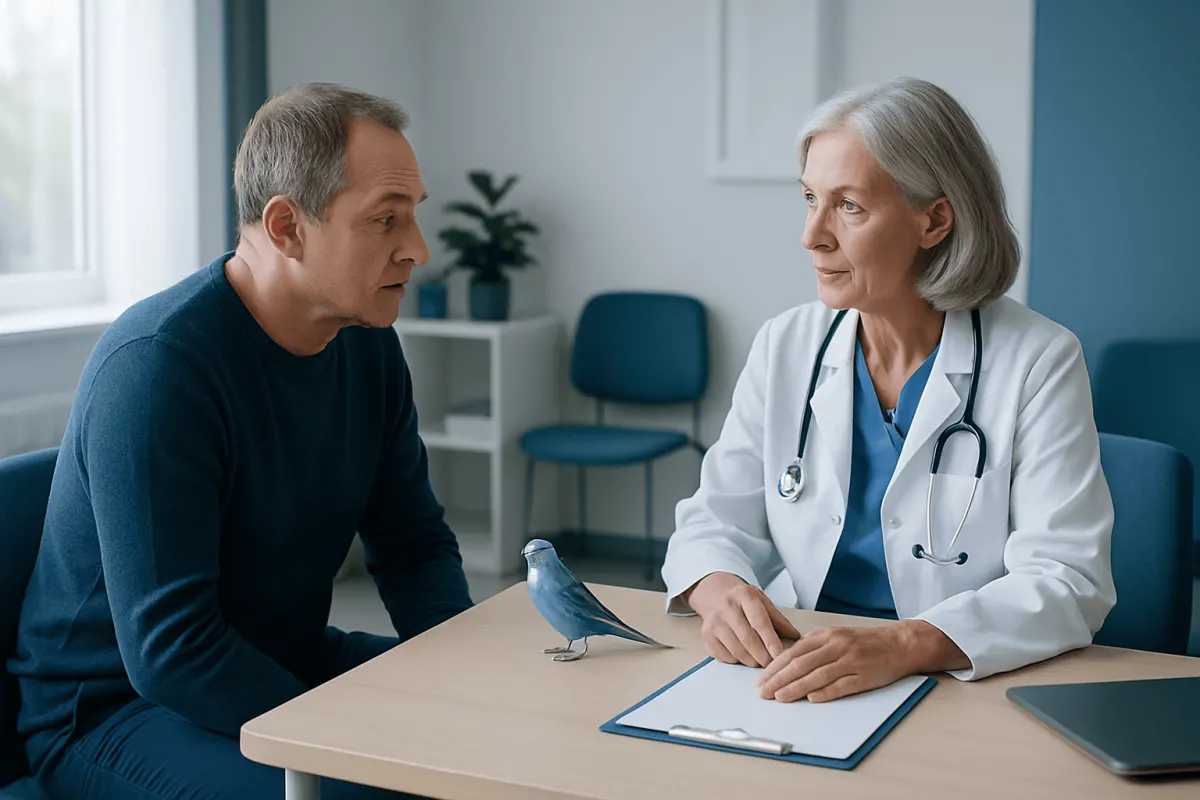
Several illnesses may be linked to bird exposure, although they are not all equally likely. Psittacosis, also called ornithosis, is a bacterial infection most often associated with parrots, parakeets, cockatiels, pigeons, and some poultry. It can cause fever, headache, muscle aches, fatigue, and a dry cough or pneumonia-like illness after exposure to infected birds or contaminated dust.
Salmonella infection can occur after handling poultry, chicks, ducklings, reptiles, or contaminated eggs and food. It commonly causes diarrhea, abdominal cramps, fever, nausea, or vomiting. Campylobacter is another bacterium that may be acquired from contaminated food, including undercooked poultry.
Bird droppings are sometimes linked with fungal infections, particularly when there is heavy environmental exposure. Histoplasmosis is associated with soil enriched by bird or bat droppings in certain geographic regions, rather than routine contact with a bird itself. Cryptococcosis is another uncommon fungal infection; people with significant immune suppression are at greater risk of severe disease. Respiratory symptoms should be evaluated in context, since many non-bird-related conditions can cause similar symptoms.
Avian influenza mainly affects birds, and human infection is rare. It is generally associated with close, unprotected contact with infected birds, their secretions, or heavily contaminated environments. Public health authorities provide specific guidance during outbreaks.
Symptoms and Red Flags After Bird Exposure
Symptoms depend on the germ and the route of exposure. Respiratory illness may cause fever, chills, headache, fatigue, muscle aches, cough, chest discomfort, or shortness of breath. Digestive illness may lead to diarrhea, stomach cramps, nausea, vomiting, or fever. Skin redness, warmth, swelling, drainage, or worsening pain after a bite or scratch can suggest a local infection.
Many mild symptoms improve with rest, fluids, and routine medical guidance. However, it is important not to self-diagnose an infection based on bird exposure alone. A cough or fever may have many causes, and the timing, type of contact, travel history, existing health conditions, and severity of symptoms all matter.
Urgent medical assessment is appropriate for trouble breathing, chest pain, confusion, fainting, blue lips, inability to keep fluids down, signs of dehydration, rapidly spreading redness around a wound, or severe or persistent illness. People who are immunocompromised, pregnant, very young, or older should contact a clinician early if they become unwell after a meaningful exposure.
How Doctors Evaluate Possible Bird-Related Illness
A doctor will begin by asking about symptoms and exposure. Helpful details include the type of bird involved, whether it was a pet, poultry, or wild bird, whether the bird appeared sick or died unexpectedly, whether droppings or dust were disturbed, and whether the exposure occurred indoors or outdoors. It is also useful to mention recent travel, work in animal care or farming, and any immune-system condition or medication.
The examination may focus on breathing, hydration, the abdomen, and any wound or skin change. Depending on the symptoms, clinicians may recommend blood tests, stool testing, cultures, chest imaging, or specialized tests for particular infections. Not everyone with a bird exposure needs testing; the decision is based on symptoms and clinical risk.
Treatment is tailored to the confirmed or suspected cause. Some illnesses need only supportive care, while bacterial infections may require prescription antibiotics. Fungal infections and serious respiratory illness need specialist-directed evaluation and treatment. Antibiotics should not be started without medical advice, because they do not treat viral or fungal illness and may not be appropriate for every bacterial infection.
Prevention and Safer Bird Care
Simple measures can greatly reduce the chance of infection. After handling birds, eggs, cages, feeders, or outdoor bird equipment, hands should be washed thoroughly with soap and water. Alcohol-based hand sanitizer can be useful when soap and water are not available, but handwashing is preferred when hands are visibly dirty.
When cleaning cages, coops, or areas with droppings, dampen the material first to reduce airborne dust and use appropriate protective equipment for the task. Avoid dry sweeping, using a leaf blower, or vacuuming large accumulations of droppings without suitable precautions. Ventilate enclosed spaces where possible, and wash work clothes after extensive cleaning.
Pet birds should receive appropriate veterinary care, especially if they are lethargic, have discharge from the eyes or nose, breathing changes, diarrhea, reduced appetite, or unexplained death in the household flock. Children should be supervised around chicks, ducklings, and pet birds, and birds should not be kissed or allowed near the mouth. Safe food handling, including thorough cooking of poultry and eggs and avoiding cross-contamination, is equally important.
People with weakened immunity may wish to avoid cleaning cages or droppings themselves and should discuss pet-related precautions with their healthcare team. This does not necessarily mean giving up a pet bird; it means using practical risk-reduction strategies suited to the individual.
When to Seek Medical Care
Medical advice is recommended when fever, cough, shortness of breath, flu-like symptoms, persistent diarrhea, or a worsening skin wound develops after close bird contact or cleaning a contaminated area. It is especially important to mention exposure to pet birds, poultry, pigeons, a bird coop, a loft, a wildlife setting, or visible accumulations of droppings.
Seek urgent care for severe breathing problems, chest pain, marked drowsiness or confusion, severe dehydration, or rapidly worsening symptoms. A person should also seek prompt advice after exposure to sick or dead birds if local public-health authorities have issued notices about avian influenza or another outbreak.
For international patients, Acıbadem Health Point’s multidisciplinary specialists and JCI-accredited hospitals can assess respiratory, digestive, and infectious symptoms and coordinate appropriate diagnostic care. Early evaluation is often reassuring, as it helps distinguish a bird-related infection from the many more common causes of fever, cough, or stomach symptoms.
Frequently asked questions
01Can people get sick from bird droppings?
People can occasionally become sick after significant exposure to bird droppings, particularly if dried material is disturbed and contaminated dust is inhaled. Brief contact with droppings outdoors is usually low risk, but hands should be washed and large accumulations should be cleaned carefully.
02Can pet birds pass infections to humans?
Pet birds can carry germs, including bacteria that may rarely cause illness in people. The risk can be reduced through regular veterinary care, cleaning cages safely, washing hands after handling the bird or its supplies, and avoiding kissing birds or letting them touch the face.
03What are symptoms of psittacosis in humans?
Psittacosis may cause fever, headache, tiredness, muscle aches, and a dry cough or pneumonia-like illness. Symptoms can overlap with other respiratory infections, so anyone who becomes unwell after close bird exposure should tell a clinician about that exposure.
04Is it safe to clean bird droppings?
It is generally safe when sensible precautions are used. Wet droppings before removal to limit dust, avoid dry sweeping, use task-appropriate protective equipment for heavier contamination, and wash hands and clothing afterward.
05Are pigeons dangerous to human health?
Pigeons are not inherently dangerous, and seeing them in public places does not usually cause illness. Risk is higher with repeated close exposure to droppings or dust, especially in enclosed areas or when cleaning large amounts of accumulated waste.
06Should someone see a doctor after touching a dead bird?
Touching a dead bird does not always require medical care, particularly if hands were washed promptly and no symptoms develop. A clinician should be contacted if fever, respiratory symptoms, stomach symptoms, or a wound develops, or if public-health officials have advised precautions during a local bird disease outbreak.
This article is for general information only and is not a substitute for professional medical advice. Please consult a qualified doctor about your individual situation.
Explore treatments in Turkey — costs, top hospitals & a free quote
JCI-accredited · board-certified surgeons · reply within 24h
Add us as a Preferred Source to see more of our trusted health content across Google Search, AI Overviews and Discover.