How Long After COVID Exposure Will You Test Positive?
How long after COVID exposure will you test positive? A COVID-19 test may become positive as early as 1 day after exposure, but many people test positive between days 3 and 5; a negative test soon after exposure does not reliably rule out infection. Testing at the right time, repeating an antigen test when appropriate, and monitoring for symptoms can help provide a clearer answer.
The short answer: when COVID tests usually turn positive
After exposure to SARS-CoV-2, the virus that causes COVID-19, a person may test positive within 1 to 5 days. In many cases, a test becomes positive around the time symptoms begin, which is commonly about 3 to 5 days after exposure. However, there is no single day that applies to everyone because the amount of virus in the body rises at different rates.
Testing on the same day as exposure is usually too early to provide reassurance. A negative result at that point means that the test did not detect enough virus in the sample; it does not necessarily mean infection will not develop. People who have had a close exposure should remain alert for symptoms and follow current advice from local public health authorities, workplaces, schools, or healthcare providers.
Most people who develop COVID-19 recover with rest, fluids, and symptom-focused care. Still, testing has value because it can guide practical decisions, including reducing close contact with people at higher risk of severe illness and seeking timely medical advice when needed.
Why the timing differs between people
A test can detect COVID-19 only after viral material has increased enough in the nose, throat, or other sampled area. The time between exposure and detectable infection is influenced by the amount of virus encountered, a person’s immune response, previous vaccination or infection, and the viral variant circulating at the time.
The incubation period is the time from exposure to the start of symptoms. For recent COVID-19 variants, symptoms often begin within several days, although they may appear sooner or later. Some people remain without symptoms but can still have a positive test and may transmit the virus.
It can also be difficult to identify the exact exposure date. COVID-19 may spread before a person realizes they are ill, and an individual may have more than one potential exposure over several days. For this reason, healthcare professionals interpret the test result alongside symptoms, contact history, and local circulation of respiratory viruses.
Rapid antigen versus PCR tests after exposure
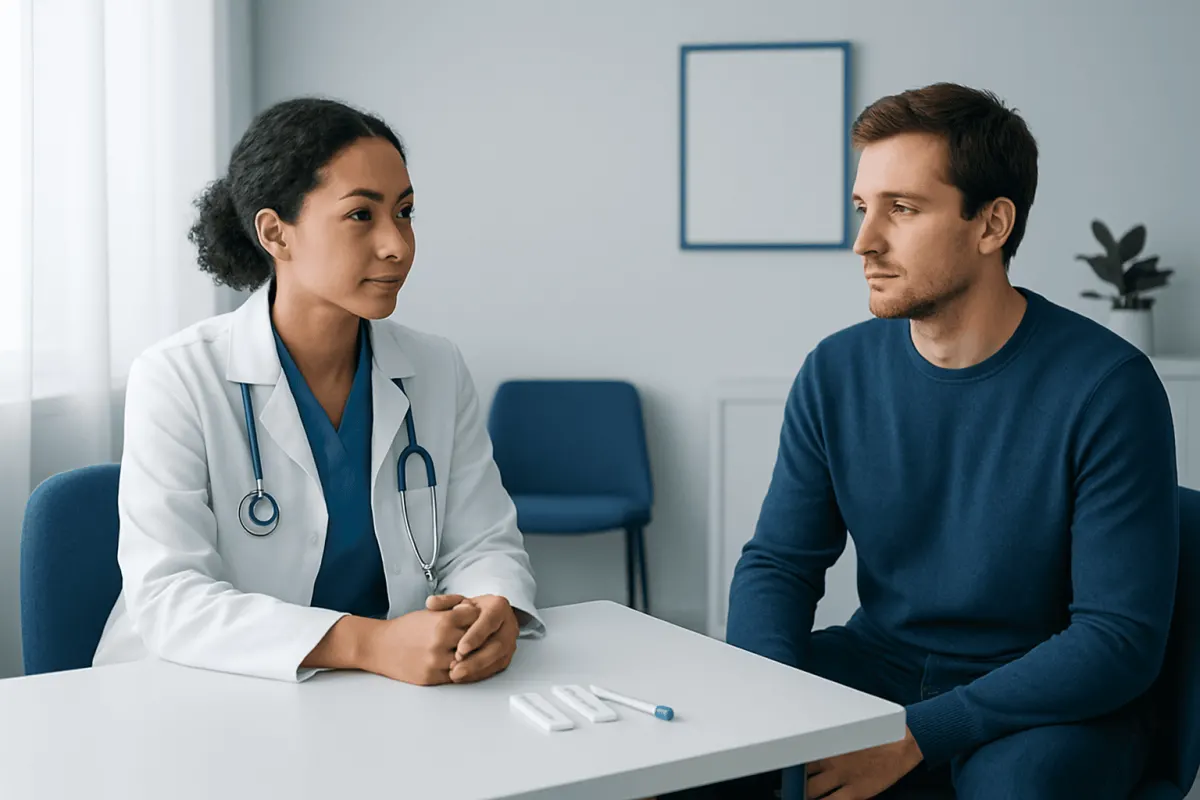
Rapid antigen tests look for proteins from the virus. They are convenient and provide results quickly, but they generally need a higher amount of virus in the sample to become positive. A rapid antigen test may therefore be negative early in infection, particularly before symptoms develop or during the first days after an exposure.
PCR and other molecular tests detect viral genetic material. They are usually more sensitive than antigen tests and may identify infection earlier. However, molecular tests can remain positive longer after the contagious phase has passed because they may detect small amounts of viral material that are no longer associated with active transmission.
If a person has symptoms consistent with COVID-19 but a rapid antigen test is negative, repeating the antigen test according to the manufacturer’s instructions or obtaining a molecular test can be helpful. Proper sample collection also matters: following the test instructions closely improves the reliability of home test results.
- Rapid antigen test: useful for quick, repeat testing and identifying many contagious infections.
- PCR or molecular test: more sensitive, especially when infection is suspected despite a negative antigen result.
- Positive result: usually indicates current or recent infection and should be interpreted with symptoms and clinical context.
A practical testing approach after a known exposure
Someone with a known close exposure may consider testing if symptoms occur, even if those symptoms are mild. COVID-19 can resemble a cold, influenza, allergies, or other respiratory infections. Common symptoms include sore throat, runny or blocked nose, cough, fever or chills, fatigue, headache, muscle aches, and changes in taste or smell.
For a person without symptoms, testing several days after exposure is often more informative than testing immediately. If an antigen test is negative but concern remains high, repeating it after a short interval can improve the chance of detection because the viral level may still be rising. The best schedule can differ depending on public health recommendations, the test used, and whether the person lives or works around people at increased risk.
Until infection is reasonably excluded, sensible precautions may include improving ventilation, avoiding close contact with vulnerable people, considering a well-fitting mask in shared indoor spaces, and monitoring for symptoms. These measures are especially important before visiting older adults, newborns, or people with weakened immune systems.
What a positive or negative result means
A positive COVID-19 test after an exposure generally means that infection has been detected. The person should follow applicable local guidance on staying home when unwell, reducing contact with others, and returning to usual activities. Extra care around people at higher risk of complications remains sensible while symptoms are present and during the early period after a positive result.
A negative result lowers the likelihood of infection but does not always rule it out. This is particularly true when the test was done very early, when symptoms have just started, or when a rapid antigen test was used. A repeat test or a molecular test may be appropriate if symptoms continue, worsen, or follow a high-risk exposure.
People should also remember that a negative COVID-19 result does not identify the cause of symptoms. Influenza, respiratory syncytial virus, and other infections may cause similar complaints. A clinician can help determine whether testing for other conditions or specific treatment is needed, especially for people with medical conditions that increase the risk of severe respiratory illness.
When to seek medical care
Most mild COVID-19 symptoms can be managed at home with rest, hydration, and monitoring. Medical review is appropriate for symptoms that are persistent, worsening, or difficult to manage, as well as for people who are pregnant, older, immunocompromised, or living with significant heart, lung, kidney, or metabolic conditions. Early assessment can be important because some treatments for people at higher risk work best when started soon after symptoms begin.
Urgent medical care is needed for trouble breathing, persistent chest pain or pressure, new confusion, inability to stay awake, bluish or gray lips or face, signs of severe dehydration, or any rapidly worsening condition. Children, older adults, and people with communication difficulties may show serious illness in less typical ways, such as unusual sleepiness, poor feeding, or marked weakness.
A doctor may ask about the date and nature of exposure, symptom onset, previous infections, vaccinations, home test results, and underlying conditions. Depending on the situation, assessment may include a molecular test, oxygen level measurement, chest examination, and testing for other respiratory infections. Acıbadem Health Point’s multidisciplinary specialists and JCI-accredited hospitals evaluate and treat COVID-19 and other respiratory illnesses for international patients.
Reducing the chance of spreading COVID-19
After an exposure or a positive result, practical steps can reduce the chance of passing infection to others. Staying home while feverish or feeling significantly unwell, limiting close contact, covering coughs and sneezes, washing hands, and improving airflow indoors are useful measures. A well-fitting mask can add protection in crowded indoor settings or when contact with vulnerable people cannot be avoided.
Vaccination remains an important way to reduce the risk of severe COVID-19, hospitalization, and death, particularly for older adults and people with health conditions. Recommendations can change by country and by season, so people should consult their clinician or local health authority about vaccines that are appropriate for them.
COVID-19 testing is best viewed as one part of a wider plan rather than a perfect yes-or-no answer at a single moment. Repeating a test when indicated, paying attention to symptoms, and seeking professional advice when risk is higher can support safer decisions for the individual and those around them.
Frequently asked questions
01Can I test positive for COVID-19 one day after exposure?
It is possible, but it is not the most common pattern after a new exposure. A positive result that soon may reflect an earlier exposure or infection that was already developing. A negative result one day after exposure is usually too early to rule out COVID-19.
02How soon after exposure should I take a rapid antigen test?
Testing immediately after exposure may not detect infection. Testing becomes more useful over the following several days, especially if symptoms develop. If the first antigen test is negative and concern remains, repeat testing as directed by the test instructions or consult a healthcare professional.
03Can I have COVID-19 if my antigen test is negative?
Yes. Antigen tests may be negative early in infection or when the amount of virus in the sample is low. If symptoms are present or exposure was close and recent, repeating the antigen test or having a molecular test may provide more clarity.
04Do PCR tests become positive earlier than rapid tests?
PCR and other molecular tests are generally more sensitive than rapid antigen tests and may detect infection earlier. They can also stay positive for longer after recovery. A clinician can help decide which test is most appropriate for a person’s circumstances.
05If I have no symptoms after exposure, can I still test positive?
Yes. Some people with COVID-19 have no noticeable symptoms but can still test positive. Testing at an appropriate interval after exposure and taking reasonable precautions around vulnerable people can help reduce transmission.
06What symptoms after COVID exposure should prompt urgent help?
Urgent assessment is needed for difficulty breathing, chest pain or pressure, confusion, inability to remain awake, bluish or gray lips or face, or rapid worsening. Anyone with serious symptoms should seek emergency medical care rather than relying only on home testing.
This article is for general information only and is not a substitute for professional medical advice. Please consult a qualified doctor about your individual situation.
Explore treatments in Turkey — costs, top hospitals & a free quote
JCI-accredited · board-certified surgeons · reply within 24h
Add us as a Preferred Source to see more of our trusted health content across Google Search, AI Overviews and Discover.