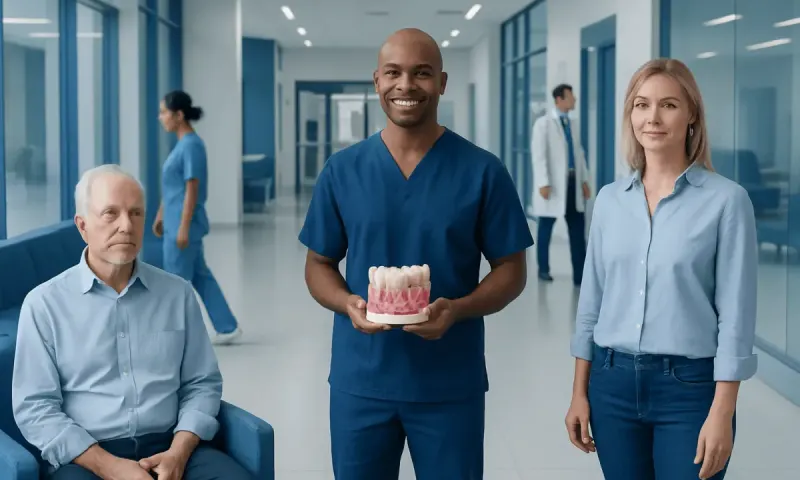
Dental Prophylaxis: Uses and Procedures

Key Takeaways
- Dental prophylaxis is a preventive cleaning, not a treatment for advanced dental disease.
- Removing plaque and tartar helps reduce the risk of cavities and gum inflammation.
- Most people benefit from regular prophylaxis visits based on their oral health needs.
- Good daily brushing, flossing, and follow-up care help maintain the results.
- People with sensitive gums, braces, implants, or chronic conditions may need tailored dental maintenance.
Dental prophylaxis is a preventive dental visit focused on removing plaque, tartar, and surface stains while checking for early signs of oral disease. It supports long-term oral health by making daily home care more effective and helping dentists spot problems before they become more complex.
Overview
Dental prophylaxis is the routine preventive cleaning many people know simply as a “dental cleaning.” In practice, it is more than polishing teeth: it is a carefully planned visit that removes plaque and hardened tartar, checks gum health, and helps keep small concerns from becoming larger ones.
For international patients, prophylaxis is often one of the easiest ways to stay on top of oral health while traveling or living abroad. A visit can be scheduled between work trips, before a longer journey, or alongside a broader dental plan, making it a practical part of ongoing care rather than a one-time event.
Although the procedure is usually straightforward, it is individualized. A dentist or dental hygienist may adjust the approach depending on whether a person has sensitive gums, braces, dental implants, a history of gum disease, or a medical condition that affects the mouth.
What Happens During Dental Prophylaxis
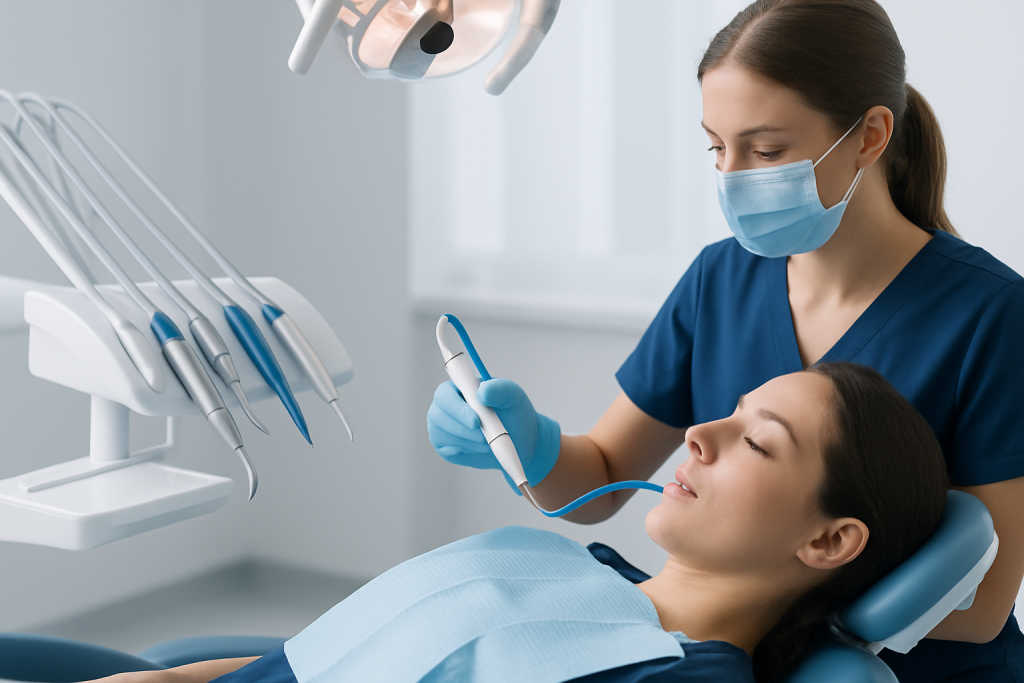
A prophylaxis appointment usually begins with an oral examination. The clinician looks for signs of gum inflammation, bleeding, plaque buildup, tooth wear, cavities, and areas that are difficult to clean at home. This first step helps determine whether the cleaning should remain routine or whether additional dental treatment is needed.
Next comes the cleaning itself. Plaque and tartar are removed from tooth surfaces, between the teeth, and along the gumline using professional instruments. Because tartar cannot be brushed away once it forms, professional removal is an important part of prevention.
In many clinics, the visit ends with polishing and a discussion about home care. Patients may receive guidance on brushing technique, flossing, interdental cleaning, and habits that influence oral health, such as smoking or frequent snacking.
Symptoms and Early Signs That Cleaning Is Needed
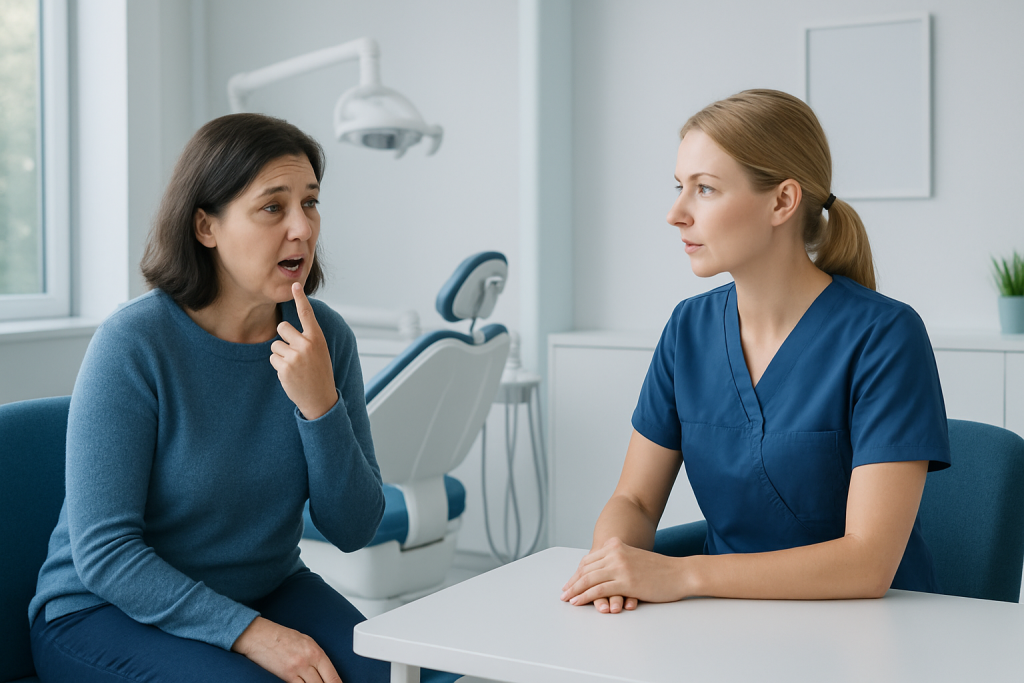
Dental prophylaxis is recommended before problems become painful. People often benefit from an appointment when they notice bleeding during brushing, persistent bad breath, or a feeling of roughness near the gumline. These signs can suggest that plaque has been accumulating for some time.
Other clues include swollen gums, tooth sensitivity, food trapping between teeth, or visible buildup near the back teeth. Some people do not notice clear symptoms at all, which is why preventive cleanings are useful even when the mouth seems comfortable.
- Bleeding gums when brushing or flossing
- Red, puffy, or tender gum tissue
- Bad breath that does not improve with home hygiene
- Visible tartar or staining near teeth and gums
- Discomfort around dental restorations, braces, or implants
Because oral disease can begin quietly, a professional assessment is often the most reliable way to know whether a routine cleaning is enough or whether deeper care is needed.
Causes & Risk Factors
Dental prophylaxis addresses the natural buildup that happens when bacteria, food particles, and saliva combine to form plaque. If plaque is not removed consistently, it can harden into tartar, which is more difficult to clear at home and can irritate the gums.
Some people develop buildup more quickly because of dry mouth, crowded teeth, orthodontic appliances, smoking, inconsistent brushing, or a diet high in frequent sugary snacks and drinks. Medical conditions such as diabetes, and certain medications that reduce saliva, can also increase the likelihood of gum problems.
Risk is not only about hygiene habits. It also depends on how the mouth is shaped, whether there are bridges or implants that trap debris, and whether a person has had gum disease before. For this reason, two people with the same cleaning routine may still need different maintenance schedules.
Diagnosis and Assessment
Dental prophylaxis is often paired with a brief oral health assessment. The clinician may measure gum pockets, evaluate bleeding, check the stability of teeth, and inspect existing fillings, crowns, implants, or orthodontic appliances. This review helps establish whether the mouth is stable or whether more active treatment is needed.
If there are signs of decay or gum disease, the dentist may recommend additional tests such as dental X-rays. Imaging can reveal issues between teeth, below restorations, or in the bone supporting the teeth—areas that are not visible during a routine cleaning.
For patients planning treatment while traveling, this step is especially useful. It helps create a clear picture of what can be safely completed during a short stay and what should be monitored after returning home.
Treatment Options
When people say “dental prophylaxis,” they are usually referring to a preventive cleaning rather than a cure for advanced disease. Still, the visit can be tailored in several ways depending on the condition of the teeth and gums.
Typical care may include scaling to remove tartar, polishing to smooth tooth surfaces, and targeted advice to improve brushing and interdental cleaning. If the gums are inflamed or pockets are deeper than expected, the dentist may suggest a different form of periodontal maintenance or a deeper cleaning plan.
In some cases, the broader treatment plan may also involve fluoride use, night guard assessment, bite evaluation, or follow-up visits to monitor healing. Patients with implants, braces, or bridges may need specific tools and techniques to keep those areas clean without causing irritation.
- Routine prophylaxis for healthy gums
- Periodontal maintenance for patients with a history of gum disease
- More detailed cleaning when plaque and tartar are extensive
- Supportive care around crowns, implants, and orthodontic appliances
The best option depends on the person’s oral findings, comfort level, and long-term preventive goals.
Prevention & Self-care
The value of dental prophylaxis is strongest when it is supported by consistent home care. Daily brushing with a soft-bristled brush, cleaning between teeth, and using any recommended products can slow the return of plaque and help gums stay calmer between visits.
Simple routines often make the biggest difference. Drinking water regularly, limiting frequent sugar exposure, and avoiding tobacco can support gum health. For people with dry mouth, a dentist may suggest strategies to keep the mouth moist and reduce irritation.
Travel can disrupt routines, so international patients are often encouraged to pack a toothbrush, floss or interdental brushes, and any prescribed oral care products. After treatment, it helps to follow the dentist’s instructions closely, especially if the gums feel temporarily sensitive.
Good maintenance is not about perfection. It is about a steady pattern of care that makes professional cleanings easier, more comfortable, and more effective over time.
When to See a Doctor
A routine prophylaxis visit is appropriate for people who want to prevent problems and maintain oral health. However, a dentist should be seen sooner if there is bleeding that keeps returning, swelling, pain, loosened teeth, or bad breath that does not improve with regular hygiene.
Urgent dental review is also sensible if there is facial swelling, fever, pus, or significant pain when chewing. These may indicate a condition that needs more than a standard cleaning.
Patients who are pregnant, have diabetes, take blood-thinning medication, have a weakened immune system, or are preparing for major travel should mention this when scheduling. A dentist can then plan care more safely and choose the right timing for follow-up.
Acibadem Health Point’s multidisciplinary specialists and JCI-accredited hospitals diagnose and treat dental conditions for international patients with coordinated care that supports both treatment and follow-up.
Why It Matters for Long-Term Oral Health
Dental prophylaxis is one of the simplest preventive steps in dentistry, yet its role is broad. By removing buildup and checking the mouth regularly, it helps protect teeth, gums, and dental work from problems that may otherwise develop gradually.
For many patients, the most useful result is not the cleaning itself but the early insight it provides. A small area of irritation, a hidden cavity, or a change around an implant can be noticed before it becomes difficult to manage. That makes prophylaxis a practical investment in stability, comfort, and confidence when speaking, eating, and traveling.
Whether the next appointment is at home or during a planned stay abroad, dental prophylaxis works best as part of a simple habit: regular professional review, steady home care, and prompt attention to changes in the mouth.
Frequently asked questions
01Is dental prophylaxis the same as a regular cleaning?
In everyday use, yes. Dental prophylaxis usually refers to a preventive professional cleaning that removes plaque and tartar and includes an oral checkup. The exact steps may vary depending on gum health and previous dental history.
02How often should someone have dental prophylaxis?
The timing depends on oral health, gum condition, and risk factors such as smoking or diabetes. Many people are advised to have regular visits, but the dentist should set the schedule based on individual needs.
03Does dental prophylaxis whiten teeth?
It can remove some surface stains, so teeth may look cleaner and brighter afterward. However, it is not the same as cosmetic whitening treatment.
04Can dental prophylaxis prevent gum disease?
It can help lower the risk by removing plaque and tartar that irritate the gums. Good home care and regular follow-up visits are still important, especially for people who have had gum problems before.
05Is the procedure uncomfortable?
Most people tolerate prophylaxis well, though those with sensitive gums may feel some discomfort during tartar removal. The dentist or hygienist can adjust the approach and suggest ways to reduce sensitivity.
06What should a patient do after a prophylaxis appointment?
It is helpful to return to normal brushing and flossing right away unless the dentist gives different instructions. If the gums feel sore for a short time, gentle care and avoiding very hard or spicy foods for a day can help.
This article is for general information only and is not a substitute for professional medical advice. Please consult a qualified doctor about your individual situation.
Explore treatments in Turkey — costs, top hospitals & a free quote
JCI-accredited · board-certified surgeons · reply within 24h
Add us as a Preferred Source to see more of our trusted health content across Google Search, AI Overviews and Discover.