Dental Implant Success Rates: What Results Are Realistic?

Dental implant success rates are typically high when treatment is carefully planned and patients maintain good oral health. Realistic results depend on factors such as bone quality, gum condition, smoking status, overall health, and long-term aftercare.
Overview: What Dental Implant Success Rates Really Mean
Dental implants are artificial tooth roots, usually made of titanium or other biocompatible materials, placed into the jawbone to support a crown, bridge, or full-arch restoration. When people ask about dental implant success rates, they often want to know one simple number. In reality, success is measured in several ways: whether the implant bonds well with bone, whether it stays stable over time, whether the gums remain healthy, and whether the final tooth feels comfortable and looks natural.
In general, dental implants are considered a predictable and effective treatment for replacing missing teeth. Many implants remain functional for years when treatment is well planned and the patient follows aftercare advice. However, no procedure can promise the same result for every person. Success depends on the quality of the bone, the health of the gums, the position of the implant, bite forces, oral hygiene, and certain medical or lifestyle factors.
It is also important to separate short-term success from long-term success. An implant may be placed successfully and heal well in the first few months, but it still needs ongoing care to remain healthy. A realistic expectation is that implants can provide strong, natural-feeling tooth replacement, but they need monitoring, professional maintenance, and daily home care just like natural teeth.
What Results Are Realistic After Dental Implants?

For most suitable candidates, a realistic result is a replacement tooth that feels stable, allows comfortable chewing, supports speech, and blends well with the smile. Many patients also expect the implant to restore confidence after losing a tooth. These are reasonable goals, but the final outcome may not feel exactly the same as a natural tooth because an implant does not have the same ligament support as a real tooth root.
The treatment process can also take time. Some patients are able to receive an implant and a temporary restoration quickly, while others need staged treatment with healing periods between procedures. If there is not enough bone or if gum disease is present, extra steps may be needed before implant placement. In these situations, realistic expectations include a longer timeline and more follow-up visits.
Appearance is another area where expectations should stay balanced. Modern dental implants can look highly natural, especially when the crown is carefully designed and the surrounding gums are healthy. Still, the exact cosmetic result depends on the location of the missing tooth, the thickness of the gum tissue, the shape of nearby teeth, and whether bone loss has occurred. Patients considering visible front-tooth replacement may benefit from discussion of both function and smile design, sometimes alongside cosmetic dentistry planning.
Factors That Affect Implant Success
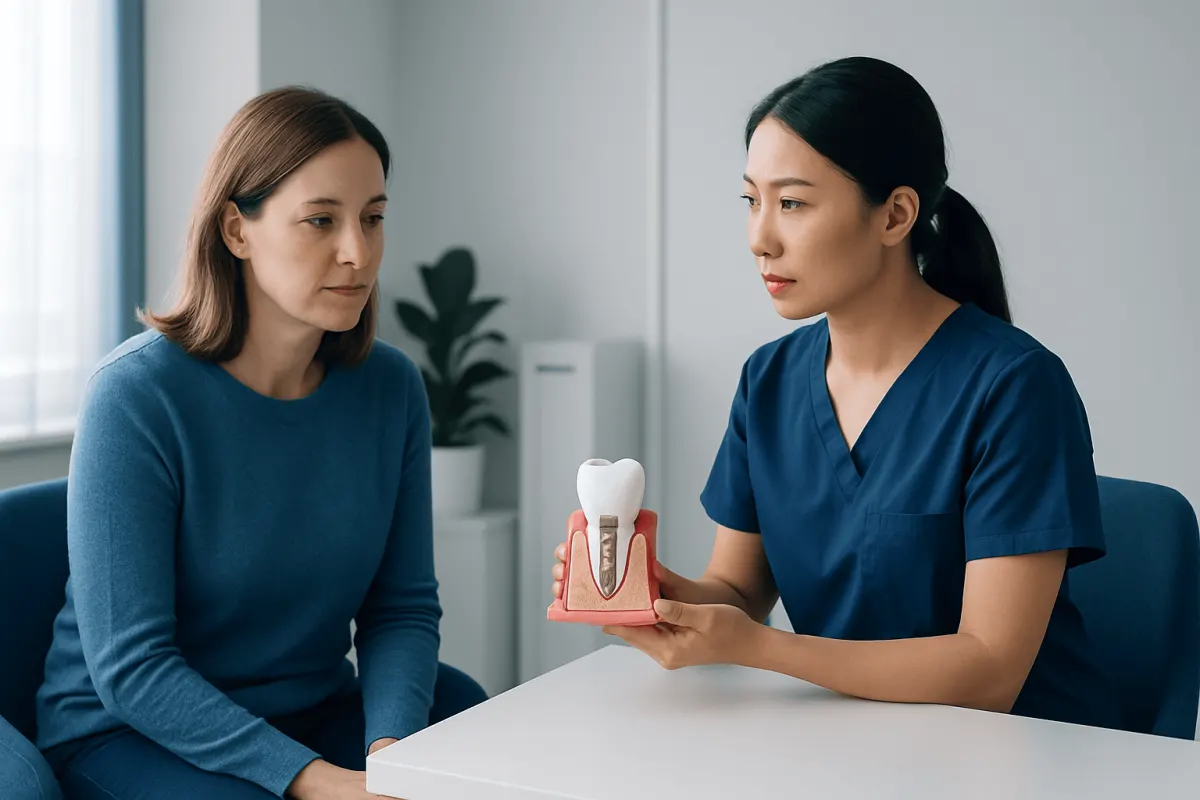
Several factors influence whether an implant heals well and remains stable. Good candidates typically have healthy gums, enough jawbone to support the implant, and no uncontrolled medical condition that would interfere with healing. The dental team also considers bite alignment, tooth grinding, oral hygiene habits, and whether infection is present. Careful planning reduces the risk of problems during placement and recovery.
Smoking is one of the best-known risks for implant complications. It can reduce blood flow, slow healing, and increase the chance of gum inflammation and implant failure. Uncontrolled diabetes may also raise the risk of infection or delayed healing. Other possible concerns include previous radiation to the jaw, certain medications that affect bone, severe untreated periodontal disease, and heavy clenching or grinding, sometimes related to bruxism.
Bone quantity and quality matter as well. If the jawbone is too thin or has shrunk after tooth loss, the implant may not have enough support at first. In these cases, a dentist may recommend bone grafting for dental implants before or during treatment. Bone grafting can improve support for the implant, but it usually adds healing time and may slightly change the overall treatment plan.
- Healthy gums and low plaque levels support better outcomes.
- Enough bone volume helps achieve good implant stability.
- Smoking cessation improves healing potential.
- Control of medical conditions such as diabetes is important.
- Night guards may help protect implants in people who grind their teeth.
How Dentists Evaluate Candidacy and Predict Outcomes
Before treatment, the dentist performs a full assessment to understand whether implants are likely to succeed and what approach is safest. This usually includes an oral examination, dental history, review of medical conditions and medications, and imaging to study the jawbone and nearby structures. The position of nerves, sinuses, and adjacent teeth must be evaluated carefully, especially if the implant will be placed in a complex area.
Modern planning often uses digital scans and three-dimensional imaging to improve precision. These tools can help the dentist assess bone shape, choose the correct implant size, and plan the angle of placement. In some cases, guided surgery may be used to place the implant more accurately. Patients exploring options may hear this discussed as part of digital dentistry, which can support safer and more predictable planning.
A thorough assessment also helps identify when another treatment may be more suitable. For example, a patient with active gum disease may need periodontal treatment first, and someone missing multiple teeth may discuss options such as bridges, removable dentures, or full-arch systems like All-on-4 treatment. Good candidacy evaluation is not about excluding patients; it is about choosing the approach with the best chance of a stable, long-lasting result.
Why Implants Fail or Develop Complications
Implant problems can happen early or later on. Early failure usually relates to poor healing or a lack of osseointegration, the process where the implant bonds with the surrounding bone. Infection, excessive movement during healing, poor bone quality, or uncontrolled health factors may contribute. Sometimes the implant simply does not integrate as expected, even when treatment is carried out correctly.
Late complications often involve the surrounding tissues. One common concern is inflammation around the implant, known as peri-implant mucositis, which can progress to peri-implantitis if bone loss develops. This may be linked to poor oral hygiene, smoking, previous gum disease, poorly fitting restorations, or difficulty cleaning around the implant. Bite overload and chronic grinding can also place too much force on the implant or crown over time.
Warning signs that deserve prompt dental review include persistent pain, swelling, bleeding around the implant, a bad taste, gum recession, or any feeling that the implant or crown is loose. A loose crown may not always mean the implant itself has failed, but it still needs assessment. Early treatment of complications can often protect the implant and surrounding tissues before more serious damage develops.
Recovery, Aftercare, and Long-Term Maintenance
Recovery varies depending on how many implants are placed, whether bone grafting is needed, and whether extractions are performed at the same time. Mild swelling, tenderness, or bruising can be normal for a short period after surgery. Most patients are advised to follow a soft-food plan for a time, keep the area clean as instructed, and avoid activities that could disturb healing. The dentist may also recommend temporary changes in brushing or rinsing during the first stage of recovery.
Long-term maintenance is one of the strongest predictors of implant survival. Implants cannot get cavities, but the gums and bone around them can still become inflamed. Daily brushing, cleaning between teeth and implants, and regular professional checkups are essential. Patients who have a history of gum disease may need closer follow-up because they can be at higher risk of inflammatory complications around implants.
Routine care may include periodic professional cleaning and assessment of the implant, crown, bite, and surrounding soft tissues. Supportive care is especially important if a patient has previous gum bleeding, plaque buildup, or hard-to-clean areas. In many cases, regular preventive visits and guidance on dental hygiene help preserve both the implant and nearby natural teeth for the long term.
When to See a Dentist and Questions to Ask Before Treatment
A patient should see a dentist if a tooth is missing, broken beyond repair, or causing difficulty with chewing or appearance. Early assessment is useful because bone can shrink over time after tooth loss, which may affect future implant options. A prompt review is also important if there is existing gum disease, repeated infection, or a failing tooth that may need extraction and replacement.
Before choosing implants, patients may want to ask practical questions about candidacy, timing, alternatives, and maintenance. Helpful topics include whether bone grafting is needed, how long healing may take, what type of restoration will be used, and how oral habits such as smoking or grinding could affect the result. It is also reasonable to ask how success will be monitored over time and what signs of complication should lead to follow-up.
If an implant has already been placed, new pain, swelling, pus, bleeding, looseness, or a change in bite should be checked without delay. For international patients seeking evaluation or treatment, Acıbadem Health Point’s multidisciplinary specialists and JCI-accredited hospitals diagnose and treat dental conditions with individualized planning and follow-up. Care should always be guided by a qualified dental professional who can assess the person’s overall oral and medical health.
Frequently asked questions
01How successful are dental implants overall?
Dental implants are generally regarded as a highly successful treatment for replacing missing teeth in appropriately selected patients. Success is highest when the gums are healthy, bone support is adequate, treatment is carefully planned, and long-term oral hygiene is maintained.
02How long do dental implants usually last?
Many dental implants can last for many years, and some remain functional for decades. Their lifespan depends on daily cleaning, regular dental checkups, smoking status, bite forces, gum health, and general medical factors.
03Can a failed dental implant be replaced?
In many cases, yes. If an implant fails, the dentist first looks at why it happened, such as infection, lack of bone support, or excessive bite pressure, and then decides whether the area can heal and be treated again.
04Does smoking affect dental implant success rates?
Yes, smoking can lower dental implant success rates. It reduces blood flow, interferes with healing, and increases the risk of gum inflammation and bone loss around the implant.
05Do dental implants need special cleaning?
They need careful daily cleaning, but not necessarily complicated cleaning. Brushing, cleaning between teeth and implants, and attending regular professional maintenance visits help protect the surrounding gums and bone.
06Are dental implants better than bridges or dentures?
That depends on the patient’s oral health, bone support, budget, number of missing teeth, and treatment goals. Implants can offer strong support and help preserve bone, but bridges or dentures may be more appropriate in some situations.
This article is for general information only and is not a substitute for professional medical advice. Please consult a qualified doctor about your individual situation.
Explore treatments in Turkey — costs, top hospitals & a free quote
JCI-accredited · board-certified surgeons · reply within 24h
Add us as a Preferred Source to see more of our trusted health content across Google Search, AI Overviews and Discover.