Dandruff Fungus, Scalp Yeast, and Flake Control
Dandruff fungus commonly refers to Malassezia, a naturally occurring yeast that can contribute to scalp flaking, itching and irritation in susceptible people. It is not usually a sign of poor hygiene or a dangerous infection, and symptoms often improve with consistent use of appropriate anti-dandruff products.
What Is Dandruff Fungus?
The term dandruff fungus usually describes the role of Malassezia, a group of yeasts that normally live on human skin. These yeasts are part of the usual scalp microbiome and are present in many people without causing any symptoms. In some individuals, however, the scalp reacts to substances produced when the yeast breaks down natural skin oils. This can speed up skin-cell turnover and lead to visible flakes.
Dandruff often appears as white or yellowish flakes on the scalp, hair and clothing. Some people also notice mild itching, tightness or redness. It is a common long-term scalp concern and is closely related to mild seborrheic dermatitis, a condition that can also affect oily areas of the face, ears and upper chest.
Although yeast can contribute to dandruff, the condition is not usually considered a contagious fungal infection. It does not mean that a person has poor hygiene. The most useful approach is to reduce yeast activity, manage excess oil and scale, and protect the scalp from irritation.
Why Malassezia Can Trigger Scalp Flaking
Malassezia prefers areas of skin with more oil-producing sebaceous glands, making the scalp a favorable environment. The yeast uses components of sebum, or natural skin oil, and may produce fatty acids that irritate the scalp in susceptible people. The immune and skin-barrier response differs from one person to another, which helps explain why not everyone with Malassezia develops dandruff.
When the scalp becomes irritated, skin cells may shed more quickly than usual. Instead of being shed invisibly one cell at a time, they can clump together with oil and form noticeable flakes. This process can continue even with frequent hair washing, especially if the shampoo does not address yeast, oil or scale.
Dandruff may fluctuate over time. Cold or dry weather, stress, hormonal changes, fatigue, use of irritating hair products, and infrequent shampooing can make symptoms more noticeable for some people. These factors do not necessarily cause dandruff by themselves, but they may worsen an underlying tendency.
Symptoms and Conditions That Can Look Similar

Typical dandruff causes loose scalp flakes with mild itch or irritation. The scalp may look slightly pink, and flakes can range from dry and white to greasy and yellow. Symptoms commonly come and go, and they may be more obvious around the hairline, behind the ears or at the crown of the scalp.
Seborrheic dermatitis is a more inflamed form of the same general process. It can cause more persistent redness and greasy scale, sometimes extending to the eyebrows, sides of the nose, beard area, ears or chest. People with this pattern may benefit from a clinician’s advice, particularly if over-the-counter care has not been sufficient.
Not all scalp scale is dandruff. Psoriasis can cause sharply defined, thicker silvery plaques; eczema may lead to marked dryness and sensitivity; and allergic contact dermatitis can develop after hair dye, fragrance or styling products. A true scalp fungal infection, such as tinea capitis, is less common in adults and may cause patchy hair loss, broken hairs, swelling or tender areas. Psoriasis is one example of a condition that can be mistaken for ordinary dandruff.
How Dandruff Is Diagnosed
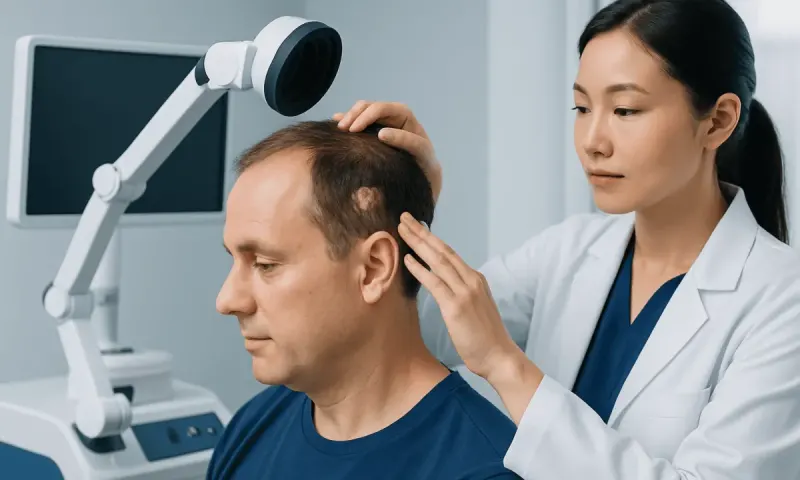
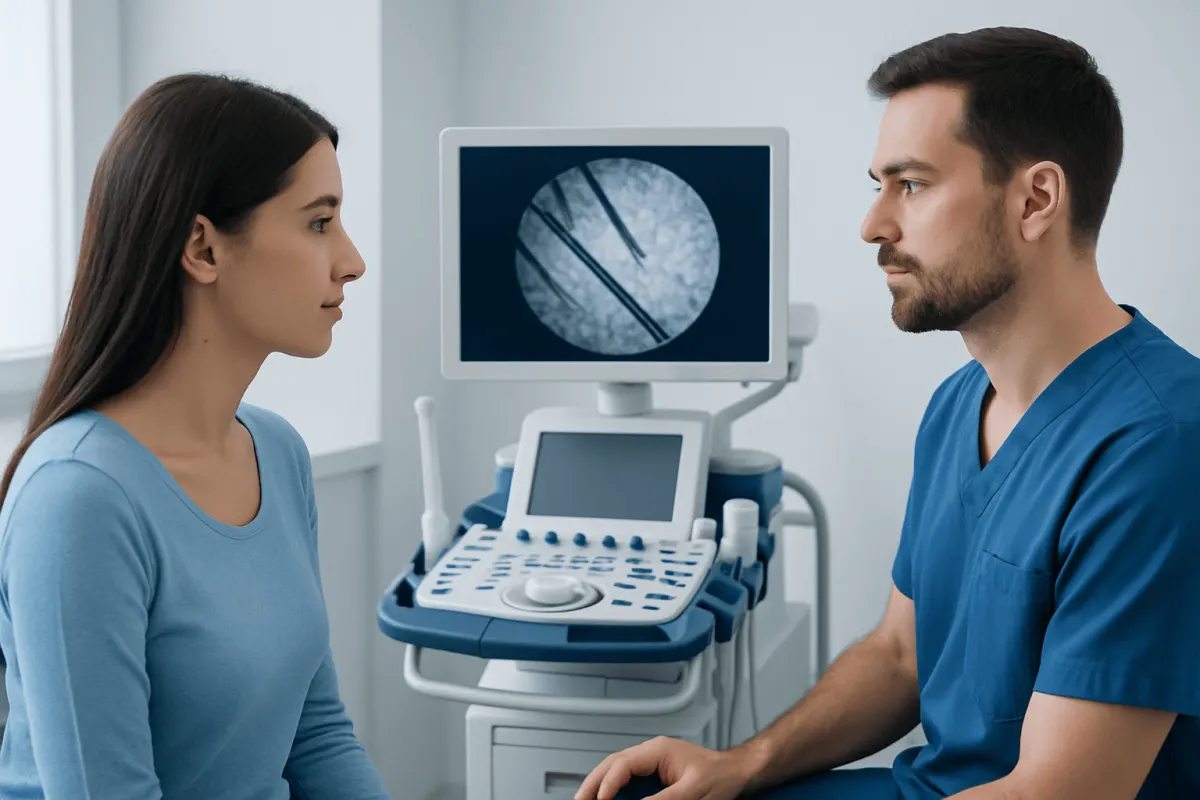
In many cases, a healthcare professional can diagnose dandruff based on the appearance of the scalp and a discussion of symptoms, hair-care habits and products used. There is usually no need for blood tests or imaging. The clinician may examine other oily areas of the skin, such as the face and ears, for signs of seborrheic dermatitis.
If symptoms are severe, unusual or not responding to treatment, a dermatologist may look more closely for psoriasis, eczema, contact allergy or a scalp infection. In selected cases, a sample of scale or hair may be examined to check for dermatophyte fungi, which are different from the Malassezia yeasts associated with dandruff.
Accurate diagnosis matters because treatments differ. For example, an antifungal shampoo may help yeast-related dandruff, while suspected contact dermatitis requires identifying and avoiding the triggering product. A clinician can also assess whether inflammation is contributing to the problem.
Treatment Options for Dandruff Fungus
Anti-dandruff shampoos are usually the first step. Depending on the product, active ingredients may reduce Malassezia, loosen scale, slow skin-cell buildup or help remove excess oil. Common options include ketoconazole, selenium sulfide, zinc pyrithione, ciclopirox, salicylic acid, coal tar and sulfur-based ingredients. Availability and labeling can vary by country.
For best results, the shampoo should be applied directly to the scalp rather than only to the hair. It is often left in place for the time stated on the product label before rinsing. Regular use is important during an active flare, and a clinician or pharmacist can help a person choose a suitable product based on scalp sensitivity, hair type and symptoms.
If one shampoo is not effective, alternating products with different active ingredients may be useful. When inflammation is prominent, a doctor may recommend a short course of a prescription anti-inflammatory scalp treatment alongside antifungal care. Stronger treatments should be used only as directed, especially near the face or on sensitive skin.
People whose symptoms remain troublesome despite non-prescription products should seek dermatology advice. Treatment can then be tailored to the diagnosis and the severity of the scalp inflammation.
Everyday Scalp Care and Prevention
Dandruff can be controlled, but it may return because Malassezia is a normal part of the skin environment. Once symptoms improve, many people benefit from using an effective anti-dandruff shampoo periodically for maintenance. The ideal schedule differs between individuals and should be adjusted according to symptoms and product instructions.
Gentle regular shampooing can help remove oil and accumulated scale. People with an oily scalp may need to wash more often, while those with curly, coily, dry or treated hair may need a plan that balances scalp treatment with hair moisture needs. Applying conditioner mainly to hair lengths rather than the scalp may reduce residue for some people.
It may also help to avoid scratching, picking flakes or using very hot water, which can increase irritation. Hair sprays, oils, pomades and fragranced styling products can occasionally aggravate symptoms or cause product buildup. If a new product causes burning, rash or increased itching, it should be stopped and medical advice sought if symptoms do not settle.
- Follow the contact-time instructions for medicated shampoos.
- Rinse the scalp thoroughly after shampooing.
- Clean combs, brushes and hair accessories regularly.
- Choose gentle, fragrance-free products if the scalp is sensitive.
When to Seek Medical Care
Medical care is advisable when flakes and itching do not improve after several weeks of consistent use of an appropriate anti-dandruff shampoo. A doctor can confirm whether dandruff or seborrheic dermatitis is the cause and rule out other conditions that need a different treatment approach.
A person should arrange prompt assessment if there is painful swelling, pus, crusting, bleeding, fever, rapidly spreading rash, patchy hair loss, broken hairs or swollen lymph nodes. These features are not typical of uncomplicated dandruff and may suggest infection or another inflammatory scalp disorder.
People with weakened immune systems, infants with extensive scalp rash, and those with severe skin symptoms should also seek professional guidance. Acıbadem Health Point’s multidisciplinary specialists and JCI-accredited hospitals can assess scalp and skin concerns for international patients when specialist evaluation is needed.
Living With a Recurring Scalp Condition
Dandruff often follows a relapsing pattern, with periods of improvement and flare-ups. This does not mean treatment has failed. It usually means that ongoing maintenance is needed to keep yeast activity, oil and scale under control.
Keeping a simple record of which shampoos help, how frequently they are used and which factors seem to worsen symptoms can make long-term management easier. Changes in season, stress level, hair products and washing routine may all be relevant. A dermatologist can help create a practical care plan if symptoms continue to interfere with comfort or confidence.
With accurate diagnosis and consistent scalp care, most people can reduce visible flakes and itching substantially. The aim is comfortable, healthy scalp skin rather than trying to eliminate normal skin yeast completely.
Frequently asked questions
01Is dandruff fungus contagious?
No. Dandruff related to Malassezia yeast is not generally contagious because Malassezia normally lives on many people’s skin. Sharing brushes or hats is not considered a typical way to spread ordinary dandruff, although personal hair items are best not shared when someone has an undiagnosed scalp infection.
02Can dandruff fungus cause hair loss?
Ordinary dandruff does not usually cause permanent hair loss. Persistent scratching and scalp inflammation may lead to temporary shedding or breakage in some people. Patchy hair loss, broken hairs or painful scalp areas should be assessed by a doctor because these can indicate another condition.
03How long does it take for anti-dandruff shampoo to work?
Many people notice some improvement after a few uses, but clearer results may take several weeks of regular use. The shampoo should be used according to its instructions, including the recommended time left on the scalp. If there is no improvement after several weeks, medical advice is appropriate.
04Should hair be washed every day with dandruff?
The best washing frequency depends on scalp oiliness, hair type and the medicated shampoo being used. Some people benefit from more frequent washing during a flare, while others need less frequent treatment to avoid dryness or irritation. A pharmacist or clinician can advise on a routine that fits individual needs.
05Can dandruff be cured permanently?
Dandruff can often be controlled very effectively, but it may recur because the scalp naturally contains oil and Malassezia yeast. Maintenance use of a suitable shampoo can help prevent or reduce future flare-ups. Symptoms that repeatedly return despite care may need a medical review.
06What is the difference between dandruff and seborrheic dermatitis?
Dandruff is usually limited to scalp flaking with little inflammation. Seborrheic dermatitis is often more inflamed, with redness, greasy scale and possible involvement of the face, ears or chest. Both may involve Malassezia yeast, but seborrheic dermatitis can require more individualized treatment.
This article is for general information only and is not a substitute for professional medical advice. Please consult a qualified doctor about your individual situation.
Hair transplant in Turkey — costs, graft counts & a free assessment
JCI-accredited · board-certified surgeons · reply within 24h
Add us as a Preferred Source to see more of our trusted health content across Google Search, AI Overviews and Discover.