

CT Scan With Contrast: Purpose, Procedure and Risks
- Published November 29, 2026
Key Takeaways
- Contrast helps highlight structures that may be difficult to assess on a standard CT scan.
- Preparation may include fasting, a kidney function check, and sharing allergy or medication history.
- Most people tolerate contrast well, though mild temporary reactions can occur.
- The test is generally quick, but the overall visit may take longer because of preparation and monitoring.
- People should tell their doctor if they are pregnant, have kidney disease, or have had a prior contrast reaction.
A CT scan with contrast is an imaging test that uses a contrast material to make certain organs, blood vessels, and tissues easier to see. It is commonly used to help doctors answer specific diagnostic questions more clearly and efficiently.
Overview
A CT scan with contrast is a type of computed tomography that uses a contrast material to make certain parts of the body stand out more clearly. The contrast is usually given by mouth, by injection into a vein, or, in some cases, by both methods, depending on which area is being studied.
Doctors request this test when they need a clearer look at structures such as blood vessels, organs, inflammation, tumors, or areas of possible infection. For many patients, the test is one step in answering a specific question after symptoms, an exam, or another imaging study suggests that more detail is needed.
For international patients, planning can matter as much as the scan itself. Travel schedules, medication lists, previous imaging, and test results from home can all help the imaging team choose the safest and most useful approach before the appointment begins.
Symptoms and Common Reasons the Test Is Ordered
A CT scan with contrast is not usually ordered for a symptom by itself; rather, it is chosen to investigate what may be causing a symptom or to clarify an abnormal finding. Common reasons include ongoing abdominal pain, unexplained weight loss, blood in the urine, chest symptoms, suspected blood vessel problems, or concern about a mass or infection.
In emergency settings, contrast-enhanced CT can help quickly assess injuries, bleeding, blocked blood vessels, or organ complications. In planned care, it may be used to stage cancer, evaluate treatment response, or guide procedures such as biopsies or drainage.
Because the test is tailored to a clinical question, two people may have very different CT protocols even when they describe similar symptoms. The referring doctor and radiology team use the history to decide whether contrast is needed and which type of contrast will provide the best information.
Causes & Risk Factors
The “cause” of needing a contrast CT depends on the medical question being investigated. The test is often recommended when doctors need better visualization of blood flow, tissue boundaries, organ structure, or areas where disease may be hidden on a non-contrast scan.
Certain factors can increase the likelihood that contrast will be helpful, including suspected vascular disease, cancer evaluation, inflammatory conditions, internal injury, or complex abdominal and pelvic complaints. However, contrast is not appropriate for every patient or every problem, and sometimes a different imaging study is a better fit.
Some factors also affect safety planning. These include reduced kidney function, a history of severe allergy-like reaction to contrast, asthma or multiple allergies in some cases, dehydration, and pregnancy. The radiology team reviews these issues in advance so the examination can be adapted when needed.
Diagnosis
The scan itself is a diagnostic test rather than a diagnosis. It is one tool used by the medical team to confirm, narrow down, or rule out possible explanations for symptoms or abnormal laboratory findings.
Before the scan, the team usually reviews the patient’s medical history, kidney function results when relevant, allergies, current medications, and any prior reactions to contrast. Some patients may need blood tests beforehand, especially if they have kidney disease, diabetes, are older, or have other conditions that can affect how the body handles contrast material.
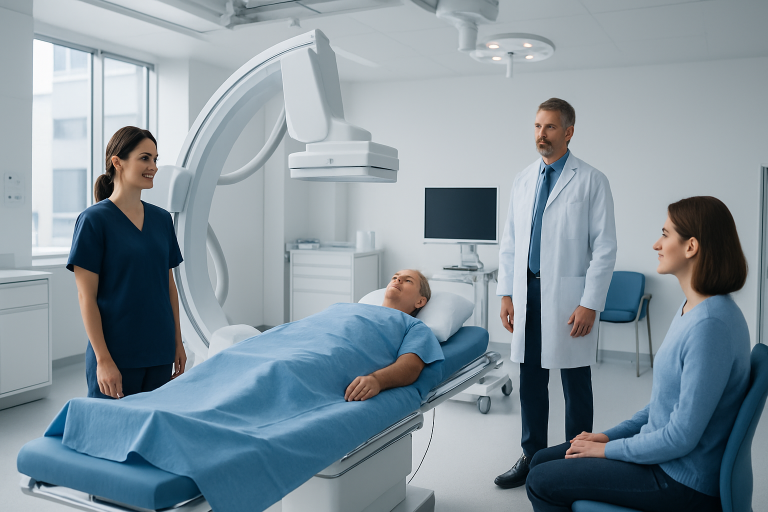
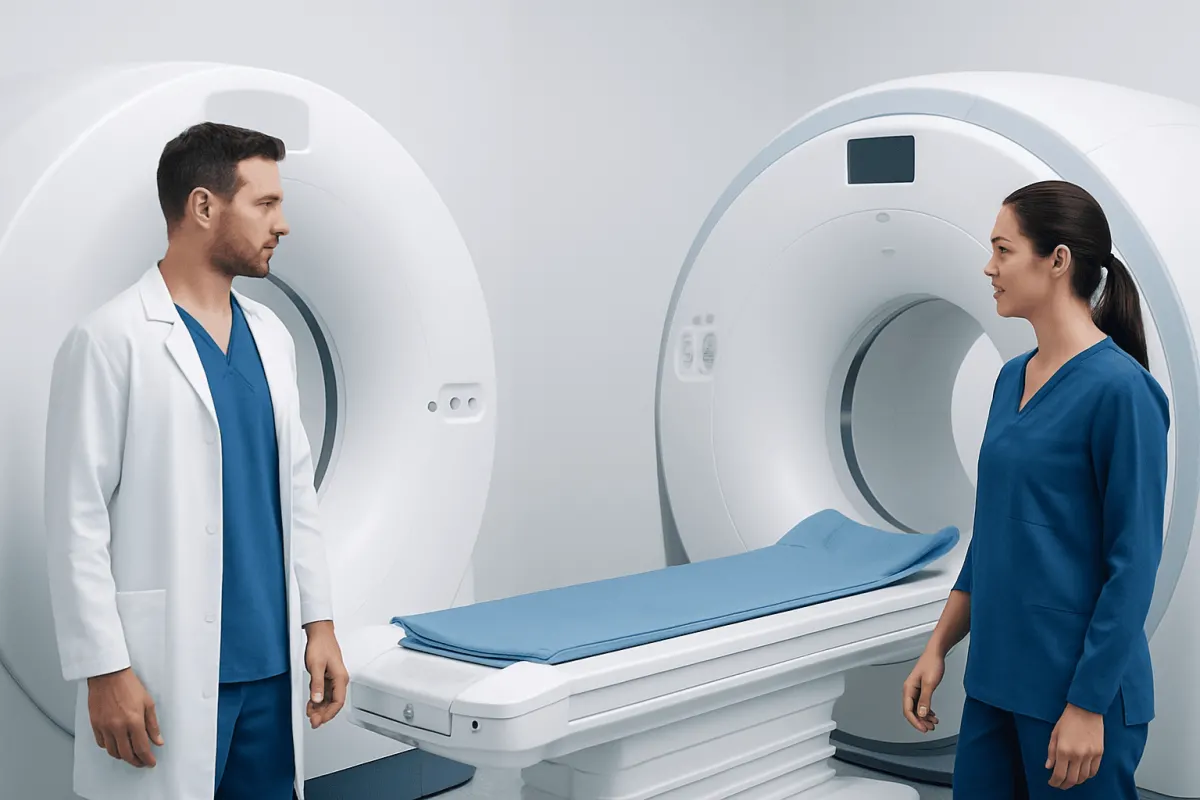
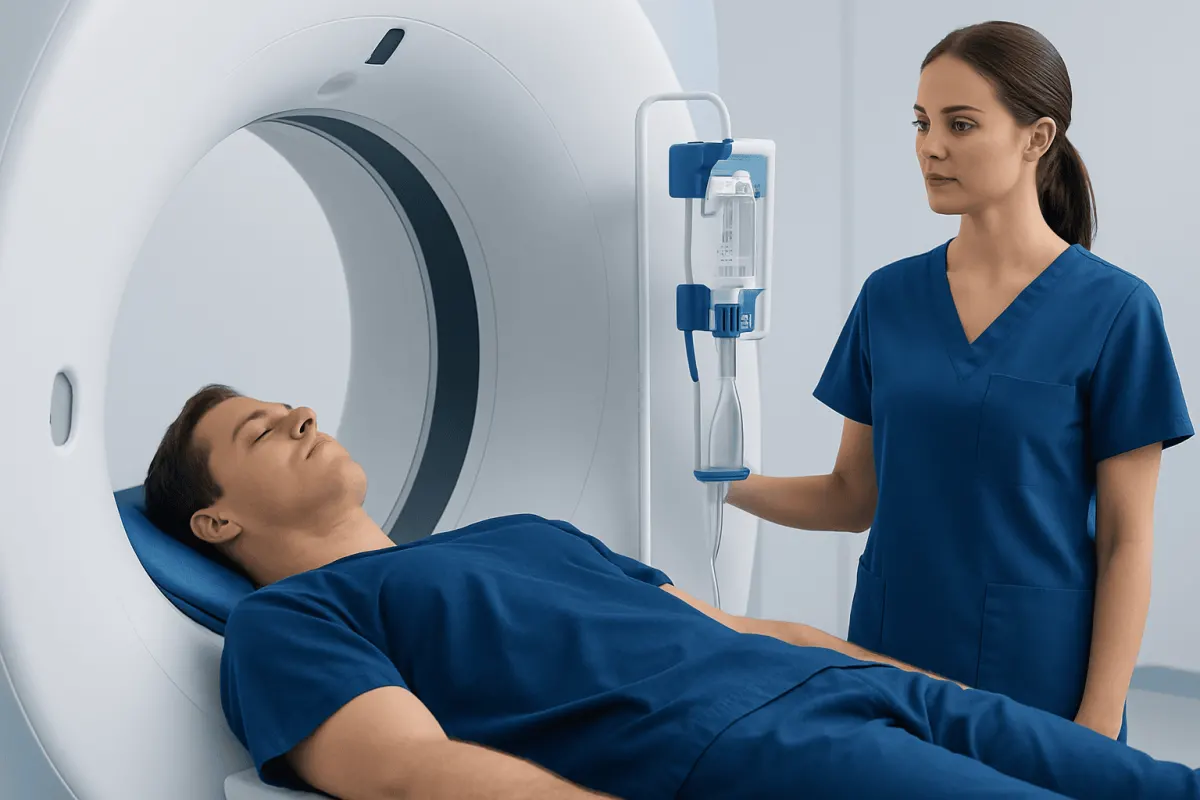
During the appointment, the patient is positioned on the CT table and asked to lie still while images are taken. If contrast is injected, a warm sensation or metallic taste may be felt briefly. The radiology team watches the scan in real time and may give specific breathing instructions to improve image quality.
Treatment Options
A CT scan with contrast is not a treatment, but it often helps guide treatment decisions. The findings may support medication choices, further testing, specialist referral, surgery planning, biopsy, or follow-up imaging.
If the scan shows a condition that needs treatment, the next steps depend on the diagnosis. Examples include antibiotics for some infections, anticoagulation for certain clot-related problems, procedures for bleeding or fluid collections, or oncology care when a suspicious mass is identified.
In some situations, the scan is followed by another study or a consultation with a specialist because imaging and symptoms need to be interpreted together. This is especially important for patients who are traveling for care, since a clear plan for results review, remote communication, and follow-up helps avoid gaps once they return home.
Prevention & Self-care
Patients cannot prevent every condition that leads to a contrast CT, but they can take steps to make the test safer and smoother. Following fasting instructions, when given, is important. So is bringing prior imaging, a list of medications, and any records that mention allergies, kidney disease, diabetes, or pregnancy.
Good hydration may be advised before or after the exam, depending on the patient’s condition and the instructions from the care team. Patients should ask in advance whether they should pause any medicines, especially if they take drugs that affect the kidneys or if they have diabetes and may need specific guidance around fasting and contrast timing.
- Tell the team about any previous reaction to contrast material.
- Report asthma, kidney problems, or severe allergies.
- Wear comfortable clothing without metal fasteners if possible.
- Follow instructions about eating, drinking, and medicines exactly as provided.
- Ask how and when the results will be shared, especially if traveling soon after the scan.
After the scan, most people can return to usual activities unless they were told otherwise. If contrast was injected, drinking fluids may be encouraged. Patients should contact their doctor if they develop symptoms that seem unusual or persistent after leaving the imaging center.
When to See a Doctor
Medical advice should be sought if a patient has symptoms that led to the scan request and they are worsening, new, or unexplained. This includes persistent pain, fever, shortness of breath, blood in urine or stool, new swelling, fainting, or neurologic symptoms.
After a contrast CT, urgent help is needed for signs of a serious reaction such as trouble breathing, facial swelling, widespread hives, or severe dizziness. While these reactions are uncommon, the imaging team is prepared to respond if they occur.
Patients with kidney disease, diabetes, pregnancy, or a prior contrast reaction should discuss the scan well before the appointment so the safest plan can be chosen. Acibadem Health Point’s multidisciplinary specialists and JCI-accredited hospitals diagnose and treat this condition for international patients with coordinated support before, during, and after imaging.
Recovery and Follow-up
Recovery after a CT scan with contrast is usually straightforward. Most people leave shortly after the scan is complete, and any brief sensations from the contrast injection fade quickly. If a patient was given a sedating medication for a separate reason, they may need someone else to drive them home.
The more important part of recovery is follow-up. Patients should know when and how the results will be reviewed, who will explain the findings, and what next steps may be needed. For international patients, this may include a written report, image files, a telehealth review, or coordination with a local doctor back home.
If the scan was done to evaluate a specific problem, the care team may arrange further testing or treatment based on the report. Clear communication helps the patient move from “what is going on?” to the next practical step without delay.
Frequently asked questions
01What does contrast do in a CT scan?
Contrast helps certain tissues, organs, and blood vessels appear more clearly on the images. This can make it easier for doctors to spot inflammation, blockages, tumors, bleeding, or other changes. The type of contrast used depends on the area being examined and the clinical question.
02Is a CT scan with contrast painful?
The scan itself is not painful, although lying still on the table may feel uncomfortable for some people. If contrast is injected into a vein, there may be a brief pinch from the needle and a warm sensation afterward. These effects are usually short-lived.
03Do patients need to fast before the test?
Sometimes fasting is recommended, especially when intravenous contrast is used or when the abdomen is being scanned. Instructions vary by center and by the type of CT being performed. Patients should follow the specific guidance given by the radiology team.
04Are there side effects from contrast dye?
Most people tolerate contrast well. Some may notice mild temporary effects such as warmth, a metallic taste, nausea, or itching, while more significant reactions are less common. Patients should tell the team immediately if they feel unwell during or after the scan.
05Can someone with kidney disease have a contrast CT?
Sometimes yes, but the decision needs careful planning. The team may check kidney function first and consider whether the benefits of contrast outweigh the risks, or whether another test would be safer. Patients should always mention any kidney problems before the appointment.
06How long does it take to get results?
The scan itself is usually quick, but the report may take some time because a radiologist must review the images carefully. Timing varies by facility and by how urgent the case is. Patients should ask in advance how the results will be shared, especially if they are traveling.
This article is for general information only and is not a substitute for professional medical advice. Please consult a qualified doctor about your individual situation.
Medical weight-loss options in Turkey — costs & eligibility
JCI-accredited · board-certified surgeons · reply within 24h
Add us as a Preferred Source to see more of our trusted health content across Google Search, AI Overviews and Discover.
How can we help you today?
Meet an Acibadem specialist by secure video, before you travel.
Book a video visit