

Blood Tests: Types, Uses and Results
- 9 min read
- Published November 29, 2026
Key Takeaways
- Bloodwork gives doctors a detailed look at organ function, inflammation, blood cells, hormones, and other markers of health.
- Some tests require fasting or special preparation, while others do not; instructions should always be followed closely.
- Abnormal results do not always mean serious disease, but they should be interpreted in context by a qualified doctor.
- Bloodwork is often used to screen for problems, confirm symptoms, and monitor how well treatment is working.
- Good preparation, clear communication, and timely follow-up make blood testing more useful and less stressful.
Bloodwork is one of the most common ways doctors gather information about a person’s health. It can help detect illness early, monitor ongoing conditions, and guide safe treatment decisions.
Overview
Bloodwork refers to laboratory tests performed on a blood sample to help doctors understand what is happening inside the body. A single tube of blood can provide clues about hydration, infection, anemia, blood sugar, cholesterol, liver function, kidney function, thyroid activity, clotting, and many other aspects of health.
For many people, bloodwork is part of a routine checkup. For others, it is ordered to explore symptoms such as fatigue, dizziness, weight changes, pain, bruising, or unexplained illness. It may also be used before surgery, during treatment, or after recovery to check whether the body is responding as expected.
Because blood tests are so widely used, they are often the first step in a larger medical picture rather than the final answer on their own. A doctor looks at the results together with symptoms, medical history, medications, and physical examination findings to decide what the numbers mean for that individual person.
What bloodwork can reveal
Bloodwork can give a broad snapshot of health, but it is helpful to think of it as a collection of different tools rather than one single test. A complete blood count, for example, looks at red blood cells, white blood cells, and platelets. This can help identify anemia, signs of infection, or issues with clotting.
Other tests focus on body chemistry. A metabolic panel may show how the kidneys and liver are functioning, whether electrolytes are balanced, and whether blood sugar is within a healthy range. Lipid testing looks at cholesterol and related fats that affect cardiovascular risk. Hormone tests can help evaluate thyroid problems, reproductive concerns, or other endocrine conditions.
In some situations, bloodwork is used to look for inflammation, immune activity, vitamin deficiencies, clotting problems, or markers of more specific diseases. The exact tests ordered depend on the question the doctor is trying to answer. That is why the purpose of bloodwork matters just as much as the result itself.
Common reasons bloodwork is ordered

Doctors may recommend bloodwork for screening, diagnosis, or monitoring. A screening test is used when there may be no symptoms yet, such as checking cholesterol or blood sugar during preventive care. A diagnostic test is ordered when symptoms need explanation, such as persistent tiredness, frequent infections, abdominal complaints, or unexpected bruising.
Bloodwork also plays a major role in follow-up care. A person taking medication for thyroid disease, diabetes, high cholesterol, anemia, autoimmune conditions, or blood clotting problems may need repeated tests to see whether treatment is working and whether the dose or plan needs adjustment. It can also help confirm that a problem is improving after infection or surgery.
For international patients, bloodwork can be especially useful when care is being coordinated across countries. It helps visiting specialists review current health status, compare with past records, and build a safe plan before a procedure, during a stay, and after return home.
How to prepare for a blood test
Preparation depends on the specific test. Some blood tests require fasting, which usually means not eating for a set period before the sample is drawn. Other tests do not require fasting and may be taken at any time of day. The laboratory or doctor should provide clear instructions in advance.
It is important to tell the care team about all prescription medicines, over-the-counter products, vitamins, and herbal supplements. Some substances can affect results or interact with planned tests. People should also mention pregnancy, recent illness, heavy exercise, alcohol use, and any history of fainting during blood draws.
Practical preparation can make the experience smoother: drink water if allowed, wear clothing with sleeves that roll up easily, and bring identification and any previous test results if requested. For travelers, allowing extra time for paperwork, language support, and transportation can reduce stress on the day of testing.
What happens during bloodwork
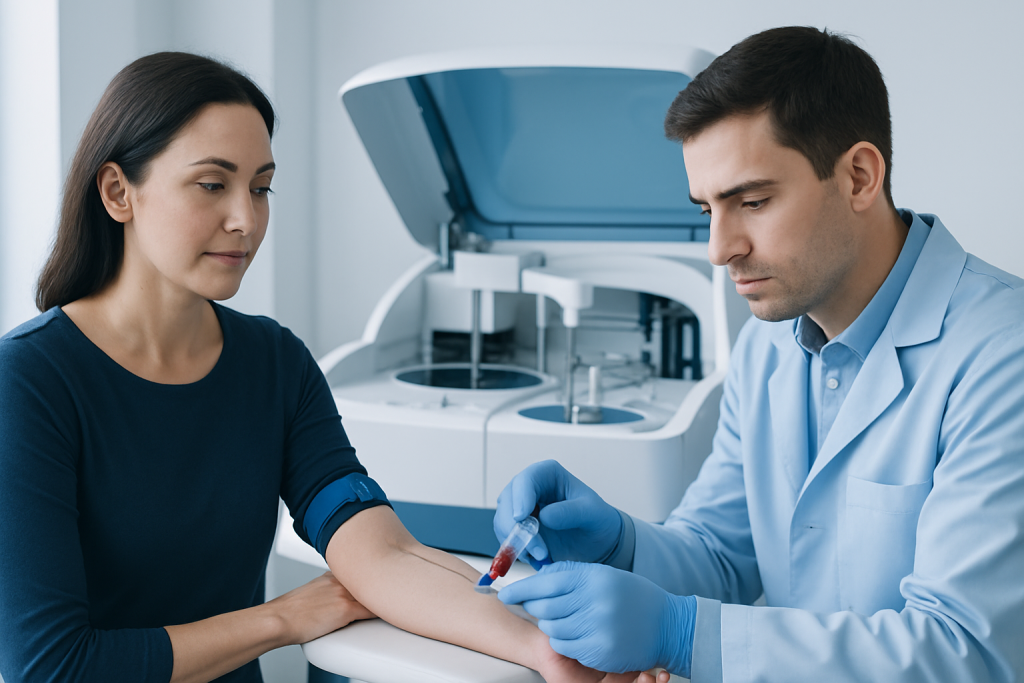
Most bloodwork is collected from a vein in the arm. A healthcare professional cleans the skin, applies a band to help the vein fill, and inserts a small needle to draw blood into one or more tubes. The process is usually brief, although the sensation can be uncomfortable for a moment.
After the sample is taken, pressure is applied to the site and a small bandage is placed over it. Mild soreness or a small bruise can occur and usually settles without treatment. People who feel anxious about needles can let the staff know beforehand; many clinics can use simple measures to make the experience more comfortable.
In some situations, bloodwork may be collected from a finger prick or, less commonly, from another site. Once the sample reaches the lab, it is analyzed using precise equipment and compared with reference ranges. These ranges are helpful guides, but they do not replace medical interpretation.
Understanding results
Blood test results are often reported as numbers alongside reference ranges. A result outside the usual range does not automatically mean something is wrong, and a result inside the range does not always exclude disease. Doctors interpret results according to age, sex, symptoms, medications, hydration status, and the reason the test was ordered.
Sometimes a single borderline result is repeated before any conclusion is made. Temporary factors such as dehydration, recent exercise, an infection, stress, or a meal can affect some values. In other cases, a pattern across several tests provides the most useful information, such as tracking hemoglobin over time or watching kidney function during treatment.
Patients should ask for a plain-language explanation of what changed, what may have caused it, and whether the result needs urgent action, routine follow-up, or no immediate concern. Clear communication is especially valuable when results are being reviewed across different healthcare systems or in a second-opinion setting.
Prevention & self-care
Bloodwork is not only about finding disease; it also supports prevention. Regular testing may help identify issues such as high cholesterol, prediabetes, anemia, or thyroid imbalance before they become more disruptive. When paired with healthy habits, it can guide earlier and more effective care.
General self-care includes following instructions for fasting or medication use, staying hydrated when appropriate, and keeping a personal record of prior results. That record can be helpful during travel, emergency visits, or when meeting a new specialist. It is also wise to keep track of symptoms, because patterns in daily life often help explain the laboratory picture.
For those managing chronic conditions, staying consistent with follow-up bloodwork can prevent small changes from becoming larger problems. Patients who are planning treatment abroad may find it useful to gather recent test reports before departure so their doctors can compare trends instead of relying on a single snapshot.
When to see a doctor
A doctor should review bloodwork whenever symptoms are persistent, worsening, unexplained, or affecting daily life. This includes ongoing fatigue, shortness of breath, paleness, frequent infections, unusual bleeding or bruising, unintentional weight change, thirst and urination changes, or abdominal symptoms that do not improve.
Medical advice is also important if a test result is flagged as abnormal and no one has explained what it means. Patients should ask whether the result needs repeat testing, additional studies, medication changes, or referral to a specialist. If a person is traveling, it is helpful to arrange follow-up before leaving or to know exactly where and how to access care afterward.
When bloodwork is done as part of treatment abroad, follow-up planning matters just as much as the test itself. Acibadem Health Point can help international patients connect with multidisciplinary specialists and JCI-accredited hospitals that diagnose and treat a wide range of conditions, with coordination designed to support safe next steps after the results are known.
Frequently asked questions
01What is bloodwork used for?
Bloodwork is used to screen for health problems, help diagnose symptoms, and monitor ongoing conditions or treatments. It can assess blood cells, organ function, blood sugar, cholesterol, hormones, and other important markers. Doctors use it together with the person’s history and exam, not in isolation.
02Do all blood tests require fasting?
No, not all blood tests require fasting. Some do, especially certain glucose or cholesterol tests, while others can be done without fasting. Patients should always follow the instructions given by the clinic or doctor because the timing can affect the result.
03Can bloodwork show if something is seriously wrong?
Bloodwork can provide important clues, but it does not always show the full picture on its own. An abnormal result may reflect a temporary issue, a mild imbalance, or a condition that needs further testing. A doctor is best placed to explain what the result means in context.
04Why would a doctor repeat bloodwork?
A repeat test may be needed to confirm a borderline result, track a change over time, or see whether treatment is working. It can also help rule out temporary influences such as dehydration, exercise, or a recent illness. Repeating bloodwork is a normal part of careful medical decision-making.
05How can someone prepare for bloodwork when traveling for care?
It helps to bring prior test results, a current medication list, and any instructions about fasting or timing. Allow extra time for transportation, registration, and language support if needed. Clear records make it easier for doctors to compare results and plan the next steps safely.
06Is bloodwork painful?
Most people feel only a brief pinch or pressure when the needle is inserted. Mild soreness or bruising afterward can happen and usually resolves on its own. If someone has had difficulty with blood draws before, they should tell the healthcare team so extra care can be taken.
This article is for general information only and is not a substitute for professional medical advice. Please consult a qualified doctor about your individual situation.
Heart care in Turkey — expert evaluation and treatment
JCI-accredited · board-certified surgeons · reply within 24h
Add us as a Preferred Source to see more of our trusted health content across Google Search, AI Overviews and Discover.



How can we help you today?
Meet an Acibadem specialist by secure video, before you travel.
Book a video visit