Angiography: Purpose, Procedure and Risks

Key Takeaways
- Angiography gives doctors a close look at blood vessels using contrast material and imaging technology.
- It is often used to investigate chest pain, stroke symptoms, circulation problems, or suspected vessel narrowing.
- The test may be performed through a catheter or with CT or MR imaging, depending on the clinical question.
- Preparation usually includes discussing medications, allergies, kidney function, and fasting instructions.
- Most people recover quickly, but aftercare and follow-up matter, especially for international patients traveling home.
- Urgent medical review is needed if chest pain, trouble breathing, severe swelling, or bleeding occurs after the procedure.
Angiography is a detailed imaging test that helps doctors examine blood vessels and identify narrowing, blockages, or other vascular problems. It is commonly used when symptoms suggest reduced blood flow to the heart, brain, or other organs, and it can guide both diagnosis and treatment.
Overview
Angiography is a medical imaging test that lets doctors map the inside of blood vessels. By combining a contrast material with X-ray, CT, or MRI technology, it can reveal where blood flow is smooth and where it is narrowed, blocked, or unusually shaped.
For many patients, angiography becomes part of the answer when symptoms do not fit neatly into a routine exam. It may help explain chest discomfort, shortness of breath, limb pain when walking, sudden neurological symptoms, or concerns about aneurysms and other vascular conditions.
Because it shows anatomy in such detail, angiography is valuable not only for diagnosis but also for planning treatment. In some situations, doctors can move from “finding the problem” to “treating the problem” during the same visit, which is why the test is often discussed early in a care plan.
Symptoms and Reasons It Is Ordered
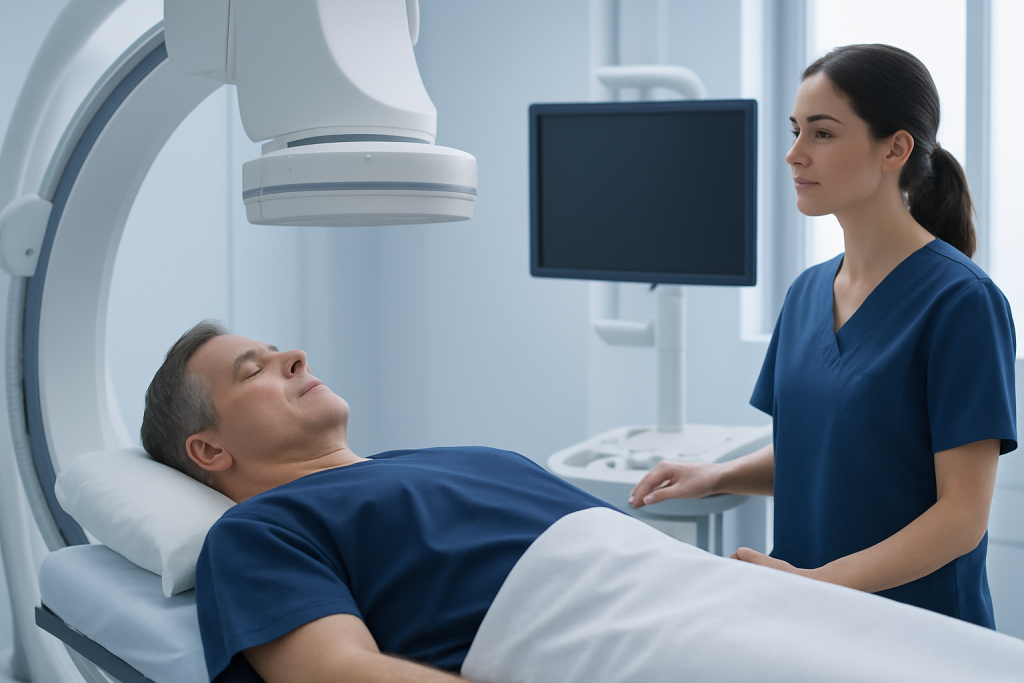
Angiography is not a treatment on its own; it is ordered when doctors need a clearer view of circulation. A person may be referred after tests such as an electrocardiogram, ultrasound, stress test, or lab work suggest a possible blood vessel issue, or when symptoms remain unexplained.
Common reasons include suspected coronary artery disease, evaluation after a stroke or transient ischemic attack, assessment of peripheral artery disease, and investigation of aneurysms or vascular malformations. It may also be used before certain surgeries or procedures to understand the blood supply to an organ or limb.
Symptoms that often lead to consideration of angiography include:
- Chest pain or pressure, especially if it occurs with activity
- Shortness of breath that may reflect reduced heart blood flow
- Leg pain, cramping, or fatigue when walking
- Sudden weakness, numbness, or speech difficulty
- Coldness, color change, or poor healing in an arm or leg
In international care settings, angiography is often part of a coordinated evaluation, where imaging, specialist review, and follow-up planning are arranged together to reduce delays in diagnosis.
Causes & Risk Factors

Angiography is usually performed because a doctor suspects an underlying vascular problem rather than because the test itself is risky. The most common cause of abnormal findings is atherosclerosis, a gradual buildup of plaque in the artery wall that can narrow the passageway for blood.
Other findings may include blood clots, vessel spasm, aneurysms, congenital vessel differences, inflammation of the vessels, or narrowing after prior procedures. The specific pattern matters because different conditions require different treatment approaches.
Several factors can increase the chance that a person will need angiography at some point. These include high blood pressure, diabetes, high cholesterol, smoking, chronic kidney disease, a family history of cardiovascular disease, previous stroke, and known heart or vascular disease. Age can also play a role, but symptoms and medical history usually guide the decision more than age alone.
When doctors plan the test, they also think about factors that may influence safety or image quality, such as kidney function, allergies to contrast material, pregnancy, and the need to manage certain medications.
Diagnosis
Before angiography, the doctor reviews symptoms, past illnesses, medications, allergies, and recent test results. Blood tests may be ordered to check kidney function and clotting status, particularly if contrast dye or catheter-based imaging is planned.
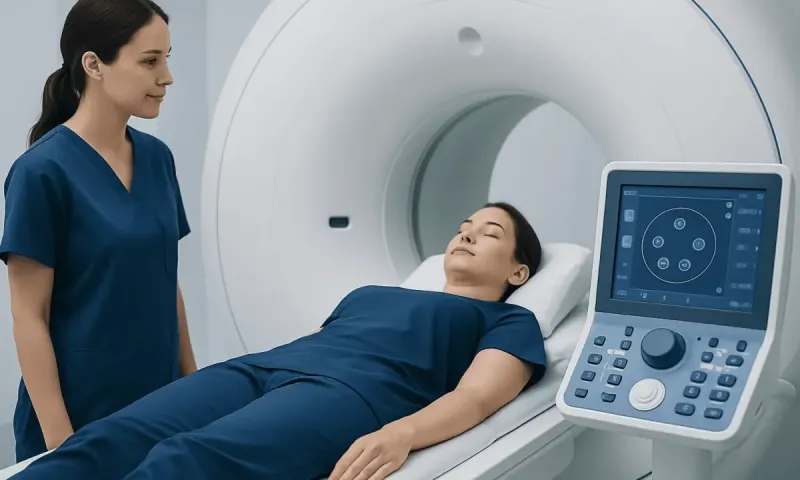
There are several forms of angiography. Catheter angiography, sometimes called conventional angiography, uses a thin tube inserted into a blood vessel and guided to the area of interest. CT angiography uses a CT scanner and contrast material to create detailed vessel images, while MR angiography uses magnetic fields and may not always require the same type of contrast.
The choice depends on the body area being studied, the urgency of the problem, and the information the doctor needs. For example, a patient with possible coronary artery disease may need coronary angiography, while someone with sudden neurological symptoms may have head or neck vessel imaging. Each approach is designed to answer a different clinical question.
Patients are usually told how to prepare, whether to fast, and whether any medicines should be adjusted. For people traveling from another country, it is helpful to clarify in advance how the results will be shared with both the treating team and the home physician.
Treatment Options
Although angiography is primarily a diagnostic procedure, it can lead directly to treatment when a problem is found. In catheter angiography, doctors may be able to perform an intervention immediately, such as balloon angioplasty, stent placement, or clot-related procedures, depending on the vessel and the clinical situation.
If no intervention is needed, the scan results still help guide care. A patient may be treated with medication, monitored over time, referred for surgery, or advised to make risk-reducing lifestyle changes. The image findings are often one piece of a broader plan rather than the final step.
Recovery depends on the type of angiography performed. After catheter-based procedures, the puncture site needs time to seal, and patients are usually observed for bleeding, changes in circulation, or reactions to contrast material. CT or MR angiography generally has a shorter recovery period, although follow-up may still be needed to discuss the results.
For international patients, a well-organized discharge plan is especially important. That may include a written summary, imaging reports, instructions for wound care, medication changes, and guidance on when it is safe to travel.
Prevention & Self-care
Angiography itself cannot always be prevented, because it is often used to evaluate an existing medical concern. What can be reduced is the chance of developing the conditions that lead to vessel disease in the first place.
Helpful self-care habits include not smoking, keeping blood pressure and blood sugar under control, following a heart-healthy eating pattern, being physically active as advised by a clinician, and taking prescribed medications consistently. People with known vascular disease should keep follow-up appointments even if they feel well, because blood vessel problems may progress quietly.
Before an angiography appointment, practical preparation matters too. Patients should tell the medical team about allergies, prior contrast reactions, kidney disease, and pregnancy. They should also bring a list of medications and ask whether any blood thinners, diabetes medicines, or supplements need special instructions.
After the procedure, it is generally sensible to rest as directed, drink fluids if approved, watch the insertion site for bleeding or swelling, and avoid heavy lifting until the doctor says it is safe. When returning home after international treatment, patients should keep all written instructions and contact details accessible during travel.
When to See a Doctor
Medical advice should be sought promptly if a person has chest pain, sudden shortness of breath, one-sided weakness, facial droop, difficulty speaking, severe limb pain, or a cold, pale, or numb arm or leg. These may be signs of urgent circulation problems that need immediate assessment.
After angiography, patients should contact their doctor if the access site begins bleeding, becomes increasingly swollen, turns very painful, or shows signs of infection such as warmth, redness, or drainage. Allergic-type symptoms such as rash, itching, or swelling also deserve prompt attention.
It is also wise to call the care team if kidney disease symptoms worsen, if there is dizziness that does not settle, or if there are questions about medication timing after the procedure. Clear communication is especially important when a patient is recovering away from home and coordinating care across countries.
At Acibadem Health Point, multidisciplinary specialists and JCI-accredited hospitals diagnose and treat angiography-related vascular conditions for international patients, with attention to safe planning and follow-up continuity.
World Health Organization
American Heart Association
National Heart, Lung, and Blood Institute
Society of Interventional Radiology
Radiological Society of North America
FAQs
Angiography is an imaging test that shows blood vessels and helps doctors find narrowing, blockages, or other abnormalities. It is used when symptoms or earlier tests suggest a circulation problem that needs closer evaluation.
There are different types of angiography, including catheter-based, CT, and MR studies. The best option depends on the vessel being examined and the information the doctor needs.
Frequently asked questions
01What is angiography used for?
Angiography is used to look at blood vessels in detail and check for narrowing, blockages, aneurysms, or other abnormalities. It helps doctors understand whether symptoms are related to reduced blood flow and what kind of treatment may be needed.
02Is angiography painful?
Most people feel only brief discomfort, especially if a catheter is inserted through a vessel. The imaging itself is usually not painful, though the contrast injection can cause a temporary warm feeling.
03How should a patient prepare for angiography?
Preparation depends on the type of angiography and the area being studied. Patients are commonly asked about allergies, kidney problems, pregnancy, and medications, and they may need to fast for a period before the procedure.
04How long does recovery take?
Recovery is often short after CT or MR angiography, while catheter angiography may require a few hours of observation. The doctor will give specific instructions based on the procedure and the patient’s overall health.
05Are there risks with angiography?
Like any medical procedure, angiography has possible risks, including bleeding at the access site, contrast reaction, or temporary kidney strain in some patients. Doctors weigh these risks against the benefit of getting clear information that can guide care.
06Can a patient travel after angiography?
Some patients can travel soon after angiography, but this depends on the type of procedure and whether any intervention was done. It is best to follow the treating team’s advice and keep the discharge instructions available during travel.
This article is for general information only and is not a substitute for professional medical advice. Please consult a qualified doctor about your individual situation.
Explore treatments in Turkey — costs, top hospitals & a free quote
JCI-accredited · board-certified surgeons · reply within 24h
Add us as a Preferred Source to see more of our trusted health content across Google Search, AI Overviews and Discover.