Scratched Cornea: Symptoms and Treatment

Key Takeaways
- A scratched cornea is an injury to the clear front surface of the eye and can be very painful even when small.
- Common symptoms include eye pain, tearing, redness, light sensitivity, blurry vision, and a gritty sensation.
- Diagnosis usually involves an eye examination and dye staining to show the damaged area.
- Treatment focuses on protecting the eye, easing discomfort, and preventing infection.
- People who wear contact lenses, have reduced vision, or develop worsening symptoms should seek medical attention promptly.
A scratched cornea, also called a corneal abrasion, is a common eye injury that can cause pain, tearing, light sensitivity, and a feeling that something is in the eye. Most cases heal well with prompt care, but the eye should be checked if symptoms are severe, lingering, or follow contact lens use or trauma.
Overview
A scratched cornea, or corneal abrasion, happens when the clear outer layer of the eye is damaged by something as small as a fingernail, a dust particle, a tree branch, or a contact lens that has moved or become trapped. Because the cornea is densely supplied with nerve endings, even a small scratch can feel dramatic and uncomfortable.
For many people, the first clue is not just pain but the sensation that something is still in the eye. Tears, blinking pain, and difficulty opening the eyelid may follow. While the injury often heals quickly, the eye is delicate enough that it should not be treated casually, especially if vision changes or the injury happened during contact lens wear, work, travel, or sports.
International patients sometimes notice this problem while abroad and are unsure whether they need urgent care or simple rest. The safest approach is to get the eye examined if the discomfort is significant, vision is blurred, or the symptoms do not begin to ease within a short time.
Symptoms

The symptoms of a scratched cornea can start suddenly. Many people describe sharp pain, watering, redness, and a gritty or scratchy feeling that does not go away after blinking. The eye may be unusually sensitive to light, and opening it may be difficult.
Depending on the size and location of the abrasion, vision can become blurry or hazy. Some people also notice headache, eyelid spasm, or discharge caused by the eye’s natural response to irritation. If the scratch is deep, if there is a foreign body still present, or if the injury is linked to an object that struck the eye at speed, the symptoms may be more intense.
Warning signs that deserve prompt evaluation include:
- Persistent pain or a strong foreign-body sensation
- Blurred or decreased vision
- Increasing redness or swelling
- Light sensitivity that makes it hard to keep the eye open
- Discharge, especially after contact lens wear
Symptoms can sometimes improve and then return, which may happen when the surface begins to heal but is irritated again. That pattern is one reason eye symptoms should be taken seriously rather than simply covered up.
Causes & Risk Factors

Most scratched corneas happen when the eye is touched or rubbed by something sharp, rough, or small enough to be overlooked. Common causes include fingernails, paper, makeup applicators, dust, sand, wood chips, plant material, and sports-related impacts. Even a forceful blink over a trapped particle can damage the cornea.
Contact lens wear is a major risk factor because lenses can dry out the eye, trap debris, or carry germs if they are not cleaned and replaced properly. Working in construction, gardening, metalwork, or environments with wind and flying debris also increases the chance of injury. Children may scratch the cornea during play, while adults may do so while removing makeup, inserting lenses, or after an accidental eye rub.
Some people are more vulnerable because of dry eye, previous corneal injury, or certain eyelid or eye surface conditions. In travel settings, dry air on planes, dust, and disrupted lens routines can contribute, so people who wear contacts should be especially careful during trips and long journeys.
Diagnosis
Diagnosis usually begins with a careful history of how the injury happened, followed by an eye examination. A clinician will want to know whether anything struck the eye, whether contact lenses were being worn, and whether there is any vision change. These details help determine whether the problem is a simple abrasion or something more serious.
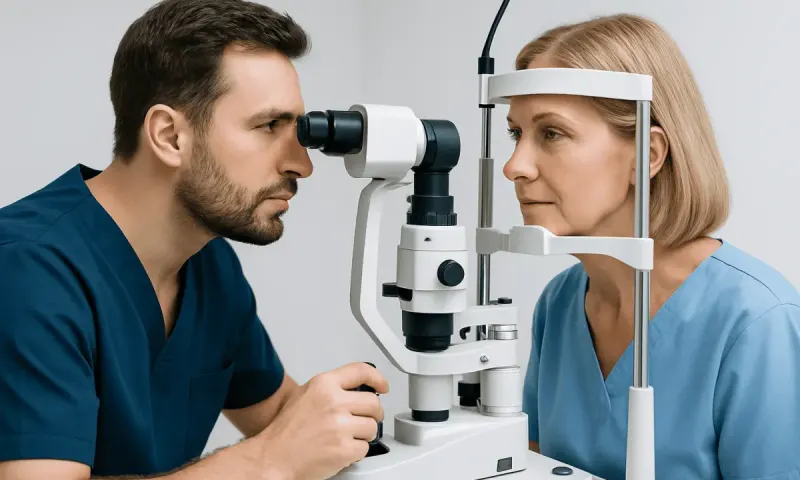
To see the scratch clearly, an eye doctor may use a special dye called fluorescein. When viewed under blue light, the damaged area becomes visible. The examination may also include checking visual acuity, looking for a foreign body under the eyelid, and assessing the cornea and the rest of the eye for deeper injury.
If the injury involved high-speed impact, chemicals, or a possible penetrating object, further testing may be needed. That is especially important before traveling onward, since untreated eye trauma can become harder to manage away from home.
Treatment Options
Treatment depends on the size of the abrasion, the cause, and whether infection is a concern. Many small scratches heal on their own with supportive care, but the eye should still be protected and monitored. The main goals are to relieve pain, support healing, and prevent complications.
A clinician may recommend lubricating drops or ointment, pain relief measures, and sometimes antibiotic eye medication, particularly if the injury involved contact lenses or contaminated material. Contact lens wear is usually paused until the eye has healed and a doctor says it is safe to resume. In some cases, the eye may be covered or protected, but management varies, and not every abrasion needs the same approach.
Common treatment steps may include:
- Rinsing the eye if a loose particle is suspected, when appropriate
- Using prescribed eye drops or ointment
- Avoiding contact lenses, eye rubbing, and eye makeup
- Using oral pain relief if advised by a clinician
- Returning for follow-up if symptoms do not improve
People should not use leftover eye drops, especially steroid drops, unless a qualified eye professional has prescribed them for the current problem. Steroid use without supervision can complicate healing or mask infection.
Prevention & Self-care
Small habits do a great deal to protect the cornea. Eye protection during sports, gardening, woodworking, and construction is one of the most effective preventive steps. For contact lens users, careful cleaning, proper replacement, and avoiding overnight wear unless specifically advised can reduce risk.
At home, the eye should not be rubbed after an injury. If a particle is suspected, gentle rinsing with clean water or sterile saline may help in some situations, but forceful attempts to remove an object can worsen the scratch. Makeup should be avoided until the eye settles, and anyone recovering from a scratch should keep hands clean before touching the face or applying prescribed drops.
For people traveling internationally, carrying lens supplies, preservative-free lubricating drops if recommended, and a copy of their eye care instructions can make follow-up easier. If symptoms begin while abroad, seeking prompt local assessment is preferable to waiting for a long return trip, especially if vision is affected.
When to See a Doctor
A scratched cornea should be evaluated promptly if the pain is significant, vision is blurred, or the injury came from a metal object, sharp plant material, chemical exposure, or something moving at speed. The same advice applies if the eye cannot be opened comfortably or if a foreign body may still be present.
Medical attention is especially important for contact lens wearers, because they have a higher risk of infection and may need closer follow-up. Anyone with worsening redness, discharge, swelling, or symptoms that are not improving as expected should be checked by an eye professional.
If a traveler is away from home when symptoms begin, it is reasonable to arrange care locally rather than wait. Acibadem Health Point’s multidisciplinary specialists and JCI-accredited hospitals can diagnose and treat eye injuries for international patients, including scratched corneas, while helping coordinate follow-up care.
Recovery and Follow-up
Many corneal abrasions heal within a short period, but recovery time varies with the depth and cause of the injury. Comfort usually improves first, followed by clearer vision and less sensitivity to light. Even when the eye feels better, follow-up may still be needed to make sure the surface has healed properly.
If the scratch was caused by contact lenses, contaminated material, or a foreign body, clinicians may want to recheck the eye to look for infection or delayed healing. This is particularly useful for patients who need to continue traveling, because a plan for ongoing care can be arranged before they leave.
After recovery, prevention is mainly about learning from the event: better eye protection, safer lens habits, and quicker attention to new symptoms. A well-managed scratched cornea usually resolves without lasting problems, but the eye does benefit from careful handling the next time something feels wrong.
Frequently asked questions
01What exactly is a scratched cornea?
A scratched cornea is a small injury to the clear front surface of the eye. It is also called a corneal abrasion. Even a minor scratch can cause notable pain because the cornea is very sensitive.
02Can a scratched cornea heal on its own?
Many minor scratches heal on their own with proper care and protection. However, an eye exam is still important if the pain is strong, the vision is affected, or contact lenses were involved. The eye should be monitored if symptoms do not improve quickly.
03Should someone wear contact lenses with a scratched cornea?
No, contact lenses should usually be stopped until a doctor says it is safe to resume. Wearing lenses too early can slow healing or increase the risk of infection. A clinician may also give special instructions if the scratch happened during lens use.
04What should be done right after the eye is scratched?
The person should avoid rubbing the eye and should not try to remove anything with a finger or tool. If a loose particle is suspected and rinsing is appropriate, gentle flushing with clean water or sterile saline may help. If pain, blurred vision, or persistent discomfort continues, medical evaluation is needed.
05Is a scratched cornea an emergency?
Not every abrasion is an emergency, but some need prompt care. It is important to seek urgent evaluation if there is decreased vision, severe pain, chemical exposure, a possible penetrating injury, or symptoms after contact lens wear. Those situations can require more than simple home care.
06How long does recovery usually take?
Recovery depends on the size and cause of the abrasion, but many small scratches improve within a short time. Healing can be slower if there is a foreign body, infection, dry eye, or repeated rubbing. A follow-up visit helps confirm that the eye surface has repaired properly.
This article is for general information only and is not a substitute for professional medical advice. Please consult a qualified doctor about your individual situation.
Explore treatments in Turkey — costs, top hospitals & a free quote
JCI-accredited · board-certified surgeons · reply within 24h
Add us as a Preferred Source to see more of our trusted health content across Google Search, AI Overviews and Discover.