Conjunctivitis or Something More Serious? When Red Eyes Need an Eye Specialist

Conjunctivitis, often called pink eye, is a frequent cause of red, irritated eyes and is usually mild. However, some red eyes are caused by more serious eye conditions, so it is important to know which symptoms suggest a specialist evaluation is needed.
Overview: Why Red Eyes Are Not Always Simple Conjunctivitis
Red eyes are very common, and conjunctivitis is one of the most frequent reasons. Conjunctivitis means inflammation of the conjunctiva, the thin clear tissue that covers the white part of the eye and the inside of the eyelids. It may be caused by viruses, bacteria, allergies, or irritation from smoke, chlorine, dust, or chemicals.
Many cases are mild and improve with simple care. Viral conjunctivitis often causes watering, burning, and redness, while bacterial conjunctivitis is more likely to produce sticky discharge. Allergic conjunctivitis often affects both eyes and comes with itching, tearing, and swelling.
Even so, not every red eye is conjunctivitis. Some more serious eye problems can begin with redness but may threaten vision if treatment is delayed. Because of this, symptoms such as significant pain, sensitivity to light, or changes in sight should not be ignored.
Common Symptoms of Conjunctivitis
Typical conjunctivitis causes pink or red discoloration of the white part of the eye, irritation, and a gritty feeling, as if something is in the eye. Many people also notice watery eyes or discharge that may be clear, white, yellow, or green depending on the cause.
Other common symptoms include crusting on the eyelashes, especially after sleep, mild eyelid swelling, and frequent tearing. In allergic conjunctivitis, itching is often one of the strongest symptoms and usually affects both eyes.
Vision is generally normal or only slightly blurred from discharge or tears in uncomplicated conjunctivitis. Severe pain is not typical. If vision stays blurred after blinking or cleaning the eye, another cause should be considered.
- Viral conjunctivitis: watery discharge, irritation, often linked to a cold
- Bacterial conjunctivitis: thicker discharge, eyelids sticking together
- Allergic conjunctivitis: itching, tearing, puffiness, often seasonal
- Irritant conjunctivitis: burning and redness after exposure to smoke, chemicals, or other triggers
When Red Eyes May Signal Something More Serious

Some symptoms suggest that a red eye may be more than simple conjunctivitis. These warning signs include moderate to severe eye pain, strong sensitivity to light, reduced vision, a new headache with nausea, or the feeling that the eye is very tender. Redness that is much worse in one eye than the other can also be a clue.
More serious causes of red eye include corneal infection or inflammation, also called keratitis, inflammation inside the eye called uveitis, inflammation of deeper eye tissues such as scleritis, or a sudden pressure rise in the eye as in acute angle-closure glaucoma. These conditions can sometimes look similar to conjunctivitis at first, but they need prompt medical assessment.
A red eye after trauma, chemical exposure, recent eye surgery, or contact lens use deserves particular attention. Contact lenses can increase the risk of corneal infection, which may progress quickly. A red eye in a person with autoimmune disease or a weakened immune system also calls for careful evaluation.
Causes and Risk Factors
Conjunctivitis has several causes. Viral forms are highly contagious and often spread through direct contact with infected eye secretions, contaminated hands, towels, or surfaces. Bacterial conjunctivitis can spread in similar ways. Allergic conjunctivitis is not contagious and is triggered by substances such as pollen, dust mites, animal dander, or mold.
Irritants such as smoke, air pollution, chlorinated pool water, cosmetics, or harsh chemicals can also inflame the eye surface. In some cases, dryness of the eye may produce redness and irritation that can be mistaken for conjunctivitis.
Risk factors for a more serious red eye include wearing contact lenses, especially overnight or with poor lens hygiene; having a recent eye injury; using steroid eye drops without supervision; and having a history of eye disease. Systemic conditions such as autoimmune disorders can increase the risk of inflammation beyond the conjunctiva.
People who have had recent colds or upper respiratory infections may be more likely to develop viral conjunctivitis. Children in schools and daycare settings can also spread infectious conjunctivitis easily because of close contact and frequent hand-to-eye touching.
How Doctors Diagnose the Cause of a Red Eye
Diagnosis begins with a careful history. A doctor will ask when the redness started, whether one or both eyes are affected, and whether there is itching, discharge, pain, light sensitivity, or blurred vision. Recent illness, contact lens use, eye injury, travel, allergies, and medication use can all provide important clues.
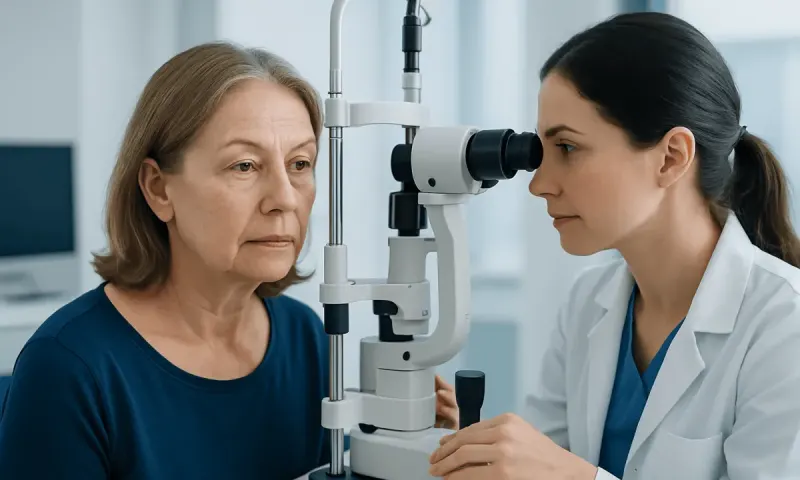
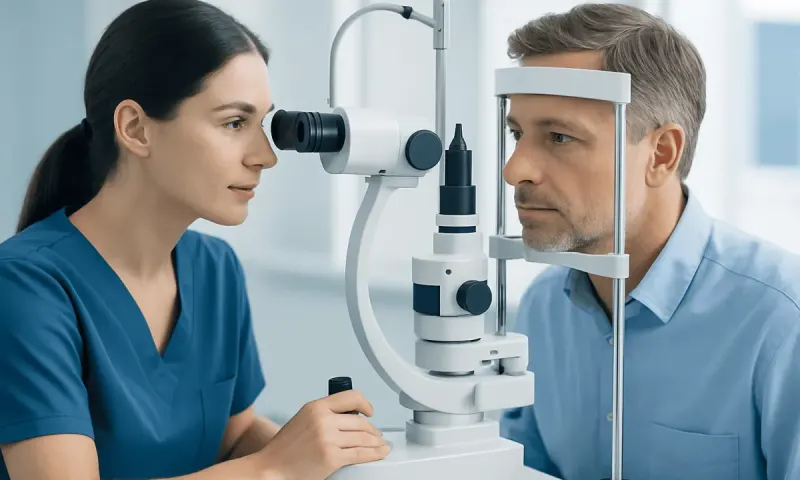
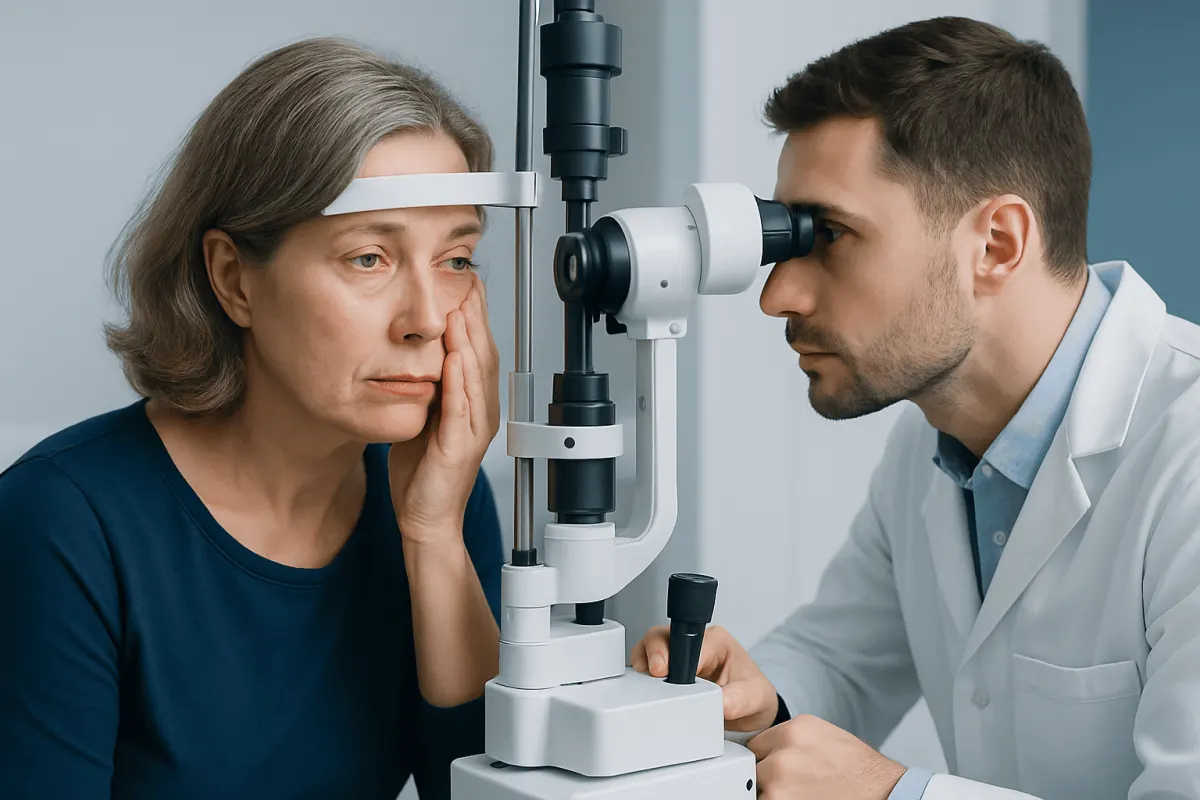
The eye examination may include checking vision, looking at the eyelids and conjunctiva, and assessing the cornea, pupils, and eye movements. Eye specialists often use a slit lamp, a microscope with a bright light, to examine the front of the eye in detail. They may also use special dye to look for scratches, ulcers, or damage on the cornea.
If glaucoma is suspected, the pressure inside the eye may be measured. In selected cases, doctors may take a sample of discharge for testing, especially if infection is severe, unusual, or not responding to treatment. This process helps separate routine conjunctivitis from conditions that need urgent care.
Treatment Options and When Specialist Care Helps
Treatment depends on the cause. Viral conjunctivitis usually improves with time and supportive care such as cool compresses, lubricating eye drops, and careful hygiene. Bacterial conjunctivitis may be treated with prescription antibiotic drops or ointment when a clinician considers them appropriate. Allergic conjunctivitis may improve with allergen avoidance, artificial tears, and anti-allergy eye drops recommended by a doctor or pharmacist.
It is important not to self-treat every red eye with leftover eye drops, especially steroid drops. Steroids can worsen certain infections and delay the correct diagnosis. Contact lens wearers should stop using lenses until the eye has healed and a clinician says it is safe to restart.
If symptoms suggest a condition beyond conjunctivitis, specialist treatment may be needed promptly. This can include treatment for uveitis, urgent care for corneal infection, or pressure-lowering treatment for glaucoma. Depending on the cause, an ophthalmologist may recommend procedures or surgery, such as corneal transplantation for severe corneal damage or glaucoma surgery when eye pressure cannot be controlled sufficiently with other measures.
Near the end of the care pathway, some patients may also need more advanced assessment of the eye structures, and specialists may discuss options such as retina surgery if another eye condition is found. Acıbadem Health Point’s multidisciplinary specialists and JCI-accredited hospitals diagnose and treat eye conditions for international patients when expert evaluation is needed.
Prevention and Self-Care
Good hygiene is one of the best ways to prevent infectious conjunctivitis. Hands should be washed regularly, and eyes should be touched as little as possible. People with conjunctivitis should avoid sharing towels, pillowcases, cosmetics, or eye drops with others.
Contact lens safety is especially important. Lenses should be cleaned and stored exactly as instructed, replaced on schedule, and never rinsed in tap water. Sleeping in contact lenses should be avoided unless an eye professional has specifically approved it.
For allergy-related symptoms, reducing exposure to triggers may help. Keeping windows closed during high pollen days, using air filters, and rinsing the eyes with preservative-free artificial tears can improve comfort. Eye makeup should be replaced regularly, especially after an eye infection, to reduce re-exposure to germs.
Self-care can relieve mild symptoms, but it should not replace medical advice when warning signs are present. If there is severe pain, reduced vision, or persistent worsening redness, professional evaluation is the safest step.
When to See a Doctor or Eye Specialist
A doctor should be consulted if red eye symptoms do not start improving after a few days, if discharge becomes heavy, or if the diagnosis is uncertain. Children, older adults, and people with chronic health conditions may benefit from earlier medical advice because symptoms can be harder to interpret.
Prompt specialist assessment is important for any red eye with severe pain, marked light sensitivity, blurred or decreased vision, a visible white spot on the cornea, or recent trauma or chemical splash. Contact lens wearers should be cautious, since infections involving the cornea can become serious quickly.
Emergency care may be needed when red eye is accompanied by sudden vision loss, a severe headache, vomiting, or halos around lights. These symptoms may point to a condition other than conjunctivitis and should not be managed at home alone.
Frequently asked questions
01How can someone tell if it is conjunctivitis or something more serious?
Conjunctivitis often causes redness, irritation, discharge, and tearing, but usually not severe pain or major vision loss. If there is strong pain, sensitivity to light, blurred vision that does not clear, or redness mainly in one eye, medical assessment is important.
02Is conjunctivitis always contagious?
No. Viral and bacterial conjunctivitis can spread from person to person, but allergic and irritant conjunctivitis are not contagious. The cause matters, which is why diagnosis based on symptoms and eye examination is helpful.
03Should contact lenses be worn with a red eye?
No. Contact lenses should be removed as soon as red eye symptoms begin and not worn again until a clinician advises it is safe. This is especially important because contact lens use raises the risk of corneal infection.
04Can red eyes be treated at home?
Mild conjunctivitis may improve with supportive care such as cool compresses, lubricating eye drops, and good hygiene. However, home care is not enough if there is pain, vision change, severe swelling, or worsening symptoms.
05Do antibiotics help every case of conjunctivitis?
No. Antibiotics may help some bacterial cases, but they do not treat viral or allergic conjunctivitis. Using unnecessary medication can delay the right treatment, so medical advice is useful when the cause is unclear.
06When should a red eye be treated as urgent?
A red eye should be treated urgently if it comes with sudden vision loss, severe pain, light sensitivity, eye injury, chemical exposure, or a bad headache with nausea. These symptoms can suggest a condition more serious than conjunctivitis.
This article is for general information only and is not a substitute for professional medical advice. Please consult a qualified doctor about your individual situation.
Explore treatments in Turkey — costs, top hospitals & a free quote
JCI-accredited · board-certified surgeons · reply within 24h
Add us as a Preferred Source to see more of our trusted health content across Google Search, AI Overviews and Discover.