How the Six Eye Muscles Move and Align the Eyes
Have you ever looked up from your phone and seen two of something for a second? Or noticed in a photo that one of your child’s eyes seems to drift off to the side? Both of those moments point to the same small group of muscles.
Each eye is moved by six extraocular muscles. They turn your eyes in every direction and keep both eyes working together as a team. When these muscles, or the nerves that control them, are affected, you may notice double vision, poor tracking, eye strain, or an eye that looks misaligned.
Overview: what eye muscles do
Eye muscles are six small muscles attached to each eyeball that control eye movement and help the eyes stay aligned. They allow a person to look up, down, left, right, and diagonally, and they help both eyes point at the same target at the same time. This teamwork is essential for single, clear vision and accurate depth perception.
These muscles are called the extraocular muscles. They work under the control of several cranial nerves and a highly coordinated brain system. Although they are small, they move quickly and precisely throughout the day during reading, driving, screen use, and everyday visual tasks.
An eye muscle problem does not always mean the muscle itself is weak or damaged. Sometimes the trouble lies with the nerves, the brain pathways that coordinate movement, the tissues around the eye, or simply the way the two eyes work together. That is why symptoms vary so much, from mild eye strain to something as obvious as double vision or a turned eye.
The six extraocular muscles and how they work together
Each eye has six extraocular muscles: the medial rectus, lateral rectus, superior rectus, inferior rectus, superior oblique, and inferior oblique. Some muscles mainly move the eye inward or outward, while others help move it up or down and add subtle rotational control. Rather than acting one at a time, they function in coordinated pairs and groups.
For example, when a person looks to the right, the right lateral rectus pulls the right eye outward while the left medial rectus pulls the left eye inward. Similar paired actions happen in every direction of gaze. This coordinated movement keeps the two eyes aligned on the same object so the brain can combine the images into one clear picture.
Eye muscles also support visual stability. Tiny, constant adjustments help the eyes maintain fixation on a word while reading or follow a moving object smoothly. If the system becomes unbalanced, the brain may struggle to fuse the two images, which can lead to blurred vision, double vision, or fatigue.
- Rectus muscles: mainly control straight-line movements.
- Oblique muscles: help with rotation and more complex directional control.
- Nerve control: the third, fourth, and sixth cranial nerves direct most eye muscle actions.
- Brain coordination: visual centers help synchronize both eyes for binocular vision.
Symptoms of eye muscle problems
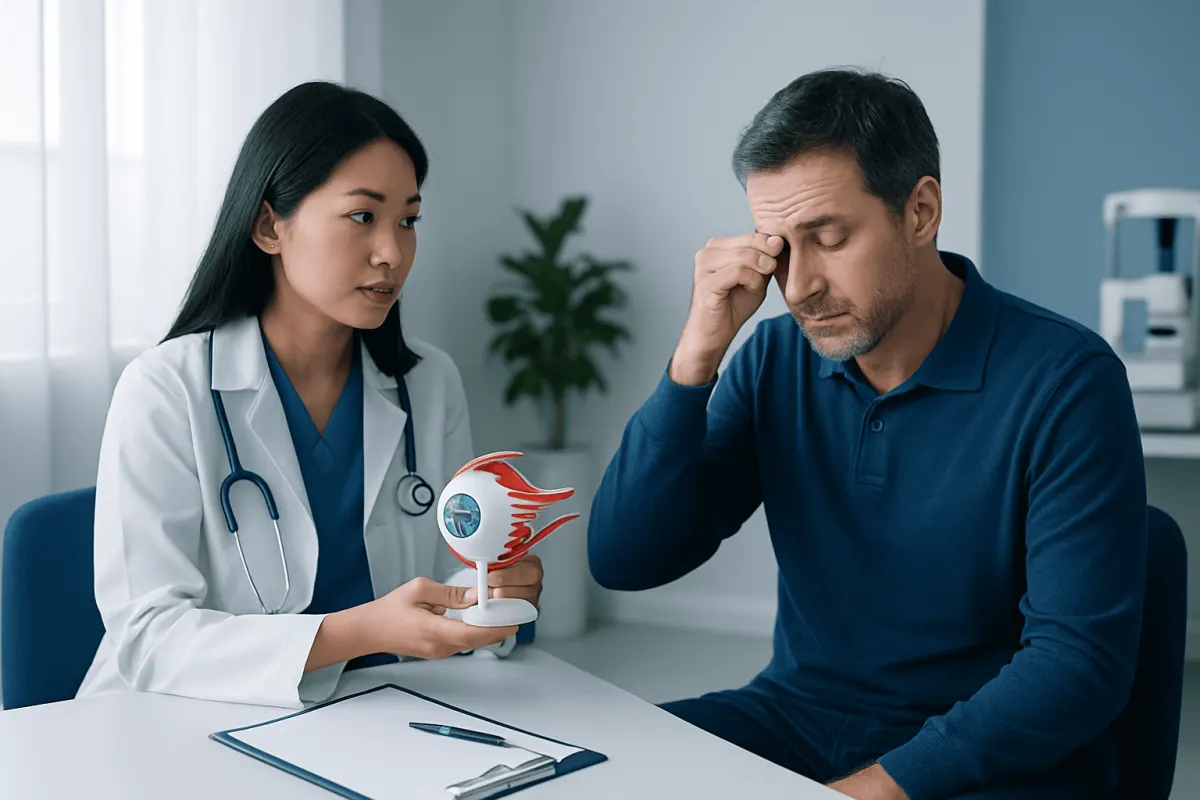
Eye muscle disorders can affect children and adults in different ways. A common symptom is double vision, also called diplopia, especially when looking in a particular direction. Some people describe words moving on a page, difficulty focusing, or trouble judging distances. Others may have no visual complaints but notice that one eye appears to drift inward, outward, upward, or downward.
Eye strain and headaches may happen when the visual system works hard to compensate for a subtle alignment problem. Children may tilt or turn their head to reduce symptoms or close one eye in bright light. Adults may feel dizzy, uncomfortable while reading, or less confident walking on stairs or driving if vision is not well aligned.
Symptoms can be constant or intermittent. They may appear only when tired, after long periods of near work, or during illness. In some people, the brain suppresses one eye’s image to avoid double vision, which can reduce depth perception and, in children, may contribute to amblyopia if not addressed.
- Double vision
- Eye misalignment or a wandering eye
- Eye strain, fatigue, or headaches
- Difficulty reading or tracking moving objects
- Head tilt or unusual face turn
- Reduced depth perception
Causes and risk factors
Eye muscle problems can develop for many reasons. In children, one of the best-known causes is strabismus, in which the eyes are not properly aligned. This may be related to muscle balance, focusing issues, visual development, or the way the brain controls eye position. In adults, eye muscle symptoms often raise concern for a newer problem affecting the nerves, muscles, or tissues around the eye.
One important cause is thyroid eye disease, which can make the muscles around the eye swollen and stiff. Other possible causes include diabetes-related nerve palsy, high blood pressure, stroke, head injury, infection, inflammation, autoimmune conditions such as myasthenia gravis, and complications after eye surgery. Less commonly, tumors or disorders affecting the brain or eye socket may be involved.
Risk factors depend on the underlying condition. They may include older age, vascular risk factors such as diabetes or hypertension, thyroid disease, smoking, neurological disease, trauma, and a family history of eye alignment disorders. Some temporary eye movement changes can also happen with severe fatigue or certain medications, but persistent or sudden symptoms should be assessed by a doctor.
How doctors diagnose eye muscle disorders
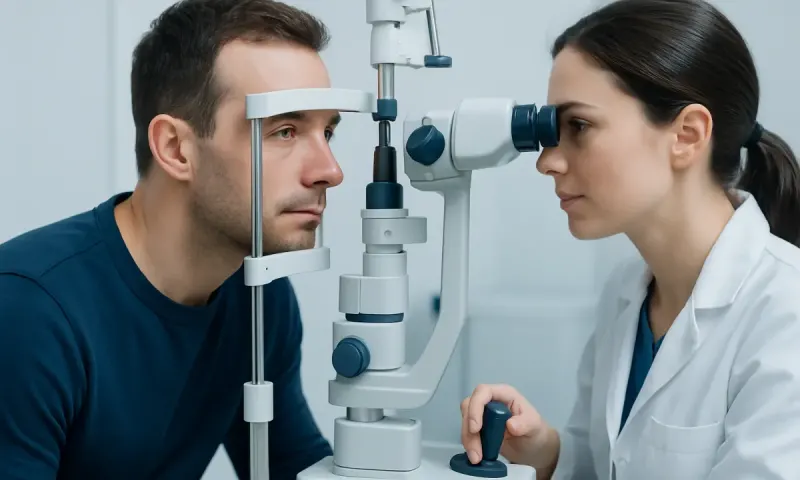
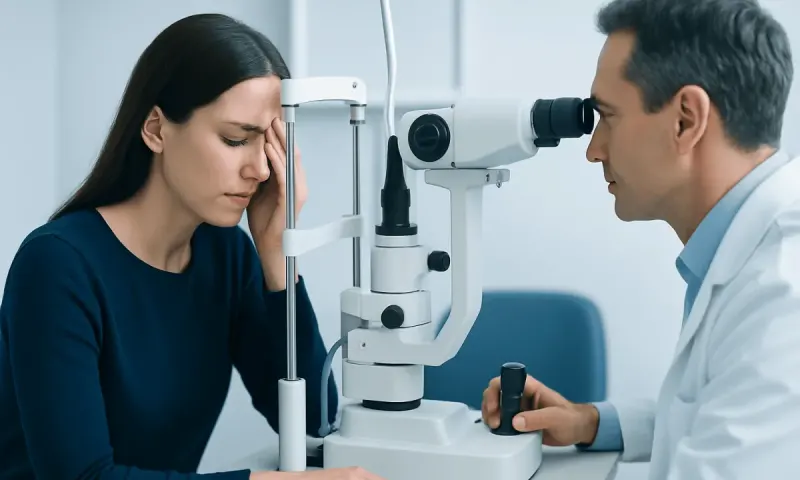
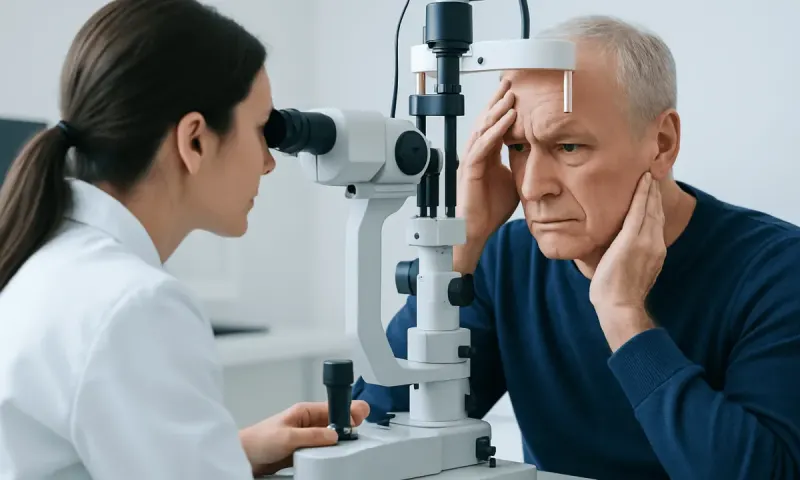
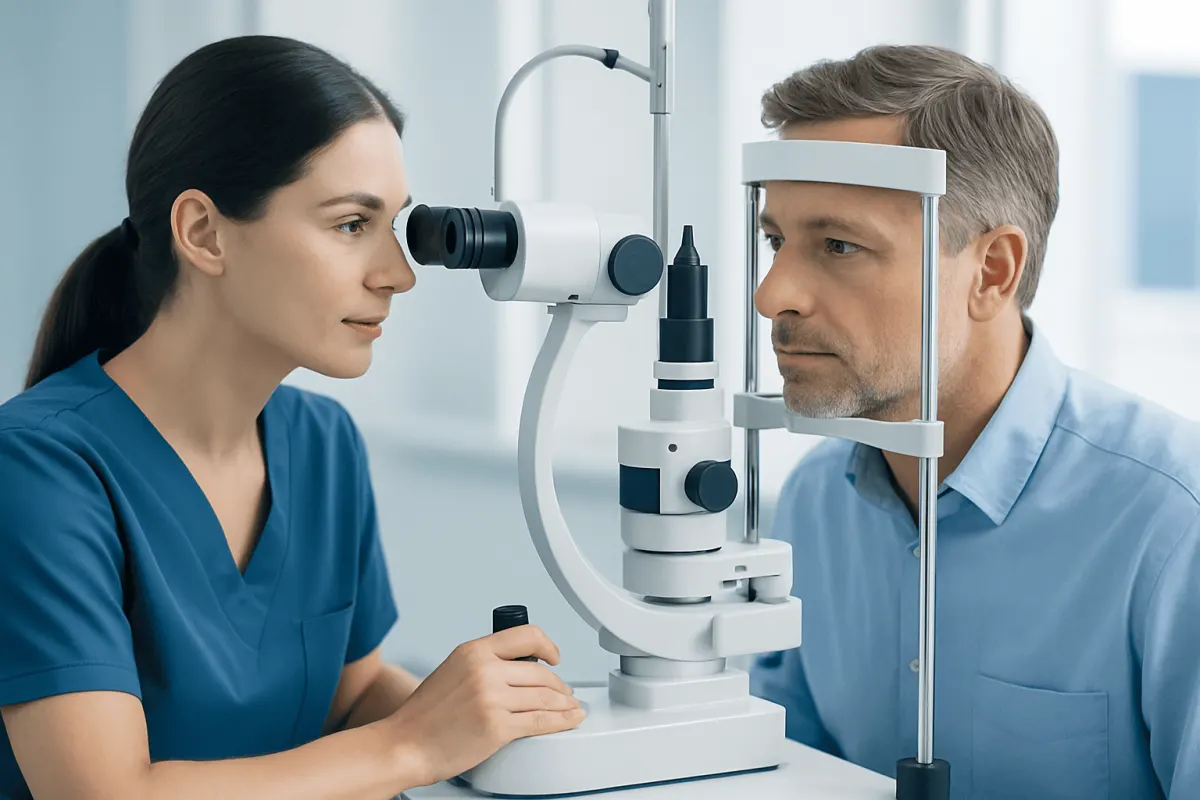
Diagnosis begins with a detailed medical history and eye examination. The doctor asks when symptoms started, whether double vision is constant or comes and goes, and whether it changes in certain gaze directions. Questions about thyroid disease, diabetes, headache, recent infection, injury, or neurological symptoms help guide the evaluation.
During the examination, the clinician checks vision, eye position, eye movements, pupil reactions, eyelids, and how the eyes work together. Specific alignment tests measure whether the eyes are turning inward, outward, up, or down. In children, the exam also looks at visual development to rule out amblyopia and other causes of poor vision.
Additional tests may be needed depending on the suspected cause. These can include blood tests, imaging of the brain or orbits, or referral to a specialist in neuro-ophthalmology or pediatric ophthalmology. If the findings suggest a structural or nerve-related problem, doctors may recommend advanced assessment and targeted treatment, including options such as orbital MRI or neuro-ophthalmology evaluation where appropriate.
Treatment options for eye muscle problems
Treatment depends on the cause, the person’s age, symptom severity, and whether the problem is stable or changing. Some cases improve when the underlying condition is treated, such as better control of diabetes, treatment of thyroid eye disease, or recovery after a temporary nerve palsy. Others need direct management to improve alignment and reduce symptoms.
Non-surgical treatment may include updated glasses, prism lenses to reduce double vision, temporary patching of one eye, or carefully selected eye exercises for certain coordination problems. In children, early treatment is especially important when misalignment affects visual development. If amblyopia is present, doctors may also treat that to help both eyes develop as well as possible.
When alignment remains significant or symptoms persist, surgery may be considered to adjust the position or tension of one or more eye muscles. This is commonly called strabismus surgery. In selected cases related to the eye socket or pressure on muscles, other procedures such as orbital decompression surgery may be relevant. Complex cases are often best reviewed by more than one specialist. Acıbadem Health Point’s JCI-accredited hospitals and specialists diagnose and treat eye muscle disorders for international patients when needed.
Self-care, daily tips, and prevention
Not every eye muscle disorder can be prevented, but general health measures can lower the risk of some causes and help manage symptoms. Good control of diabetes, blood pressure, and thyroid disease supports nerve and eye health. Avoiding smoking is especially important for people with thyroid-related eye problems.
For day-to-day comfort, people with mild symptoms may find it helpful to take regular breaks during reading or screen use, keep lighting comfortable, and follow any glasses or prism prescription exactly as advised. Children should attend routine vision checks because early detection of alignment problems can protect visual development.
Please do not start eye exercises before you have a diagnosis. They help only certain specific conditions and may be the wrong choice for others. And never brush off sudden double vision as ordinary eye strain. A qualified eye doctor can determine whether the issue is benign, temporary, or a sign of a condition that needs prompt treatment.
When to seek medical care
Medical care is recommended if an eye appears misaligned, if double vision lasts more than a short time, or if reading and focusing become persistently difficult. Children with a wandering eye, squinting, head tilt, or poor visual attention should be assessed promptly because early treatment can make a meaningful difference.
Urgent medical evaluation is needed for sudden double vision, new drooping of an eyelid, unequal pupils, severe headache, eye pain, weakness, numbness, trouble speaking, or symptoms after a head injury. These features may suggest a neurological or vascular cause that should be checked without delay.
Even mild symptoms are worth an eye examination if they keep coming back or get in the way of your day. Early diagnosis can clarify whether the issue involves the eye muscles, the nerves that control them, or another visual problem entirely.
Frequently asked questions
01What are the eye muscles called?
The main eye muscles are called the extraocular muscles. There are six for each eye, and they work together to move the eye in different directions and keep both eyes aligned on the same target.
02Can weak eye muscles cause blurry vision?
Eye muscle or eye alignment problems can lead to blurry vision in some people, especially during reading or prolonged visual tasks. They can also cause double vision, eye strain, or difficulty keeping focus, but blurry vision may have many other causes as well.
03Why do eye muscle problems cause double vision?
Double vision happens when the two eyes are not pointing at the same place at the same time. The brain then receives two different images and may not be able to combine them into one clear image.
04Are eye muscle disorders common in children?
Some eye alignment disorders are relatively common in childhood. Early assessment is important because long-standing misalignment can affect normal visual development and depth perception.
05Do eye exercises fix all eye muscle problems?
No. Eye exercises can help certain coordination issues, but they are not a universal treatment for all eye muscle disorders. The right approach depends on the exact cause, so exercises should be recommended only after a professional evaluation.
06Is eye muscle surgery always necessary?
Not always. Many people improve with glasses, prisms, treatment of the underlying disease, observation, or other non-surgical options. Surgery is usually considered when alignment remains significant, symptoms persist, or visual function is affected.
This article is for general information only and is not a substitute for professional medical advice. Please consult a qualified doctor about your individual situation.
Explore treatments in Turkey — costs, top hospitals & a free quote
JCI-accredited · board-certified surgeons · reply within 24h
Add us as a Preferred Source to see more of our trusted health content across Google Search, AI Overviews and Discover.