Contact Lens Safety: How to Prevent Eye Infections and Irritation

Contact lenses are safe for many people when they are used and cleaned correctly. Good hygiene, proper wear schedules, and early attention to symptoms can greatly reduce the risk of eye infections and irritation.
Overview: Why Contact Lens Safety Matters
Contact lenses offer clear vision and convenience, and many people wear them comfortably every day. However, lenses sit directly on the eye’s surface, so small mistakes in cleaning, storage, or wear time can increase the chance of irritation or infection. Most problems are preventable with good habits and regular follow-up with an eye care professional.
The eye has a delicate protective surface called the cornea. Contact lenses can affect how oxygen reaches this surface, how tears spread across it, and how easily germs or debris remain in contact with it. If lenses are worn too long, cleaned incorrectly, or handled with unclean hands, the cornea may become inflamed, scratched, or infected.
Contact lens safety is not only about avoiding serious infection. It also helps prevent common issues such as dryness, redness, discomfort, and blurred vision. Learning the right routine for insertion, removal, cleaning, and replacement can help keep lens wear comfortable and safe over the long term.
Common Problems: Irritation, Dryness, and Infection
Not every uncomfortable lens-related problem is an infection. Many wearers experience mild irritation from dry eyes, allergies, poor lens fit, deposits on the lens surface, or overwearing lenses beyond the recommended time. These issues can cause burning, stinging, foreign-body sensation, fluctuating vision, or mild redness.
Infections are less common but need prompt attention because they can affect vision if treatment is delayed. The most concerning infection is microbial keratitis, which is an infection of the cornea. Bacteria, fungi, and certain parasites can all cause corneal infection, especially when lenses are exposed to water, stored improperly, or worn overnight without medical guidance.
Sometimes contact lens wear can also contribute to inflammation without a true infection, such as corneal irritation, giant papillary conjunctivitis, or small scratches on the surface of the eye. Because symptoms can overlap, it is not always possible for a patient to tell the difference at home. Ongoing or significant discomfort should be checked by an eye specialist.
Symptoms That Should Not Be Ignored
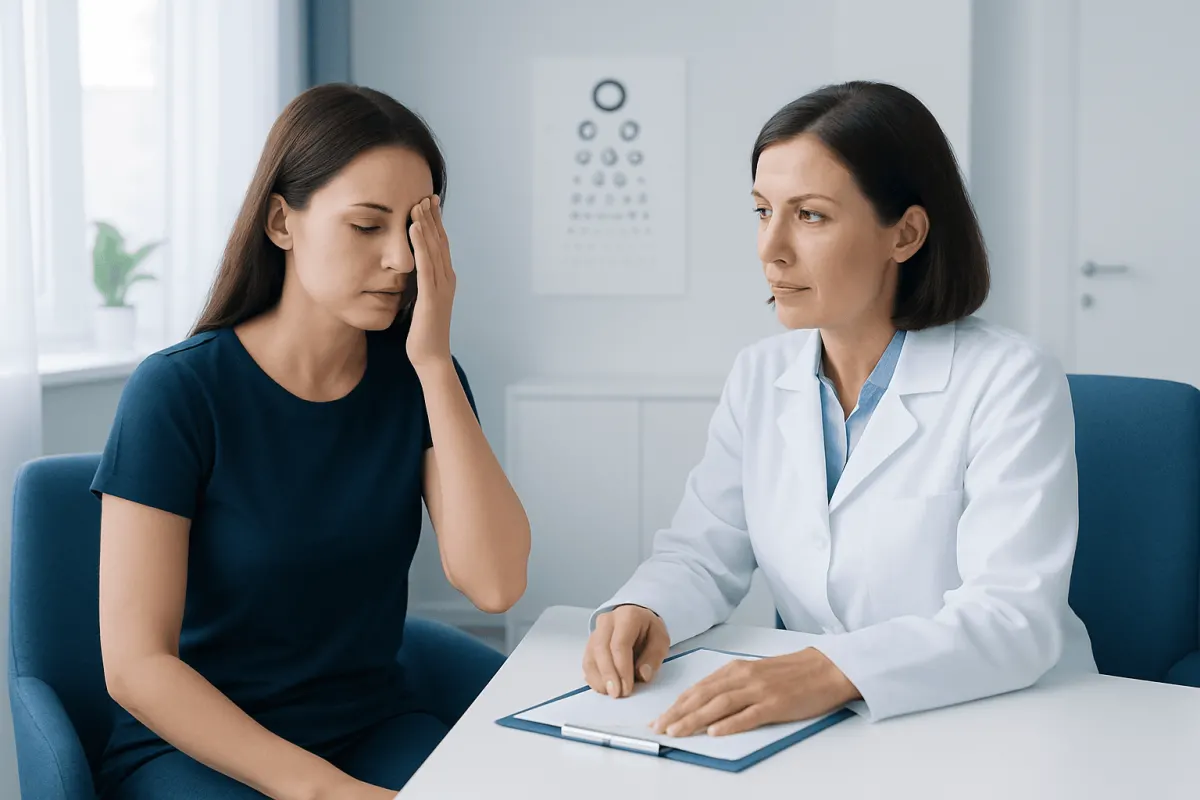
Mild dryness at the end of the day may improve with better lens habits, but some symptoms deserve faster evaluation. Warning signs include eye pain, marked redness, sensitivity to light, thick discharge, persistent tearing, blurred vision, or the feeling that something is stuck in the eye. Symptoms in one eye only can also suggest a more urgent problem.
If a contact lens suddenly becomes uncomfortable and the eye remains irritated after the lens is removed, the surface of the eye may be inflamed or injured. A white spot on the cornea, increasing pain, or worsening vision can be especially important signs of a corneal ulcer or infection.
People who already have underlying eye conditions may need closer review. For example, chronic dryness can make lens wear more difficult and may increase irritation risk. An eye doctor may assess for related issues such as dry eye or other surface problems when symptoms keep returning despite careful lens use.
Causes and Risk Factors
The most common causes of contact lens-related problems are preventable behaviors. These include sleeping in lenses not designed for overnight use, wearing lenses longer than recommended, topping off old solution instead of replacing it, failing to clean the case properly, and using tap water on lenses or lens cases. Water exposure is particularly important because harmful microorganisms can survive in water sources that appear clean.
Hand hygiene also matters. Touching lenses with unwashed hands may transfer bacteria, viruses, oils, lotions, or debris to the eye. Makeup, aerosol sprays, and dusty environments can add to irritation if lenses are inserted or removed without care.
Some people have a higher risk of irritation because of their eye or health profile. Dry air, prolonged screen time, allergy season, smoking, certain medications, and naturally reduced tear production can all make lenses less comfortable. Poor lens fit, damaged lenses, or wearing the wrong lens type for a person’s tear film or corneal shape can also cause repeat symptoms. In some cases, a specialist evaluation may be helpful to rule out issues affecting the front of the eye, including keratoconus when vision remains unstable.
- Sleeping in lenses without approval
- Swimming or showering while wearing lenses
- Using expired solution or reusing old solution
- Keeping lenses past their replacement date
- Skipping routine eye exams
How Eye Doctors Diagnose Lens-Related Problems
Diagnosis starts with a detailed history. The doctor will ask about lens type, wearing schedule, overnight use, cleaning products, water exposure, recent illness, and the exact pattern of symptoms. Bringing the lens case, solution, and the lenses themselves can sometimes help identify the source of the problem.
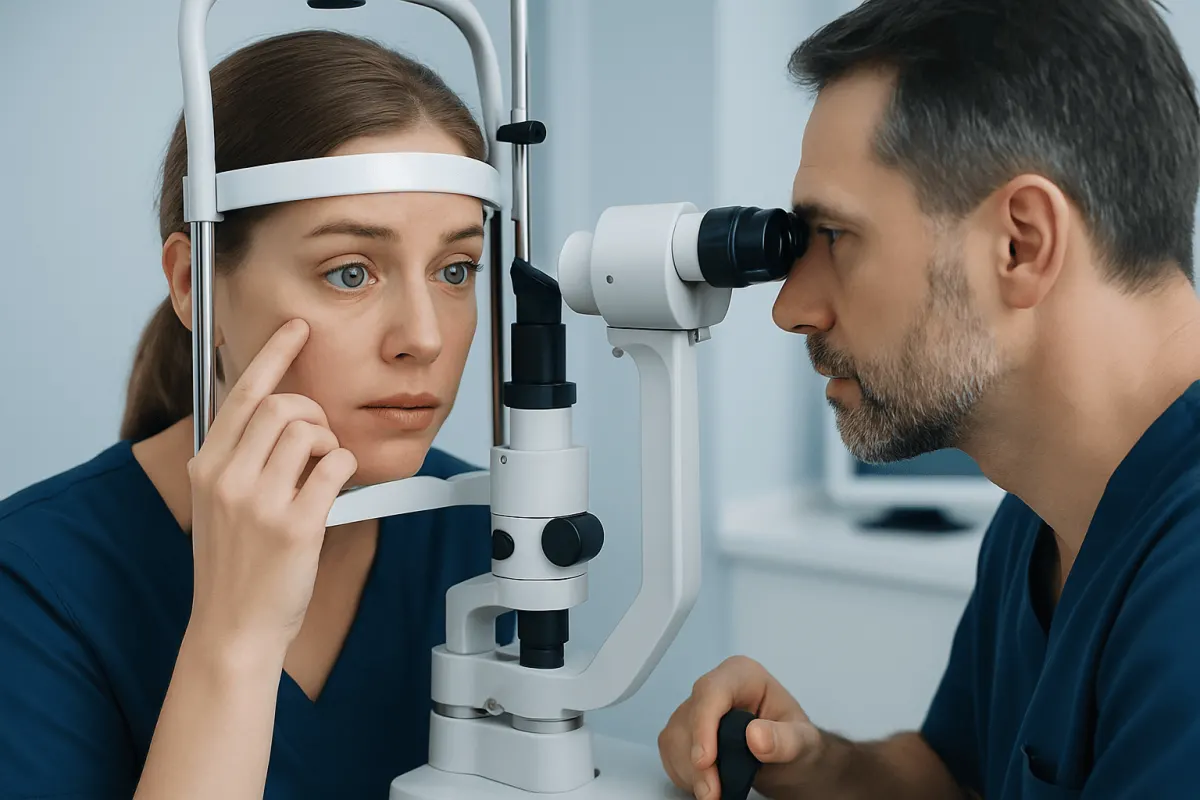
The eye is then examined under magnification with a slit lamp. This allows the clinician to assess the cornea, conjunctiva, eyelids, tears, and the way the lens fits on the eye. Special dyes may be used to reveal small scratches, dry areas, or ulcers on the corneal surface.
If infection is suspected, the doctor may advise stopping lens wear immediately and beginning treatment. In more serious or unusual cases, a sample may be taken for laboratory testing, especially if there is a corneal ulcer or the condition is not improving as expected. The goal is to identify the cause quickly and protect vision.
Treatment Options and What Recovery Usually Involves
Treatment depends on the cause. For mild irritation, the first step is often to stop wearing lenses for a period and allow the eye to recover. The doctor may recommend preservative-free lubricating drops, changes in lens material, a different cleaning solution, or a shorter wearing time. If lens fit is contributing, a new prescription or refitting may be needed as part of a broader eye examination.
If an infection is suspected, treatment is more urgent. Prescription eye drops may be needed, and the exact medicine depends on whether the cause is thought to be bacterial, viral, fungal, or inflammatory. Patients should not self-treat red or painful eyes with leftover drops or wear lenses again until an eye doctor says it is safe.
For recurrent discomfort, a specialist may look for contributing problems such as allergy, eyelid inflammation, or tear film imbalance. Management may include treatment for dry eye treatment or guidance from an ophthalmologist experienced in the ocular surface. Rarely, if a severe infection scars the cornea and vision does not recover, advanced care may be considered, including assessment through services such as cornea transplantation for selected cases.
Prevention and Daily Self-Care Tips
Safe contact lens use starts with a consistent routine. Hands should be washed with soap and water, then dried with a lint-free towel before touching lenses. Lenses should be cleaned and stored exactly as directed by the manufacturer and the prescribing clinician. Only recommended sterile solutions should be used, and fresh solution should be placed in the case each time.
The lens case deserves just as much attention as the lenses. It should be emptied, rinsed with appropriate solution if advised for that product, left open to air dry, and replaced regularly. Lenses and cases should never be rinsed or stored in tap water. Unless specifically approved by an eye doctor, lenses should also be removed before swimming, using a hot tub, or showering.
Comfort can often be improved by limiting overwear, taking breaks from lenses when eyes feel dry, and following the correct replacement schedule for daily, biweekly, or monthly lenses. Screen users may benefit from blinking more often and using environmental measures such as humidification. Regular checkups help confirm that the eyes remain healthy and the lenses still fit properly.
- Insert lenses before applying makeup and remove them before taking makeup off
- Do not share lenses or contact lens cases
- Discard damaged or expired lenses
- Keep backup glasses available
- Follow professional advice about overnight wear
When to See a Doctor
A doctor should be contacted promptly if redness, pain, discharge, light sensitivity, or blurred vision develops during contact lens wear. The same is true if the eye feels worse after removing the lens or if symptoms do not improve quickly with rest from lenses. Early evaluation can help prevent small problems from becoming more serious.
People who have repeated episodes of discomfort, cannot tolerate lenses as they once did, or notice gradually changing vision should arrange a routine eye assessment. Sometimes the issue is simple, such as deposit buildup or a poor replacement schedule, but persistent symptoms can also point to an underlying eye surface condition that needs treatment.
For international patients who need specialist assessment, Acıbadem Health Point offers diagnosis and treatment through multidisciplinary eye care teams in JCI-accredited hospitals. Regardless of where care is received, lens wearers should seek qualified medical advice rather than trying to manage significant symptoms on their own.
Frequently asked questions
01Can contact lenses cause eye infections?
Yes, contact lenses can increase the risk of eye infections if they are not used and cleaned properly. The risk is higher with overnight wear, water exposure, poor hand hygiene, and delayed lens replacement.
02Is it safe to sleep in contact lenses?
Sleeping in contact lenses is generally riskier than removing them before sleep. Even lenses approved for extended wear can increase the chance of irritation and infection, so they should only be worn overnight if specifically prescribed and monitored by an eye doctor.
03Why do my eyes feel dry or irritated with contacts?
Dryness and irritation can happen because of reduced tear stability, long screen time, allergies, environmental factors, or a lens that does not suit the eye well. Deposits on the lens surface, overwearing, or using the wrong solution can also contribute.
04Can I rinse my contact lenses with tap water?
No, tap water should not be used on contact lenses or lens cases. Water can contain microorganisms that may stick to the lens and lead to serious eye infection.
05What should I do if my eye becomes red while wearing contacts?
The lens should be removed right away, and it should not be worn again until the eye has been assessed if symptoms persist. If there is pain, light sensitivity, discharge, or blurred vision, prompt medical review is important.
06How often should contact lens cases be replaced?
Lens cases should be replaced regularly because germs and biofilm can build up over time. Many eye care professionals advise changing the case every few months, or sooner if it becomes damaged or visibly unclean.
This article is for general information only and is not a substitute for professional medical advice. Please consult a qualified doctor about your individual situation.
Explore treatments in Turkey — costs, top hospitals & a free quote
JCI-accredited · board-certified surgeons · reply within 24h
Add us as a Preferred Source to see more of our trusted health content across Google Search, AI Overviews and Discover.