Chondromalacia: Symptoms, Causes and Treatment

Key Takeaways
- Chondromalacia commonly causes pain at the front of the knee, especially during stairs, squatting, or prolonged sitting.
- It is often linked to overuse, muscle imbalance, injury, or knee alignment issues rather than a single cause.
- Diagnosis usually begins with a clinical examination and may include imaging to rule out other knee problems.
- Most people improve with conservative care such as physical therapy, activity modification, and supportive measures.
- Persistent or worsening symptoms deserve medical review, especially if the knee swells, locks, or gives way.
Chondromalacia is a condition in which the cartilage under the kneecap becomes irritated or worn, leading to pain around the front of the knee. It is often manageable with the right mix of activity changes, rehabilitation, and medical guidance.
Overview
Chondromalacia refers to softening, irritation, or breakdown of the cartilage on the underside of the kneecap. Because this surface helps the kneecap glide smoothly as the knee bends and straightens, changes in the cartilage can turn everyday movements into a source of pain.
People often notice the discomfort most clearly when Knee Pain When Climbing Stairs: Common Causes" class="ahp-ilk">climbing stairs, kneeling, squatting, rising from a chair, or sitting with the knee bent for a long time. The condition is sometimes called chondromalacia patella or, more broadly, patellofemoral cartilage irritation. While the name can sound technical, the practical message is simpler: the front of the knee is not gliding as comfortably as it should.
For international patients planning care, this is usually a condition that starts with careful assessment rather than urgent intervention. Many cases improve with a personalized rehabilitation plan, and treatment decisions are often guided by how long the symptoms have been present, how the knee moves, and whether there is a separate injury that needs attention.
Symptoms
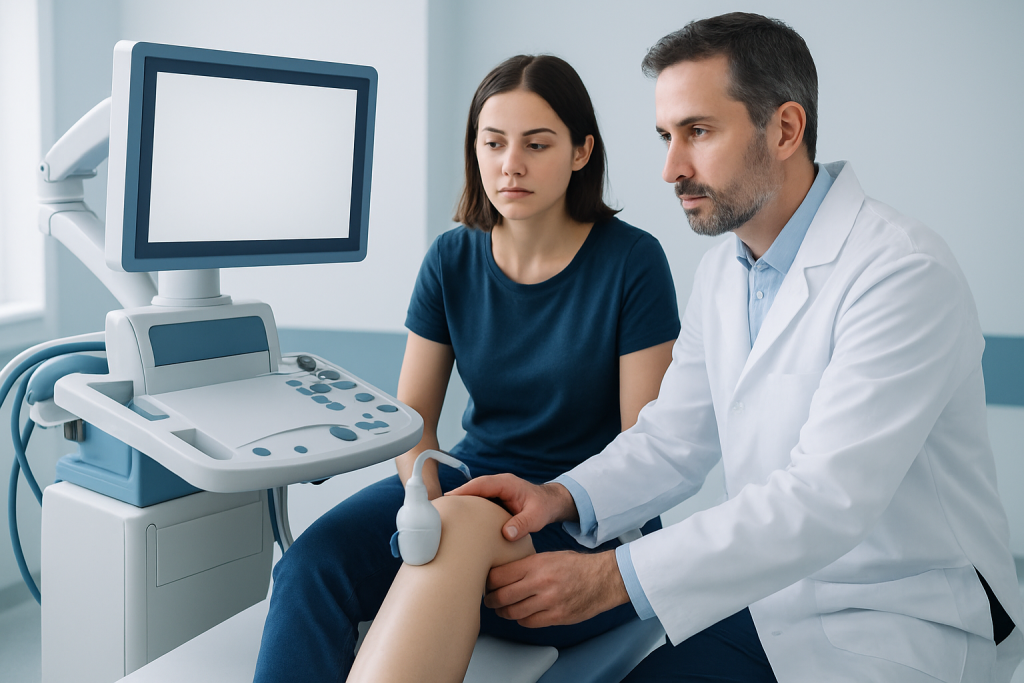
The symptom pattern of chondromalacia is often quite recognizable. Pain is usually felt around or behind the kneecap rather than deep inside the joint, and it may be described as aching, pressure, or soreness. Some people also report a grinding, clicking, or popping sensation when bending the knee, although these sounds do not always mean there is serious damage.
Symptoms may flare during activities that load the kneecap. Common examples include walking down stairs, running downhill, kneeling, deep squats, jumping, or sitting for long periods with the knees bent. The knee may feel stiff after rest, and in some cases it may feel weak or unreliable during activity.
- Front-of-knee pain
- Pain with stairs or squatting
- Grinding or crepitus when moving the knee
- Stiffness after sitting
- Occasional swelling or a sense of instability
Because many knee conditions can create similar discomfort, symptom details matter. A clinician will usually want to know what movements trigger pain, whether one knee or both are involved, and whether the problem began after a specific activity or injury.
Causes & Risk Factors
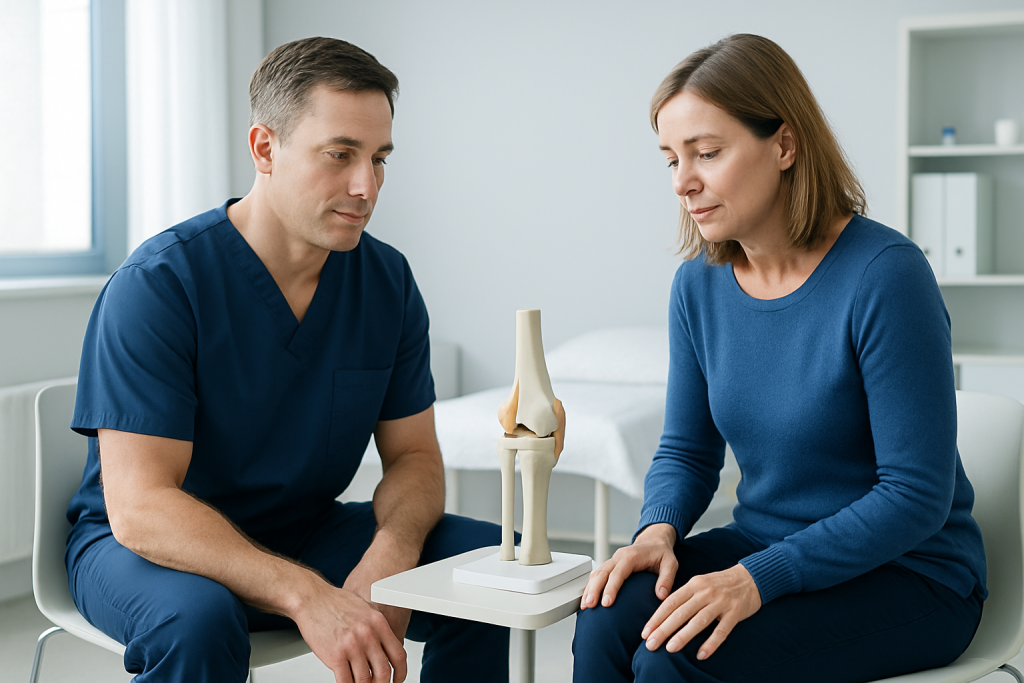
Chondromalacia is often linked to repeated stress on the patellofemoral joint rather than a single event. When the kneecap does not track smoothly in its groove, pressure may concentrate on one area of cartilage and irritate the surface over time. This can happen with overuse, changes in training load, or biomechanics that place extra force on the knee.
Several factors can increase the likelihood of symptoms. Weakness in the thigh and hip muscles, tight structures around the knee, flat feet, high arches, previous knee injury, or a history of dislocation can all affect how the kneecap moves. In some people, the issue develops after a growth spurt, a change in sport, or a period of reduced conditioning followed by a sudden return to activity.
Risk factors are not always dramatic. A person may simply spend long hours sitting, climb many stairs during the day, or increase exercise intensity too quickly. For travelers or patients returning home after treatment, this also means recovery plans should account for real-life routines such as long walks, carrying luggage, or prolonged time seated during transport.
Diagnosis
Diagnosis usually starts with a detailed history and physical examination. A clinician may ask about the location of pain, which movements provoke it, whether there was a recent increase in exercise, and whether the knee has ever slipped, locked, or swollen noticeably. Observing how the knee moves can provide important clues about alignment and tracking.
Imaging is sometimes used, but it is not always necessary. X-rays can help rule out arthritis, fracture, or structural changes, while MRI may be considered when the symptoms are persistent, the diagnosis is uncertain, or another condition such as meniscus or ligament injury is being considered. In many cases, the findings are interpreted together with the person’s symptoms rather than in isolation.
For patients traveling for care, diagnosis may be staged across visits. An initial examination, a short period of conservative treatment, and follow-up assessment can be enough to clarify the diagnosis. This approach helps avoid unnecessary procedures and keeps the focus on how the knee responds over time.
Treatment Options
Treatment for chondromalacia is often conservative at first. The main goal is to reduce irritation, improve knee mechanics, and build support around the joint. Physical therapy is a central part of care because stronger thigh, hip, and core muscles can reduce stress on the kneecap and improve movement control.
Activity modification is usually helpful. This does not mean giving up movement altogether; rather, it means adjusting the type, amount, or intensity of activity so the knee can settle. A clinician may suggest temporarily limiting deep squats, repeated stairs, running on hills, or other high-load movements while the knee becomes less reactive. Supportive measures such as ice after activity, short-term anti-inflammatory medicines when appropriate, taping, or a brace may also be recommended.
If symptoms do not improve with rehabilitation, a specialist may look more closely for structural problems that are contributing to poor tracking or persistent cartilage irritation. In selected cases, procedures may be discussed, but surgery is not the first answer for most people. The best plan is usually individualized, based on the underlying mechanics, symptom severity, and the person’s activity goals.
For someone arranging treatment across borders, it is useful to plan for follow-up before traveling home. Knee rehabilitation depends on consistency, so the care team may provide a home exercise program, guidance on safe activity progression, and advice on what changes should prompt another review.
Prevention & Self-care
Self-care for chondromalacia works best when it is steady and practical. The knee usually responds better to gradual progress than to sudden bursts of exercise. Warm-ups before activity, sensible training increases, and attention to pain signals can all help keep irritation from building up again.
Strengthening exercises prescribed by a physiotherapist are often the foundation of long-term management. Stretching tight muscles, improving hip control, and choosing lower-impact activities such as cycling or swimming may also reduce strain on the front of the knee. Footwear that supports comfortable walking and training surfaces that are less jarring can be useful in some cases.
- Increase activity gradually, especially after rest or illness
- Follow a home exercise program consistently
- Avoid forcing through sharp or escalating knee pain
- Use pain-friendly movement options while recovering
- Maintain a healthy body weight if advised by a clinician
People recovering while abroad or after returning home may benefit from written instructions that are easy to follow without a clinic nearby. Clear exercise plans, reminders about rest periods, and a realistic schedule for reassessment make it easier to stay on track.
When to See a Doctor
Medical evaluation is a good idea if knee pain lasts longer than a few weeks, keeps returning, or interferes with daily activities such as walking, climbing stairs, or exercising. It is also worth seeking care if the pain began after an injury or if the knee feels unstable, locks, or repeatedly gives way.
Swelling, loss of range of motion, or pain that is getting worse rather than better should also be reviewed. These symptoms do not automatically mean something severe, but they do suggest that a more detailed examination may be useful. Early evaluation can shorten the time it takes to find the right rehabilitation approach.
Patients who are traveling for treatment should arrange a follow-up plan before leaving the clinic, especially if imaging, physical therapy, or activity modification has been recommended. Acibadem Health Point’s multidisciplinary specialists and JCI-accredited hospitals can diagnose and treat chondromalacia for international patients in a coordinated, patient-centered way.
Frequently asked questions
01Is chondromalacia the same as arthritis?
No, chondromalacia refers to irritation or wear of the cartilage under the kneecap, while arthritis is a broader term for joint inflammation and degeneration. The two can share symptoms, which is why a careful evaluation matters.
02Can chondromalacia go away on its own?
Mild cases may improve when the knee is rested from aggravating activities and then strengthened gradually. Many people do best with structured rehabilitation rather than waiting for symptoms to resolve without a plan.
03Does chondromalacia always need surgery?
No, most people are treated without surgery. Physical therapy, activity changes, and symptom-guided care are usually tried first, and surgery is considered only in selected cases.
04What exercises are usually recommended?
Exercises often focus on strengthening the quadriceps, hips, and core, along with flexibility and movement control. The best program is individualized, because the right exercises depend on pain level, alignment, and current activity capacity.
05Can I keep walking or exercising with chondromalacia?
Often yes, but the activity may need to be adjusted so it does not repeatedly aggravate the knee. A clinician or physiotherapist can help decide which movements are safe and how to progress them.
06How long does recovery take?
Recovery varies depending on how long symptoms have been present and how consistently the treatment plan is followed. Some people improve over weeks, while others need a longer rehabilitation period.
This article is for general information only and is not a substitute for professional medical advice. Please consult a qualified doctor about your individual situation.
Joint and spine care in Turkey — expert assessment & treatment
JCI-accredited · board-certified surgeons · reply within 24h
Add us as a Preferred Source to see more of our trusted health content across Google Search, AI Overviews and Discover.