Childhood Migraine vs Seizures: Distinguishing Signs
Migraine and seizures can sometimes look alike in children, especially when episodes involve unusual sensations, staring, vomiting, confusion or visual changes. A careful description of each event, alongside a child’s examination and selected tests, helps doctors identify the most likely cause and plan appropriate care.
Overview: Why Migraine and Seizures Can Be Confused
Migraine and seizures are both conditions involving the brain, and both can occur in childhood. They are not the same condition: migraine is a recurrent neurological disorder that commonly causes headache and may include nausea, light sensitivity, visual symptoms or other temporary neurological changes. Seizures result from sudden abnormal electrical activity in the brain and can affect awareness, movement, sensation, behavior or bodily functions.
Some children have episodes that are not easy to classify at first. For example, a child may stare, report strange visual experiences, become pale, vomit, seem confused, or have a brief period of reduced responsiveness. These features may occur with particular migraine types, focal seizures, fainting, sleep-related events, anxiety episodes, or other medical conditions.
Doctors do not make the distinction from one symptom alone. They consider the child’s age, medical history, family history, the exact order of symptoms, how long an episode lasts, whether awareness changes, and how the child feels afterward. In some cases, a child can have both migraine and epilepsy, so each type of episode should be described separately.
Symptoms and Patterns That May Suggest Migraine
In children, migraine may cause a moderate to severe headache, often with nausea, vomiting, sensitivity to light or sound, and a preference to rest in a quiet, dark room. The pain may be on one side or both sides of the head. Younger children may not be able to describe the pain clearly; instead, they may look pale, withdraw from activity, become irritable, or need to sleep.
Some children experience an aura before or during migraine. Aura symptoms develop gradually and are temporary. They can include flashing lights, zigzag lines, blurred vision, tingling that spreads slowly, difficulty finding words, or a feeling of dizziness. The gradual spread and progression of symptoms over several minutes is often a helpful clue, although every child’s experience is individual.
Less common childhood migraine syndromes may involve prominent vomiting, vertigo, abdominal pain, temporary weakness, or confusion. A child may feel tired, emotionally sensitive or less able to concentrate after a migraine episode. Sleep can be restorative, and many children return to their usual state once the episode has passed.
- Migraine symptoms often build gradually rather than beginning abruptly.
- Episodes commonly last longer than most seizures, although duration varies.
- Headache, nausea and light or sound sensitivity are common accompanying features.
- A family history of migraine can support the diagnosis but is not required.
Symptoms and Patterns That May Suggest a Seizure
A seizure can look different depending on the part of the brain involved. Some seizures cause clear convulsions with body stiffening and rhythmic jerking. Others are subtler and may involve a sudden pause in activity, unresponsive staring, eyelid fluttering, lip smacking, picking movements, unusual sensations, sudden fear, altered speech, or brief confusion.
Focal seizures may begin with an aura-like sensation, such as a strange smell or taste, a rising feeling in the stomach, visual changes, tingling, or an intense feeling that something is familiar. Unlike many migraine auras, seizure symptoms often start suddenly, tend to be brief and stereotyped, and recur in a highly similar way from one episode to another.
After some seizures, a child may experience a postictal period. This can include sleepiness, headache, confusion, weakness in one part of the body, or difficulty speaking. Recovery may take minutes to hours, depending on the seizure type. However, not every seizure causes a noticeable postictal phase, and brief absence seizures may end with an immediate return to normal activity.
- Events may begin abruptly and be very similar each time.
- There may be loss of awareness or inability to respond during the event.
- Automated movements, stiffening, jerking or sudden falls can occur.
- Confusion or marked sleepiness afterward can be an important clue.
How Doctors Tell the Difference
The most valuable diagnostic tool is often a careful account from someone who saw the episode. A clinician may ask what the child was doing beforehand; whether symptoms began suddenly or gradually; whether the child could hear, speak or follow commands; whether there were movements of the eyes, face or limbs; and how quickly the child returned to normal. Details about sleep, illness, fever, missed meals, stress, hydration and possible triggers are also useful.
A short video recorded safely on a phone can be especially helpful if it captures the child’s face, body movements and responsiveness. Parents or caregivers should prioritize the child’s safety rather than filming during a dangerous event. A written diary noting the date, time, duration, symptoms before and after, headache features, sleep and potential triggers can reveal patterns over time.
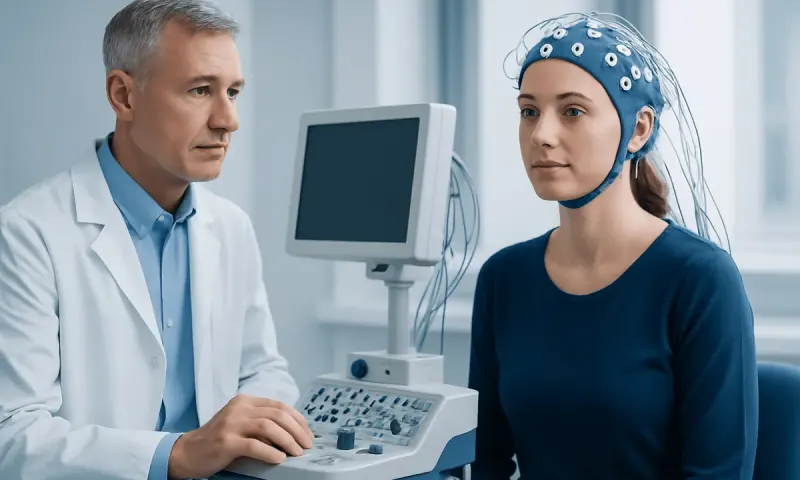
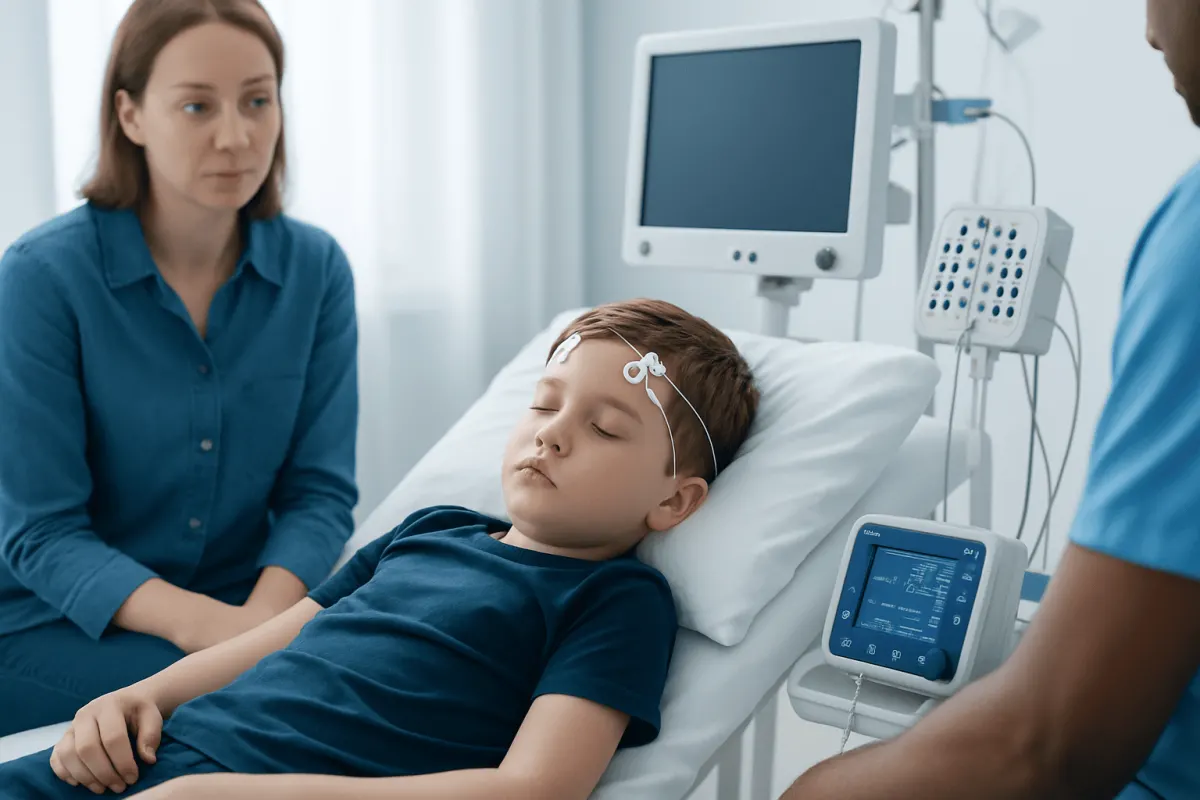
The clinician will perform a neurological and general physical examination. Typical recurrent migraine with a normal examination may not require extensive testing. When seizures are suspected, an electroencephalogram, or EEG, may be used to look for patterns of abnormal brain electrical activity. A normal EEG does not completely rule out epilepsy, and an abnormal EEG must always be interpreted in the context of the child’s symptoms.
Brain imaging, usually MRI, may be recommended when there are concerning examination findings, a new seizure, focal neurological symptoms, developmental regression, unusual headache features or other reasons to look for a structural cause. Blood tests, heart assessment, sleep evaluation or other investigations may be appropriate when another diagnosis is possible.
Treatment and Ongoing Care
Treatment depends on the diagnosis, the frequency and impact of episodes, and the child’s overall health. For migraine, care may include regular sleep and meals, good hydration, identifying individual triggers, and a clinician-guided plan for treating attacks early. Children with frequent or disabling migraine may benefit from preventive treatment, behavioral strategies, or referral to a pediatric headache or neurology specialist.
When epilepsy is diagnosed, treatment may include antiseizure medication, education about seizure first aid, and measures to reduce individual seizure triggers such as missed sleep. The choice of medication and whether treatment is needed depends on seizure type, recurrence risk, EEG findings, imaging results and the child’s circumstances. Families should not start, stop or change medication without advice from the prescribing clinician.
It is important not to assume that every headache after an event confirms migraine or that every unusual sensation confirms a seizure. Some seizure disorders can cause headache, and migraine can cause significant neurological symptoms. Follow-up allows the clinician to review the child’s response to treatment and reconsider the diagnosis if the pattern changes.
Acıbadem Health Point’s multidisciplinary specialists and JCI-accredited hospitals evaluate and treat neurological conditions in children, including migraine and seizure disorders, for international patients.
Prevention, Self-care and Seizure First Aid
For children with migraine, consistent routines can make a meaningful difference. Regular sleep, adequate fluids, balanced meals without prolonged fasting, age-appropriate physical activity and planned breaks from prolonged screen use may help reduce susceptibility to attacks. Families can discuss suspected triggers with a clinician, while avoiding overly restrictive diets unless there is a clear medical reason.
For a child with known or suspected seizures, caregivers, school staff and other adults responsible for the child should understand basic seizure first aid. During a convulsive seizure, they should stay calm, place the child on their side if possible, protect the head from injury, loosen tight clothing around the neck, and time the seizure. Nothing should be placed in the child’s mouth, and the child should not be restrained.
Emergency services should be called if a seizure lasts longer than five minutes, repeated seizures occur without full recovery, the child has trouble breathing or is injured, the seizure happens in water, or it is the child’s first known seizure. Families whose child has diagnosed epilepsy may receive an individualized emergency action plan and, where appropriate, rescue medication instructions from the care team.
When to See a Doctor
A child should be assessed by a healthcare professional after a first suspected seizure, recurrent episodes of unexplained altered awareness, or events involving shaking, falls, confusion, unusual behavior or loss of responsiveness. Prompt evaluation is also appropriate when headaches are recurring, interfere with school or daily life, or are accompanied by neurological symptoms that are new or difficult to interpret.
Urgent medical care is needed for a sudden severe headache, a headache after significant head injury, headache with fever and neck stiffness, persistent vomiting with worsening symptoms, weakness, trouble speaking, new vision loss, or a child who does not return to their usual state after an episode. These symptoms do not always indicate a serious cause, but they need timely assessment.
Families should seek emergency help for prolonged convulsive activity, breathing difficulty, blue or gray coloring, serious injury, or repeated seizures without recovery in between. Early assessment can provide reassurance when episodes are benign and helps ensure that children who need treatment receive the right support.
Frequently asked questions
01Can a migraine make a child stare or seem confused?
Yes. Some migraine types can cause confusion, reduced interaction, visual symptoms, dizziness or temporary speech difficulty. However, sudden or recurrent episodes of unresponsiveness should be medically assessed because seizures and other conditions may cause similar symptoms.
02How long do migraine aura and seizure aura usually last?
Migraine aura often develops gradually over several minutes and may last longer than a typical seizure warning. Seizure symptoms often begin abruptly and are usually brief, but there are exceptions. The sequence and repetition of symptoms are more informative than duration alone.
03Does a normal EEG mean my child does not have seizures?
No. An EEG records brain activity during a limited period, and some children with epilepsy have a normal routine EEG. Doctors interpret EEG results alongside the event description, examination, medical history and, when needed, further testing.
04Should parents record a suspected seizure or migraine episode?
If it is safe to do so, a brief video can provide useful information for the clinician. Safety should always come first: caregivers should protect the child from injury, monitor breathing and follow emergency guidance rather than focus on recording.
05Can children have both migraine and epilepsy?
Yes, although having one does not mean a child will necessarily develop the other. When both conditions are present, careful tracking helps clinicians distinguish the episodes and select treatment that fits the child’s needs.
06When is a seizure an emergency?
Emergency help is needed if a seizure lasts more than five minutes, seizures repeat without full recovery, breathing is impaired, the child is injured, or the seizure occurs in water. A first known seizure also requires urgent medical assessment, even if the child appears well afterward.
This article is for general information only and is not a substitute for professional medical advice. Please consult a qualified doctor about your individual situation.
Persistent digestive symptoms? Get evaluated in Turkey
JCI-accredited · board-certified surgeons · reply within 24h
Add us as a Preferred Source to see more of our trusted health content across Google Search, AI Overviews and Discover.